Food Injustice in the Golden State: The Fight to Remove Immigration and Age Restrictions from California Food Assistance

California stands as an agricultural titan, supplying a quarter of the nation’s food production and boasting one of the largest economies globally. Yet, a glaring paradox persists within its borders: the state maintains the highest poverty rate in the country, and nearly half of its undocumented immigrant population experiences severe food insecurity. For years, lawmakers, grassroots advocates, and community leaders have mounted a concerted effort to dismantle the structural barriers keeping undocumented residents from accessing the state’s nutritional safety net. As Governor Gavin Newsom finalizes state budget allocations amid a historic multi-billion-dollar surplus, the debate over food equity has reached a critical juncture.
The Core Problem of Food Insecurity Among Undocumented Immigrants
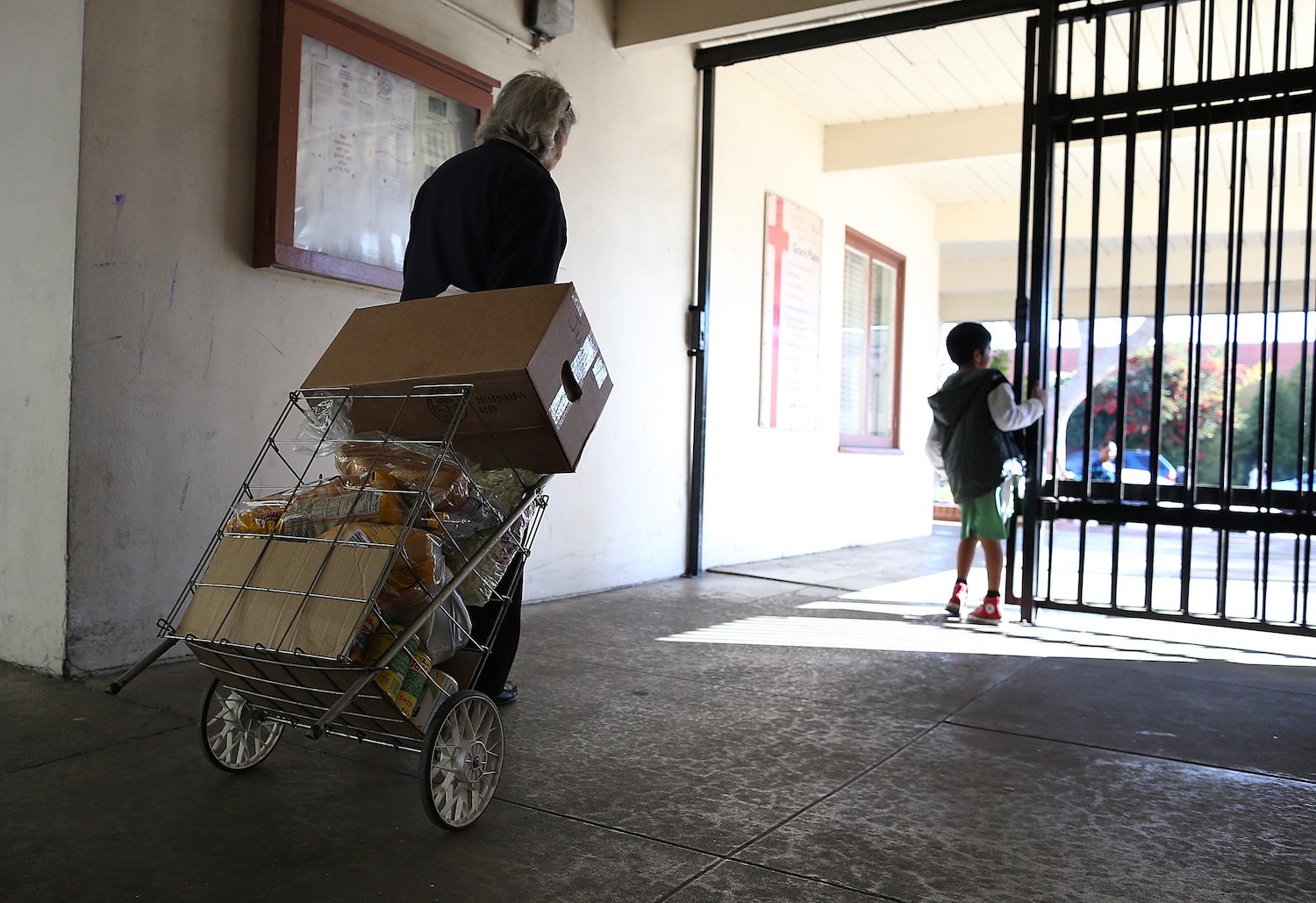
Undocumented immigrants in California experience food insecurity at rates drastically higher than the general population, fundamentally threatening public health and economic stability. Approximately 45 percent of undocumented Californians struggle to consistently secure adequate, nutritious meals. Despite this widespread need, federal and state assistance programs have historically locked these residents out.
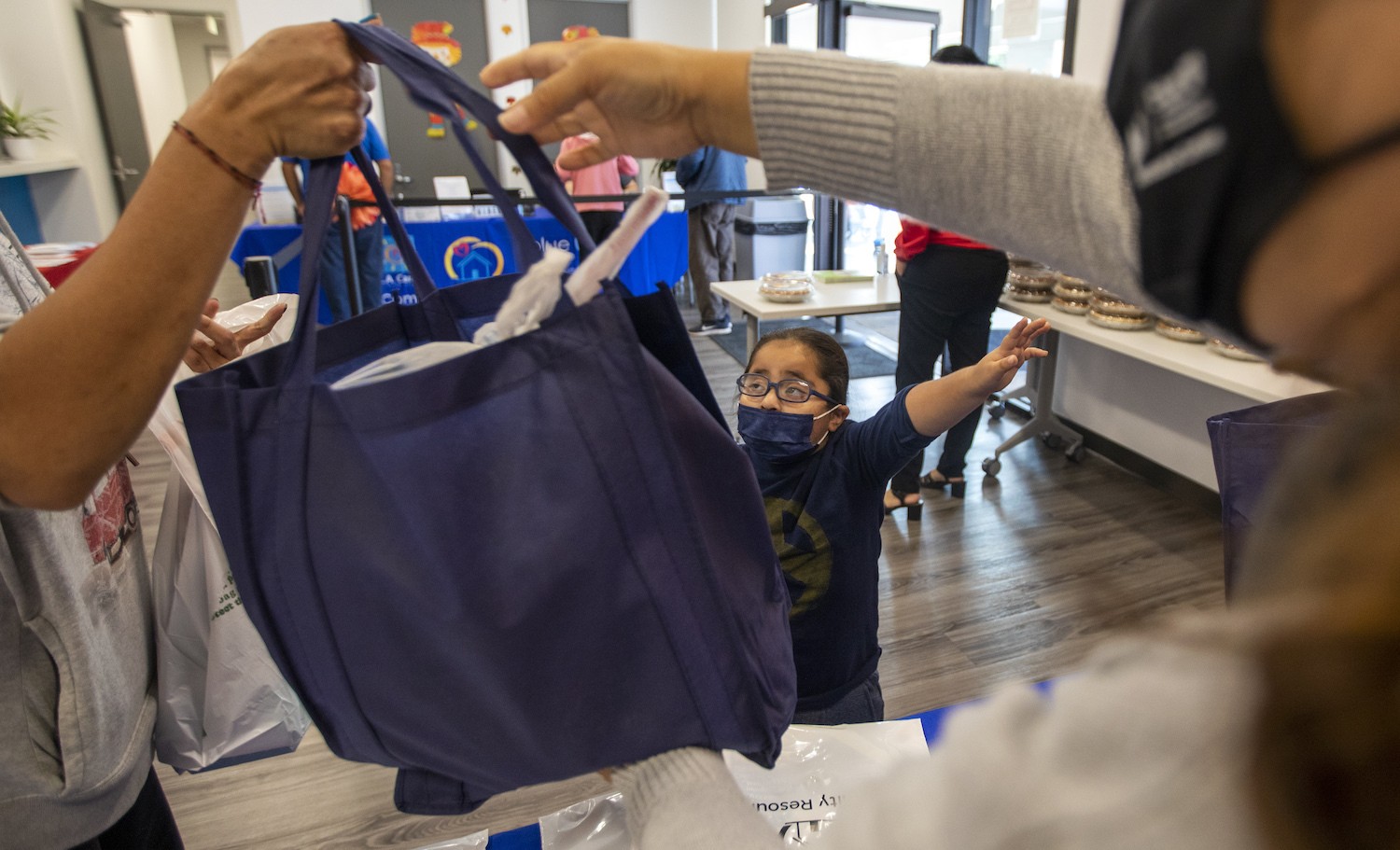
The federal Supplemental Nutrition Assistance Program (SNAP), known as CalFresh in California, limits participation to low-income American citizens and households where at least one member holds a qualified immigration status for a minimum of five years. Meanwhile, the state-funded California Food Assistance Program (CFAP) was established to bridge gaps for qualified immigrants—such as Lawful Permanent Residents, refugees, and asylees—who have not yet met the five-year federal residency threshold. Both programs explicitly exclude undocumented immigrants of all ages, forcing vulnerable families to rely entirely on overburdened charitable food banks and mutual aid networks.
Historical Context and Legislative Milestones
Understanding the modern exclusion of undocumented immigrants from federal and state nutrition programs requires examining decades of restrictive policies that fostered institutionalized stigma and widespread fear.
The punitive framework governing immigrant access to public benefits was cemented at the federal level in 1996 with the passage of the Personal Responsibility and Work Opportunity Reconciliation Act (PRWORA), signed into law by President Bill Clinton. The legislation drastically overhauled the American welfare system, forcing Lawful Permanent Residents to wait five years before accessing federal public benefits. Research indicates that PRWORA triggered a sharp decline in safety net participation among eligible immigrant populations due to heightened fear and social stigma, while simultaneously increasing uninsured rates among immigrant women and children.
At the state level, California had already signaled a hostile stance toward undocumented communities. Two years prior to PRWORA, voters passed Proposition 187 in 1994, a ballot measure designed to deny undocumented immigrants access to public education and non-emergency health care. Although federal courts eventually struck down Proposition 187 as unconstitutional, the measure mandated that police, teachers, and health care workers verify and report the immigration status of residents, leaving an indelible psychological mark.
Further exacerbating this climate of fear is the federal "public charge" rule—a century-old provision allowing immigration officials to deny entry or permanent residency to individuals deemed likely to depend primarily on the government. During the Trump administration, this rule was aggressively expanded to penalize non-citizens who utilized non-cash public benefits, including Medicaid and housing assistance, for more than 12 months. Although the Biden administration formally rescinded these expanded regulations, recent surveys indicate that three out of four immigrant families remain unaware of the reversal, continuing to avoid essential safety net programs out of fear of future immigration repercussions.
Legislative Push: Senate Bill 464 and the Food4All Campaign
To combat these systemic inequities, a coalition of policy organizations and lawmakers launched the Food4All campaign, spearheaded by Nourish California and the California Immigrant Policy Center. For more than two years, the campaign has pressured Governor Newsom to eliminate immigration status roadblocks from the state’s nutrition safety net.
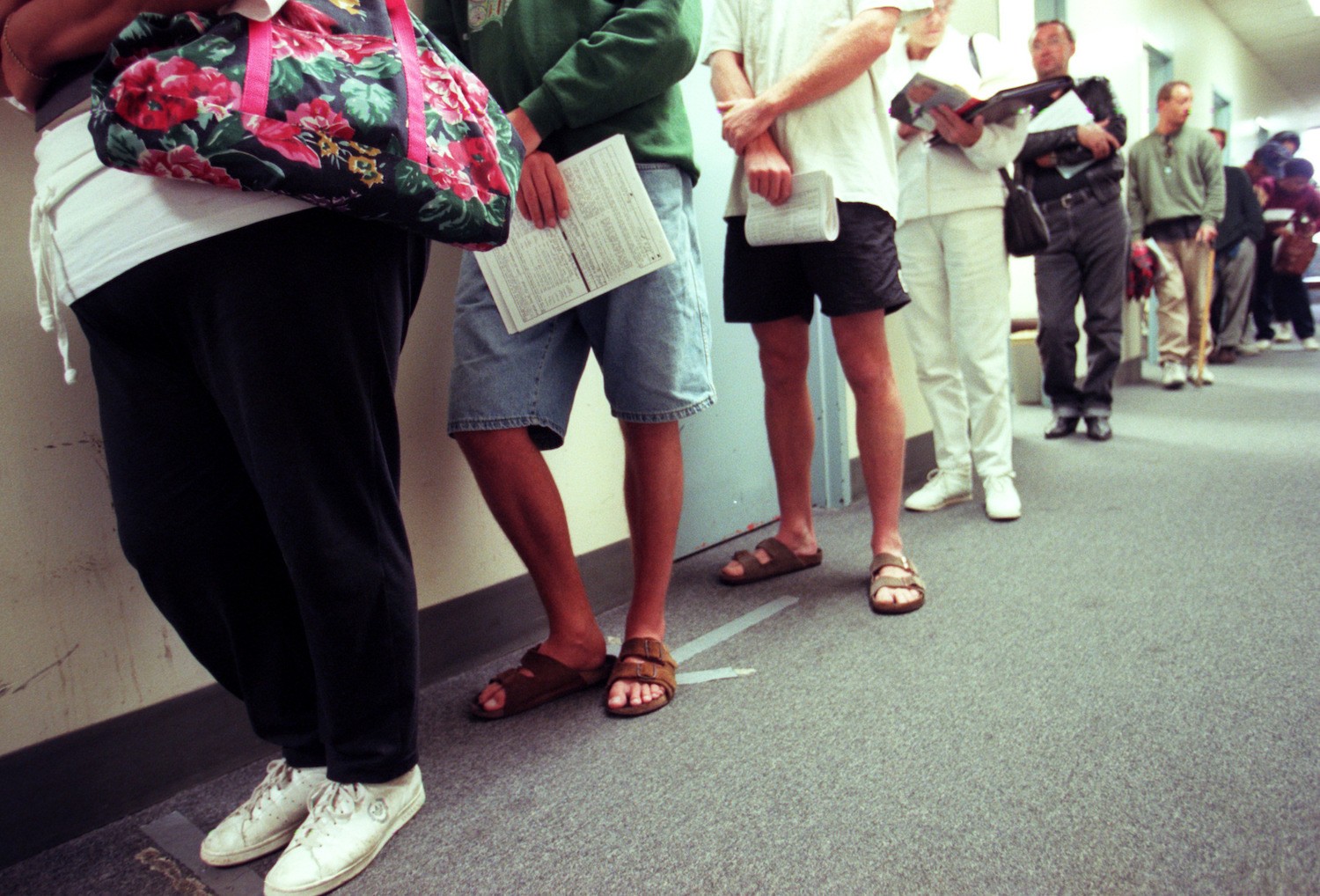
In the legislative arena, state Senator Melissa Hurtado introduced Senate Bill 464, which seeks to expand eligibility for state-funded nutrition benefits regardless of immigration status. Senator Hurtado, whose Central Valley district serves as the nation’s premier agricultural hub, designed the legislation with the region’s agricultural workforce in mind. While Governor Newsom included funding in his January 2022 proposed budget to remove immigration exclusions from CFAP, the measure was restricted exclusively to undocumented Californians aged 55 and older. Advocates argue that excluding younger workers and children falls short of addressing the state’s deep-seated poverty crisis.
The Human Toll: Real Stories from the Agricultural Frontlines
The human cost of food insecurity is acutely visible in California’s Central Valley, where nearly half of all farmworkers report struggling to afford meals. These are the essential workers who sustained the agricultural supply chain through the COVID-19 pandemic, enduring extreme heatwaves, historic droughts, and devastating wildfires.
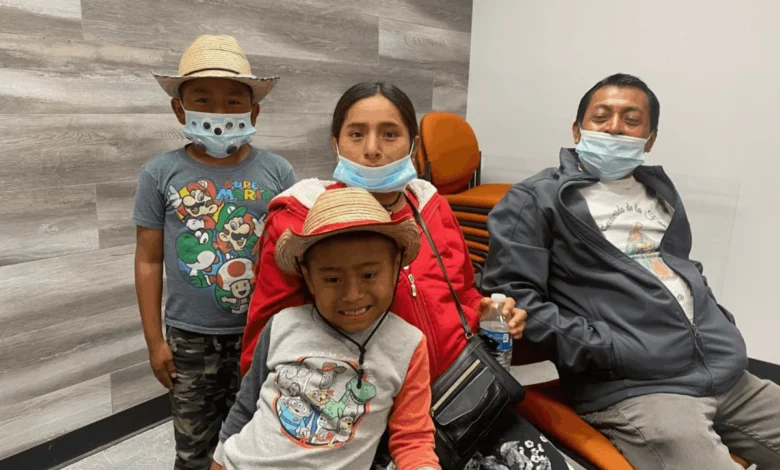
Among them are Guillermo and Augustina, undocumented Mixtec farmworkers who migrated from Guerrero, Mexico, to California in 2019. Residing in the agricultural region with their two children, the couple works seasonally in strawberry fields, earning meager wages without benefits. Because they speak an Indigenous pre-Hispanic language rather than English or Spanish, navigating complex government systems is virtually impossible without specialized translation support.
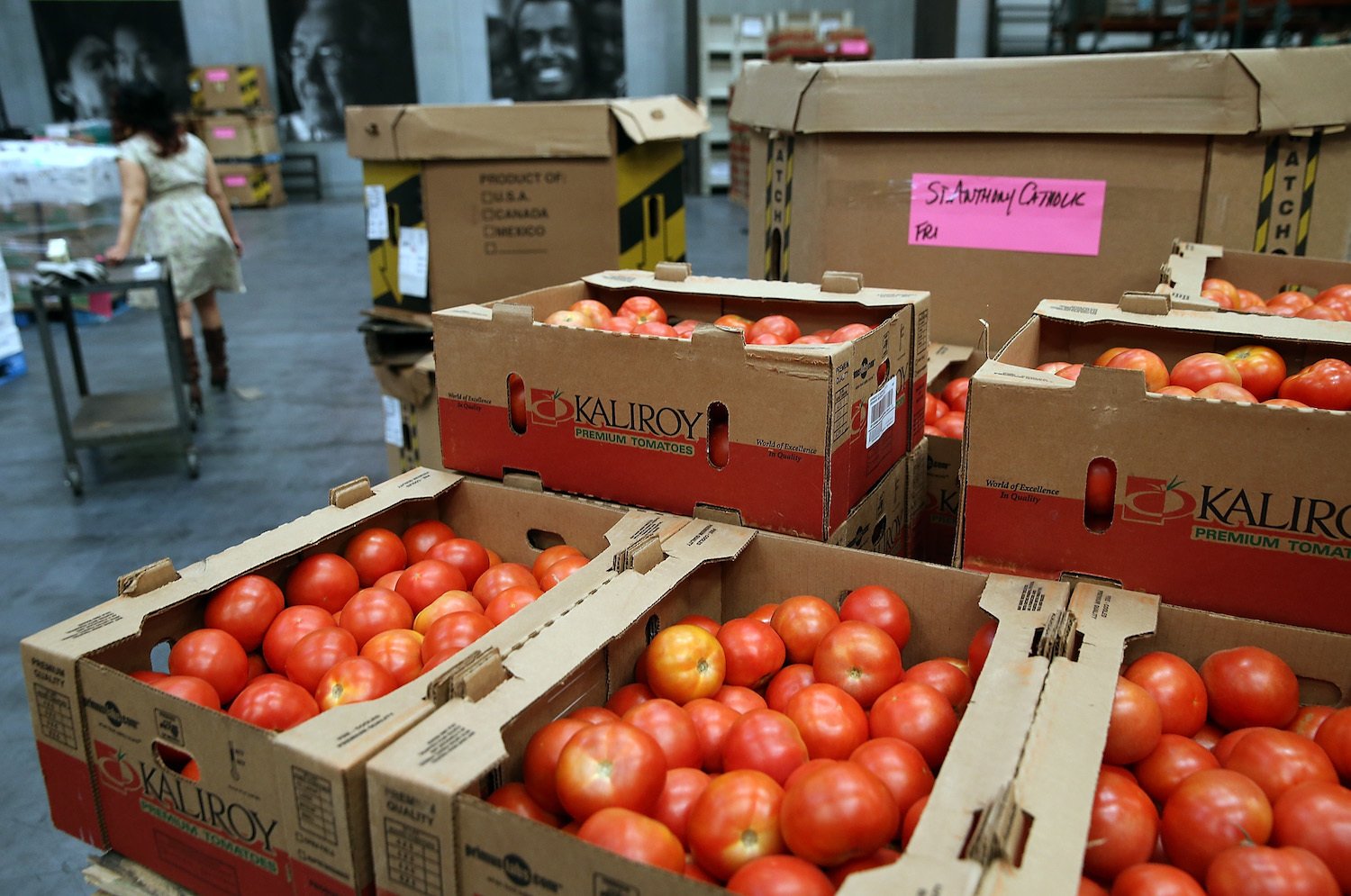
During peak harvest seasons, Guillermo and Augustina manage to purchase inexpensive staples like beans, rice, and corn flour to make tortillas. However, during the off-season, when daily work hours dwindle to four or fewer, affording basic necessities becomes a desperate struggle, and fresh produce is entirely out of reach. While tight-knit family and community networks offer a temporary buffer against hunger, their relatives face identical hardships.
When asked about potential legislative changes to include undocumented families in food assistance programs, Guillermo expressed cautious optimism tempered by deep anxiety. He questioned whether participation could later be weaponized against his family, wondering if future administrations might demand retroactive repayment of food benefits or jeopardize their children’s futures. Furthermore, Augustina emphasized that language barriers present an immediate obstacle, noting that public benefit offices rarely provide assistance in Indigenous languages.
Overcoming Linguistic and Cultural Barriers
Expanding CFAP eligibility to undocumented immigrants will require more than legislative text; it demands proactive administrative outreach. Clarissa Vivian-Petrucci, special project coordinator at the Central Valley Immigrant Integration Collaborative, stresses that equity requires addressing severe linguistic and digital divides.
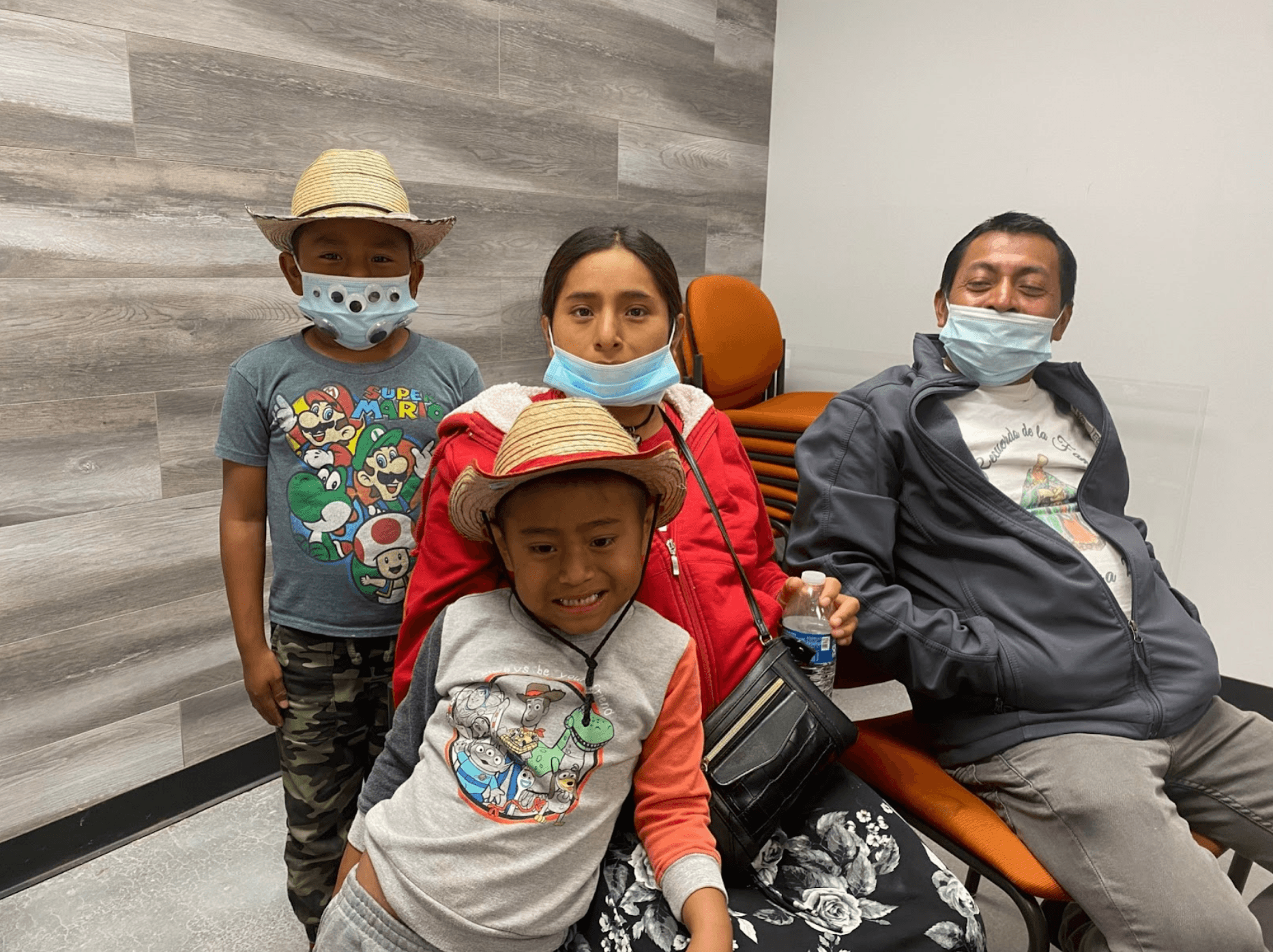
Many Indigenous agricultural workers cannot read or write in Spanish or English and lack computer literacy. To ensure successful program enrollment, advocacy organizations and state agencies must collaborate on unconventional outreach strategies. Past successes, such as live informational presentations hosted on social media platforms and coordination with consular offices possessing translator databases, offer a roadmap for effective community engagement. Without these targeted investments, language barriers will prevent eligible families from claiming the benefits to which they are legally entitled.
Budget Negotiations and the $68 Billion Surplus Debate
As the legislative session progresses, SB 464 is unlikely to advance as a standalone bill, prompting advocates to focus their efforts entirely on the state budget. Buoyed by an unprecedented $68 billion state budget surplus, lawmakers—led by Assemblymember Miguel Santiago—have urged Governor Newsom to allocate funds in the upcoming June budget to expand CFAP to undocumented immigrants of all ages.
The debate over the budget surplus has ignited broader discussions regarding fiscal priorities. While the Newsom administration proposed short-term relief measures, such as issuing $200 checks to help taxpayers cope with soaring gasoline prices, policy advocates argue that temporary rebates fail to resolve systemic poverty. Analysts contend that while gas rebates provide fleeting relief for vehicle owners, they offer no sustained support for individuals struggling with chronic hunger.

In official statements, the governor’s administration has highlighted historic investments in immigrant communities, pointing to the expansion of Medi-Cal health coverage to all eligible low-income residents regardless of immigration status, increased funding for pro bono legal services, universal transitional kindergarten, and college savings accounts for immigrant children. However, administration officials have remained non-committal regarding whether the budget surplus will be utilized to fully fund the expansion of CFAP across all age groups.
Broader Implications and Future Outlook
The outcome of the Food4All campaign will serve as a bellwether for California’s commitment to social equity. Food insecurity among children is extensively documented by public health researchers as a primary driver of poor physical and mental development, academic underachievement, and long-term health complications. By failing to include undocumented families in nutritional assistance programs, the state permits systemic health disparities to persist among the very population responsible for harvesting its agricultural wealth.
As Governor Newsom prepares to release final budgetary adjustments, advocates maintain that true progress requires moving beyond piecemeal relief. Ensuring equitable access to nourishment is not merely a matter of economic policy, but a fundamental question of human rights within the nation’s most economically powerful state.
Related posts: