The Weekly Beverage Industry Roundup: Heineken Addresses GLP-1 Impact, RNDC Files for Chapter 11 Liquidation, and New Product Launches Hit the Market

The global beverage alcohol landscape continues to navigate a period of profound transformation, defined by shifting consumer habits, macroeconomic pressures, and corporate restructuring. In this week’s comprehensive industry roundup, key developments underscore the challenges and adaptations taking place across the beer, wine, and spirits sectors. Among the most significant stories dominating trade discussions are brewing giant Heineken’s internal assessments regarding the rising popularity of weight-loss drugs and their potential dampening effect on alcohol consumption, alongside major logistical disruptions highlighted by the Chapter 11 liquidation filing involving distributor giant Republic National Distributing Company (RNDC) operations in select regions. Coupled with these structural shifts, a diverse wave of innovative product releases demonstrates that producers remain eager to capture evolving consumer demographics heading into the busy retail season.
Heineken Issues Internal Memo on GLP-1 Weight-Loss Drugs and Alcohol Consumption
As pharmaceutical breakthroughs in the realm of weight management continue to capture mainstream attention, fast-moving consumer goods companies are increasingly forced to evaluate their long-term strategic positioning. This week, reports surfaced regarding an internal memo circulated within Heineken, one of the world’s largest brewing conglomerates, addressing the burgeoning influence of GLP-1 receptor agonists—commonly known by brand names such as Ozempic, Wegovy, and Mounjaro—on consumer behavior within the beverage sector.
The emergence of these medications, initially prescribed for type 2 diabetes but widely adopted for chronic weight management, has triggered unexpected side effects among patients, frequently cited as a reduction in cravings for high-calorie foods, sugary beverages, and notably, alcohol. Anecdotal reports and early academic studies suggest that the physiological mechanisms modulating appetite and reward pathways in the brain also diminish the desire for intoxicating substances.
According to sources familiar with the internal communication, Heineken’s leadership has begun formally modeling the potential medium- and long-term impacts of widespread GLP-1 adoption on beer consumption patterns. While the full extent of the market disruption remains a subject of ongoing debate among economists and public health researchers, legacy alcohol brands are proactively studying these trends. The primary concern centers on whether a permanent demographic shift toward moderation or total abstinence among a significant percentage of consumers could alter the baseline volume of mainstream beer sales.
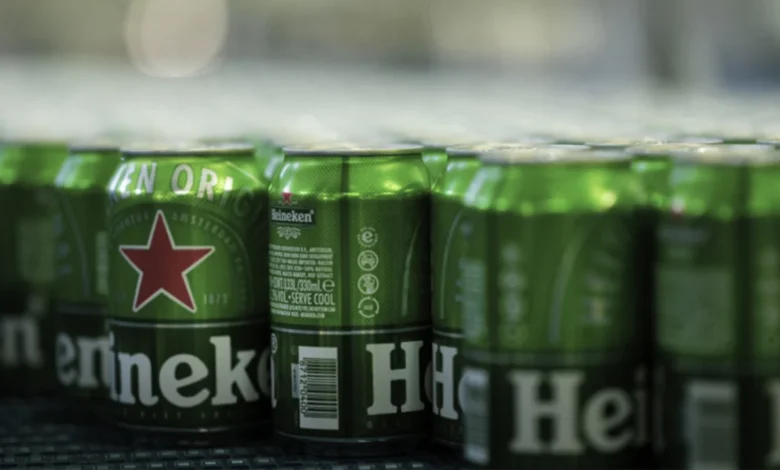
In response to these emerging consumer segments, brewing corporations have increasingly leaned into the development and marketing of non-alcoholic and low-calorie alternatives. Heineken 0.0, the company’s flagship non-alcoholic offering, has experienced double-digit growth in various international markets over recent years. Industry analysts suggest that proactive portfolio diversification serves as a natural hedge against potential headwinds generated by pharmacological weight-loss solutions, ensuring that brands retain consumer loyalty even if individual alcohol intake declines across specific demographics.
RNDC Faces Liquidation Amid Supply Chain and Distribution Pressures
In wholesale and distribution news, the three-tier system faced another notable jolt this week with developments surrounding Republic National Distributing Company (RNDC), one of the premier wine and spirits wholesalers in the United States. While the broader alcoholic beverage distribution market remains dominated by a handful of massive, entrenched players, evolving market dynamics, post-pandemic inventory corrections, and rising operational costs have placed strains on various regional tiers of the supply chain.
The announcement of a Chapter 11 liquidation proceeding connected to operational elements of RNDC has reverberated throughout the distribution network, prompting close monitoring by suppliers, retail buyers, and hospitality operators alike. Chapter 11 bankruptcy typically allows a business to reorganize its debts; however, liquidation filings signal a definitive wind-down or restructuring of specific assets, contracts, and regional footprints to satisfy creditor obligations and streamline operations.
The ripple effects of distributor realignments are immediate and multifaceted. Suppliers—ranging from multinational spirits conglomerates to small-batch craft distillers and boutique vineyards—rely heavily on the logistical prowess and market reach of distributors to place their products on retail shelves and backbars. Any disruption in distributor solvency or operational capacity can lead to temporary bottlenecks, delayed shipments, receivable risks, and the complex process of reassigning brand representation rights to alternative wholesalers within competitive state markets.
Industry trade groups have noted that the current macroeconomic environment—characterized by elevated interest rates, labor shortages, and shifting retail inventory levels—has accelerated consolidation and financial stress within the middle tier of the beverage alcohol industry. Wholesalers are operating on increasingly thin margins as retailers practice rigorous inventory management, reducing the buffer that distributors historically relied upon to absorb market shocks. The resolution of the RNDC-related proceedings will likely set a critical precedent for how large-scale beverage distributors manage debt and operational efficiency in an era of fluctuating consumer demand.
Product Releases to Watch: Innovation Drives the Market Forward
Despite macro-level economic headwinds and regulatory shifts, the pace of product innovation across the beer, wine, and spirits categories remains remarkably robust. Producers are utilizing targeted seasonal releases, flavor extensions, and functional formulations to capture consumer attention in a crowded marketplace. This week’s product pipeline highlights a strategic focus on premiumization, convenience, and health-conscious alternatives.
In the spirits category, several established distilleries have announced limited-edition bourbon and single-malt releases designed to appeal to collectors and enthusiasts ahead of the gifting season. These offerings emphasize unique cask finishes—ranging from ex-Sherry to Japanese Mizunara oak—reflecting a sustained consumer appetite for complexity and terroir-driven profiles in brown spirits. Simultaneously, the ready-to-drink (RTD) cocktail sector continues its aggressive expansion, with new market entrants featuring premium base spirits, real fruit juices, and reduced sugar content, challenging the dominance of traditional malt-based hard seltzers.
Within the beer sector, craft and macro breweries alike are pivoting toward seasonal styles, introducing robust stouts infused with locally sourced coffee and specialty cacao, alongside crisp, hop-forward pilsners that bridge the gap between traditional brewing heritage and modern craft trends. Notably, functional beverages incorporating adaptogens, nootropics, and botanical infusions continue to gain traction, signaling that the boundary between wellness culture and beverage alcohol—or non-alcoholic alternatives—is increasingly porous.
Broader Industry Implications and Future Outlook
The convergence of corporate strategic shifts, distribution-tier turbulence, and rapid product innovation paints a complex picture of the modern beverage alcohol industry. As companies like Heineken prepare for a future potentially shaped by pharmaceutical weight-loss interventions, and as major distributors navigate financial restructuring, the necessity for agility has never been more apparent.
Stakeholders across the supply chain—from agricultural producers of hops, grapes, and grains to retail operators and hospitality professionals—must remain adaptable to structural changes. The overarching trend points toward a bifurcated market: one side characterized by consumers seeking premium, artisanal, and authentic experiences, and the other driven by a growing demographic prioritizing moderation, health consciousness, and functional benefits.
As the fourth quarter progresses, industry analysts will closely monitor sales data, inventory adjustments, and regulatory responses to these developments. The ability of manufacturers and distributors to anticipate consumer shifts and optimize their operational frameworks will ultimately determine market leadership in the years ahead.