Scallion Pancake Popovers: A Modern Approach to Traditional Savory Pastries

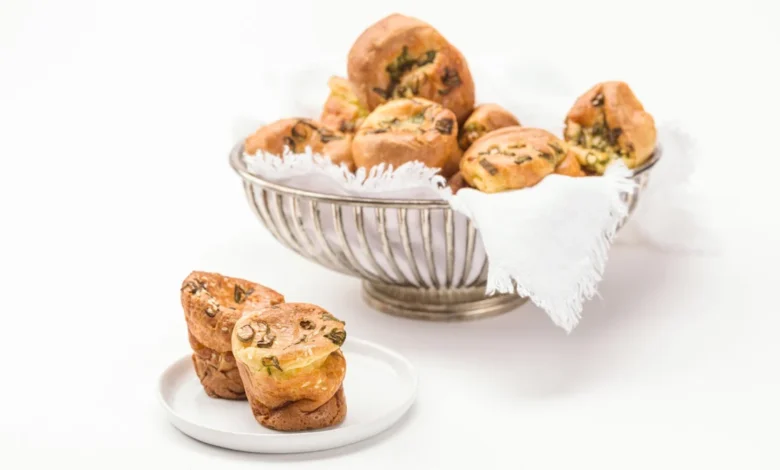
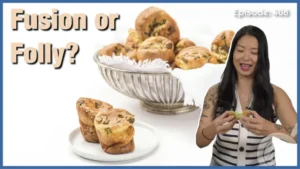
The culinary landscape has witnessed a significant shift toward the reimagining of traditional staples, specifically in the realm of gluten-free baking and high-heat oven techniques. The recent introduction of the Scallion Pancake Popover represents a technical intersection between East Asian street food culture and the classic British-style savory pudding. By utilizing the aeration properties of a high-protein, gluten-free batter and the aromatics of the Allium fistulosum—commonly known as the green onion or scallion—culinary developers have created a preparation method that eliminates the traditional stovetop shallow-frying process while maintaining the desired textural contrast of a crispy exterior and a custard-like center.
The Evolution of the Scallion Pancake
The traditional scallion pancake, or cong you bing, traces its origins to the Han Dynasty in China, where it evolved from a simple flour-and-water flatbread into a multi-layered, laminated pastry. Traditionally, these are prepared by rolling dough with scallions and fat, then pan-frying until the exterior achieves a golden-brown crunch.
While the flavor profile remains a staple in global gastronomy, modern dietary requirements have necessitated a transition away from traditional wheat-based flours and high-fat frying methods. The emergence of the popover format—a technique rooted in the 17th-century English Yorkshire pudding—provides a structural alternative. By leveraging the thermodynamics of a preheated muffin tin and a high-moisture batter, bakers can achieve the necessary "puff" without the intensive labor associated with manual dough lamination and constant stove-side monitoring.
Technical Specifications and Preparation Requirements
The transition from a fried flatbread to a baked popover requires a precise adjustment in both chemistry and equipment. For a yield of 12 units, the preparation involves an active work time of 25 minutes, with a total processing time of one hour. The success of this recipe relies on the "leavening" effect, which occurs when the moisture in the batter turns to steam inside a hot, conductive vessel.
The following equipment and ingredient framework is essential for achieving the necessary structural integrity:
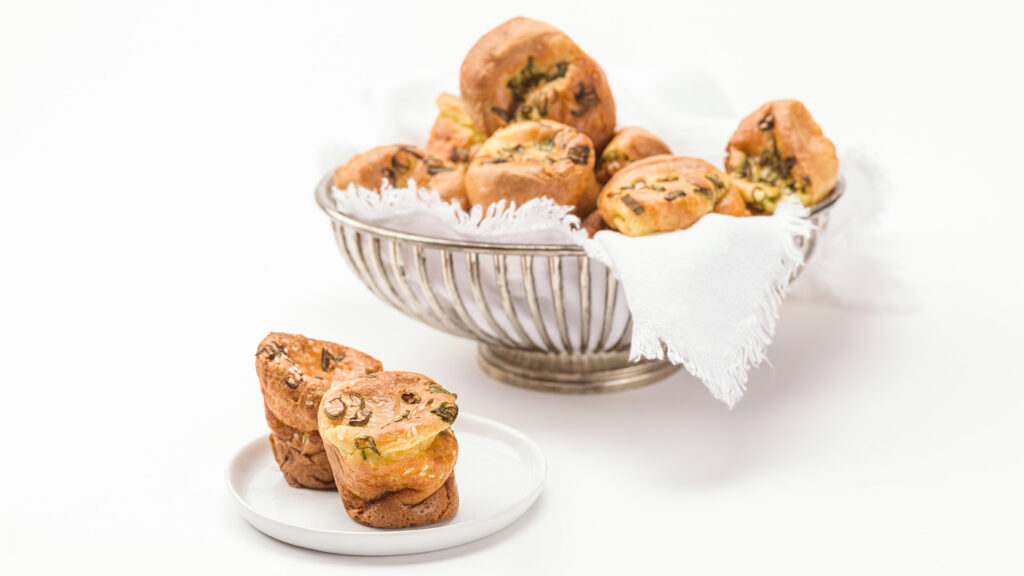
Core Equipment:
- A heavy-gauge 12-cup muffin tin or a dedicated popover pan (cast iron is preferred for superior thermal mass).
- A high-speed blender to ensure a homogenous, lump-free batter.
- Precision measuring tools, as the protein-to-liquid ratio in gluten-free baking is less forgiving than traditional wheat-based baking.
Ingredient Composition:
- Aromatic Base: Fresh scallions, finely minced to ensure even distribution and to prevent the moisture content of the onions from interfering with the structural rise.
- Binding Agents: Given the absence of gluten, the use of stabilizers such as xanthan gum or psyllium husk is often required to provide the elasticity necessary for the batter to trap air bubbles during the initial expansion phase.
- Lipid Component: High-smoke-point oils or melted butter are utilized to facilitate the "fry" effect within the cup.
Chronology of the Baking Process
The production of Scallion Pancake Popovers follows a strict thermal timeline designed to maximize rise and texture:
- Thermal Priming (0–15 Minutes): The oven must be preheated to a high temperature, typically between 400°F and 425°F (204°C–218°C). Placing the empty, oiled pan in the oven during the preheating phase is a critical step; the vessel must be sufficiently hot upon contact with the batter to trigger immediate steam production.
- Batter Preparation (15–25 Minutes): Ingredients are blended and allowed to rest. This resting period is vital in gluten-free baking, as it allows the starches to hydrate fully, ensuring a more uniform crumb structure.
- Injection and Expansion (25–45 Minutes): The batter is poured into the preheated cups, and the scallions are introduced. The oven door must remain closed during this phase; fluctuations in temperature can cause the popovers to collapse before the internal structure has set.
- Cooling and Finalization (45–60 Minutes): Once the units have reached a deep, golden-brown hue, they are removed. A small puncture is often made in the top of each popover to allow residual steam to escape, which prevents the internal center from becoming overly soggy.
Nutritional Implications and Market Trends
The pivot toward gluten-free alternatives is supported by broader market data. According to the International Food Information Council (IFIC), the gluten-free market is projected to grow at a compound annual growth rate (CAGR) of over 9% through 2030. Consumers are increasingly seeking "clean label" products that offer the sensory satisfaction of traditional comfort foods without the perceived negative health impacts of high-grease, deep-fried snacks.
From a nutritional standpoint, the popover method significantly reduces the oil absorption rate compared to traditional scallion pancakes. In a standard deep-fried scallion pancake, the dough acts as a sponge for the frying medium. In contrast, the baked popover requires only a light coating of oil to prevent adhesion to the pan, resulting in a lower caloric density. Furthermore, the inclusion of fresh scallions adds a source of dietary fiber, vitamins A and C, and antioxidant compounds like quercetin, which are often degraded during the high-heat, prolonged frying of traditional recipes.
Professional Analysis of the "Bake vs. Fry" Debate
Culinary analysts suggest that the "bake-first" approach is a direct response to the democratization of specialized kitchen technology. With the rising availability of convection ovens and high-quality bakeware in home kitchens, the barrier to entry for complex, restaurant-quality techniques has lowered significantly.

"The shift is not merely about health," notes a food science researcher specializing in starch behavior. "It is about the predictability of the outcome. Frying is a chaotic process susceptible to oil temperature drops and uneven heat distribution. Baking in a controlled, high-heat environment like a muffin tin allows for a consistent result across all twelve units, which is a major advantage for home entertaining."
Broader Culinary Impact
The integration of Asian flavor profiles into Western-style baking techniques is a growing trend that highlights the globalization of home cooking. By adapting the cong you bing into a popover, creators are effectively bridging the gap between two distinct culinary traditions. This fusion approach allows for:
- Versatility in Pairing: The neutral, eggy base of a popover serves as an ideal canvas for savory toppings, such as chili crisp, soy-sesame dips, or even fresh herbs, making it an adaptable appetizer for a wide range of dietary preferences.
- Operational Efficiency: For those preparing food for large groups, the oven-based method allows for the batch-processing of twelve units simultaneously, whereas the stovetop method requires serial production that keeps the cook confined to the kitchen.
- Reduced Kitchen Hazard: By eliminating large vats of hot oil, the risk of common kitchen injuries—such as grease splatters or oil fires—is mitigated, making the process more accessible to novice cooks.
Conclusion and Future Outlook
The Scallion Pancake Popover serves as a definitive case study in modern recipe development. By deconstructing the traditional fried scallion pancake and reassembling its core components within the framework of a popover, the culinary community has demonstrated that it is possible to modernize a classic dish without sacrificing the sensory characteristics—the crunch, the aroma, and the savory satisfaction—that made the original famous.
As the food industry continues to emphasize efficiency, health-conscious preparation, and the fusion of global traditions, techniques that prioritize oven-based thermal reactions over traditional stovetop frying are likely to see continued adoption. For the home cook, the Scallion Pancake Popover offers a low-barrier entry into complex flavor engineering, providing a reliable, repeatable, and sophisticated outcome that reflects the changing demands of the contemporary kitchen. Whether served as a stand-alone appetizer or as a component of a larger meal, this preparation represents a successful marriage of tradition and modern technique.