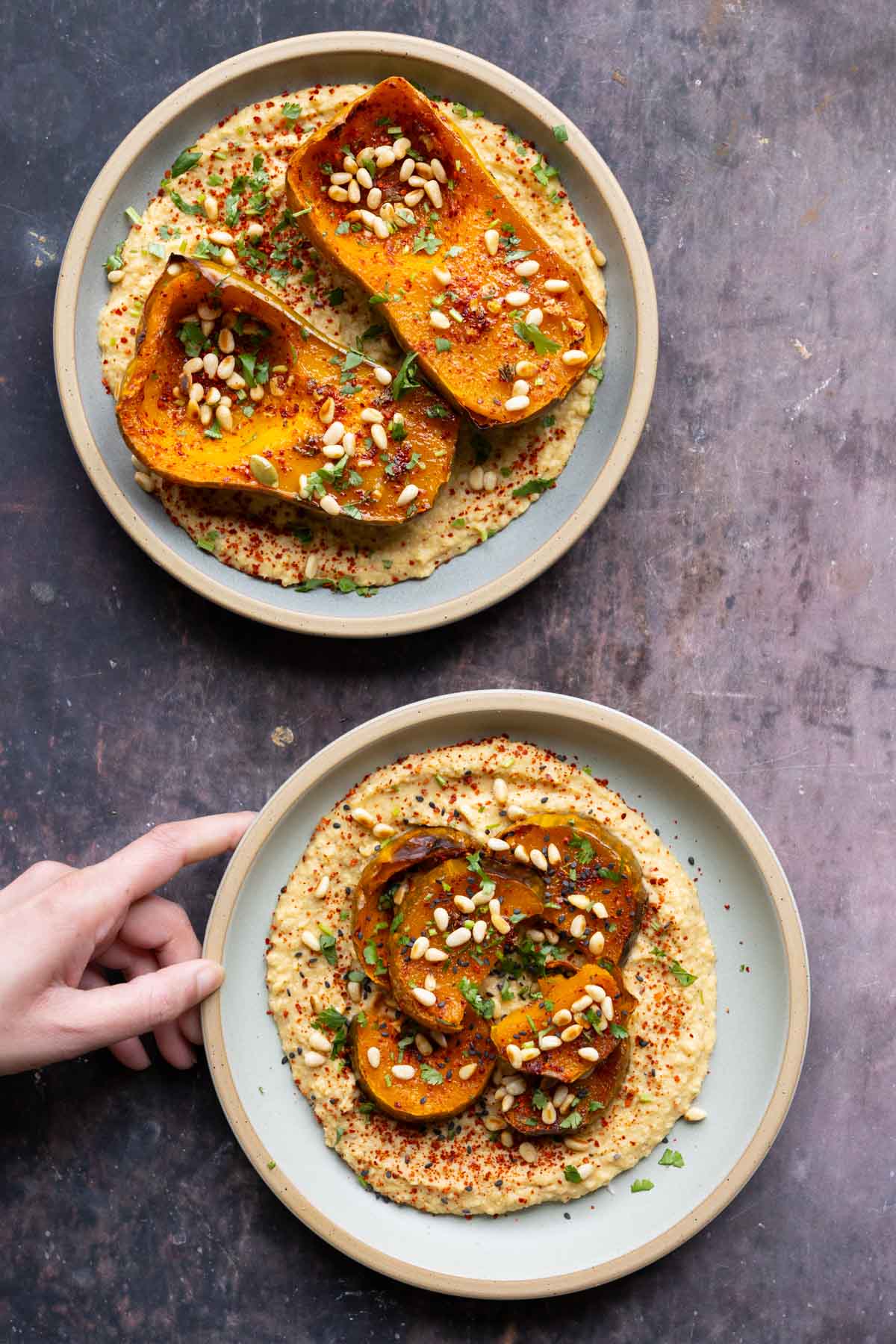
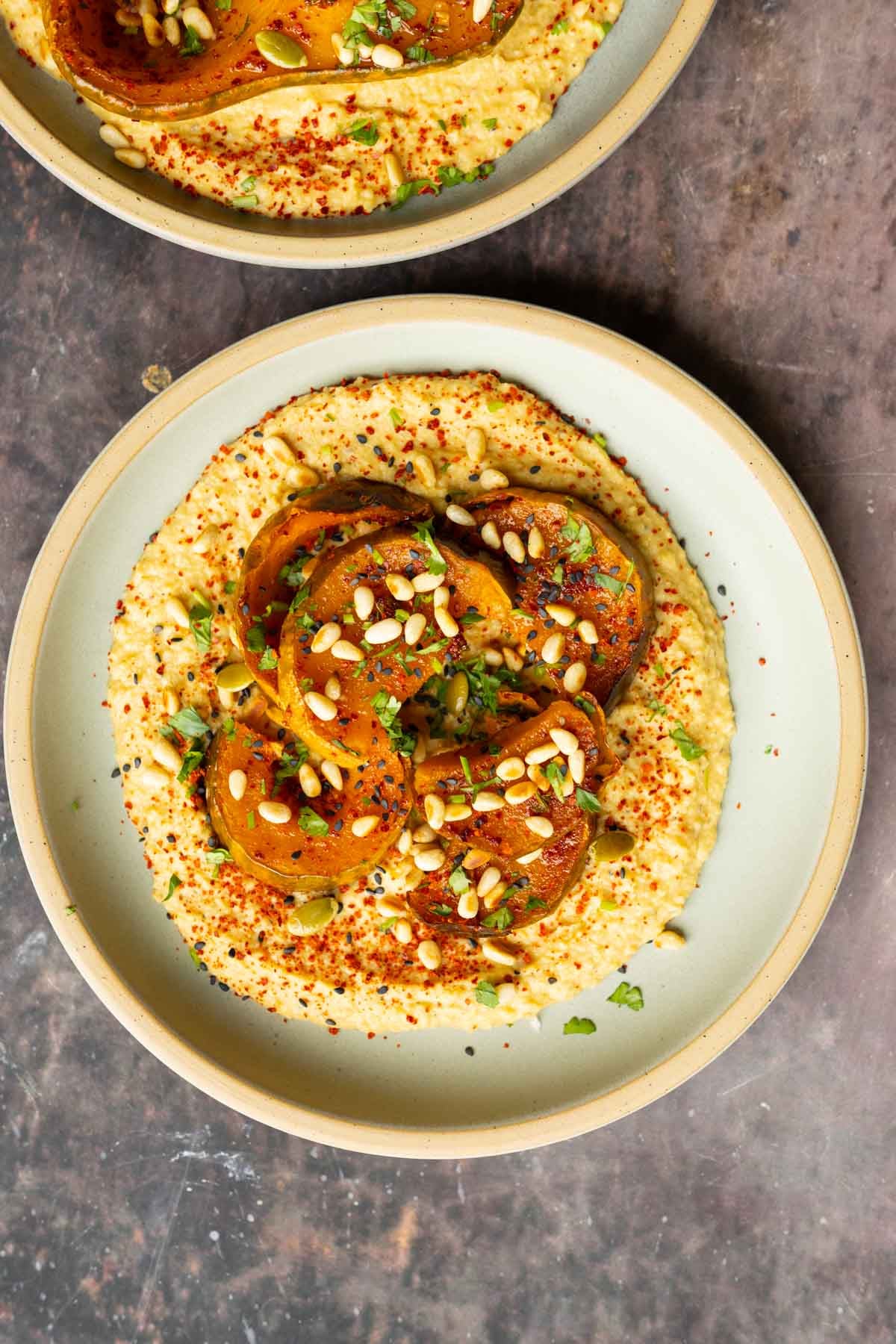
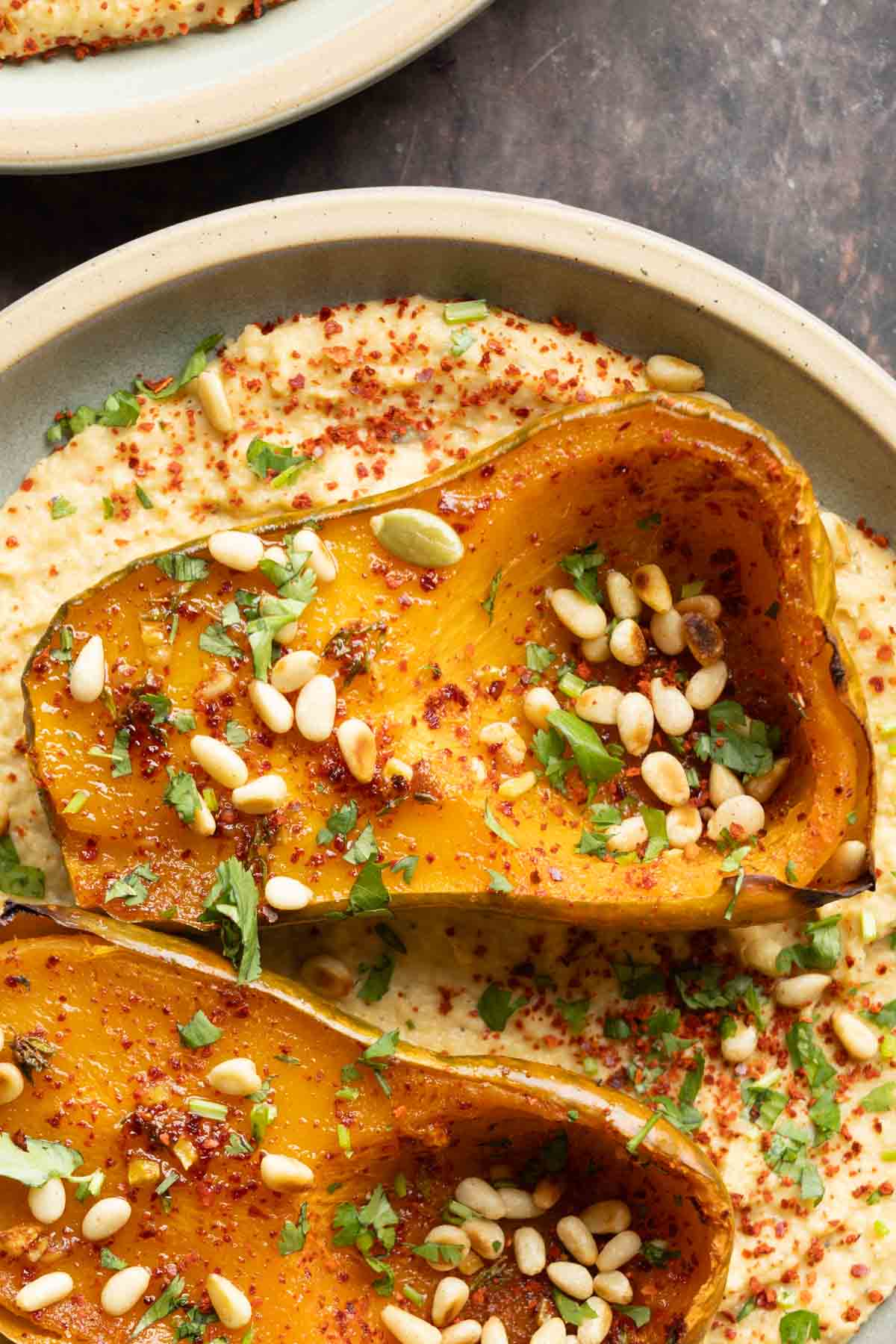
Maple-Dijon Roasted Honeynut Squash with Lemon Chickpea Whip and Toasted Pine Nuts

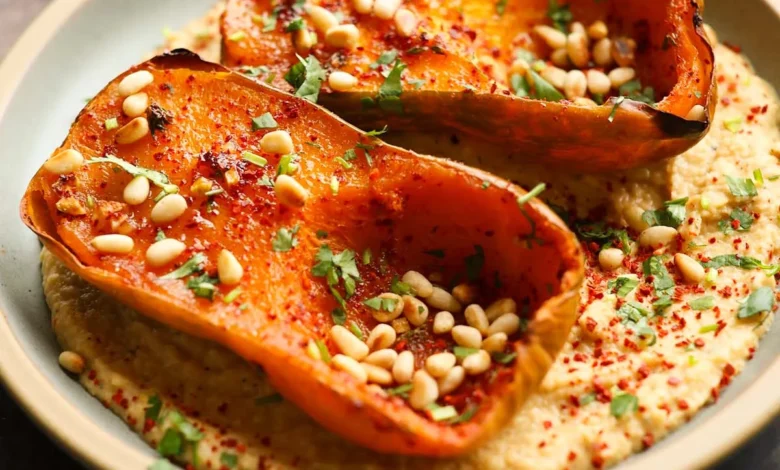
The culinary landscape for autumn-inspired plant-based cuisine has seen a significant shift toward nutrient-dense, high-protein seasonal dishes that prioritize both flavor profile complexity and satiety. A notable development in this category is the emergence of the Maple-Dijon Roasted Honeynut Squash served over a lemon-infused chickpea whip. This dish, which provides approximately 15 grams of protein and 15 grams of fiber per serving, has gained traction among health-conscious consumers seeking gluten-free and soy-free alternatives to traditional holiday-style centerpieces.
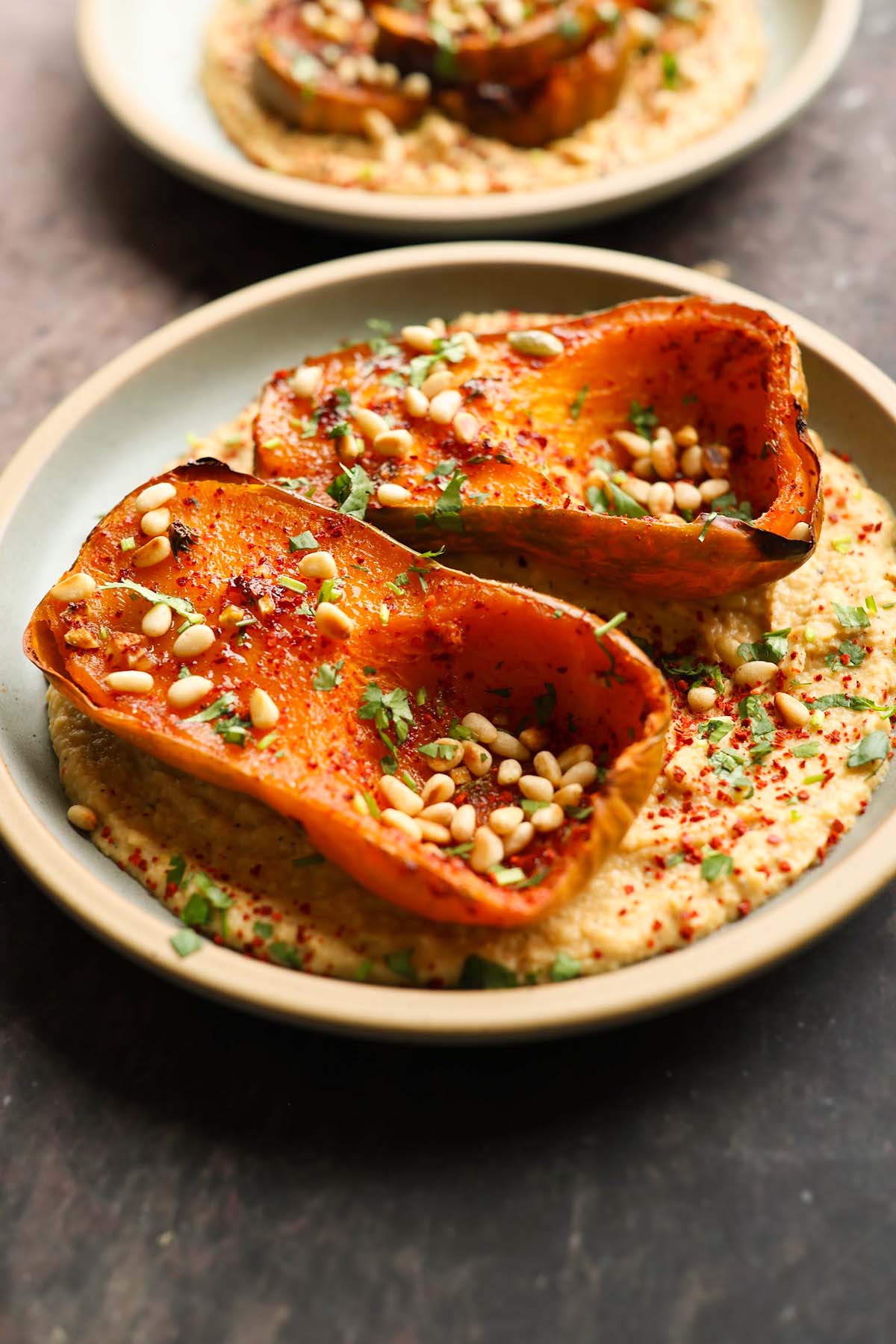
Nutritional Composition and Dietary Implications
From a nutritional standpoint, the pairing of squash with legumes addresses a common challenge in plant-based dining: the synthesis of a complete amino acid profile while maintaining high fiber content. Honeynut squash, a smaller, sweeter cultivar of the butternut squash, is rich in beta-carotene and Vitamin A. When paired with a chickpea base, the meal provides a robust macronutrient balance.
According to standard nutritional analysis, the dish yields roughly 444 calories per serving. The reliance on chickpeas—a legume recognized for its low glycemic index and high satiety levels—serves as a strategic choice for managing blood glucose levels during seasonal transitions. The integration of toasted pine nuts adds a source of healthy fats, including monounsaturated fatty acids, which are essential for cardiovascular health. The total fiber count of 15 grams per serving meets over 50% of the recommended daily intake for many adults, highlighting the dish’s effectiveness as a functional food.
The Science of Flavor Development: The Maillard Reaction
The preparation process involves a dual-stage roasting technique that emphasizes the Maillard reaction—a chemical reaction between amino acids and reducing sugars that gives browned food its distinctive flavor. By initially roasting the squash whole, the internal texture is softened without compromising the structural integrity required for the subsequent glazing stage.
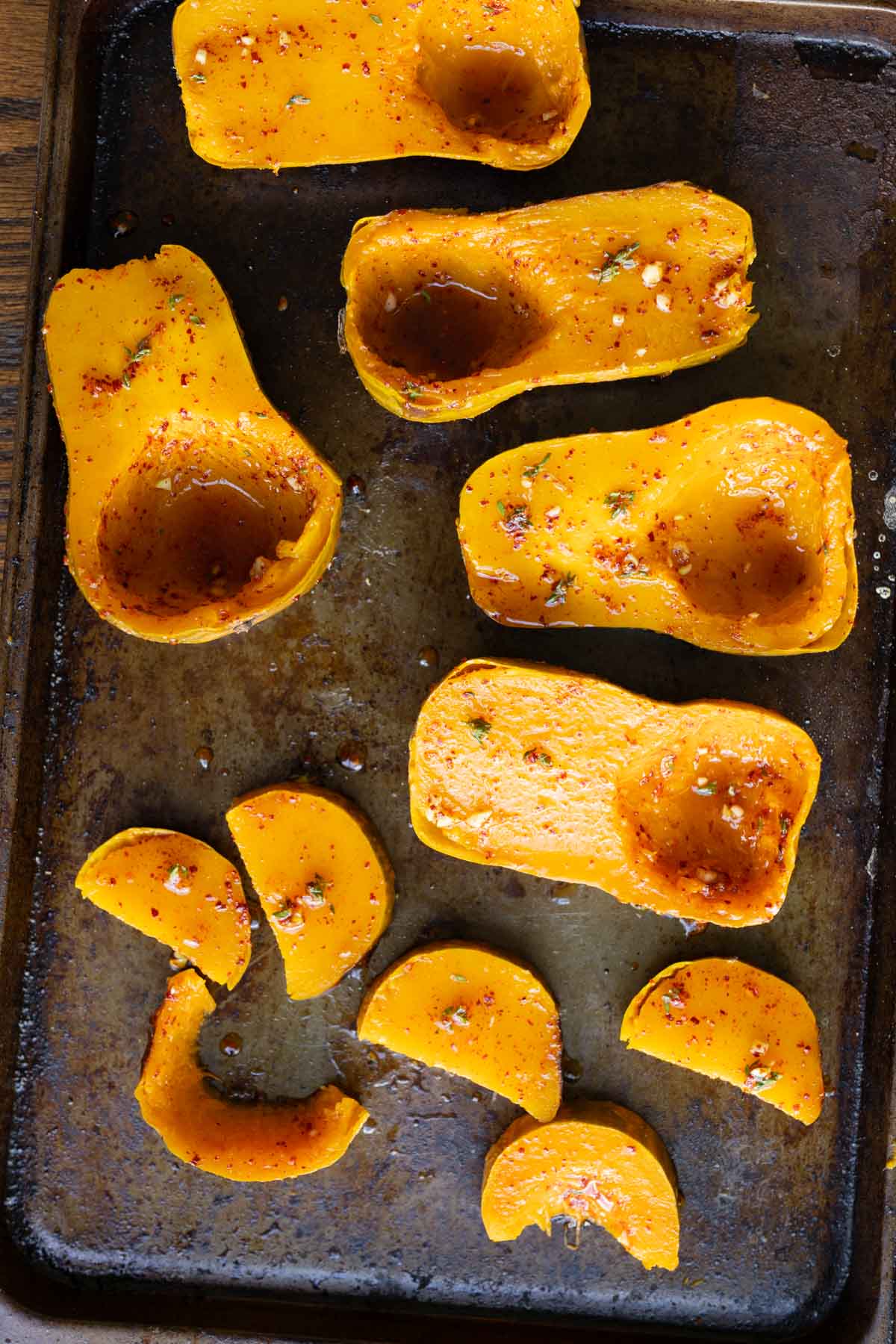
The application of a glaze composed of maple syrup, Dijon mustard, Aleppo pepper, and fresh thyme creates a complex flavor profile that bridges the gap between sweetness and acidity. The heat application at 500°F (260°C) during the final stage of roasting facilitates rapid surface caramelization. This process is essential for transforming the natural sugars in the honeynut squash into a deeper, more savory profile, effectively mitigating the common critique that roasted winter squashes can be overly one-dimensional in flavor.
Culinary Chronology and Preparation Methodology
The assembly of this dish follows a deliberate, time-efficient protocol designed for modern home kitchens. The standard preparation timeline is as follows:
- Initial Thermal Processing (0–30 minutes): Whole honeynut squashes are brushed with olive oil and roasted at 425°F. This step is designed to tenderize the dense flesh of the squash, which can be difficult to manage when raw.
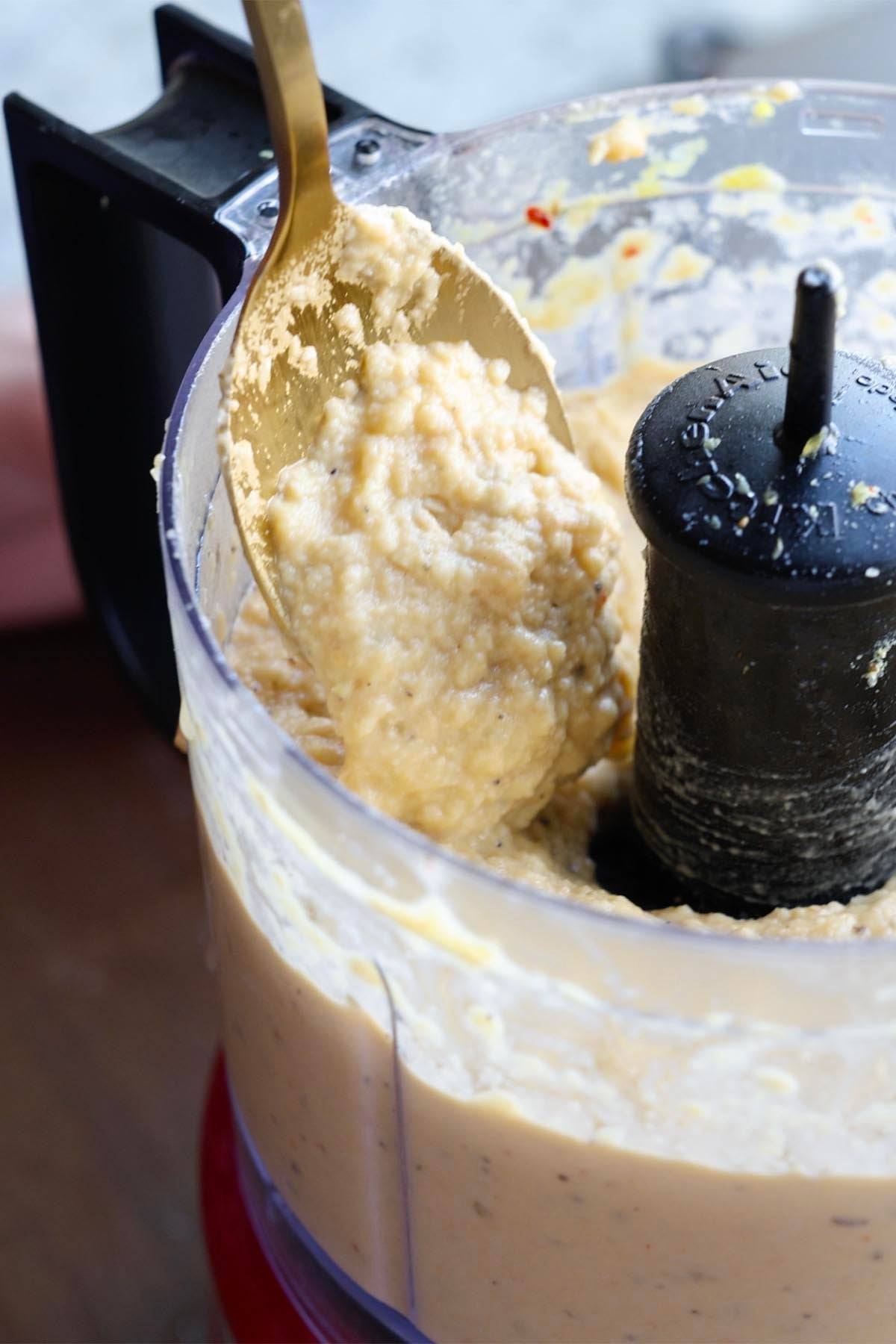
- Component Synthesis (10–20 minutes): While the squash undergoes its primary roast, the chickpea whip is prepared. Chickpeas are processed with lemon zest, herbs, and seasonings until a smooth, whipped consistency is achieved. This step requires careful monitoring to ensure the emulsion reaches the desired level of creaminess without excessive liquid.
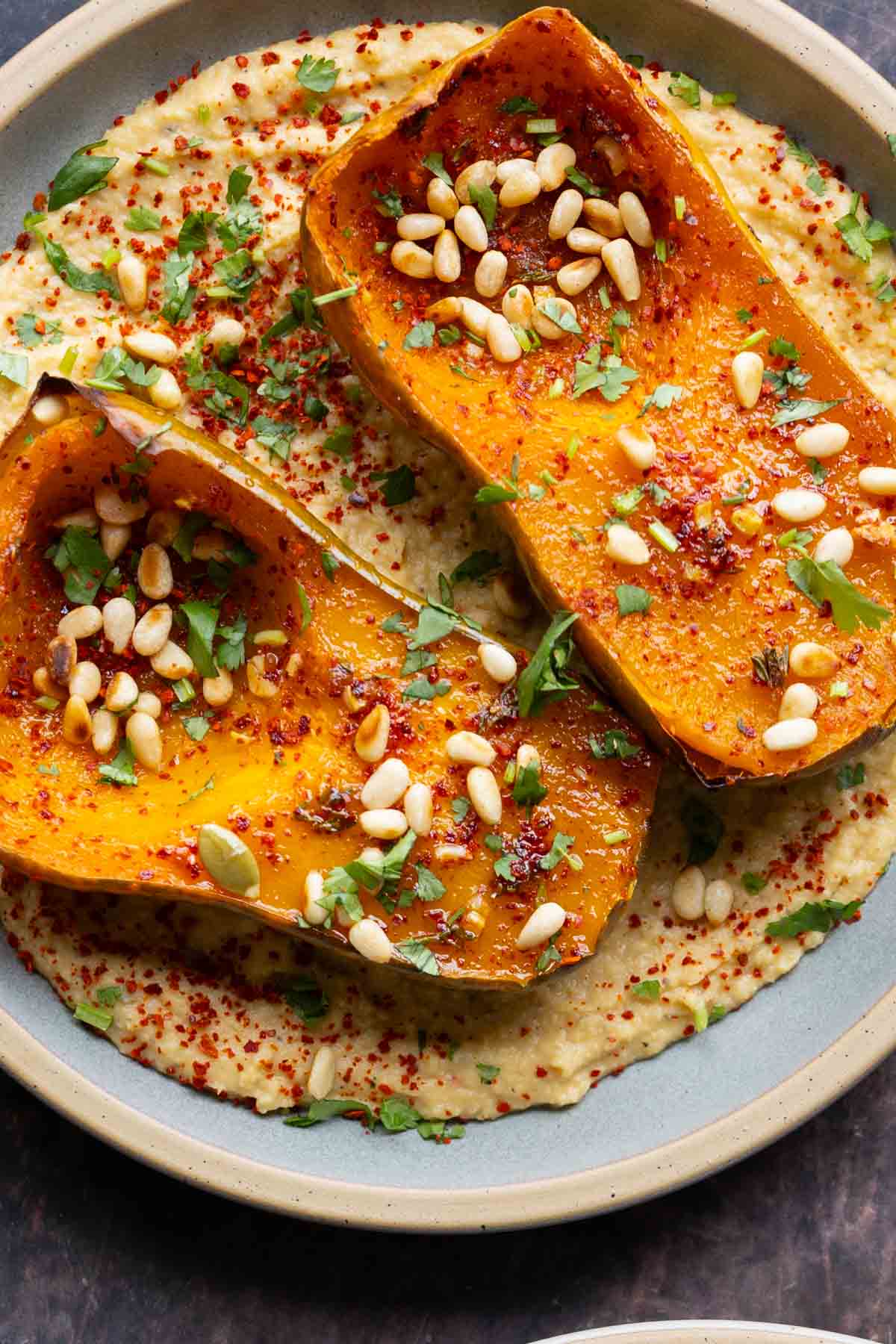
- Glazing and Finishing (10–15 minutes): After cooling, the squashes are sliced, seeded, and brushed with the maple-Dijon mixture. The second bake at a higher temperature ensures optimal texture and flavor development.
- Final Assembly: The dish is plated by layering the whipped chickpeas as a base, followed by the glazed squash, and topped with toasted pine nuts and fresh herbs.
Industry Trends in Plant-Based Dining
The popularity of this dish reflects broader trends in the culinary industry, specifically the move away from processed meat substitutes toward whole-food, plant-forward preparations. Retailers and professional chefs have noted an increasing demand for recipes that highlight seasonal produce while offering high protein counts.
Market analysts suggest that the "vegetable-as-a-centerpiece" model—where the plant is the primary focus of the meal rather than a side dish—is a primary driver for the increased consumer interest in squash-based entrees. The versatility of the recipe, which allows for soy-free and nut-free modifications, caters to a growing demographic of consumers with specific dietary restrictions, further widening the appeal of such preparations.
Supporting Ingredients and Variations
The flexibility of the dish is a key factor in its widespread adoption. While the primary recipe calls for pine nuts to add a buttery, textural contrast, culinary experts note that other additions can be used to meet specific budgetary or flavor preferences. Toasted pumpkin seeds, for instance, offer a similar nutritional density while adhering to a more localized, sustainable sourcing model.
Furthermore, the integration of supplementary grains such as quinoa or farro, or the inclusion of fermented sides like gochujang-marinated tempeh, allows for further protein augmentation. This adaptability makes the dish not just a seasonal anomaly, but a flexible template for balanced, high-nutrition meals throughout the year.
Economic and Sustainability Considerations
The reliance on squash as a staple crop has significant implications for food sustainability. As a shelf-stable, hardy vegetable, the honeynut squash has a lower environmental footprint compared to high-water-demand crops or animal-based proteins. The use of chickpeas as a secondary staple also aligns with global sustainability goals, as legumes are known for their nitrogen-fixing properties, which improve soil health in agricultural cycles.
From an economic perspective, this dish utilizes accessible, affordable ingredients. The ability to source these items in bulk, combined with their long shelf-life, makes this recipe a model for cost-effective, high-nutrition meal planning.
Expert Perspectives on Nutrient Density
Nutritionists have frequently commented on the efficacy of combining complex carbohydrates with plant-based proteins. The "Lemon Chickpea Whip" serves not only as a flavor conduit but as a significant protein vehicle. By whipping the chickpeas, the surface area of the protein is increased, and the addition of acidity from the lemon aids in the absorption of iron found in the legumes. This synergy of ingredients demonstrates a sophisticated approach to plant-based nutrition that goes beyond mere ingredient substitution.
Conclusion: A Shift in Seasonal Consumption
The Maple-Dijon Roasted Honeynut Squash with Lemon Chickpea Whip represents a mature stage in the evolution of plant-based cooking. By focusing on flavor chemistry, nutritional balance, and accessible preparation methods, the dish provides a comprehensive answer to the demand for high-protein, plant-based dinner options. As the culinary sector continues to prioritize seasonal, whole-food ingredients, dishes that bridge the gap between traditional comfort food and modern nutritional standards are likely to remain at the forefront of the gastronomic conversation.
The implications for home cooking are clear: with the right application of heat, seasoning, and texture, simple agricultural products can be elevated to satisfy the nutritional and sensory requirements of a diverse, health-conscious public. Whether served as a stand-alone entree or as a sophisticated side dish, the marriage of roasted squash and whipped chickpeas serves as a testament to the potential of plant-forward culinary arts.