A new era for US health: Examining the intersection of the MAHA movement and MAGA agricultural policy

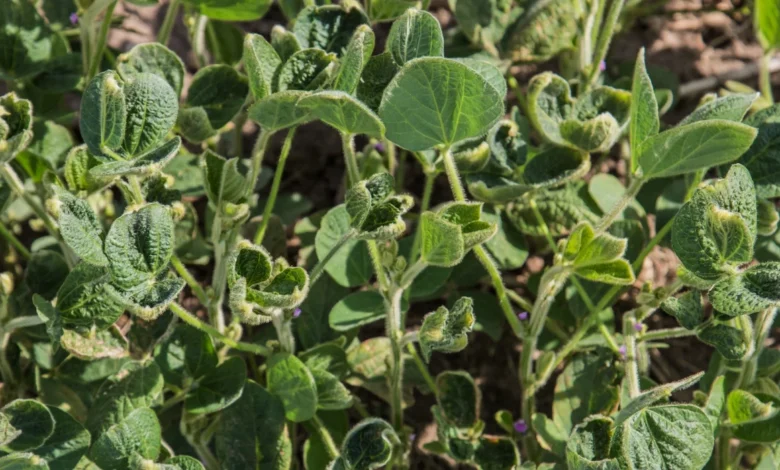
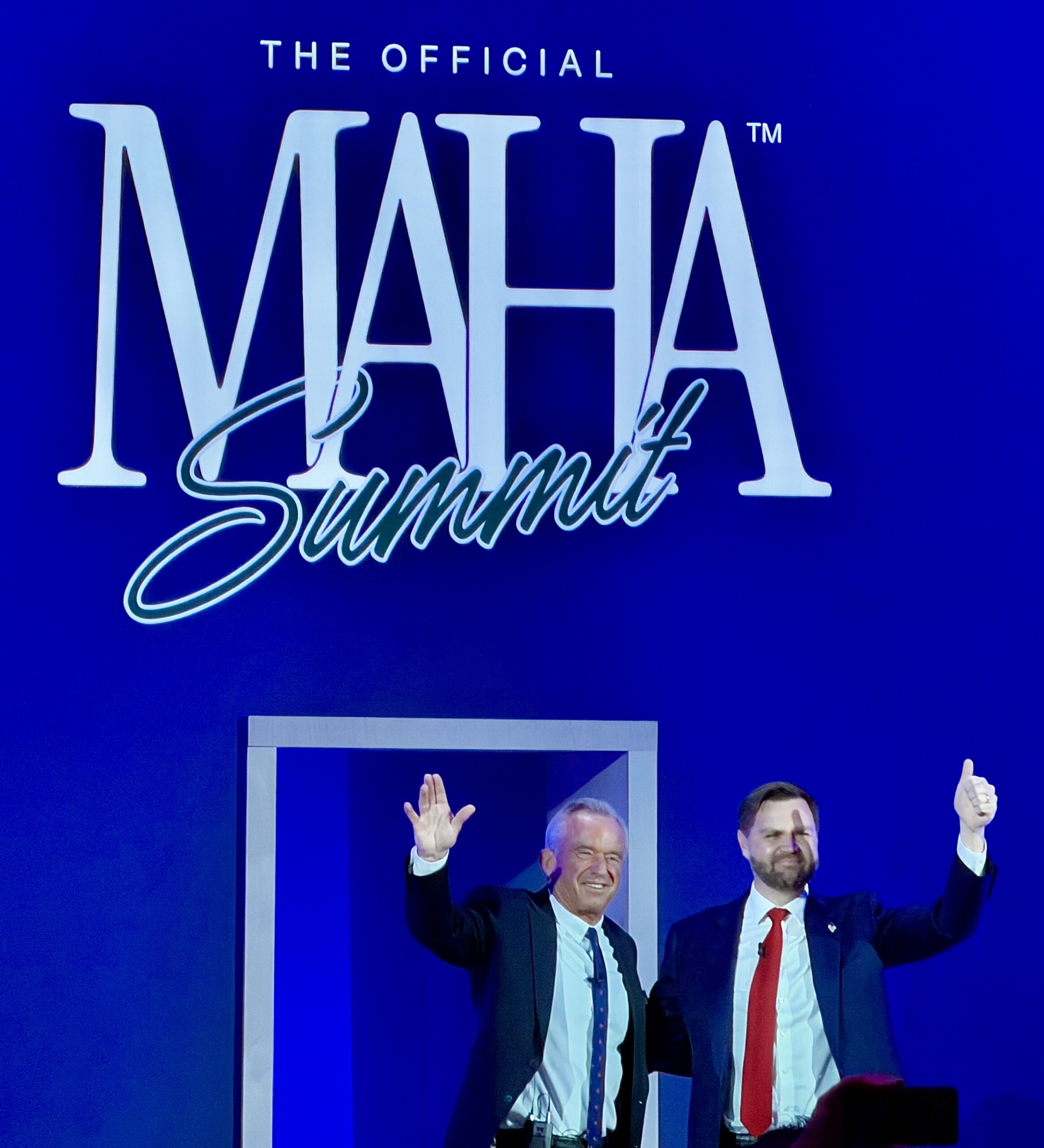
The landscape of American public policy shifted dramatically during the 2024 presidential election cycle as issues previously confined to niche environmental circles—specifically the impact of herbicides, ultra-processed foods, and synthetic toxins—migrated to the center of national political discourse. This transformation was largely spearheaded by the Make America Healthy Again (MAHA) movement, an initiative launched by Robert F. Kennedy Jr. during his independent presidential campaign. By mirroring the branding of Donald Trump’s Make America Great Again (MAGA) platform, Kennedy successfully forced a dialogue about the nation’s systemic health crisis, linking rising rates of chronic disease to the pervasive presence of agricultural chemicals and the prevalence of ultra-processed food consumption.
When Kennedy suspended his independent bid and endorsed Donald Trump in August 2024, the MAHA agenda was formally integrated into the broader Trump administration platform. Supporters initially interpreted this as a catalyst for sweeping regulatory change, anticipating a crackdown on the industrial food system and a shift toward more sustainable, toxin-free farming practices. However, halfway through the administration’s term, the intersection of MAHA’s health-focused idealism and the MAGA mandate for national economic independence has created a complex, often contradictory policy environment. As federal agencies weigh public health concerns against the perceived imperatives of national security and domestic manufacturing, the original promise of a systemic overhaul of the American food system appears increasingly sidelined.
A Chronology of Policy Shifts
The trajectory of the administration’s agricultural policy can be traced through several critical turning points that illustrate the friction between the MAHA vision and the established industrial agriculture model.
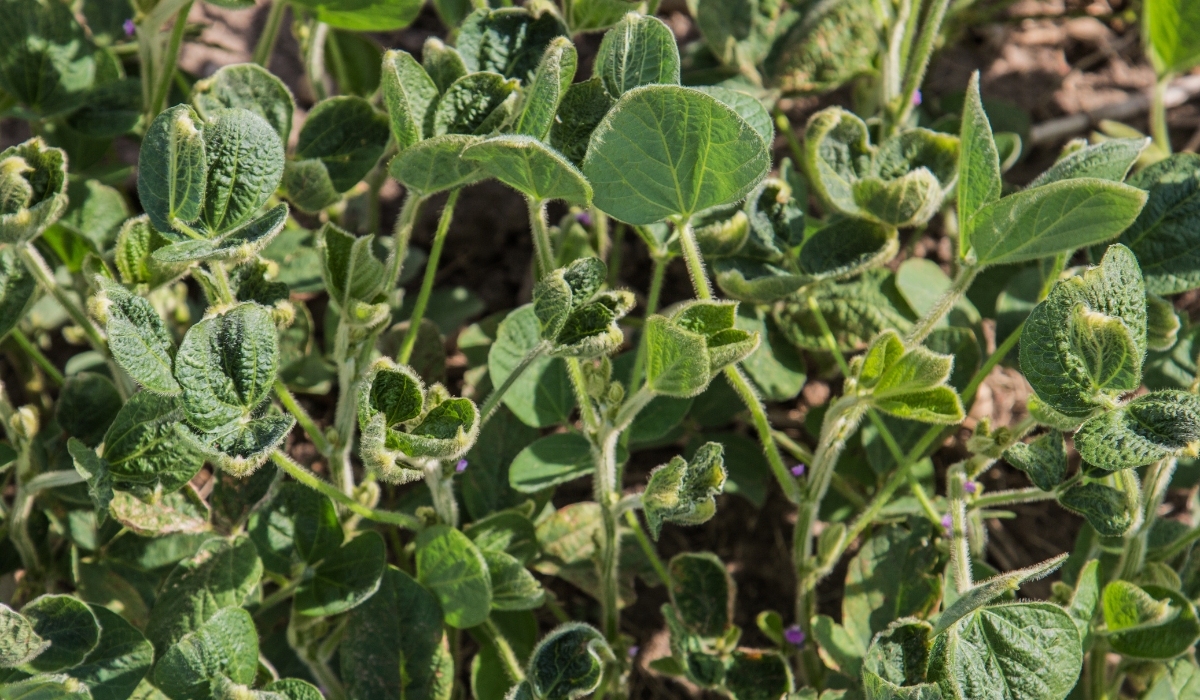
In early 2024, the Environmental Protection Agency (EPA) faced a significant legal challenge regarding the use of dicamba, a volatile herbicide. A federal court ruled that the EPA had failed to adequately assess the risks of dicamba "drift," a phenomenon where the herbicide travels beyond target crops, causing widespread damage to neighboring fields, sensitive ecosystems, and non-resistant plant species. The ruling effectively halted the registration of the herbicide, which was widely seen as a victory for independent farmers and environmental advocates.
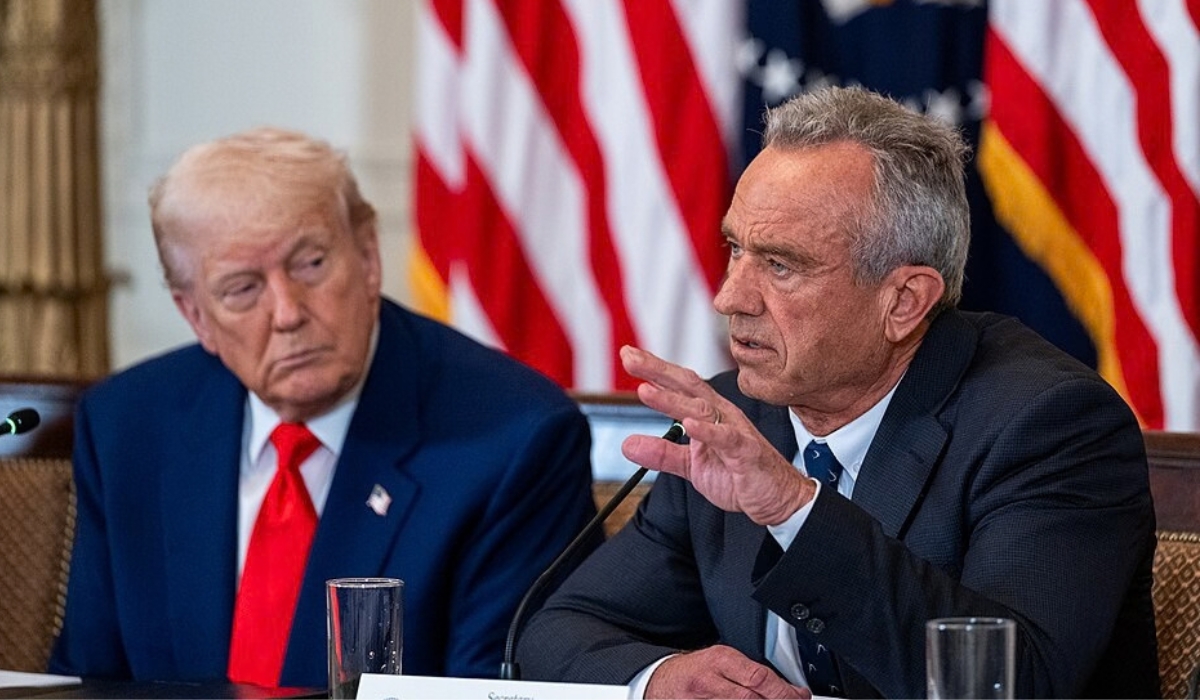
However, the political winds shifted rapidly following the 2024 election. By 2026, the administration moved to restore the widespread use of dicamba. In a move that surprised many observers, the EPA issued new registrations for dicamba-tolerant soybean and cotton crops, arguing that enhanced buffer zones and specific temperature-based application restrictions would mitigate previous risks. Critics, including the Center for Food Safety, characterized this reversal as a betrayal of the administration’s campaign-era rhetoric, suggesting that corporate interests had regained influence over regulatory oversight.
The most decisive moment in this policy evolution occurred in February 2026, when the Trump administration invoked the Defense Production Act (DPA) to classify domestic glyphosate production as a matter of national security. This maneuver effectively insulated the production of the world’s most widely used herbicide from standard regulatory hurdles. By framing the herbicide as a strategic asset—similar to energy or defense technology—the administration signaled that the existing industrial farming paradigm was not merely accepted, but essential to the nation’s geopolitical stability.
The Strategic Framing of Agricultural Chemicals
To understand why the administration chose to protect the industrial farming model, one must look at the intersection of agricultural economics and the MAGA doctrine of national resilience. The United States, while a leading producer of agricultural outputs, remains heavily dependent on global supply chains for the precursor chemicals required to manufacture herbicides like glyphosate. Significant volumes of these materials are imported from China.
As the administration sought to decouple from Chinese supply chains and reduce foreign trade dependency, agricultural inputs were reclassified. The logic is straightforward from a bureaucratic standpoint: to maintain high-yield domestic food production, the infrastructure supporting that production—including agrochemical manufacturing—must be secured against external shocks or international trade disputes. Consequently, the EPA’s mandate has shifted from primarily environmental and health-based risk management to a dual-purpose strategy that prioritizes supply chain sovereignty.
This framing presents a significant hurdle for MAHA proponents. For many of Kennedy’s supporters, the goal was a move away from chemical-intensive agriculture. Instead, they find themselves in a system where the government is actively bolstering the chemical industry to ensure the continuity of monoculture-based food production.
Data and Environmental Implications
The reliance on industrial monocultures is statistically significant. According to United States Geological Survey (USGS) data, tens of millions of hectares of American farmland are dedicated to corn, soy, and cotton production, all of which are heavily dependent on synthetic herbicide programs. This reliance creates a feedback loop: as weeds develop resistance to chemicals like glyphosate and dicamba, the volume and potency of chemical applications often increase.
The ecological cost of this model is increasingly well-documented. Research published in various environmental journals indicates that the loss of biodiversity and the degradation of soil health are direct byproducts of chemical-dependent monocultures. Soil, when stripped of natural microbial diversity and organic matter through intensive chemical use, becomes less resilient to climate-induced stresses, such as the severe droughts and floods that have impacted the American Midwest in recent years.
Critics argue that by doubling down on these technologies, the administration is ignoring the systemic risks posed by climate change. If the food system is built on a foundation of chemical inputs that are vulnerable to price spikes and supply chain disruptions, it is inherently less resilient than one built on regenerative practices that leverage natural ecological controls, such as crop rotation and soil carbon sequestration.
Official Responses and Public Sentiment
The divergence between campaign promises and administrative action has created a palpable frustration among the grassroots movement that fueled the initial MAHA surge. Public statements from figures within the movement have grown increasingly critical of the EPA’s recent decisions. The argument from the administration, conversely, emphasizes the necessity of maintaining current yield levels to prevent food inflation and preserve global export competitiveness.
From the perspective of the EPA, the "tighter safeguards" implemented alongside the re-approval of dicamba represent a compromise. The agency maintains that it has struck a balance between agricultural efficiency and environmental protection. However, environmental scientists argue that "buffer zones" are insufficient to stop the physical movement of volatile chemicals in increasingly unstable weather conditions.
Future Outlook and Systemic Risks
As the administration looks toward the remainder of its term, the tension between the promise of a "health-first" food policy and the reality of industrial agricultural requirements will likely persist. The central question remains: can the United States achieve true national resilience by relying on a chemical-dependent food system?
The argument for a paradigm shift is gaining traction among agricultural economists who warn that the next "supercharged" El Niño or other climate-driven events could expose the fragility of the current model. These experts suggest that true resilience will not be found in the securing of agrochemical supply chains, but in the transition to farming systems that can absorb shocks through healthier, more diverse landscapes.
Ultimately, the first half of the administration’s term has demonstrated that the influence of a single-issue movement, however popular, is often tempered by the structural weight of an established agricultural-industrial complex. While the rhetoric of "Healthy America" opened the door to a national conversation, the policy outcomes have thus far favored the status quo. For the administration, the challenge remains to prove that its current strategy—prioritizing national security through the protection of established chemical-heavy farming—will provide the stability and health outcomes that the American public was promised. Whether this approach leads to a future-proofed food system or merely delays a necessary, more radical transformation of the agricultural sector remains the subject of intense debate.