The global movement toward sustainable agriculture has reached a critical inflection point, marked by a whirlwind of international engagements, policy debates, and grassroots mobilization over the past thirty days. Patrick Holden, CEO of the Sustainable Food Trust (SFT), has spent this period traversing the globe to bridge the gap between academic theory, corporate strategy, and on-the-ground farming realities. From the coastal classrooms of Ireland to the high-level policy summits of New York and the historic streets of Turin, the narrative remains consistent: the world is witnessing a structural shift in how food systems are perceived and managed.
A New Generation of Stewards: The Ballymaloe Initiative
The month began in Ireland, where the demand for a return to agrarian roots was on full display at Ballymaloe. Darina Allen, a seminal figure in the culinary world, hosted the inaugural six-week Food and Farming course, which drew a demographic predominantly comprised of individuals in their 20s and 30s. This cohort, often stereotyped as digital natives disconnected from the land, is increasingly prioritizing manual food production and ecological stewardship.
Data from the school suggests that interest in such specialized education has outpaced capacity, resulting in a substantial waiting list. This trend aligns with broader global statistics from the Food and Agriculture Organization (FAO), which notes an increasing influx of younger, tertiary-educated individuals entering the primary production sector—a phenomenon experts attribute to heightened climate anxiety and a desire for localized, resilient food security.
Harmony in Food and Farming: The Scottish Convening
From Ireland, the focus shifted to Scotland, where The King’s Foundation, in collaboration with the SFT and the Circular Bioeconomy Alliance (CBA), hosted a high-level summit on "Harmony in Food and Farming." The event served as a nexus for policymakers and industry leaders, including Defra Secretary of State Angela Eagle and author Chris van Tulleken.
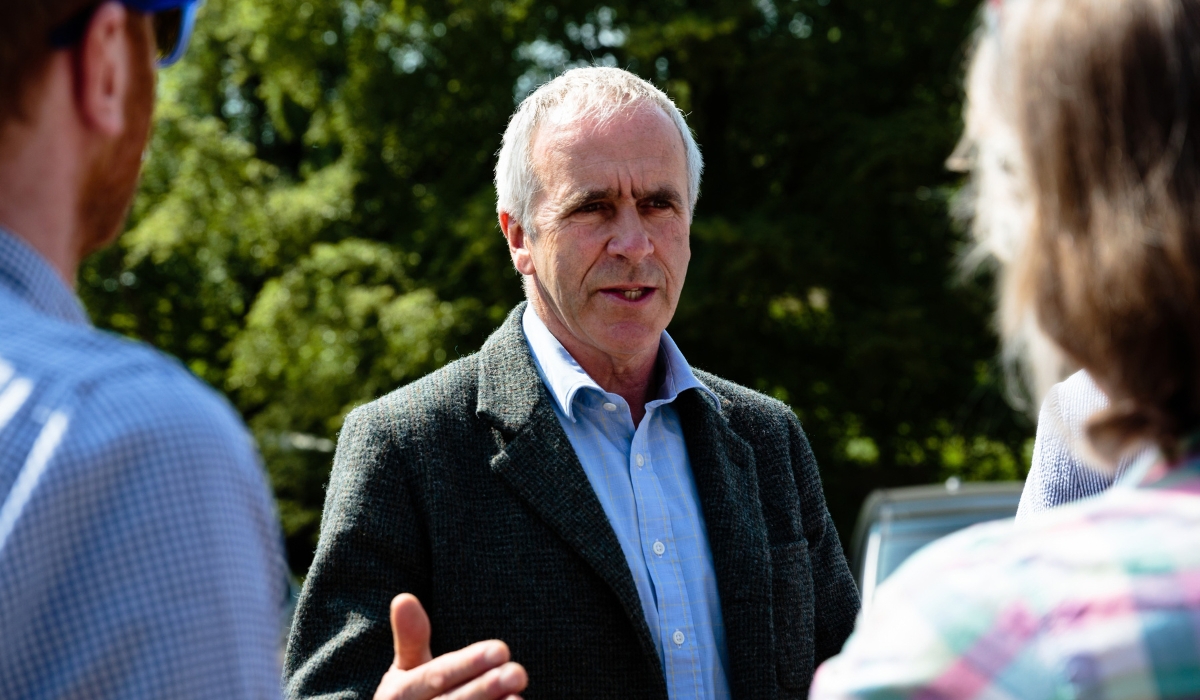
The presence of van Tulleken, whose research into ultra-processed foods (UPFs) has catalyzed a global dialogue on nutritional health, highlighted the urgency of shifting food production away from industrial, additive-heavy models. For the corporate attendees present, the conversation was framed by the growing necessity of transitioning to nature-friendly practices. However, the discourse also revealed a significant "terminology gap." While many food retailers have adopted the term "regenerative agriculture," the lack of a standardized, legally recognized definition remains a hurdle. Many UK farms currently market themselves as regenerative while continuing to rely on synthetic fertilizers and pesticides—most notably glyphosate—creating confusion for consumers and an environment susceptible to greenwashing.
The Transatlantic Debate: Real Organic and the Future of Certification
Transitioning to the United States, the dialogue took a more critical turn at the Real Organic conference in upstate New York. Joining a panel with Eliot Coleman, a foundational figure in American organic horticulture, the discussion centered on the potential tension between the established organic movement and the emerging regenerative trend.
The primary concern among stakeholders is whether "regenerative" will function as a complement to existing organic standards or as a lower-bar alternative that dilutes consumer trust. The consensus emerging from the panel was that the solution lies in radical transparency through data. The SFT’s Global Farm Metric (GFM) was positioned as a potential solution, offering a common language to measure outcomes across climate, biodiversity, and human health. By quantifying the impact of farming practices, the industry can move beyond subjective labeling and provide consumers with empirical evidence of the environmental and social costs—or benefits—of their purchases.
Climate Week and the Expansion of Beacon Farms
Following the conference, the focus moved to New York City for Climate Week, where the Sustainable Markets Initiative (SMI) provided a platform to discuss the SFT’s "Beacon Farms" project. The initiative, which highlights farms that serve as models for sustainable, circular, and regenerative practices, is currently scaling up. With approximately 50 established sites in the UK and a successful launch in Ireland earlier this summer, the SFT confirmed plans to expand the project into the United States.
The partnership with the SMI marks a strategic move to integrate small-scale sustainable excellence into global supply chains. By connecting these farms to a wider network, the project aims to demonstrate that regenerative systems are not merely niche or experimental, but viable commercial models that can thrive at scale. This expansion reflects a growing recognition among financial institutions and global markets that the long-term viability of the food supply chain is inextricably linked to the health of the soil and the biodiversity of the ecosystem.

Terra Madre: The Global Call for Biodiversity
The final leg of the month took place in Turin, Italy, at Terra Madre, the premier global gathering of the Slow Food movement. The event, which saw massive public participation, served as a poignant tribute to the late Carlo Petrini, the movement’s visionary founder. The scale of the event—drawing hundreds of thousands of attendees—underscored the sheer momentum of the global sustainable agriculture movement.
Amidst the celebration of biodiversity, the tone was one of sober urgency. The loss of agricultural genetic diversity and the threat of climate-driven instability were central themes. Messages of support, including one from King Charles, emphasized that the transition to sustainable farming is no longer just a trend, but a matter of international security and peace.
Implications and the Path Forward
The events of the past month demonstrate that the transition to a sustainable food system is accelerating, yet it remains fragmented. The primary challenge identified across these diverse forums is the need for a unified metrics framework. Without a common, rigorous standard to define "sustainability" and "regeneration," the movement risks being co-opted by marketing interests.
- Standardization: The industry is moving toward a tipping point where voluntary reporting will likely be replaced by mandatory disclosure, as seen in the increasing pressure on retailers to verify the environmental credentials of their supply chains.
- Generational Shift: The influx of young people into farming and food production is changing the political landscape of agriculture, shifting the focus from yield-at-all-costs to long-term ecological resilience.
- Technological Integration: While the movement emphasizes traditional, natural methods, there is an increasing reliance on data analytics—such as the Global Farm Metric—to provide the evidence base required to convince policymakers and investors.
The observations made by Patrick Holden during this period suggest that the barriers to entry for regenerative farming are lowering, even as the bar for performance is being raised. As the SFT prepares to export its Beacon Farms model to the US, the emphasis will remain on transparency. The goal is to ensure that when a consumer purchases a product, they are provided with an accurate accounting of the land’s health, the carbon impact of the production process, and the social equity of the supply chain.
As the global food system faces the dual pressures of climate change and shifting consumer demand, the activities of the past month indicate that the solutions are not found in a single policy or a single region. Instead, the future of food depends on the synthesis of traditional knowledge, robust data measurement, and the scaling of successful, localized models. Whether this will be sufficient to mitigate the worst impacts of industrial agricultural degradation remains the defining question of the decade, but the intensity and diversity of the voices currently working toward this transition suggest a growing, and perhaps unstoppable, resolve.
Related posts: