California Factory Farm Gas Systems Face Scrutiny Over Carbon Accounting and Double Counting Practices

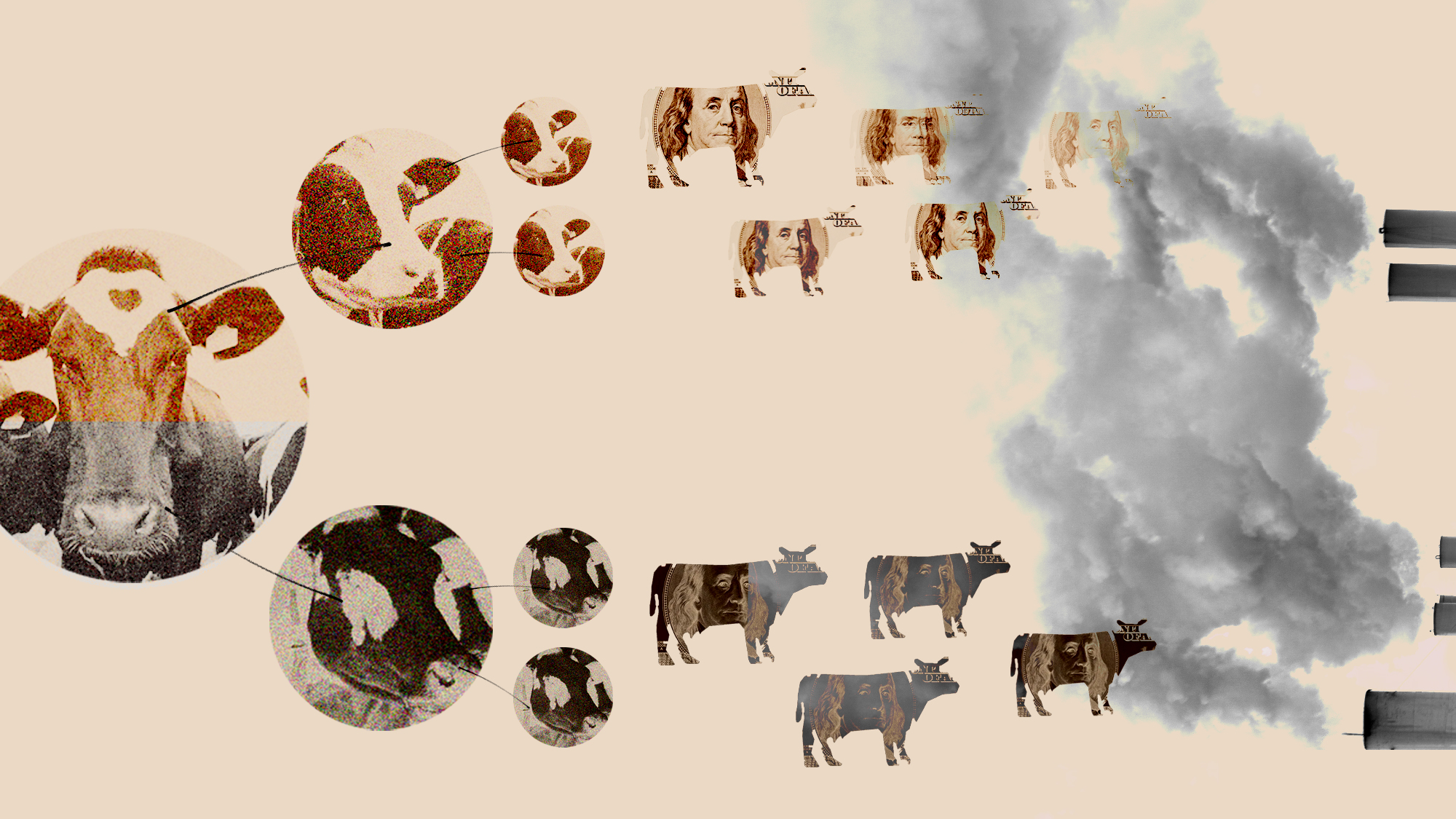
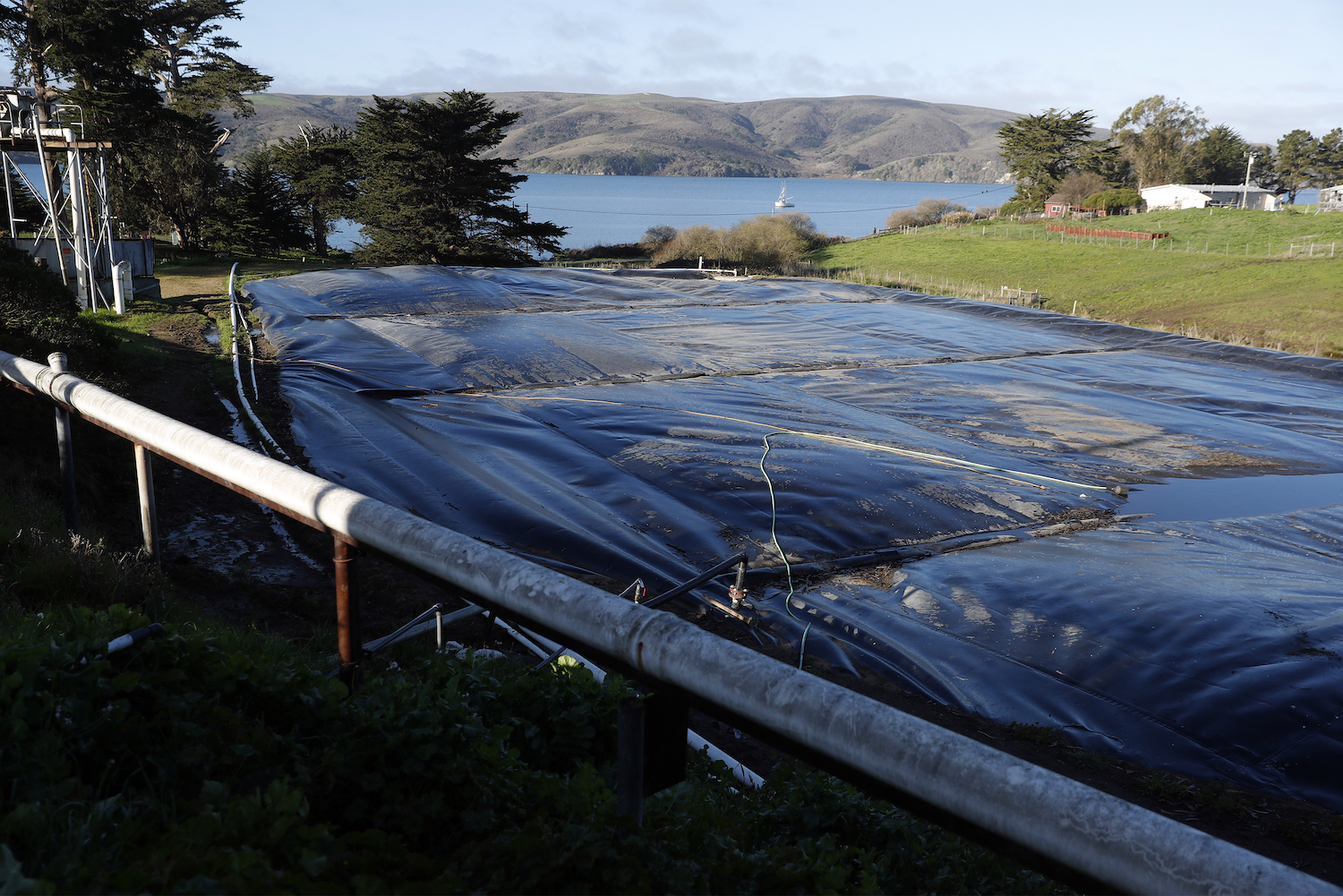
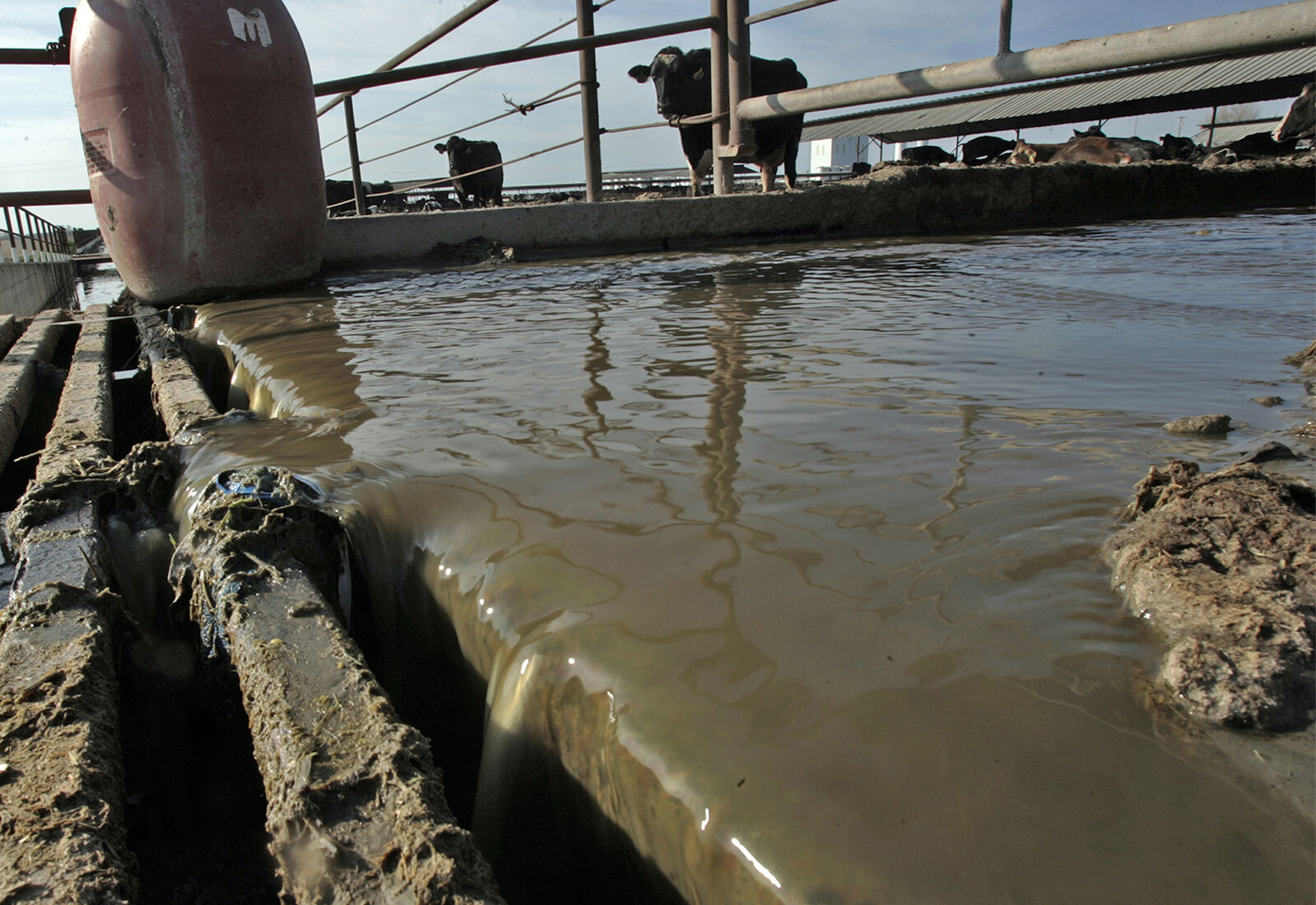
California’s ambitious climate agenda has long positioned the state as a global leader in environmental policy, particularly in its efforts to curb greenhouse gas emissions and transition toward renewable energy. Central to this strategy are policies targeting methane—a short-lived climate pollutant with a warming potential significantly more potent than carbon dioxide over a 20-year timescale. Dairy farms across the Golden State are responsible for emitting hundreds of thousands of tons of methane annually, primarily through the storage of livestock manure in sprawling open-air lagoons. To mitigate these emissions, the state has aggressively incentivized the installation of manure methane capture systems, commonly known as anaerobic digesters.
However, a complex web of overlapping regulatory frameworks has sparked intense debate among environmental lawyers, policy analysts, and state regulators. At the heart of the controversy is a peculiar greenhouse gas accounting mechanism: California is simultaneously crediting the emissions reductions achieved by dairy digesters toward sectoral agricultural targets and leveraging the exact same projects to lower the carbon intensity of its transportation fuels. Critics argue that this practice constitutes classic double counting, artificially inflating the state’s progress toward its climate goals and creating perverse financial incentives that could inadvertently encourage the expansion of industrial-scale dairy production.
The Mechanics of Dairy Methane Capture and State Subsidies
The state’s approach to dairy methane relies heavily on financial assistance programs designed to offset the steep capital costs of installing anaerobic digesters. These tall, silo-like structures trap methane emissions from manure before the gas can escape into the atmosphere. The captured biogas is then typically purified and converted into biomethane, which is injected into commercial natural gas pipelines to be utilized as a vehicle fuel.
To accelerate the adoption of this technology, the California Department of Food and Agriculture (CDFA) has doled out millions of dollars in grants. For instance, in 2018, the agency awarded a $1.9 million grant to Calgren Dairy Fuels to establish a methane digester at the Vander Poel Dairy in Tulare County, a massive operation housing approximately 11,000 cattle. State agricultural officials estimated that this single project would prevent the release of 290,000 metric tons of carbon dioxide equivalent (CO2e) over a ten-year lifespan—an impact roughly equivalent to removing 6,250 passenger vehicles from the road over the same period.
While such grants provide the initial capital required for construction, the long-term financial viability of these systems depends heavily on ongoing operational incentives. This is where California’s broader climate architecture enters the picture, intersecting multiple regulatory programs that govern different sectors of the state’s economy.
The Low Carbon Fuel Standard and Negative Carbon Scores
The primary economic engine driving the dairy digester boom is the Low Carbon Fuel Standard (LCFS), a regulatory program overseen by the California Air Resources Board (CARB). Launched in 2011, the LCFS aims to progressively reduce the carbon intensity of transportation fuels used within the state. Each year, CARB establishes a declining carbon intensity benchmark for fuel suppliers. Traditional fossil fuels, such as gasoline and diesel extracted via conventional methods or hydraulic fracturing, fail to meet these stringent thresholds and accrue deficits.
Conversely, producers of alternative and renewable fuels can generate and sell LCFS credits if their products fall below the annual carbon intensity target. Each credit corresponds to one metric ton of carbon dioxide saved relative to the standard. This market-based credit trading system is designed to financially reward clean energy producers while penalizing high-emission fuel providers.
For dairy biomethane, CARB applies a specialized "well-to-wheel" analysis that factors in not only the emissions generated when the fuel is burned in a vehicle, but also the lifecycle emissions avoided during its production. Because converting manure methane into pipeline-quality gas prevents a potent greenhouse gas from venting directly into the atmosphere, CARB assigns dairy-derived natural gas a heavily negative carbon intensity score. Under this accounting methodology, the state treats the fuel as if it actively removes carbon from the air, rather than merely contributing fewer emissions than fossil alternatives.
This lucrative framework allows energy companies and dairy operators to generate millions of LCFS credits. According to aggregate regulatory data, manure-based fuels generated over 2.1 million credits in a single recent year, accounting for roughly 10 percent of all credits issued under the program despite representing a relatively minor share of total renewable fuel volumes.
The Controversy Over Double Counting and Additionality
The dual application of these emissions reductions has drawn sharp criticism from legal experts and environmental advocacy groups. When CARB logs the avoided emissions from a project like the Vander Poel Dairy toward the livestock sector’s mandated 2030 methane reduction targets while simultaneously issuing LCFS credits for the exact same molecular output, analysts argue that the state is recording a single climate benefit twice.
"That is a classic case of double counting," said Danny Cullenward, a lawyer and policy director at the non-profit research organization Carbon Plan. "The same ton is counted in two places."
An investigative review of public data identified numerous instances where specific dairy farms received public grants or mitigation funds while simultaneously generating LCFS credits. Critics point out that this overlap violates the core climate principle of "additionality"—the requirement that emissions reductions must be directly attributable to a specific policy mechanism and would not have occurred in its absence. If a dairy digester is already fully funded and constructed through agricultural grants or legal settlements, opponents argue that the LCFS program is not truly incentivizing the emission reduction, but merely handing out windfall profits to projects that would have been built anyway.
Furthermore, environmental attorneys emphasize that the LCFS program is structurally decoupled from physical emissions outcomes. Because the program focuses strictly on lowering the average carbon intensity across the entire fuel pool, total transportation emissions can theoretically rise even as the average carbon intensity metric declines.
The Aliso Canyon Mitigation Intersection
The complexity of California’s climate accounting is further amplified by its interaction with other environmental settlements, most notably the Aliso Canyon Mitigation Agreement. Administered by CARB, this program was established in the wake of the 2015 catastrophe at a SoCalGas underground storage facility in Los Angeles County, which released roughly 109,000 metric tons of methane into the atmosphere—marking one of the largest natural gas leaks in U.S. history.
Under the terms of the mitigation agreement, CARB directed more than $25 million in loans to California dairies to construct anaerobic digesters designed to capture an equivalent amount of agricultural methane, thereby balancing out the climate impact of the Aliso Canyon disaster. Major energy firms such as Chevron and developer California Bioenergy spearheaded these joint ventures in the San Joaquin Valley.
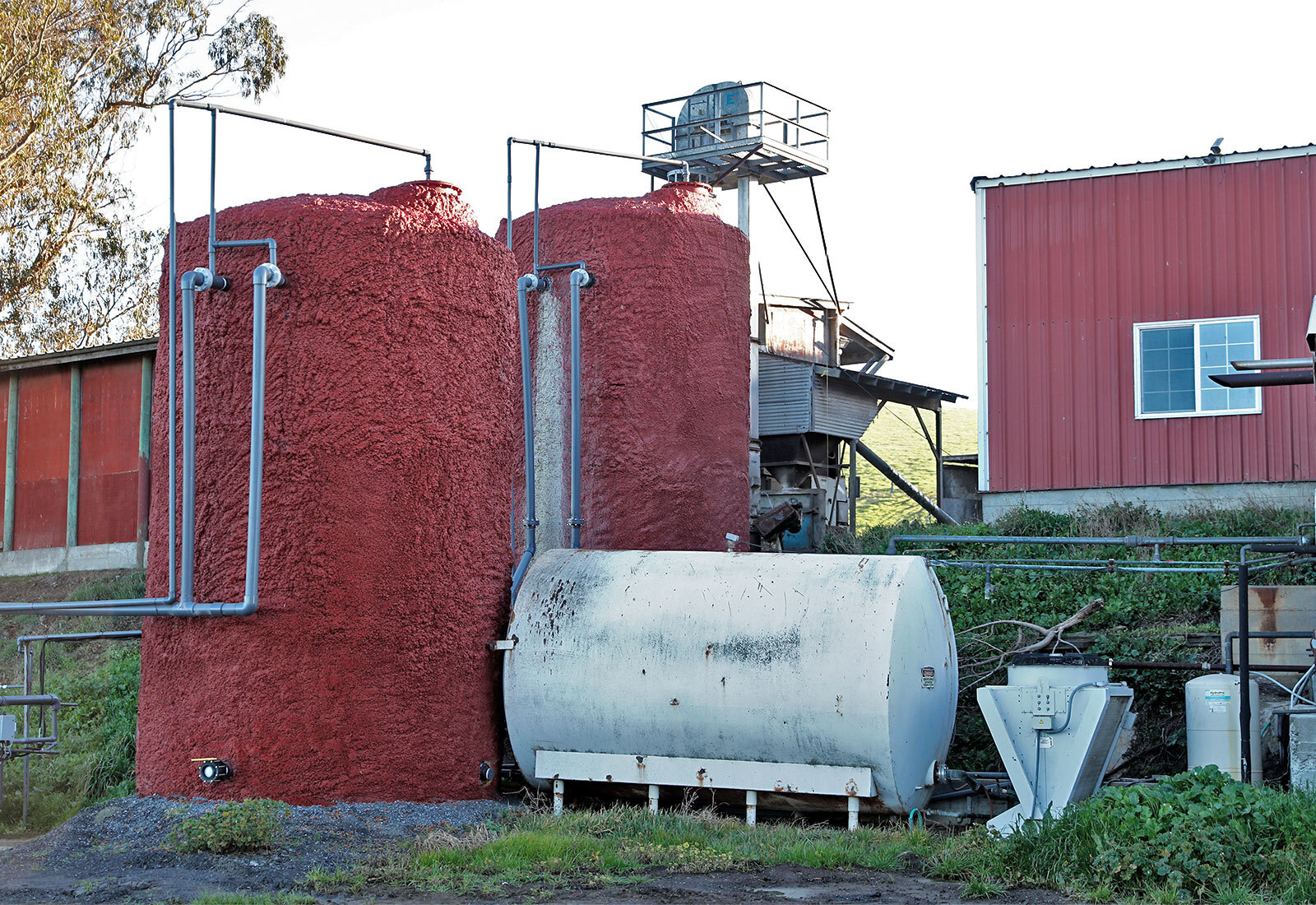
However, legal petitions filed by coalitions of environmental justice organizations and non-profit legal groups, including Public Justice, revealed that these exact Aliso-funded projects are also participating in the LCFS credit market. Petitioners argue that this creates a contradictory outcome: a dairy farm captures methane to fulfill a legal mitigation obligation under Aliso, and then generates LCFS credits that grant fossil fuel buyers the regulatory license to emit higher volumes of greenhouse gases elsewhere. Consequently, the mitigation claims of the Aliso agreement are undermined, as the promised one-to-one offset is effectively canceled out by increased emissions permitted under the LCFS credit structure.
Economic Implications and Industry Defense
For the agricultural and energy sectors, however, the financial stacking of multiple revenue streams is viewed as an absolute necessity. Michael Boccadoro, executive director of the dairy industry coalition DairyCares, has defended the practice, noting that the high capital expenditure and ongoing operational costs of anaerobic digesters make them financially unfeasible under a single funding source.
"It takes the stacking of incentives to make the projects work," Boccadoro stated, reflecting the consensus among industry stakeholders who rely on predictable, long-term returns from carbon markets.
Major energy corporations have embraced these opportunities with enthusiasm. During investor briefings, executives from companies like Chevron have projected that their investments in dairy biomethane will yield double-digit returns in the coming years, driven largely by the advantageous negative carbon intensity scores assigned under California regulations.
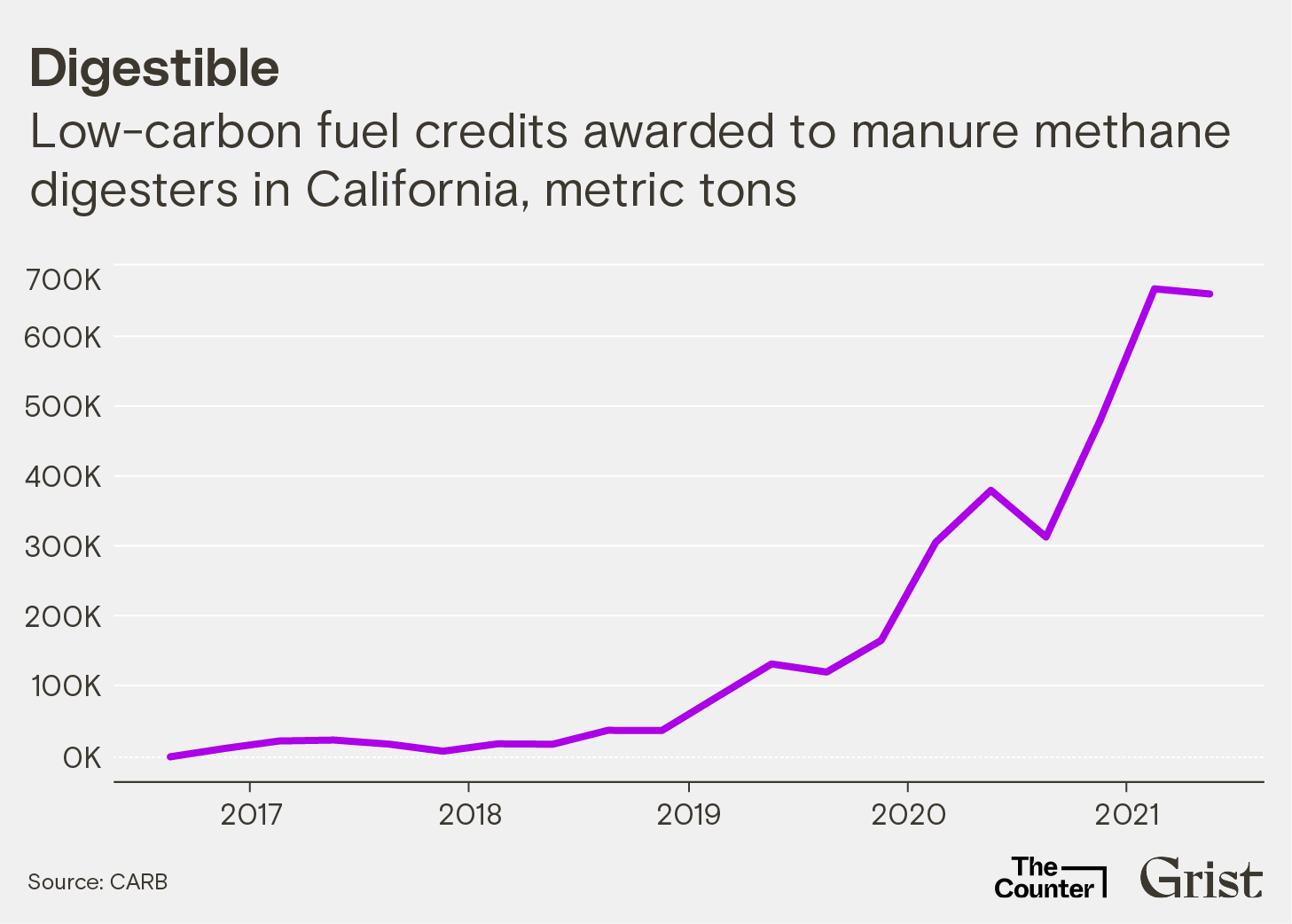
This high profitability, however, introduces a secondary structural risk: the potential for perverse economic incentives. When manure management and methane capture transform from a waste disposal challenge into a lucrative revenue-generating business, agricultural operators may face indirect market incentives to maintain or expand herd sizes to maximize manure production, running counter to broader long-term ecological goals.
Regulatory Response and Future Outlook
Faced with formal legal petitions demanding the implementation of rigorous additionality tests and the elimination of double-counting practices, CARB has largely defended its administrative approach. In formal responses to environmental groups, the agency maintained that state law does not explicitly mandate an additionality standard for the LCFS program and that overlapping incentives are a common feature of multi-layered regulatory environments designed to transform entire industrial sectors.
Despite mounting pressure from legal advocates and climate scientists calling for structural reforms to ensure that state policies reflect "actual reductions, not paper reductions," CARB denied petitions seeking to overhaul the LCFS accounting methodology, citing ongoing administrative updates to the state’s broader climate strategy.
Meanwhile, the industrial transition steams ahead. State agencies report that dozens of additional dairy digesters are currently under construction across California’s central valleys, with nearly a hundred more projects slated for completion. As these facilities come online and integrate into the state’s carbon credit markets, the debate over the integrity of California’s climate accounting—and the delicate balance between corporate incentives and verifiable atmospheric results—remains a central flashpoint in the future of environmental governance.
Related posts: