Unpacking Identity, Diaspora, and Modernity in Contemporary Jewish Cookbooks


The publication landscape of culinary literature has undergone a significant transformation over the past decade, increasingly intersecting
with complex questions of cultural preservation, assimilation, and ethnic identity. Within this broad trend, contemporary Jewish cookbooks have emerged not merely as instructional guides for the home kitchen, but as profound cultural artifacts. Recently, two New York City-based food journalists and avid cookbook collectors—writer Charlotte Druckman and Eater editor Rebecca Flint Marx—sat down to evaluate five notable Jewish cookbooks published between 2015 and 2021. Their discussion offers a compelling lens through which to examine how modern culinary guides reflect, reframe, and sometimes complicate ideas of Jewishness in the twenty-first century.
Defining the Parameters of Jewish Cuisine in the Diaspora
The core challenge facing authors of Jewish cookbooks is as old as the diaspora itself: defining a cuisine that spans continents, shifts across geopolitical borders, and is influenced by myriad distinct cultures. Jewishness itself defies simple categorization, encompassing religious, cultural, ethnic, and national dimensions. Druckman notes that when analyzing recent additions to the genre, identities frequently overlap. A cookbook can engage with cultural heritage, religious traditions, ethnicity, or the complex psychological proximity many American Jews feel toward Israel.
Because Jewish food traditions are inherently diasporic, they resist rigid boundaries. When chefs and cookbook authors attempt to codify or modernize these traditions, the results can be simultaneously enlightening and frustrating. The recent surge in popularity of Jewish and Israeli cookbooks reflects a broader culinary renaissance that began in the early 2010s, riding the wave of the artisanal food movement. However, this renaissance has also forced a reckoning with how these books project identity back into the mainstream American food landscape.
A Chronological Examination of Modern Jewish Cookbooks
To understand the evolution of the genre, Druckman and Flint Marx examined five distinct publications, tracking how each addresses heritage, geography, and audience expectations.
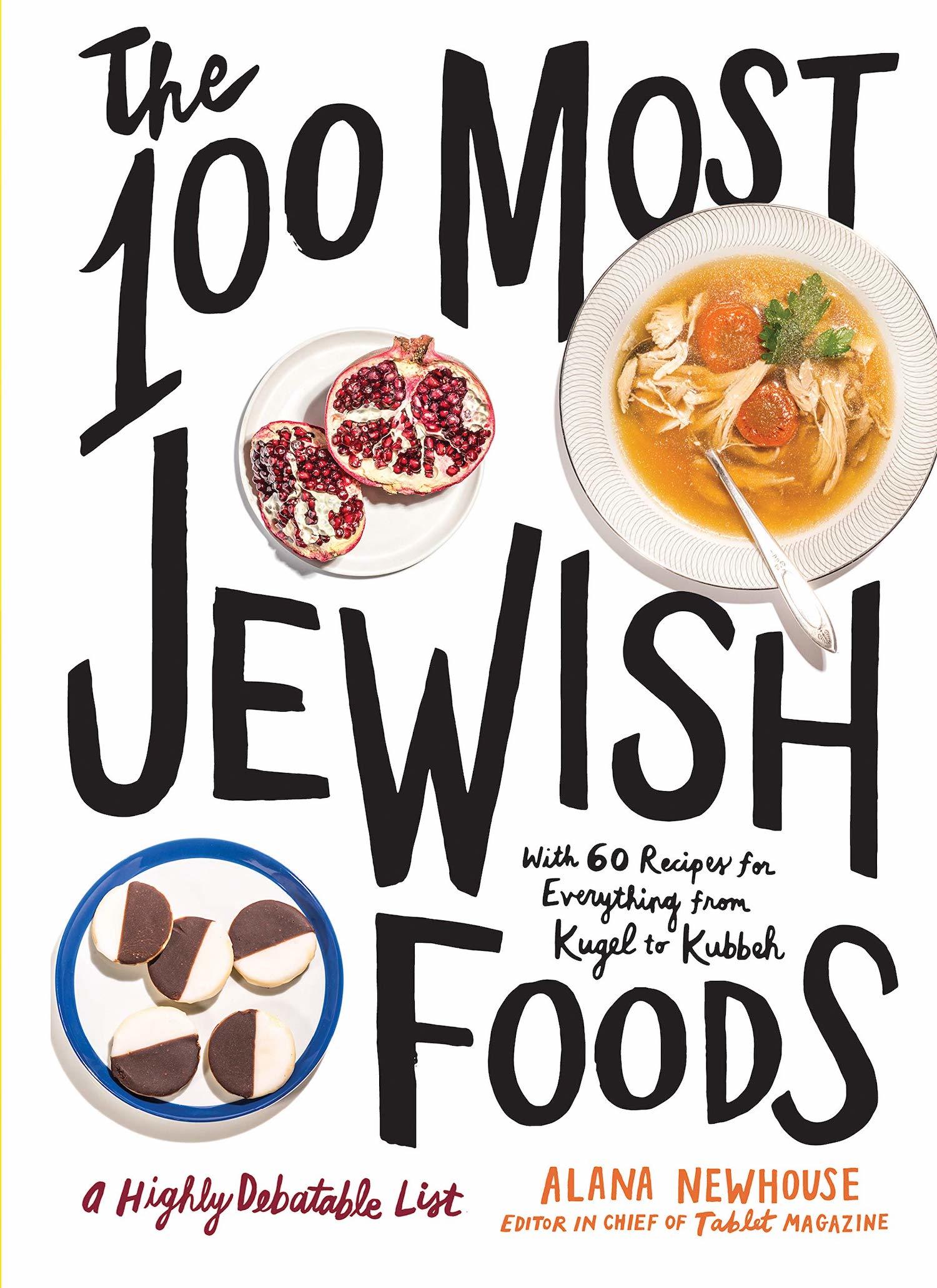
Modern Jewish Cooking (2015) by Leah Koenig
Leah Koenig’s 2015 release is widely viewed as a touchstone for the contemporary revival of interest in traditional Jewish food. Written during a period when the artisanal food movement was driving chefs to "modernize" and "elevate" heritage cuisines, Koenig’s work offered a restrained, elegant approach to Old World traditions like gefilte fish, alongside vegetable-forward dishes such as pan-roasted turnips and fennel gratin.
According to Druckman and Flint Marx, "modern" in this context frequently functioned as a euphemism for "assimilated" into American food culture. While praised for its reliable recipes and avoidance of gimmicks, the book sparked a debate regarding geographic context and anchoring. By addressing an audience already familiar with traditional touchstones, the book assumed a baseline level of cultural literacy, leaving some readers searching for deeper historical or religious context to explain why certain dishes belonged on a Jewish table.
The 100 Most Jewish Foods (2019) by Alana Newhouse
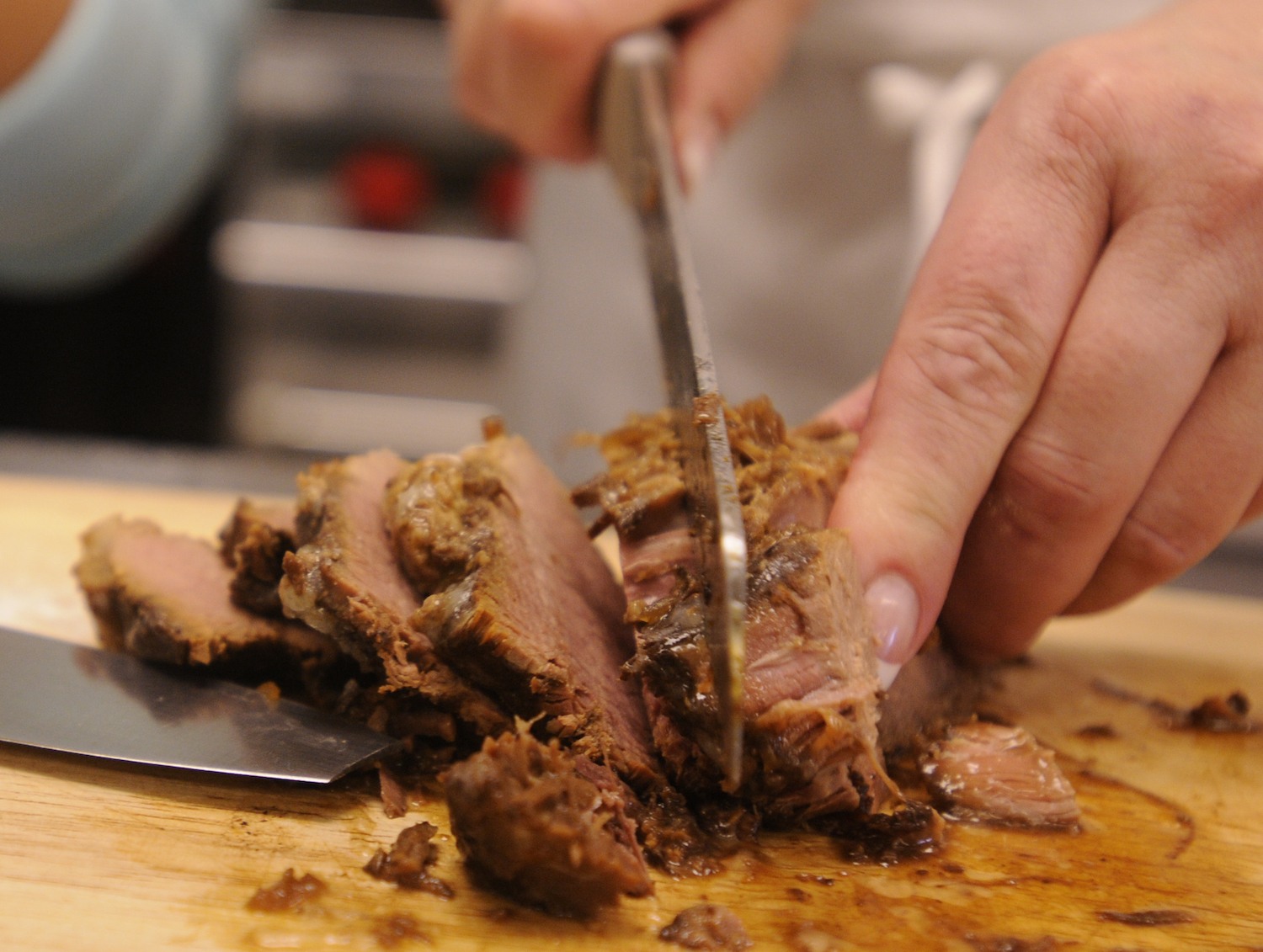
Published by Artisan, this volume challenged the traditional format of a recipe book by presenting a collection of essays centered on items ranging from brisket to used tea bags. Rather than serving as a practical kitchen guide, the book functioned as a philosophical exploration of what makes a food Jewish.
Featuring contributions from a wide array of writers and cultural figures—including non-Jewish chefs like Eric Ripert—the book leaned heavily into an Eastern European, New York-centric sensibility marked by wit and intellectual debate. While celebrated for its engaging prose and acknowledgment that no definitive list of Jewish foods can exist, the book also highlighted ongoing concerns regarding monochromatic representation within mainstream food media, particularly the relative lack of visibility for Sephardic, Mizrahi, and Black Jewish perspectives.

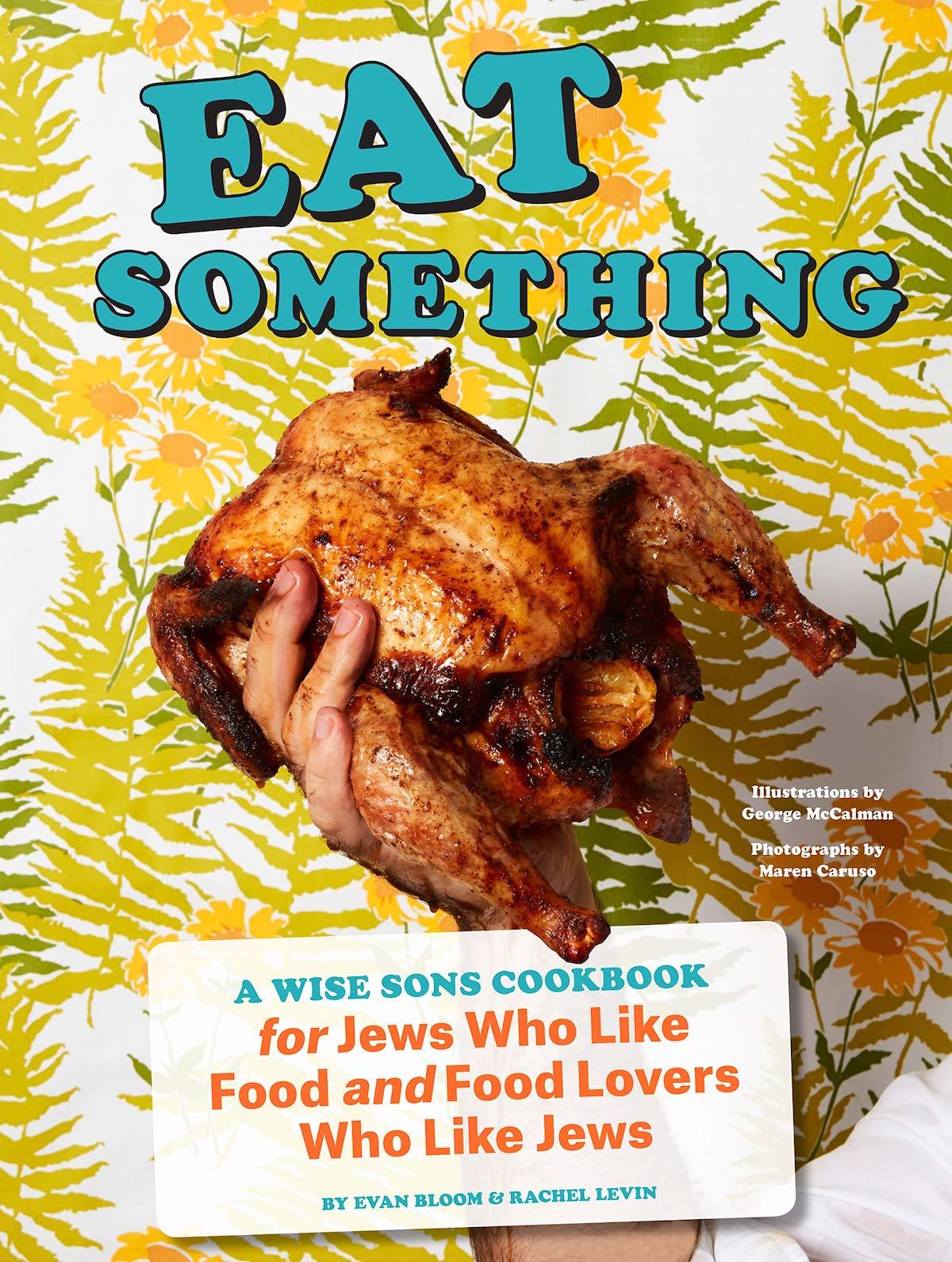
Eat Something: A Wise Sons Cookbook for Jews Who Like Food and People Who Like Jews (2020) by Evan Bloom and Rachel Levin
Shifting away from New York sensibilities, Evan Bloom and Rachel Levin’s cookbook drew heavily on a West Coast and Florida cultural vernacular, channeling the energy of suburban Gen-X childhoods and the Borscht Belt tradition.
The authors and critics noted that books of this style often speak to a generational gap—a longing among readers who feel disconnected from immigrant ancestors or religious practice. However, packaging religious holidays and cultural heritage into a lifestyle brand risks leaning into caricature. While the book successfully evoked the communal aspects of large, celebratory family gatherings, it prompted critical discussions on the fine line between celebrating heritage and feeding into reductive cultural stereotypes.
Jew-Ish: Reinvented Recipes from a Modern Mensch (2021) by Jake Cohen
Jake Cohen’s 2021 release generated substantial critical discussion regarding the intersection of branding, assimilation, and religious practice. The book’s title and introductory framing—which suggested that individuals who do not regularly attend synagogue are merely "Jew-ish"—drew sharp pushback from reviewers who viewed the concept as reductive and exclusionary.
Furthermore, recipes incorporating non-traditional twists, such as pumpkin spice babka or everything-bagel-seasoned tomato galettes, crystallized a broader critique about decontextualization. Critics argued that when traditional foods are rebranded simply as components of an aspirational lifestyle centered on Friday night dinner parties, the underlying cultural and historical significance risks being diluted into a commercial aesthetic.

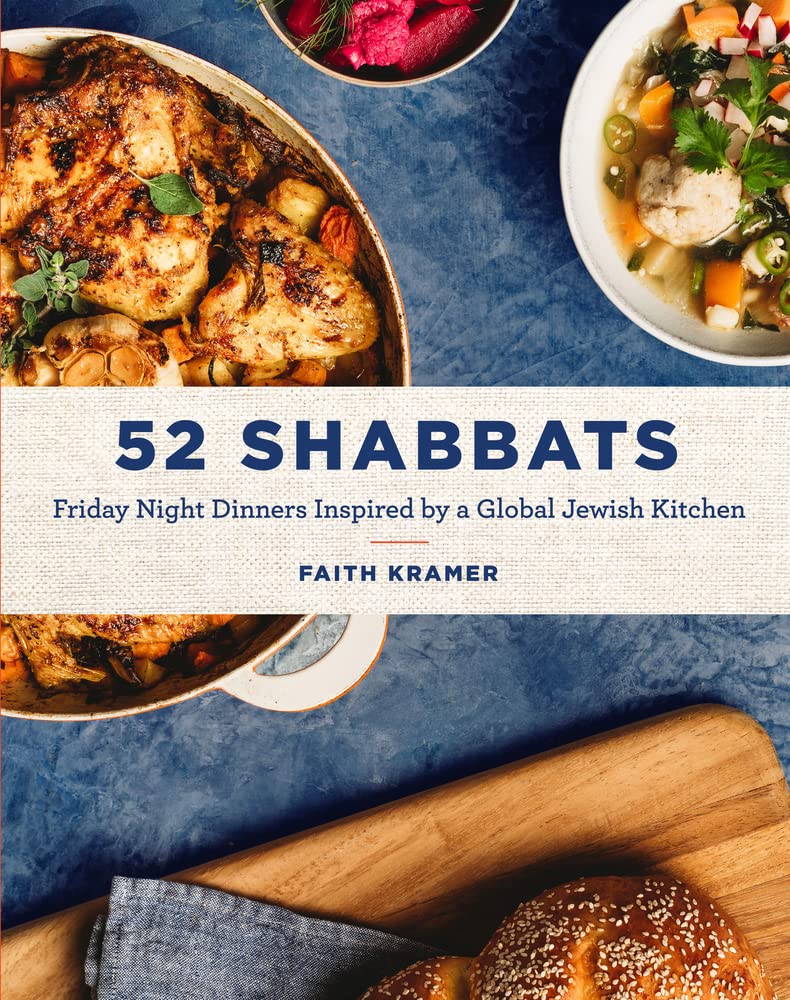
52 Shabbats: Reimagining Jewish Friday Night Dinners with Recipes from Around the World (2021) by Faith Kramer
Faith Kramer’s late-2021 release offered a stark contrast to decontextualized entertaining books by grounding its culinary vision in the global reality of the Jewish diaspora. By exploring how Jewish communities across disparate regions—such as Shanghai, North Africa, and Europe—celebrate the Sabbath, Kramer adopted a rigorous, journalistic approach to food history.
The book seamlessly integrated religion, ritual, and seasonality while highlighting the inherent fusion within Jewish cuisine. By presenting comparative recipes utilizing the same core ingredients—such as varying lentil dishes from different cultural traditions—Kramer illustrated how geopolitical migration and historical shifts shaped Jewish foodways without resorting to monolithic representations.
Analytical Implications and Broader Industry Trends
The critical dialogue surrounding these five cookbooks points to a broader evolution in food publishing. As readers increasingly demand authenticity, representation, and depth, authors and publishers face heightened scrutiny regarding how cultural narratives are constructed and marketed.
- The Trap of Monolithic Representation: A prevailing critique among food journalists is the over-reliance on Eastern European, New York-centric narratives to define global Jewish experiences. Expanding the platform to include Sephardic, Mizrahi, Beta Israel, and other diverse traditions remains a critical imperative for the culinary publishing industry.
- The Commercialization of Heritage: The tension between lifestyle branding and cultural preservation highlights the risks of stripping traditional foods of their historical context. While culinary innovation and adaptation are natural components of a diasporic cuisine, packaging heritage primarily as a trendy aesthetic can alienate readers seeking substantive connection to their roots.
- The Journalistic Standard in Recipe Writing: As demonstrated by the reception of globally focused works, contemporary audiences increasingly value historical context, demographic data, and migration narratives alongside practical kitchen instructions. Cookbooks that treat food as a bridge to understanding human history resonate more deeply with readers navigating complex identities.
Ultimately, the conversation among culinary scholars and writers underscores that food is rarely just about ingredients on a plate. For diasporic communities, cookbooks serve as vital archives of memory, migration, and adaptation—reflecting not only who readers are today, but where their ancestors have traveled across generations.