The Art of Homemade Aioli: A Culinary Deep Dive into the Rich French Condiment

Aioli, a cornerstone of Mediterranean cuisine, transcends its simple five-ingredient makeup to offer a complex tapestry of flavor and texture. This article delves into the intricacies of crafting authentic aioli by hand, exploring its historical roots, regional variations, and the nuances that elevate it from a mere condiment to a culinary star. With a focus on the traditional whisking method, we uncover the secrets to achieving that coveted rich, lemony, and garlicky emulsion, offering a comprehensive guide for home cooks and culinary enthusiasts alike.
Understanding the Nuances: Aioli vs. Alioli vs. Garlic Aioli vs. Mayo
The terminology surrounding aioli can often lead to confusion. At its core, aioli, originating from the Provence region of Southern France, is an emulsified sauce primarily composed of egg yolk, garlic, and olive oil. It is, in essence, a homemade mayonnaise profoundly infused with a generous amount of fresh garlic. The term "garlic aioli" is, therefore, somewhat redundant, akin to saying "pita bread" or "shrimp scampi," yet it is commonly used to emphasize the prominent garlic flavor.
Historically, aioli’s preparation varied by region. In Spain, particularly in Catalonia, alioli (or Allioli) was traditionally made by pounding garlic in a mortar and pestle, with olive oil added meticulously, drop by drop, to achieve a thick consistency. While modern interpretations often incorporate egg yolk, mirroring the French method, the ancestral technique highlights the foundational importance of garlic and olive oil. The distinction between aioli and mayonnaise lies in the intensity of garlic and the type of oil used; while mayonnaise typically uses a neutral oil and a milder garlic presence, aioli celebrates the pungent, aromatic qualities of garlic, often amplified by the robust flavor of extra virgin olive oil.
The Allure of Homemade: Why Craft Your Own Aioli?
While convenience might tempt one to opt for "cheater’s aioli" by combining store-bought mayonnaise with lemon and garlic, the discerning palate will recognize the profound difference in quality. Commercial mayonnaise often relies on lower-grade oils and artificial preservatives, compromising both flavor and texture.
Crafting aioli from scratch offers unparalleled control over ingredients. By selecting a high-quality extra virgin olive oil, one can imbue the condiment with a nuanced fruity or peppery character, a depth of flavor unattainable with mass-produced alternatives. This meticulous selection of ingredients, combined with a fundamental emulsification technique, transforms simple pantry staples into a gourmet experience. The process, though requiring patience and practice, is remarkably accessible, yielding a result that is both superior in taste and a testament to culinary dedication.
The Essential Components of Authentic Aioli
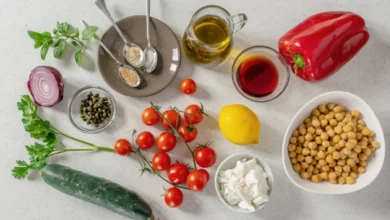
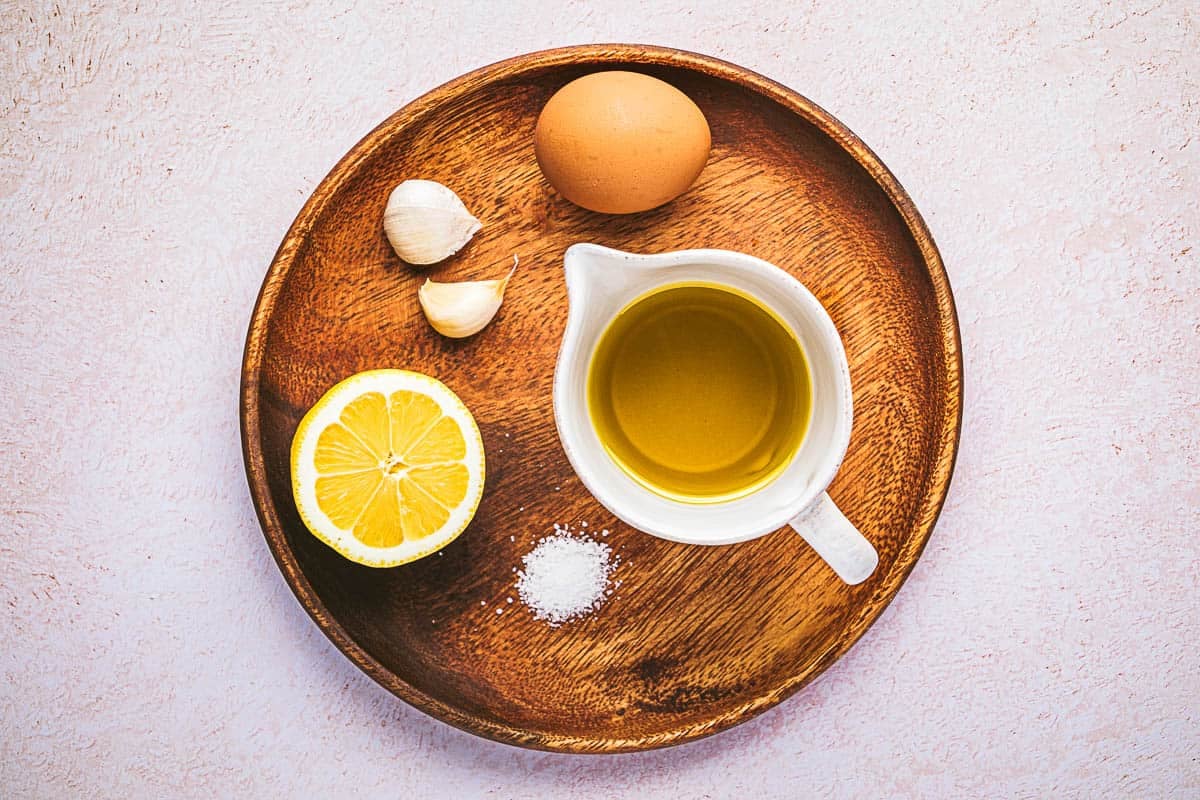
The foundation of a classic aioli rests on a few fundamental ingredients, a testament to the power of simplicity in achieving remarkable flavor. While historical recipes might have incorporated elements like boiled potato or breadcrumbs as emulsifiers or thickeners, the modern rendition typically relies on:
- Garlic: The soul of aioli. Fresh garlic cloves, finely minced or pounded, provide the signature pungent and aromatic punch. The quantity can be adjusted to personal preference, but a generous amount is key to authentic flavor.
- Egg Yolk: The emulsifying agent that binds the oil and garlic together, creating the characteristic creamy texture. Freshness is paramount for optimal emulsification.
- Olive Oil: Extra virgin olive oil is the preferred choice for its rich flavor profile and health benefits. Its polyphenol content contributes to the aioli’s depth and complexity.
- Lemon Juice: Freshly squeezed lemon juice adds a bright, zesty counterpoint to the richness of the oil and the pungency of the garlic, balancing the overall flavor.
- Salt: Essential for enhancing and unifying all the flavors.
The Art of Emulsification: Mastering the Whisking Technique
The creation of aioli is, at its heart, a lesson in the science of emulsification. This process involves the stable suspension of one liquid within another immiscible liquid, in this case, oil within an egg yolk and garlic base. Achieving a smooth, creamy, and stable emulsion requires patience and a deliberate, consistent technique, particularly when relying on the traditional method of vigorous whisking.
The Process:
- Garlic Preparation: Begin by mincing or pounding the garlic cloves into a fine paste. This releases their essential oils and intensifies their flavor.
- Egg Yolk and Lemon: In a sturdy bowl, combine the egg yolk with a splash of lemon juice. Whisk these together until they begin to lighten in color.
- The Slow Drizzle: This is the most critical step. Begin adding the olive oil, a few drops at a time, while whisking continuously and vigorously. The key is to incorporate the oil slowly, allowing the egg yolk to emulsify each small addition before introducing more. The mixture will gradually begin to thicken.
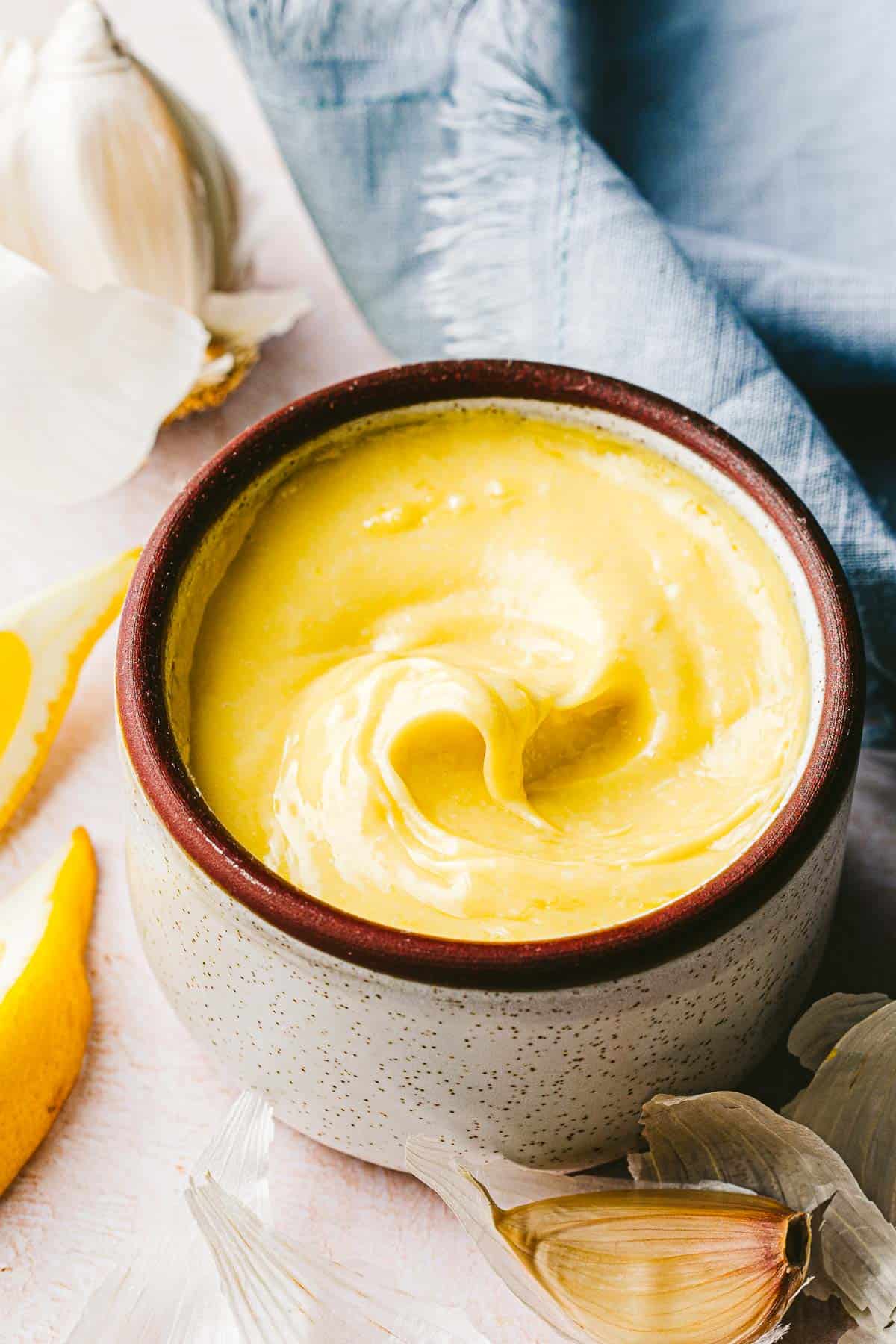
- Building the Emulsion: As the aioli starts to emulsify, you can gradually increase the rate at which you add the oil, but always maintain a steady, rhythmic whisking motion. Continue until all the oil is incorporated and the aioli reaches your desired consistency – thick, creamy, and smooth.
- Seasoning: Once the emulsion is stable, stir in salt to taste. Additional lemon juice can be added if a tangier flavor is desired.
Pro Tips, Tricks, and Troubleshooting for Perfect Aioli
Even with careful execution, the delicate balance of emulsification can sometimes be disrupted. Understanding common pitfalls and their remedies is crucial for aioli success.
Preventing a Broken Aioli
The most frequent challenge in aioli preparation is the emulsion "breaking," where the oil and egg yolk fail to combine, resulting in a separated, oily mixture. Several factors can contribute to this:
- Adding Oil Too Quickly: This is the primary culprit. The egg yolk cannot absorb the oil fast enough, leading to separation. Always start with a very slow drizzle.
- Temperature Discrepancies: Ensure all ingredients are at room temperature. Cold ingredients can hinder emulsification.
- Over-whisking (Less Common): While vigorous whisking is necessary, excessive, frantic whisking can sometimes destabilize a forming emulsion. Consistency and control are key.
- Ingredient Quality: Using very fresh egg yolks and high-quality olive oil contributes to a more stable emulsion.
Fixing a Broken Aioli
If your aioli appears to have separated, don’t despair. It’s often salvageable:
- The Egg Yolk Rescue: In a clean bowl, whisk a fresh egg yolk with a teaspoon of lemon juice. Then, very slowly, begin to whisk the broken aioli into this new mixture, drop by drop, as if you were starting the process anew. This can help re-emulsify the sauce.
- The Water Trick: Sometimes, a teaspoon of warm water whisked vigorously into a broken aioli can help to bring it back together.
Machine-Made Aioli: Considerations for Blenders and Food Processors
While hand-whisking is the traditional and often preferred method for its tactile connection to the process and control, making aioli in a blender or food processor is possible. However, a crucial modification is required:
- Olive Oil Choice: When using a machine, it is not recommended to use extra virgin olive oil. The high-speed blades of blenders and food processors can aggressively disperse the polyphenols in extra virgin olive oil, which are normally coated by fatty acids. This dispersion can intensify their naturally bitter flavor, leading to an unpleasantly harsh aioli. Instead, opt for a "refined" olive oil or one labeled "for cooking," which has a more neutral flavor profile and is better suited to high-speed processing.
Exploring Aioli Variations: A Canvas for Culinary Creativity
The foundational aioli recipe serves as an excellent starting point, a versatile base that can be transformed with a myriad of flavor additions. This adaptability makes aioli a dynamic element in any kitchen:
- Herbal Infusions: Incorporate finely chopped fresh herbs such as parsley, chives, dill, or cilantro for added freshness and complexity.
- Spicy Kick: A pinch of cayenne pepper, a dash of hot sauce, or finely diced jalapeño can introduce a welcome heat.
- Smoky Notes: Smoked paprika or chipotle powder can lend a subtle smokiness.
- Citrus Zest: The zest of lemon, lime, or orange can amplify the citrus notes and add aromatic depth.
- Umami Boost: A touch of Dijon mustard or a small amount of anchovy paste can introduce a savory, umami-rich dimension.
- Roasted Garlic: Roasting garlic cloves before mincing them mellows their intensity and imparts a sweeter, nuttier flavor, creating a milder yet equally delicious aioli.
The Mediterranean Table: What to Serve with Aioli
Aioli is a celebrated accompaniment to a wide array of dishes, from simple vegetables to elaborate main courses. Its rich, garlicky profile enhances and balances various flavors.
The concept of Le Grand Aioli in Provençal cuisine exemplifies its communal and celebratory nature. This traditional summer meal involves a generous spread of seasonal vegetables, served alongside a large bowl of freshly made aioli. Guests can then dip the vibrant produce into the creamy sauce, creating a delightful and interactive dining experience.
Beyond this iconic presentation, aioli is a perfect partner for:
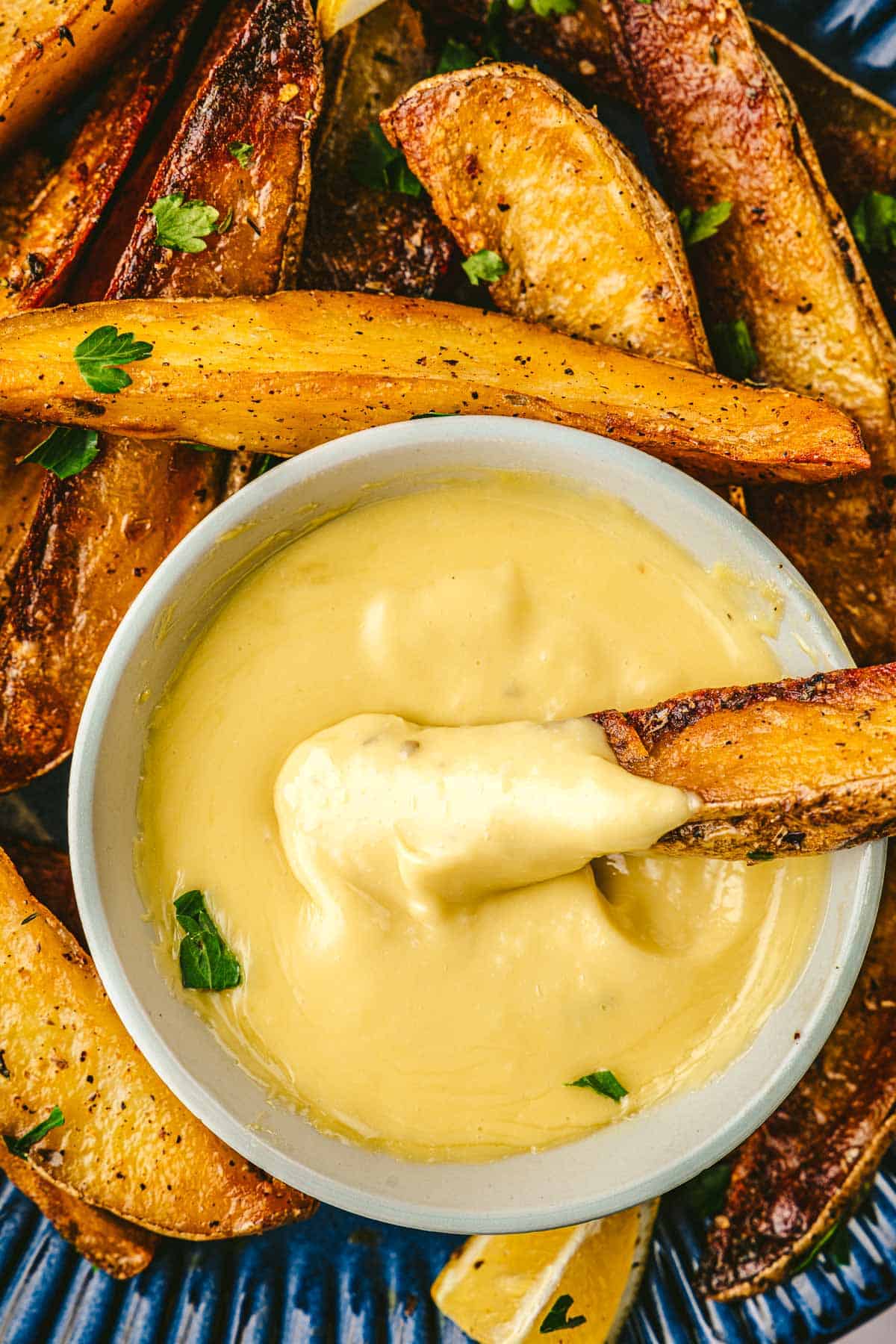
- Roasted and Grilled Vegetables: Asparagus, zucchini, bell peppers, and potatoes all benefit from a dollop of aioli.
- Seafood: Grilled or fried fish, shrimp, and calamari are classic pairings.
- Sandwiches and Wraps: Aioli acts as a flavorful spread, elevating simple sandwiches into culinary delights.
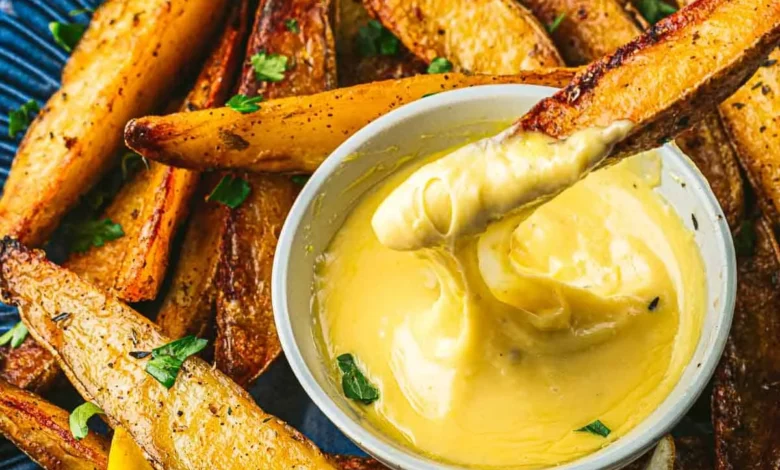
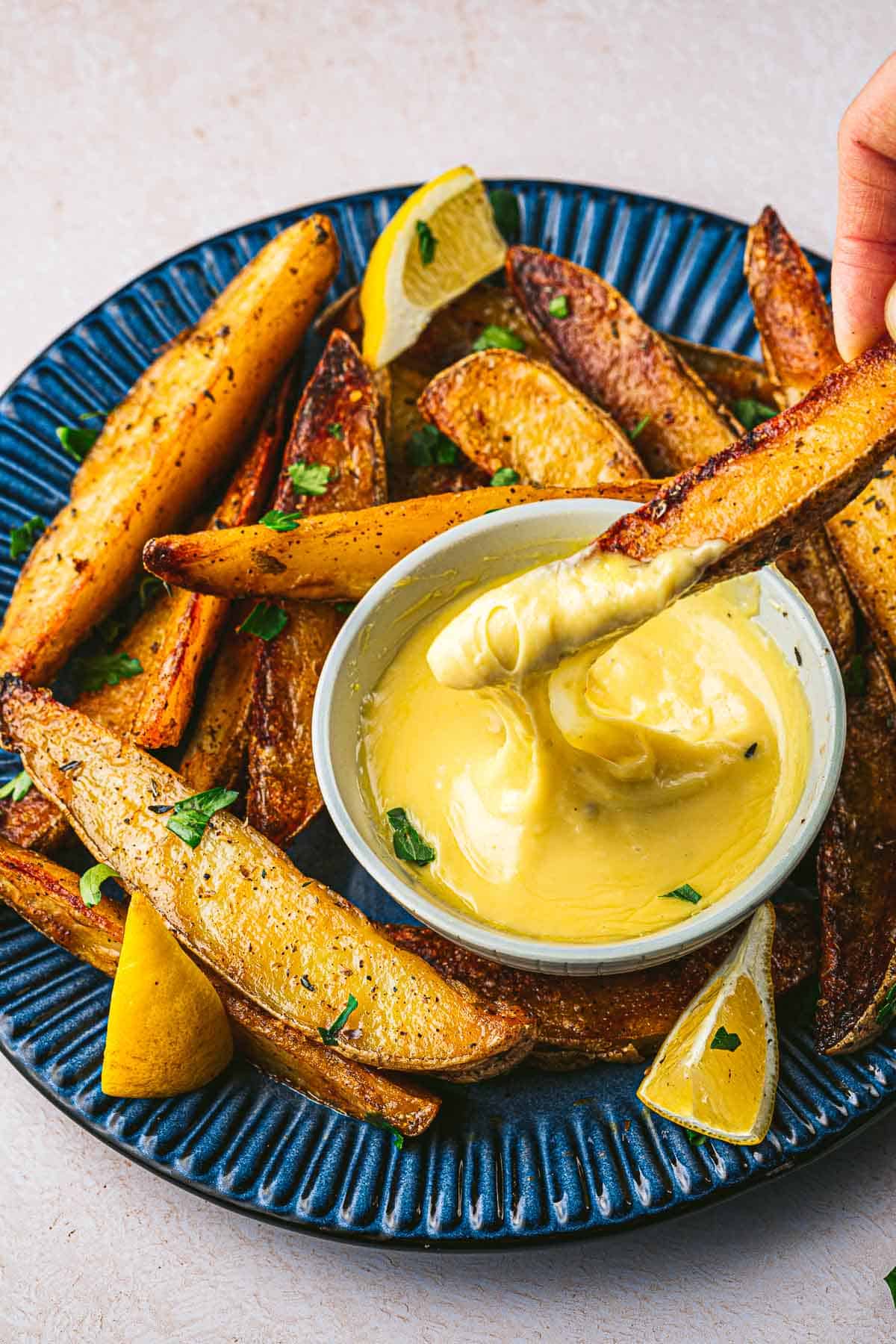
- Fries and Potatoes: Whether roasted, baked, or fried, potatoes find their perfect foil in aioli.
- Soups: A spoonful of aioli can add a luxurious richness to creamy soups or vegetable broths.
- Dipping Sauce: It serves as an excellent dip for crudités, bread, or even spring rolls.
A Brief Look at Related Mediterranean Dips
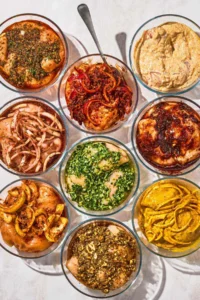
Aioli’s creamy, garlicky character places it within a broader family of beloved Mediterranean dips and sauces, each offering a unique flavor profile:
- Tzatziki: A refreshing Greek yogurt-based dip with cucumber, garlic, dill, and lemon.
- Hummus: A staple of Middle Eastern cuisine, made from chickpeas, tahini, lemon juice, and garlic.
- Baba Ghanoush: A smoky eggplant dip from the Levant, featuring roasted eggplant, tahini, garlic, and lemon juice.
- Muhammara: A vibrant Syrian dip made from roasted red peppers, walnuts, and pomegranate molasses.
While distinct in their core ingredients, these dips share a common thread of vibrant, fresh flavors and a commitment to enhancing the culinary experience with wholesome, delicious accompaniments. The art of making aioli by hand stands as a testament to the enduring appeal of simple, high-quality ingredients prepared with care and intention. Its rich history, diverse applications, and the satisfaction derived from its homemade creation solidify its place as a cherished culinary classic.