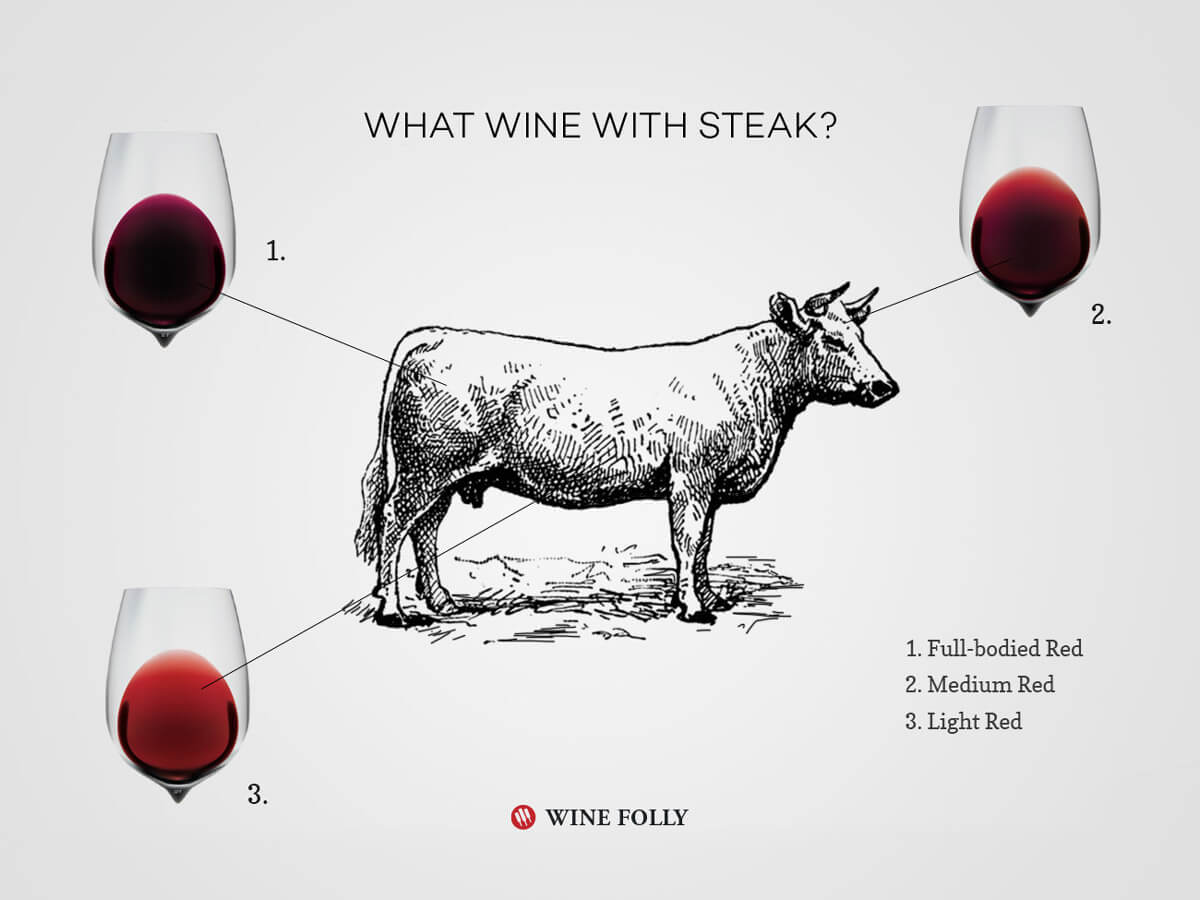
The core principle governing these pairings is a matter of structural balance. Leaner cuts of meat, which possess less intramuscular fat, typically require lighter-bodied wines with higher acidity and lower tannin levels to avoid overwhelming the delicate texture of the beef. Conversely, richer, more marbled cuts necessitate high-tannin red wines. Tannins, which are polyphenolic compounds found in grape skins and seeds, provide an astringent quality that effectively "cuts through" the coating of fat on the palate, cleansing the tongue and preparing it for the next bite. This guide provides a comprehensive analysis of how to navigate these pairings based on specific cuts, preparation methods, and the chemical profiles of various wine varietals.
The Chemical Foundation of Tannins and Lipids
To understand why certain pairings succeed, one must look at the molecular interaction occurring within the mouth. Tannins are attracted to proteins. When wine is consumed in isolation, tannins bind to the salivary proteins in the human mouth, creating a drying sensation. However, when paired with a fatty steak, the tannins bind to the proteins and fats of the meat instead. This neutralization process softens the perception of the wine’s bitterness while simultaneously enhancing the richness of the beef.
Recent data from the International Journal of Gastronomy and Food Science suggests that the "mouthfeel" of a pairing is often more important than the flavor profile itself. High-fat cuts like the Ribeye provide a lubricating effect that requires the structural "grip" of a Cabernet Sauvignon or a Nebbiolo. Without this tannic intervention, the palate becomes saturated with lipids, dulling the flavor of both the food and the beverage.
A Chronology of the Steak and Wine Tradition
The history of pairing red wine with steak is inextricably linked to the development of the French "Grand Classique" style of dining in the 18th and 19th centuries. During this era, the regions of Bordeaux and Burgundy established the standards for how red meat should be accompanied. The robust, oak-aged blends of the Médoc (predominantly Cabernet Sauvignon) became the benchmark for fatty cuts, while the lighter, more aromatic Pinot Noirs of the Côte d’Or were reserved for leaner preparations.
By the mid-20th century, the "Steakhouse Era" in the United States further solidified these norms, though it often leaned toward "big" California Cabernets. The 21st century has seen a diversification of this timeline, with the rise of Argentinian Malbec as a global powerhouse for grilled meats and the rediscovery of Old World varietals like Tempranillo and Sangiovese as versatile partners for a wider range of beef cuts.
Detailed Analysis of Specific Cuts and Varietals
The Ribeye and Bone-In Rib Steak
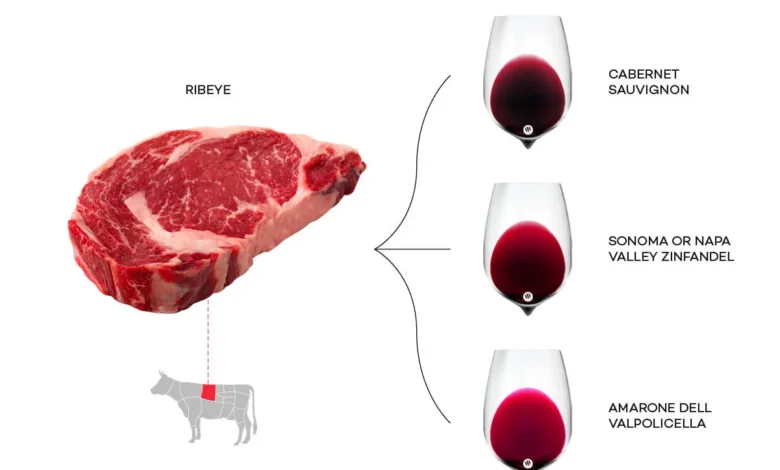
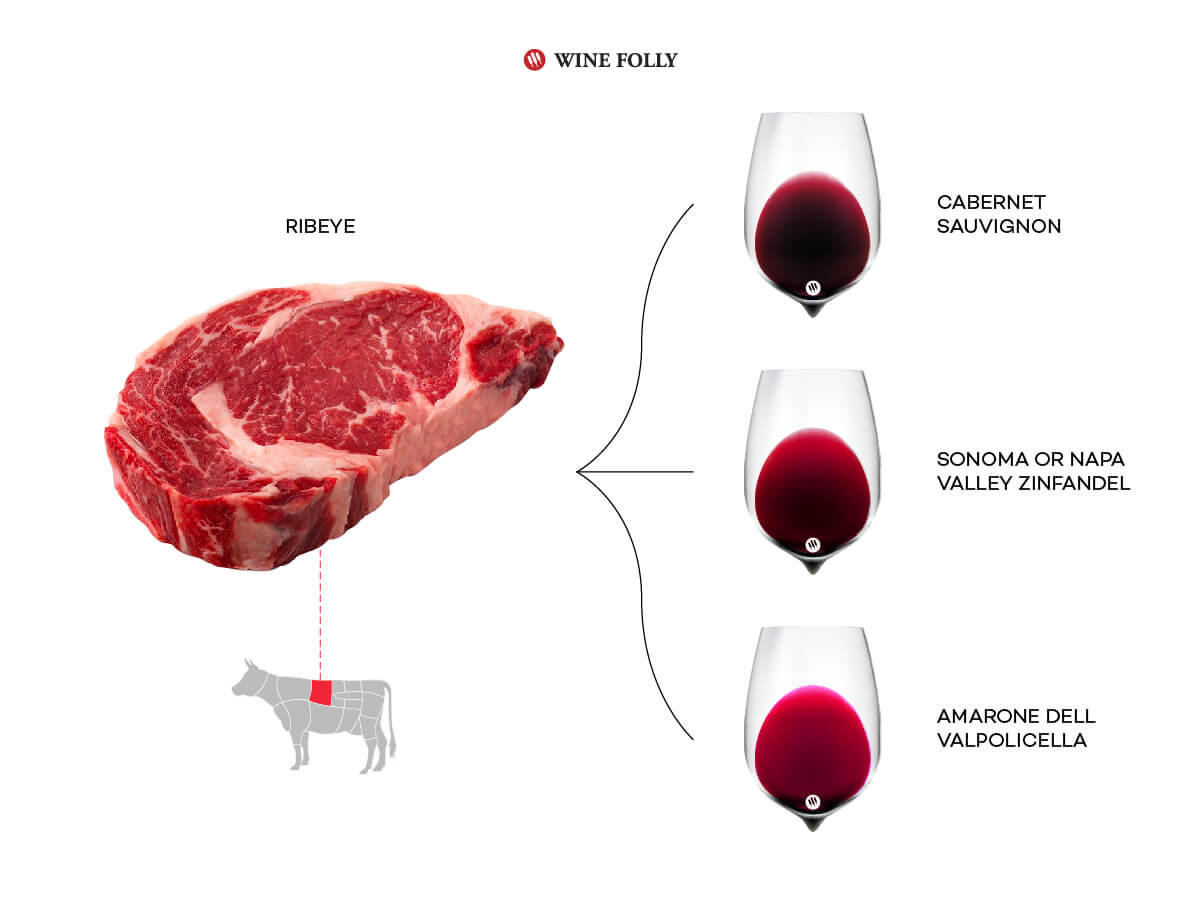
The Ribeye is widely regarded by culinary professionals as the most flavorful cut due to its high degree of marbling and the presence of the "spinalis dorsi" or ribeye cap. Because this cut is rich in intramuscular fat, it requires a wine with significant structural integrity.
Recommended Varietals: Cabernet Sauvignon, Tannat, and Petite Sirah.
The Analytical Why: These wines possess high tannin counts and dark fruit profiles. A Napa Valley Cabernet or a robust Left Bank Bordeaux offers the necessary astringency to balance the buttery texture of the Ribeye. The char produced by high-heat grilling also complements the toasted oak notes often found in these wines.
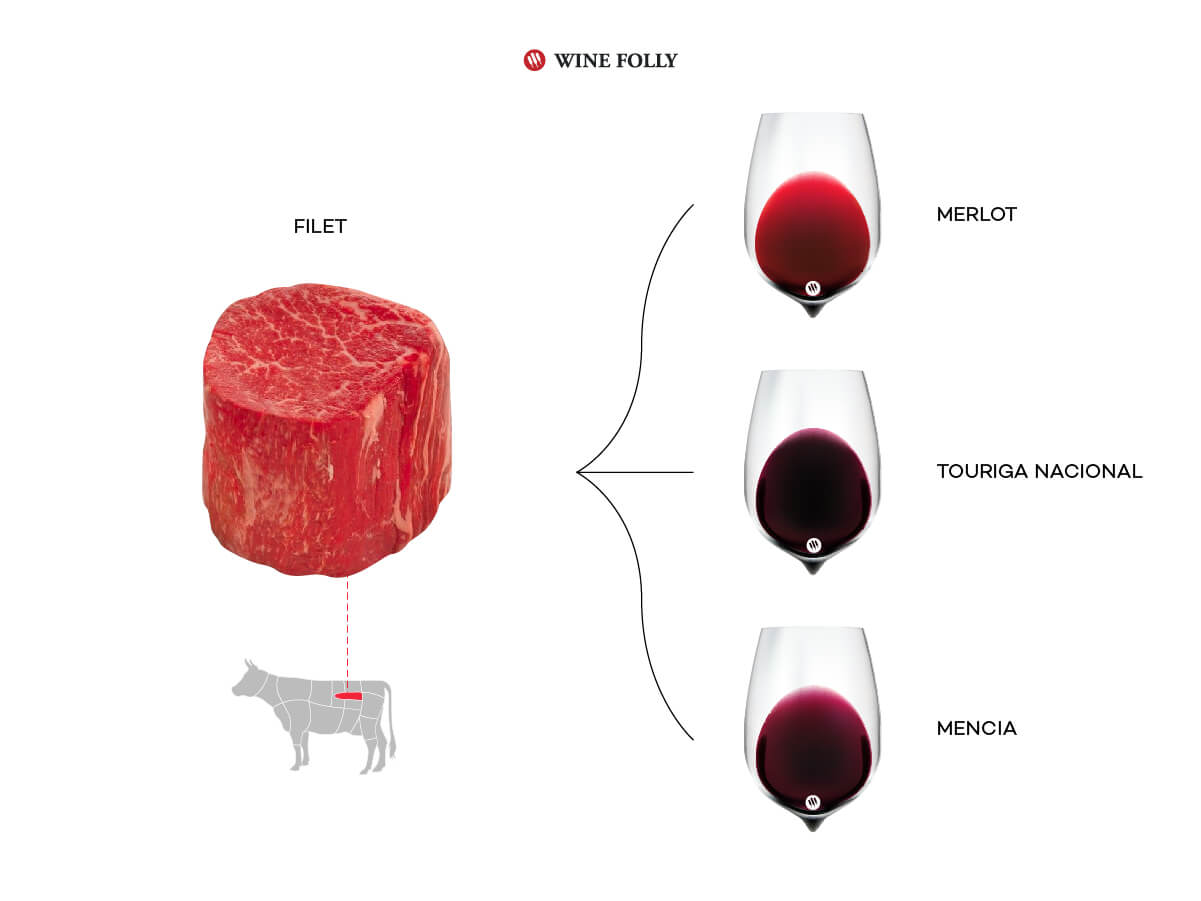
The Filet Mignon
As the leanest of the premium cuts, the Filet Mignon is prized for its tenderness rather than its fat content. Because it lacks the heavy marbling of a Ribeye, a high-tannin wine can easily overwhelm the meat, leaving the diner with a metallic or overly dry sensation.
Recommended Varietals: Pinot Noir, Merlot, or an aged Rioja.
The Analytical Why: The Filet Mignon has a subtle, almost creamy flavor profile. A Pinot Noir from the Willamette Valley or Burgundy provides bright acidity and red fruit notes that enhance the beef without masking its delicate nature. If the Filet is served with a heavy sauce, such as a Béarnaise or a peppercorn reduction, a medium-bodied Merlot is often the superior choice to bridge the gap between the meat and the sauce.
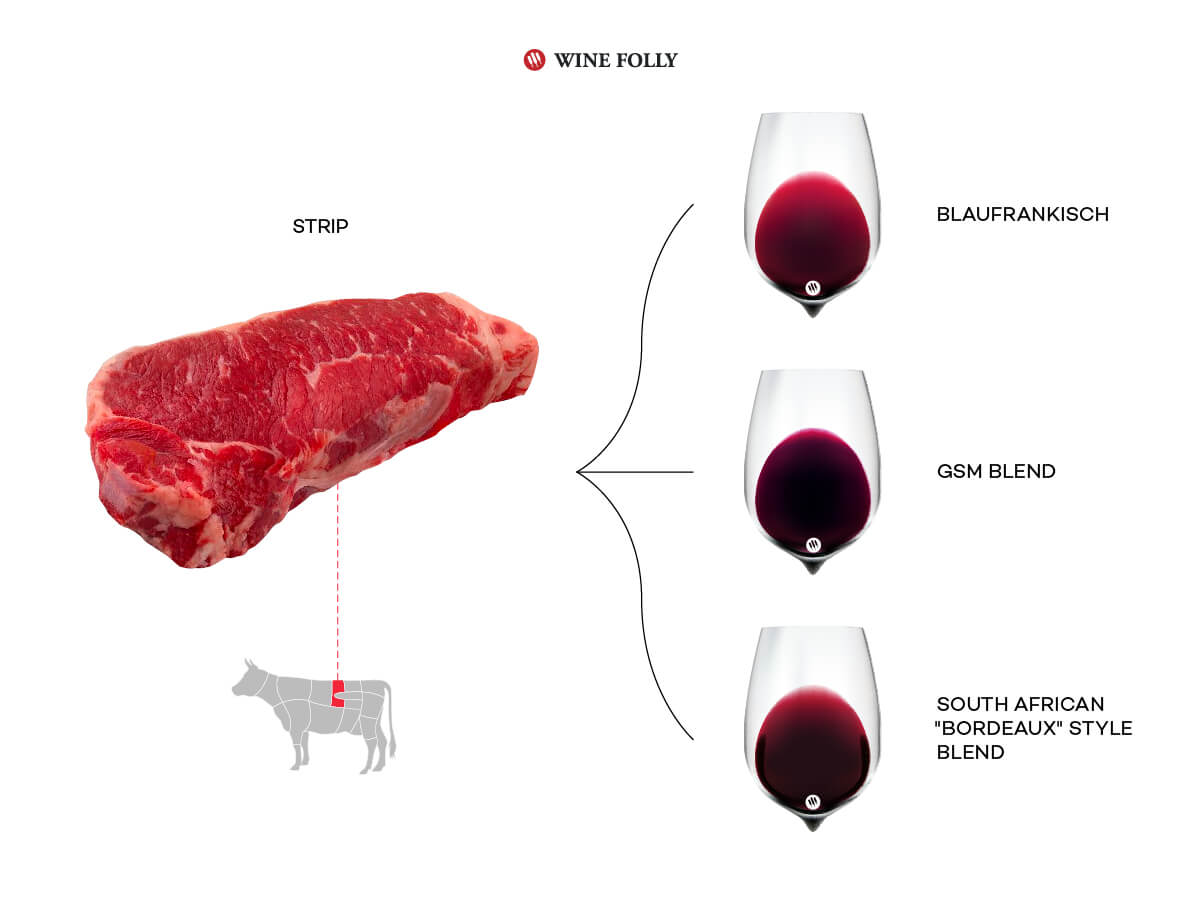
The Sirloin and New York Strip
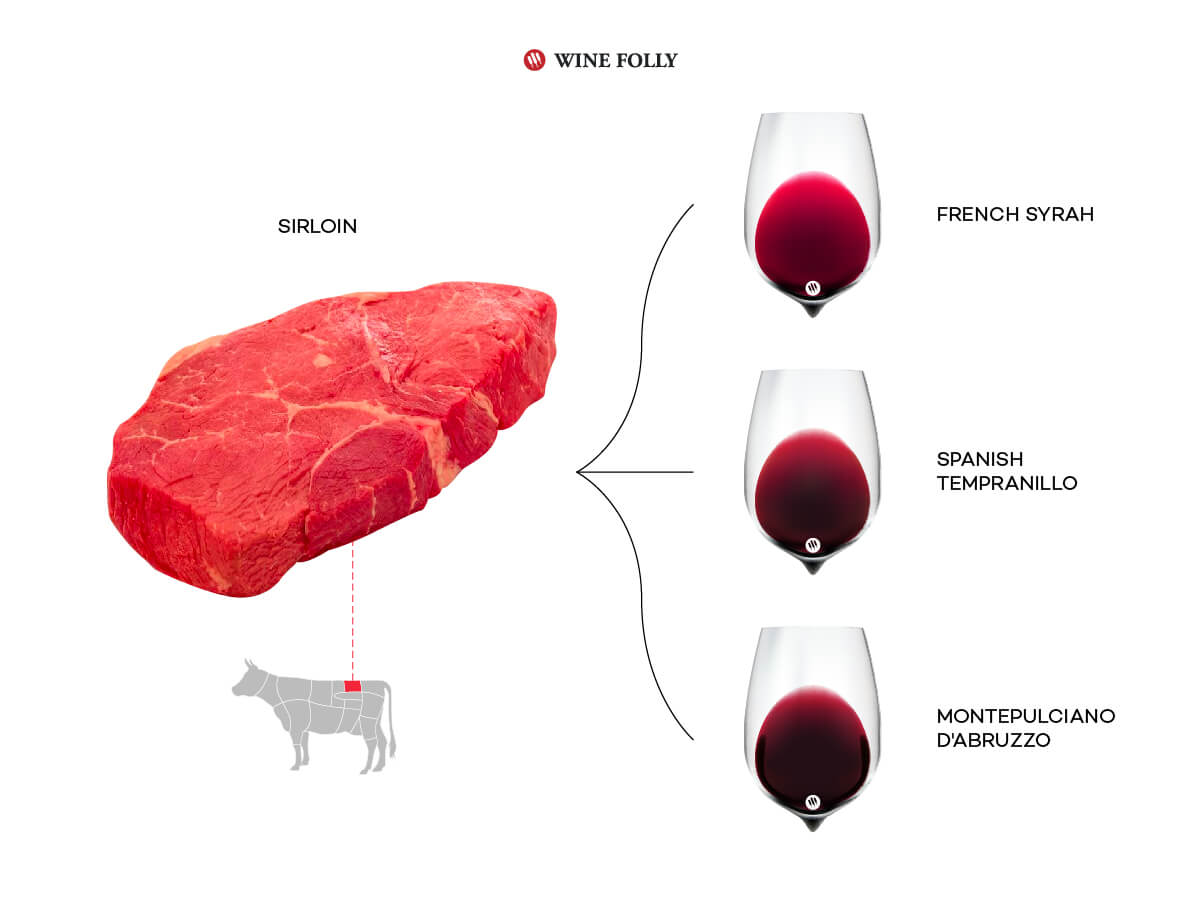
The Sirloin and Strip cuts occupy the middle ground of the steak spectrum. They possess a tighter grain than the Ribeye but more flavor than the Filet. The Strip, in particular, often features a significant "fat cap" along the edge, which provides flavor during the cooking process.
Recommended Varietals: Syrah (Shiraz), Malbec, and Sangiovese.
The Analytical Why: These cuts are versatile and are often the "workhorses" of the steak world. A Malbec from Mendoza, with its plush tannins and dark plum notes, is a classic pairing for the Strip. If the steak is seasoned heavily with herbs or black pepper, a Northern Rhône Syrah—known for its savory, peppery characteristics—provides a sophisticated aromatic match.
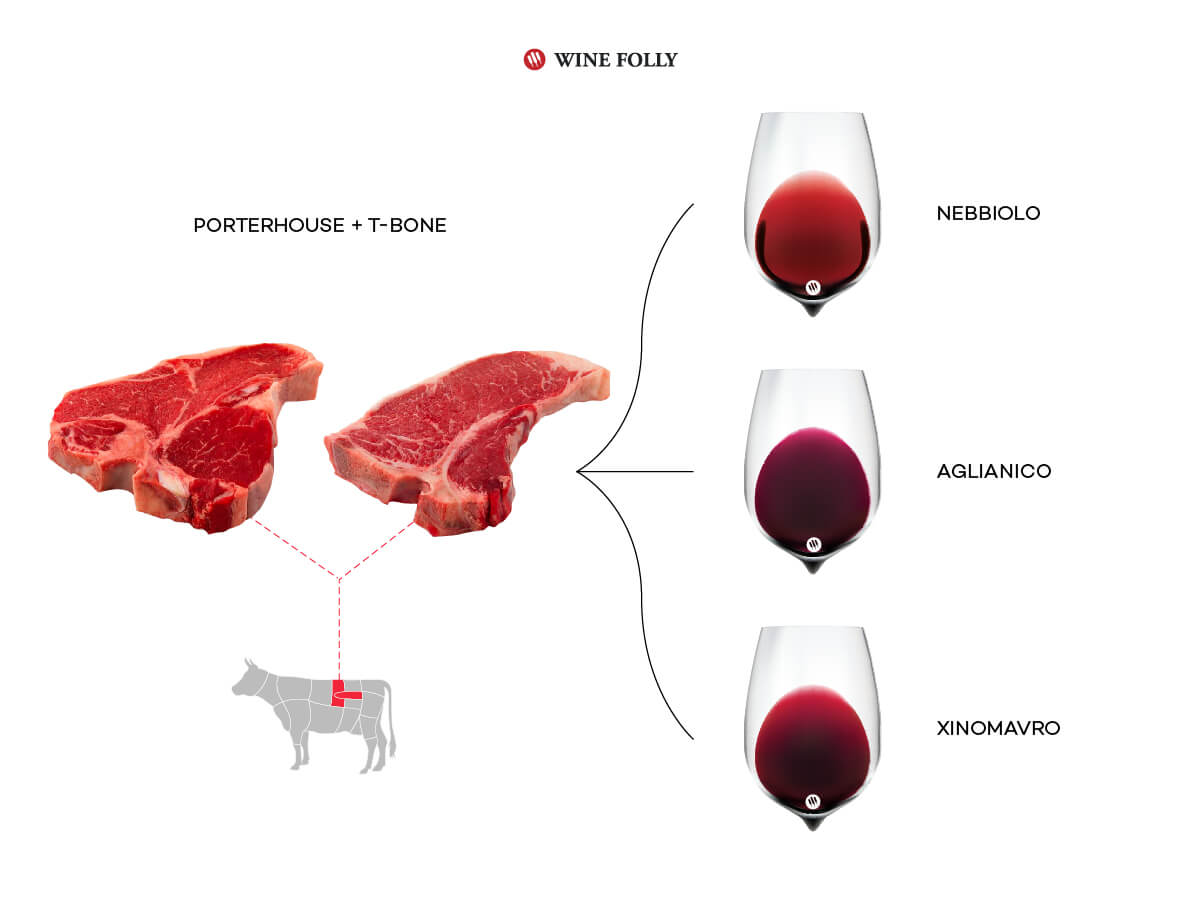
The Porterhouse and T-Bone
These cuts are unique because they consist of two different muscles separated by a T-shaped bone: the tender Filet and the flavorful Strip. This presents a challenge for pairing, as the wine must be flexible enough to accommodate both lean and moderately fatty textures.
Recommended Varietals: Chianti Classico (Sangiovese), Cabernet Franc, or Zinfandel.
The Analytical Why: A Sangiovese-based wine offers high acidity and moderate tannins, making it an excellent "all-rounder." The acidity cuts through the strip side, while the moderate tannins do not overwhelm the filet side.
Secondary Cuts: Flank, Skirt, and Rump
Often referred to as "butcher’s cuts," these are leaner and have a coarser grain. They are frequently marinated to increase tenderness.
Recommended Varietals: Carménère, Tempranillo, or Mencía.
The Analytical Why: These wines often have an "earthy" or "herbal" quality. Carménère, in particular, has a pyrazine-driven profile (notes of green bell pepper) that pairs exceptionally well with the charred, marinated surface of a Flank or Skirt steak used in dishes like fajitas or London Broil.
The Brisket Exception: Smoke and Slow Cooking
Brisket is not a traditional steak but is a critical component of the beef-and-wine conversation. The long smoking process introduces phenols from wood smoke, which requires a specific type of wine.
Recommended Varietals: Mourvèdre, Smoky Syrah, or Zinfandel.
The Analytical Why: The smokiness of the meat demands a wine with "barbecue-friendly" traits—namely, ripe fruit and a hint of smokiness or spice in the wine itself. A Mourvèdre (Monastrell) provides a gamey, earthy backbone that stands up to the intense flavor of smoked brisket.
Market Trends and Industry Reactions
The global wine and beef industries are increasingly collaborating to capitalize on pairing trends. According to market reports from the Wine Institute, sales of "premium" red blends have seen a 12% increase in steakhouse settings over the last five years. Industry experts suggest this is due to a shift in consumer preference toward "ready-to-drink" wines that offer softer tannins than traditional single-varietal Cabernets.
Sommeliers in major metropolitan hubs have also noted a "regionality" trend. "We are seeing a move away from the ‘big oak’ style of the 1990s," says Marcus Vane, a hospitality consultant. "Diners are now looking for high-acid wines like Nebbiolo or Xinomavro to pair with dry-aged beef. The funkiness of dry-aged steak requires a wine with equal complexity and earthiness."
Broader Implications for Gastronomy
The evolution of wine and steak pairing reflects a broader movement toward precision in the dining experience. As climate change affects vineyard yields and grape sugar levels, and as the beef industry grapples with the environmental costs of grain-fed versus grass-fed cattle, the "perfect pairing" is becoming a moving target. Grass-fed beef, for instance, is leaner and higher in Omega-3 fatty acids than grain-fed beef, requiring a shift back toward lighter, more acidic wines even for traditionally fatty cuts.
Furthermore, the rise of "alternative" steak preparations—such as sous-vide cooking followed by a torch sear—changes the texture of the proteins, potentially requiring different wine structures than traditional flame-grilling. The Maillard reaction (the browning of the meat) remains the constant, providing the savory "umami" flavors that find their best reflection in the complex, aged esters of a well-stored red wine.
Ultimately, while the "red wine with red meat" rule remains a reliable baseline, the modern diner benefits from a more nuanced approach. By considering the specific lipid content of the cut, the method of heat application, and the chemical structure of the wine, the act of eating a steak is transformed from a simple meal into a sophisticated sensory event. Whether it is a rugged Malbec with a charred Skirt steak or a refined Pinot Noir with a butter-basted Filet Mignon, the synergy of these two ancient products continues to define the pinnacle of Western culinary tradition.
Related posts: