Lebanon at the Precipice of a Food Security Catastrophe Amid Escalating Conflict and Economic Paralysis

Lebanon is currently grappling with a multifaceted humanitarian crisis that threatens to dismantle the nation’s already fragile food security systems. A combination of intensive military conflict, a protracted financial collapse, and a heavy over-reliance on international imports has left the Mediterranean nation uniquely vulnerable to acute supply chain shocks. As hostilities intensify along the southern border and expand into the heart of the country, the displacement of over one million people—roughly 20% of the total population—has pushed the state’s capacity to its breaking point. This crisis is not merely a byproduct of recent kinetic warfare but the result of decades of structural neglect in domestic agriculture, leaving the population dependent on a globalized supply chain that is increasingly under threat from both local and regional geopolitical volatility.
The Humanitarian Toll and the Crisis of Displacement
The recent escalation of the conflict has triggered a mass exodus from South Lebanon and the southern suburbs of Beirut, creating a domestic refugee crisis of unprecedented proportions. According to government estimates and international observers, more than one million residents have been forced to flee their homes within a matter of weeks. While the Lebanese government and various international non-governmental organizations (NGOs) have established emergency refugee centers, these facilities reached capacity almost immediately.
The displacement has created a secondary economic shock within the housing market. Those with liquid assets have attempted to secure safety through the private rental market, but a sharp spike in demand has led to a dramatic price surge. This "price shock" is further complicated by sectarian anxieties and social friction, leaving tens of thousands of displaced individuals with no choice but to seek shelter in public spaces. In Beirut, the iconic seaside corniche in Ras Beirut, downtown sidewalks, and the city’s few remaining public parks have become makeshift encampments. This visible homelessness underscores the lack of a robust state safety net and the immediate need for a coordinated humanitarian response to provide not just shelter, but basic nutritional sustenance.
A Systemic Vulnerability: The Danger of Import Dependency
Lebanon’s food security is fundamentally undermined by its extreme reliance on foreign markets, with the country importing approximately 80% of its food needs. This model functions only under the assumption of uninterrupted global trade and stable domestic logistics. The primary arteries for these imports are the Port of Beirut and the Beirut-Rafic Hariri International Airport.
Historical precedence suggests these sites are at extreme risk. During the 2006 conflict, Israeli forces targeted and rendered these facilities inoperable early in the campaign. While these hubs have remained largely functional in the current conflict, any strike on this critical infrastructure would effectively sever Lebanon’s lifeline to the outside world, precipitating a total food catastrophe within days. The destruction of the country’s primary grain silos during the 2020 Beirut Port explosion had already significantly reduced the nation’s strategic reserves, leaving it with little buffer to withstand a prolonged blockade.
A Chronology of Compounding Crises
To understand the severity of the current situation, it is necessary to view it through the lens of Lebanon’s recent history. The country has been mired in a "polycrisis" that has systematically eroded the purchasing power of its citizens and the stability of its institutions.
- 2019 Financial Collapse: The onset of a large-scale financial crisis, described by the World Bank as one of the world’s most severe since the mid-19th century. The national currency, the Lebanese Pound (LBP), lost over 98% of its value, liquidating the life savings of millions.
- 2020 Beirut Port Explosion: The blast killed hundreds and destroyed the nation’s main entry point for goods, including the strategic grain silos.
- 2021-2023 Hyperinflation: Lebanon recorded some of the highest inflation rates globally, with food price inflation frequently exceeding 100% annually.
- 2024 Conflict Escalation: The resumption of large-scale hostilities has added a layer of physical destruction to the existing economic ruin.
Recent assessments by the Integrated Food Security Phase Classification (IPC) reveal the human cost of this timeline. Approximately 1.26 million individuals in Lebanon are currently facing Phase 3 (Crisis) level food insecurity. Within this group, roughly 85,000 people are classified under Phase 4 (Emergency), indicating they are on the brink of famine-like conditions without immediate intervention. Refugee populations, specifically the 1.5 million Syrian refugees and nearly 200,000 Palestinian refugees hosted by Lebanon, are disproportionately affected by these trends.
Geopolitical Shocks and Global Supply Chain Disruptions
The local conflict in Lebanon is inextricably linked to broader regional tensions that threaten global energy and commodity markets. The ongoing friction in the Persian Gulf and the potential for a blockade of the Strait of Hormuz present a direct threat to Lebanon’s food supply. The Strait is a vital corridor for the transport of oil, natural gas, and, crucially, the fertilizers necessary for global agricultural production.
A shutdown or significant slowdown in this region leads to a "cascading effect" on global supply chains. As energy costs rise, the cost of maritime and land transportation increases exponentially. For a nation like Lebanon, which is already suffering from a lack of foreign currency reserves, these price hikes are devastating. Poorer nations are forced to compete for limited supplies at "astronomical prices," often losing out to wealthier economies. This global inflationary pressure, combined with local currency devaluation, has led to immediate spikes in the cost of basic goods. In recent weeks alone, the price of bananas in Lebanon rose by 41%, while the cost of lamb increased by 21%.
The Environmental Cost and the Destruction of Productive Land
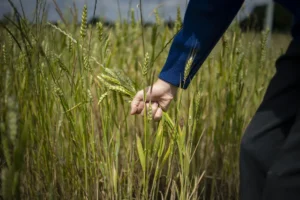
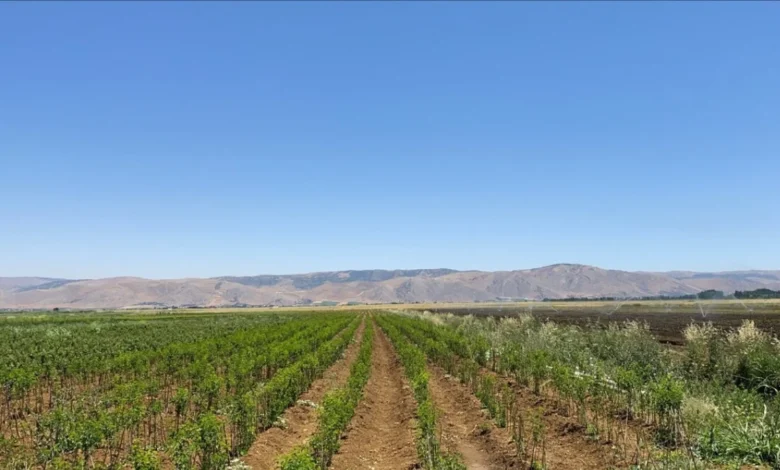
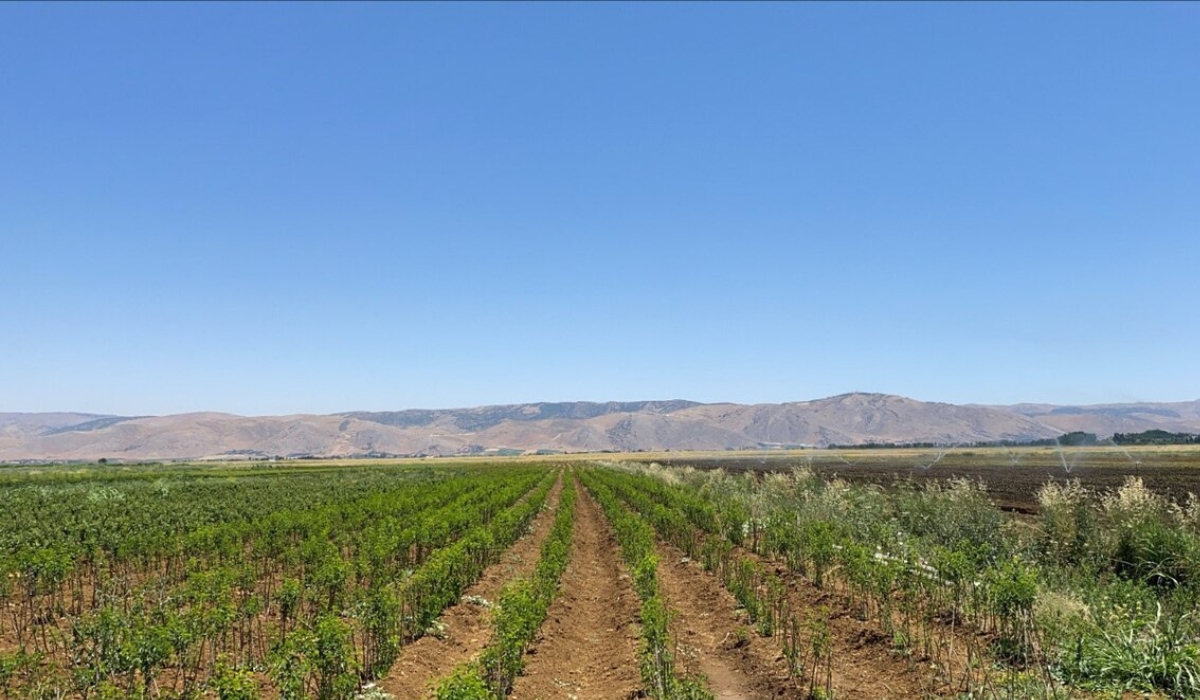
Beyond the immediate logistical and economic hurdles, the conflict is causing long-term damage to Lebanon’s domestic agricultural capacity. The southern and eastern regions of the country, which serve as the nation’s "breadbasket," have been subjected to intense bombardment.
Reports from Human Rights Watch and local environmental groups have highlighted the use of white phosphorus in agricultural fields. This chemical not only causes immediate fires but also contaminates the soil, rendering it toxic for years. Furthermore, there have been documented instances of drones spraying pesticides, specifically glyphosate, over southern Lebanese fields. Critics argue that these actions constitute a form of "ecocide," intended to destroy the local agrarian economy and create an uninhabitable "buffer zone" extending 15 kilometers into Lebanese territory up to the Litani River. By poisoning the land and killing livestock—such as the recent strike in Chebaa that killed two shepherds—the conflict is effectively dismantling the possibility of local food sovereignty for the foreseeable future.
Official Responses vs. Market Realities
The Lebanese government’s response to the looming famine has been met with skepticism by both the public and international observers. In the early stages of the conflict, the Minister of Economy and Trade, Amer Bisat, attempted to reassure the public by stating that the country possessed sufficient stocks of flour, food, and gas to last "several months." However, as the conflict escalates and regional shipping routes become more perilous, these assurances appear increasingly fragile.
Market dynamics are also being influenced by the "food import syndicate," a powerful group of private entities that control the flow of goods into the country. Hani Bohsali, the head of the syndicate, recently noted that while fuel costs have risen by 40%, food prices have only seen a 5% increase thus far. Despite these claims, reports of price gouging are widespread. The government has pledged to monitor markets and prevent importers from exploiting the crisis, but in a state where regulatory institutions have been hollowed out by years of corruption and neglect, these promises have yet to translate into significant enforcement or price stability.
Analysis of Long-term Implications and the Path to Resilience
The current crisis serves as a stark warning regarding the dangers of extreme globalization for essential resources. Lebanon’s reliance on imports was a policy choice made by successive post-war governments that prioritized the service and banking sectors over productive industries like agriculture. This "rentier" economic model has left the country without the internal mechanisms to feed its population during times of war or global instability.
The path forward, should a cessation of hostilities be achieved, requires a radical shift in national policy. Scholars and developmental experts, such as Zeead Yaghi, argue that Lebanon must transition toward "agroecological" and sustainable domestic systems. This involves:
- Investment in Small-scale Farming: Supporting local farmers to reduce reliance on imported fertilizers and seeds.
- Rehabilitation of Contaminated Land: A massive environmental cleanup effort in the south to restore the productivity of white phosphorus-affected soil.
- Infrastructure Reform: Rebuilding the national grain silos and decentralizing food storage to prevent a single point of failure.
- Regulatory Oversight: Breaking the monopolies held by import syndicates to ensure fair competition and price stability.
Without these structural changes, Lebanon remains trapped in a cycle of vulnerability. Every regional geopolitical tremor will continue to manifest as a food crisis on the streets of Beirut. The immediate priority is a humanitarian relief campaign to prevent mass starvation among the displaced; however, the long-term survival of the Lebanese state depends on its ability to reclaim its food sovereignty and build a resilient agricultural sector that can withstand the shocks of the 21st century.
Related posts: