The Visionary Evolution of Italian Viticulture Why the Nations Wine Icons are Embracing Boutique Side Projects and New Terroirs

The landscape of Italian viticulture is currently undergoing a structural and philosophical shift as the nation’s most established wine dynasties move beyond the borders of their ancestral estates. In the wine world, a fundamental distinction exists between the talented grape farmer, dedicated to the preservation of a singular legacy, and the visionary entrepreneur, driven by the persistent question of "what comes next." For many of Italy’s most prestigious producers, reaching the pinnacle of critical acclaim and financial stability is not a signal to rest, but rather a catalyst for new, often riskier, ventures. These side projects, frequently characterized by smaller scales and groundbreaking visions, represent a strategic response to climate change, evolving consumer palates, and the desire for creative autonomy outside the rigid expectations of "mother" estates.
Unlike their international counterparts in regions like Napa Valley or Bordeaux, who often replicate successful formulas across different continents, Italian producers face the unique challenge of deep territorial attachment. The concept of terroir is so central to the identity of Barolo, Brunello, or Bolgheri that these "superstars" cannot simply export their brand; they must instead reinvent themselves within the context of new, often unproven, landscapes. This trend has birthed a new category of "boutique side gigs"—enterprises that prioritize surgical precision and innovative viticulture over industrial scale.
The Sicilian Frontier Gaja and Gracis Idda Venture
Angelo Gaja, arguably the most influential figure in modern Italian wine, has long been a pioneer of diversification. After cementing the global reputation of Barbaresco and Barolo, Gaja recognized the potential of Tuscany in the 1990s, establishing Pieve Santa Restituta in Montalcino in 1994 and Ca’ Marcanda in Bolgheri in 1996. These moves were initially met with skepticism but eventually proved to be prescient as both regions ascended to the top of the global market.
In 2017, the Gaja family turned their attention toward Sicily, specifically the volcanic slopes of Mount Etna. This move was driven by a pragmatic concern for the future: climate change. According to Gaia Gaja, the family sought a mountainous region capable of defying the increasing heat and drought conditions affecting mainland Europe. In a departure from their usual brand-centric approach, the Gajas formed a joint venture with local expert Alberto Aiello Graci.
The project, named Idda—the local Sicilian term for the volcano, personified as a feminine, maternal force—focuses on the southwestern flank of Etna. While most investment has historically targeted the northern slopes, the Gaja-Graci partnership chose an untouched, high-altitude area where the harvest often concludes just as Nebbiolo picking begins in Piedmont. This venture is particularly significant for its focus on the Carricante grape, which now accounts for 80% of Idda’s 50,000-bottle annual production. The resulting wines, Idda Bianco and Idda Rosso, reflect a Piedmontese precision—weightless complexity and surgical clarity—applied to Sicilian volcanic soil.
Reclaiming Finesse Lodovico Antinoris Tenuta del Nicchio
In Tuscany, Lodovico Antinori continues to challenge the traditional role of the wine aristocrat. Having brought Ornellaia to international stardom before selling his stake, Antinori has spent the last two decades focusing on the outer reaches of Bolgheri. While Tenuta di Biserno remains a major success under the management of CEO Niccolò Marzichi Lenzi, Antinori has recently channeled his energy into a more personal project: Tenuta del Nicchio.
Tenuta del Nicchio is designed as a legacy for Antinori’s daughter, Sophia. The estate is intentionally capped at a production of 33,000 bottles across 12 hectares to ensure manageable, hands-on oversight. The stylistic focus here is a pivot away from the muscular "Super Tuscans" of the 1990s toward a contemporary emphasis on finesse and delicacy.
The estate’s flagship is built on Cabernet Franc, a variety Antinori believes offers unparalleled purity when handled with restraint. By employing younger winemaking talent, such as 27-year-old Andreas Fuchsberger, and utilizing early harvesting and shorter macerations, Tenuta del Nicchio aims to produce wines that are "slimmer" than their predecessors. Notably, Antinori is also experimenting with indigenous varieties like Ciliegiolo, signaling a willingness to look beyond the Bordeaux-blend orthodoxy that has defined Bolgheri for decades.
A Cultural Laboratory Planeta and the Oddo Familys Serra Ferdinandea
The Planeta family has been at the forefront of the Sicilian wine renaissance since the early 1990s, with estates spanning Menfi, Vittoria, Noto, and Etna. However, their latest venture, Serra Ferdinandea, represents a shift from commercial expansion to cultural and agronomic experimentation. Founded in 2021 in partnership with the French Oddo family, the estate is located on the western edge of the Sicani Mountains.
Serra Ferdinandea is situated at altitudes exceeding 400 meters on rocky, steep terrain that was largely abandoned for centuries. The project operates as an "open-air laboratory," utilizing the SOStain sustainability protocol and a strict biodynamic regime. This includes the integration of livestock and on-site composting to regenerate soil health—a direct response to the ecological challenges facing the Mediterranean.
The estate’s wines, such as the Serra Ferdinandea Bianco (a blend of Grillo and Sauvignon Blanc), prioritize aromatic lift and salinity over density. By combining international expertise with local tradition, the Planeta-Oddo partnership is attempting to define a new "Mediterranean identity" that balances commercial viability with radical environmental stewardship.
Life After Vietti The Emergence of Cascina Penna-Currado
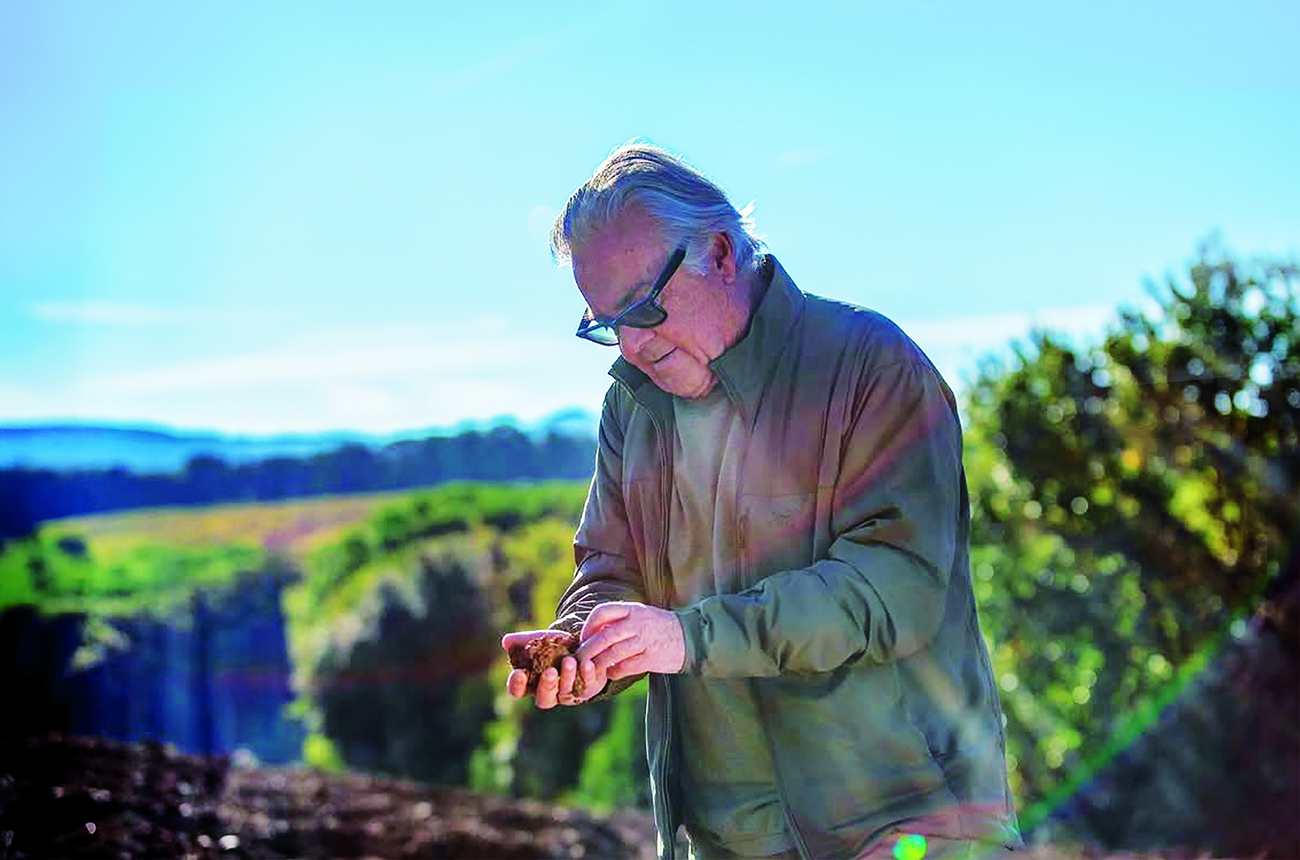
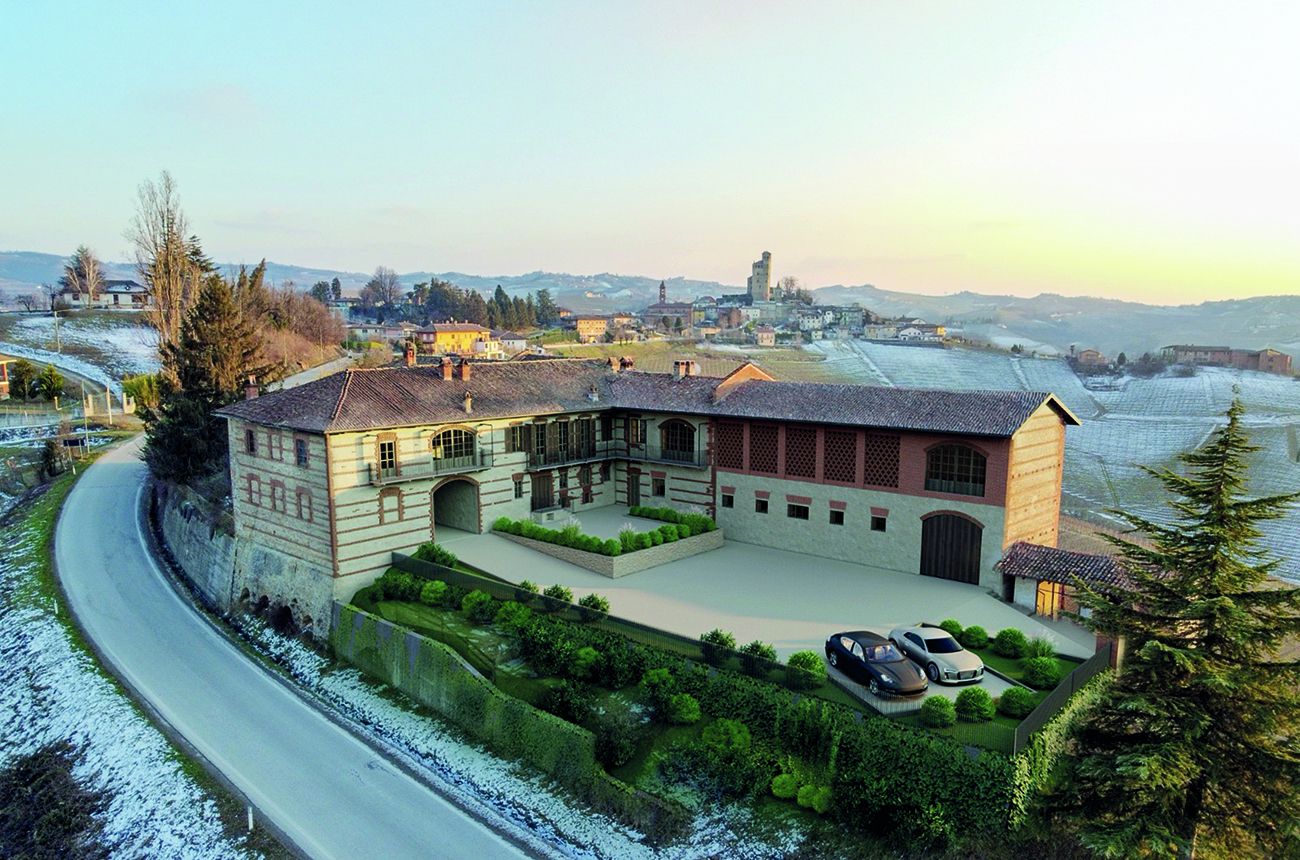
In Piedmont, the departure of Luca Currado Vietti and Elena Penna from the iconic Vietti estate in 2023 marked the end of an era. However, rather than retiring, the couple established Cascina Penna-Currado, headquartered in a 16th-century farmhouse in Serralunga d’Alba. This new venture is a family-centric project involving their children, Giulia and Michele, and is built on the premise of questioning long-held assumptions about the Langhe.
The centerpiece of the project is a seven-hectare site in San Sebastiano, Monforte d’Alba. At 470 meters, this site was historically considered too high and too cool for premium viticulture. In the current era of "torrid vintages," however, its constant winds and proximity to woodland have become strategic advantages.
With an annual production limited to 40,000 bottles, Cascina Penna-Currado focuses on "freedom of scale." This allows for labor-intensive techniques such as the use of whole clusters in red wine fermentation and the use of Clayver ceramic vats for aging. Their white wine, made from the Timorasso grape, is harvested early to maintain a lower alcohol content (around 13%), prioritizing longevity and freshness over the immediate "gasoline" notes typical of the variety.
The Cooperative Evolution Cantina Terlano and Andriano
Diversification is not limited to private estates; it is also occurring within the cooperative model. Cantina Terlano, widely regarded as one of the world’s premier white wine producers, expanded its influence in 2008 by forming an alliance with Cantina Andriano, the oldest cooperative in Alto Adige.
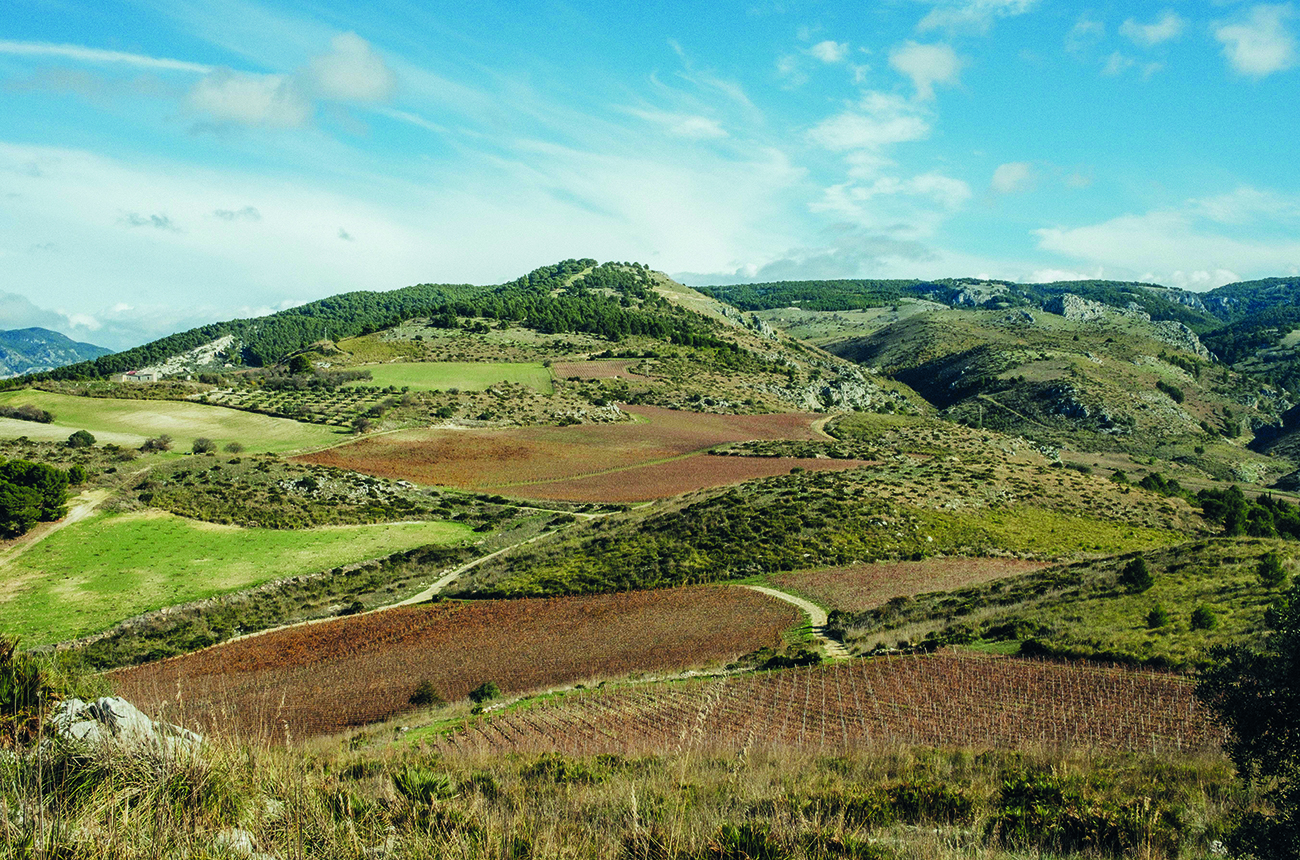
While Andriano’s growers remain independent, all winemaking is now conducted at Terlano’s state-of-the-art facility under the supervision of Rudi Kofler and Klaus Gasser. The alliance allows for a comparative study of two distinct terroirs: Terlano’s quartz-rich soils versus Andriano’s limestone-heavy, east-facing slopes.
The Andriano wines, particularly the Doran Riserva Chardonnay, offer a more perfumed, "alpine" profile compared to the textural richness of Terlano’s Pinot Bianco. This partnership demonstrates how established entities can use side projects to revitalize struggling historical institutions while expanding their own technical understanding of regional microclimates.
Redefining Montalcino Santiago Marone Cinzanos Lot 1
At Col d’Orcia, one of Montalcino’s largest and most traditional estates, Santiago Marone Cinzano is spearheading a parallel project titled Conti Marone Cinzano. Launched shortly after he joined the family business in 2017, the project seeks to solve a modern viticultural dilemma: how to maintain consistency in an era of climatic volatility.
The core of the project is "Lot 1," a Brunello di Montalcino that breaks the traditional "single-vineyard" mold. Instead of using the same plot every year, Marone Cinzano selects a specific parcel from Col d’Orcia’s 108 hectares of Sangiovese based on which performed best in that specific vintage’s conditions. For example, in the humid 2020 vintage, the wind-exposed Fontillatro vineyard was chosen, whereas in 2021, a higher-altitude plot was used to avoid frost.
This method prioritizes "analytical consistency" over territorial fixity. By focusing on grapes with the most polymerized tannins and employing gentle extraction, Marone Cinzano is catering to a younger generation of consumers who favor elegance over the high-tannin, muscular styles traditionally associated with southern Montalcino.
Broader Impact and Industry Implications
The rise of these boutique side projects reflects a broader maturation of the Italian wine industry. There is a growing recognition that "bigness" is often the enemy of innovation. By creating smaller, separate entities, Italy’s wine icons can experiment with biodynamics, high-altitude planting, and non-traditional grape varieties without risking the core brand identity of their flagship estates.
Furthermore, these ventures provide a crucial pathway for succession. In many cases, such as Tenuta del Nicchio or Cascina Penna-Currado, the side project serves as a training ground for the next generation of the family, allowing them to build something from the ground up rather than simply inheriting a finished product.
Finally, from a market perspective, these projects offer high-end consumers a "new entry point" into the portfolios of legendary producers. While the mother estates may remain out of reach for many due to price or scarcity, these innovative side projects provide a taste of a master’s signature style, often with a contemporary twist that reflects the future of Italian winemaking. As the climate continues to shift and global tastes evolve, these visionary side projects may well become the benchmarks of the next century.