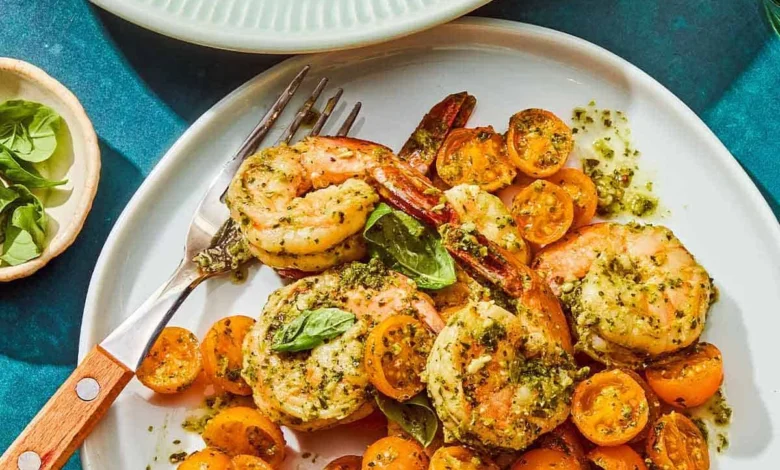
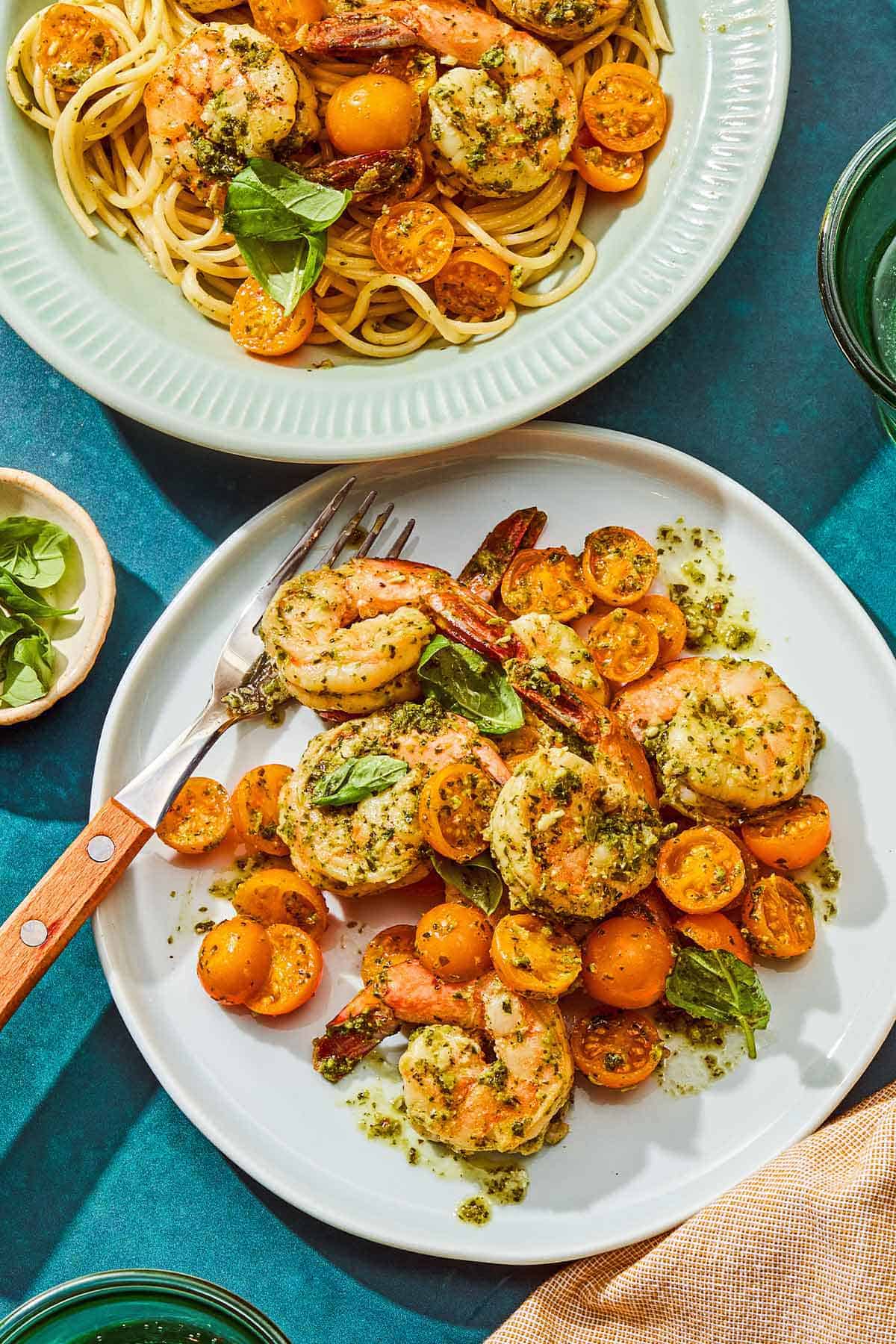
The culinary landscape of the modern home kitchen is increasingly defined by agility and the ability to pivot when standard staples—like pasta—are unavailable. A recent development in home-cooking trends, exemplified by the emergence of the pesto shrimp skillet, illustrates a shift toward high-protein, low-carbohydrate, and time-efficient meals. By combining seared shrimp with fresh cherry tomatoes and basil-based pesto, this dish has transitioned from a situational necessity into a staple of contemporary Mediterranean-inspired home dining.
The Origins of the Skillet-Based Shift
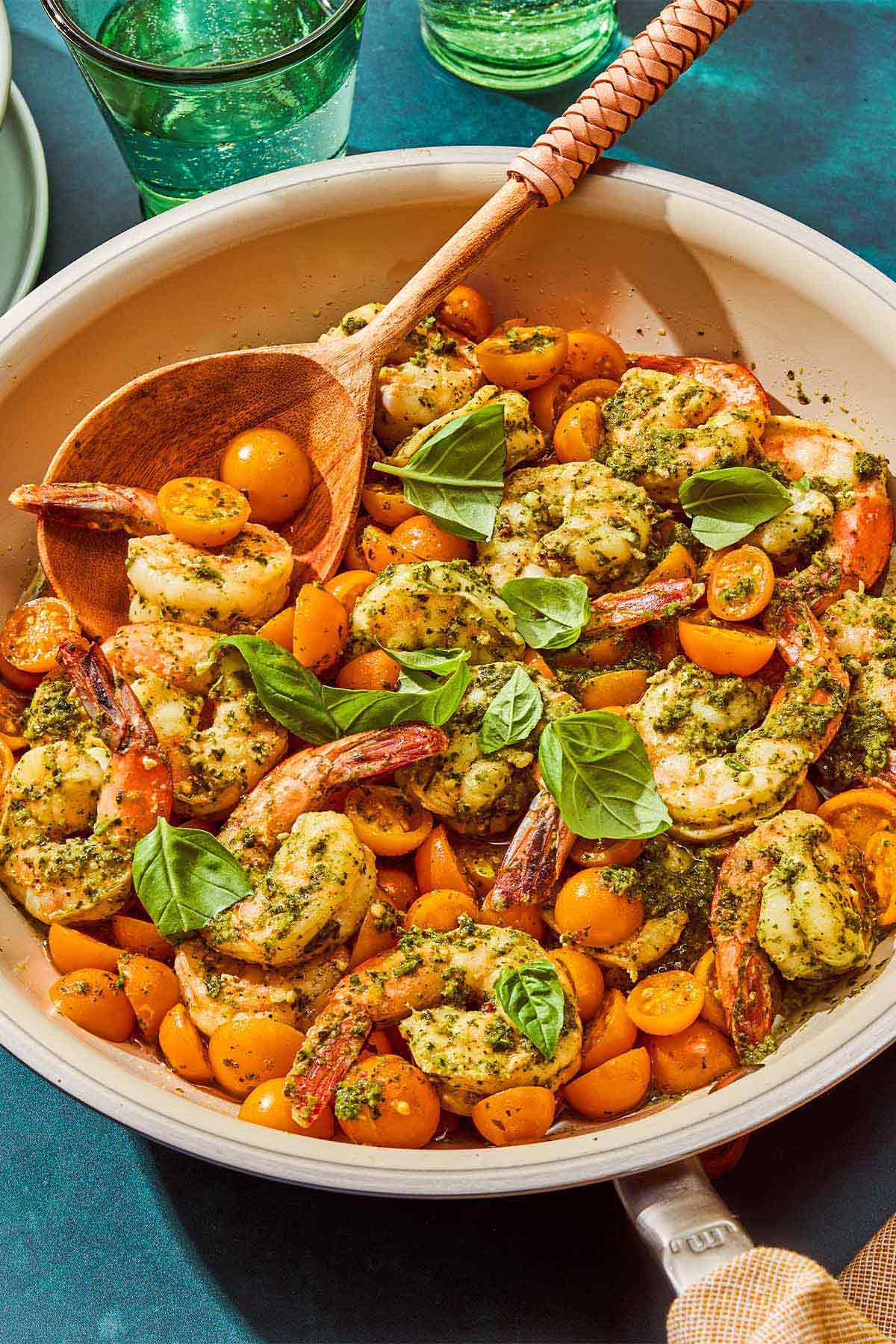
The concept of the pesto shrimp skillet emerged as a direct response to pantry volatility. Culinary experts note that during the summer months, the abundance of fresh, seasonal produce such as cherry tomatoes often dictates meal planning. When a pantry staple like dried pasta is removed from the equation, the focus shifts to the primary protein and the aromatic quality of the sauce.
In this specific culinary evolution, the shrimp serves as the structural foundation of the dish. Unlike traditional pasta-based meals, which rely on carbohydrates to absorb and distribute the pesto, this preparation utilizes the natural salinity and texture of the shrimp to carry the herb-forward flavor profile. The result is a dish that aligns with broader nutritional trends favoring lean proteins and non-starchy vegetables.
Nutritional Profile and Dietary Implications
From a nutritional standpoint, the pesto shrimp skillet provides a significant departure from grain-heavy evening meals. According to standardized nutritional analysis for this dish, a single serving contains approximately 245.8 calories, with 17.5 grams of protein and only 8.7 grams of carbohydrates. The low glycemic load makes this an attractive option for consumers managing insulin sensitivity or those adhering to ketogenic or Mediterranean-style diets.
The fat content, measured at 16 grams per serving, is primarily derived from the olive oil and pine nuts found in traditional basil pesto. These are characterized by monounsaturated fats, which are widely recognized in nutritional science for their cardiovascular benefits. Furthermore, the inclusion of fresh cherry tomatoes adds a significant dose of Vitamin C and lycopene, an antioxidant linked to skin health and cellular protection.
Chronology of Preparation
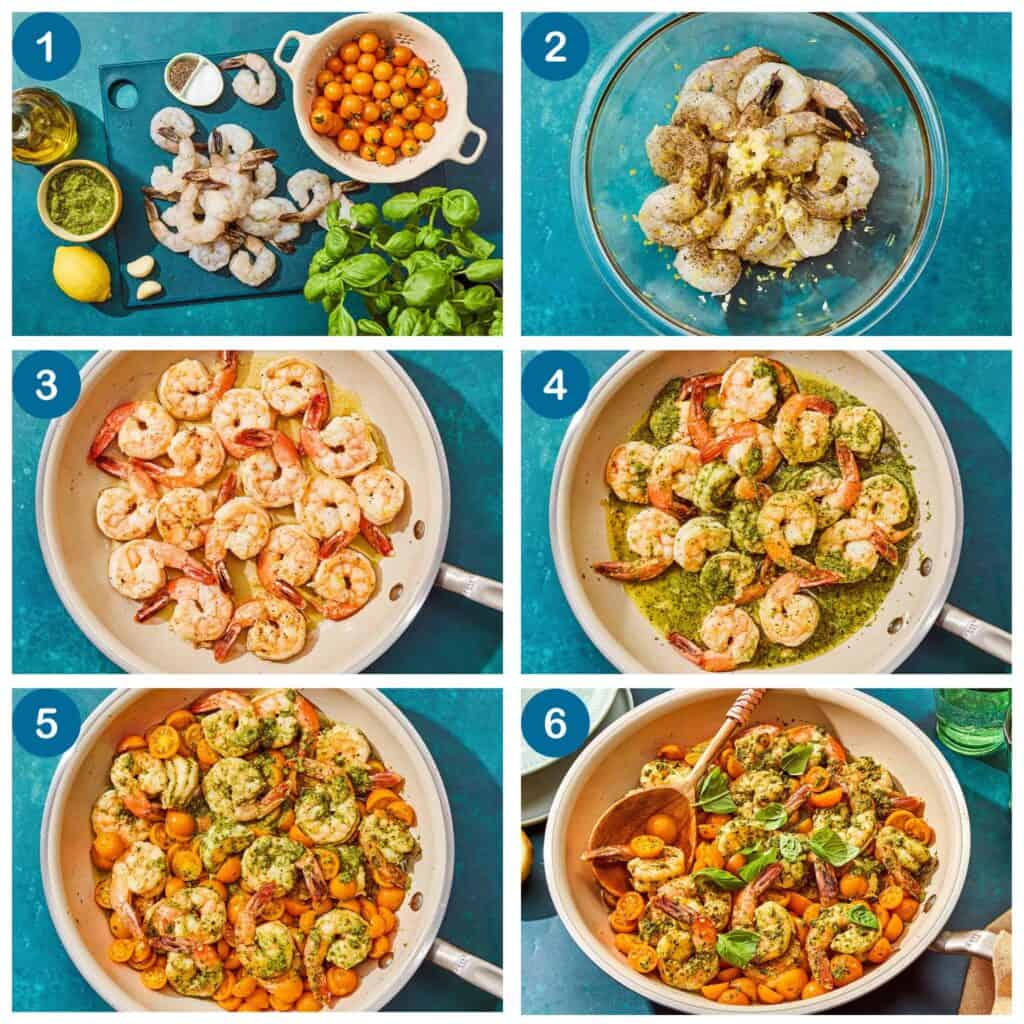
The efficiency of this dish is a primary factor in its rising popularity among busy demographics. A standard preparation timeline follows a strictly optimized flow:
- Preparation (0–5 minutes): The process begins with the preparation of the protein. Deveining and cleaning fresh shrimp is the most time-intensive phase; however, the use of pre-processed, high-quality frozen shrimp can reduce this window to seconds.
- Marination (5–15 minutes): The shrimp are tossed with lemon juice and minced garlic. This brief window allows for the infusion of citrus acidity, which serves to tenderize the protein before the sear.
- The Sear (15–20 minutes): Using a hot skillet—ideally cast iron or stainless steel—the shrimp are seared for approximately 2 to 3 minutes per side. This reaction, known as the Maillard reaction, creates the complex flavor profile essential to the dish.
- Integration (20–22 minutes): The residual heat of the pan is used to warm the cherry tomatoes and the pesto. By avoiding high-heat cooking for the vegetables, the tomatoes retain their structural integrity and "pop," providing a textural contrast to the firm, opaque shrimp.
Culinary Methodology and Technical Execution
The success of this dish relies on the technical execution of the temperature. Because shrimp are highly susceptible to overcooking, the transition from raw to opaque must be carefully monitored. The integration of pesto at the final stage—post-flame—prevents the separation of the oil from the herbs, a common failure point in heated pesto applications.
Furthermore, the choice of oil is a significant variable. Culinary experts emphasize the use of high-quality, cold-extracted extra virgin olive oil. The Nocellara del Belice variety, for instance, is frequently cited for its buttery profile and low acidity, which complements the herbaceous notes of the basil without overpowering the delicate sweetness of the shrimp.
Market Trends and Consumer Behavior
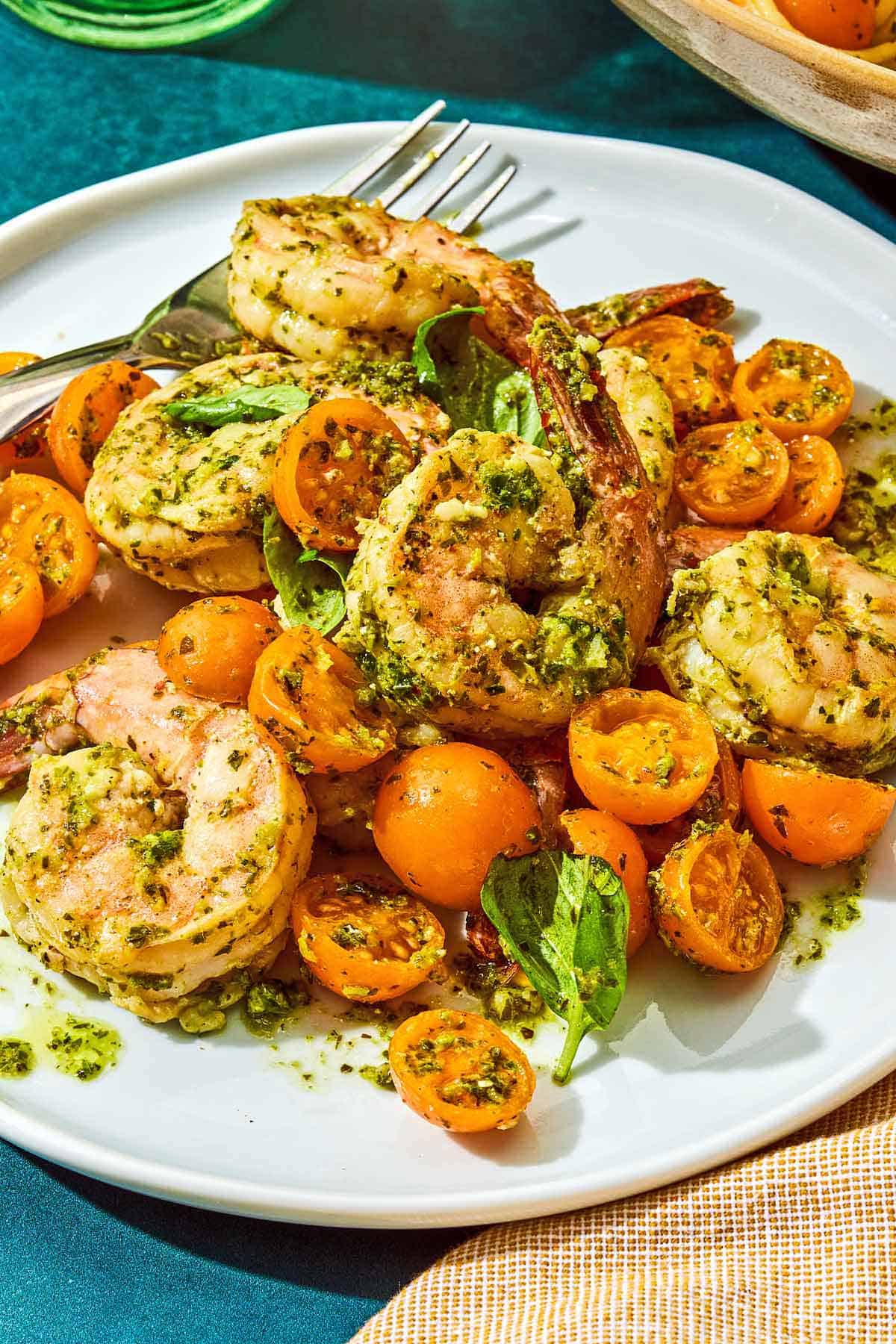
The shift toward skillet-based meals is a reflection of broader societal trends regarding time management and health consciousness. According to retail data from the past fiscal year, sales of convenience-focused proteins, such as peeled and deveined shrimp, have seen a steady increase in urban markets. Consumers are increasingly seeking "low-labor" meals that do not sacrifice ingredient quality.
The "no pasta" constraint, once a hurdle, is now being framed by food writers as an opportunity for culinary creativity. By removing the dependency on shelf-stable grains, home cooks are forced to engage with fresh, whole-food ingredients. This behavior mirrors a larger movement in the culinary arts that favors "skillet-to-table" service, reducing both prep time and cleanup, while highlighting the natural aesthetics of the plated food.
Broader Impact on Home Cooking
The democratization of professional cooking techniques—such as the rapid searing of shellfish—has empowered home cooks to replicate restaurant-quality results with minimal equipment. The pesto shrimp skillet serves as a microcosm of this trend. It requires only a single pan, a heat source, and a handful of fresh ingredients, lowering the barrier to entry for novice cooks.
Industry observers suggest that the longevity of this recipe’s popularity lies in its versatility. While the base recipe calls for shrimp and tomatoes, the methodology is easily adapted for other proteins, such as scallops, white fish, or even tofu. This adaptability ensures that the recipe remains relevant regardless of seasonal shifts in produce availability or individual dietary restrictions.
Official Perspectives and Recommendations
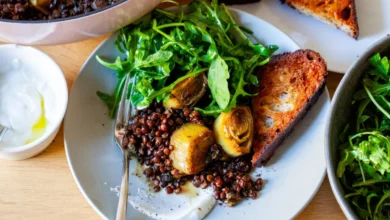
Nutritionists and chefs alike advocate for the inclusion of a "side component" to round out the meal. The recommendation to pair the dish with a crisp green salad or a rustic, crusty bread is not merely an aesthetic choice; it serves a functional purpose. The salad provides a crunchy, acidic counterpoint to the rich, herbaceous pesto, while the bread serves as a vehicle for the sauce, which is often left behind in the skillet.
Regarding beverage pairings, the consensus among sommeliers and home-dining experts favors wines with high acidity. A Sauvignon Blanc, particularly one with mineral notes, cuts through the richness of the pesto. For those preferring non-alcoholic options, a diluted rose-scented lemonade or sparkling water with a heavy garnish of fresh mint and citrus can achieve a similar palate-cleansing effect.
Conclusion
The pesto shrimp skillet is more than a solution to a missing ingredient; it is a testament to the efficiency of modern home cooking. By prioritizing high-quality proteins and fresh produce, and by utilizing straightforward cooking techniques, the dish offers a sophisticated dining experience with minimal labor. As consumers continue to balance the demands of busy professional lives with the desire for nutrient-dense, flavorful meals, it is likely that the "skillet-first" approach will continue to influence domestic culinary trends for the foreseeable future. The combination of speed, flavor, and nutritional value ensures that this dish will remain a fixture in home kitchens, serving as a reminder that even the most unplanned culinary moments can result in a lasting, reliable, and delicious standard.