Teriyaki Chicken with Ginger Peaches and Sesame Drench Is My Fresh Summery Reset Meal

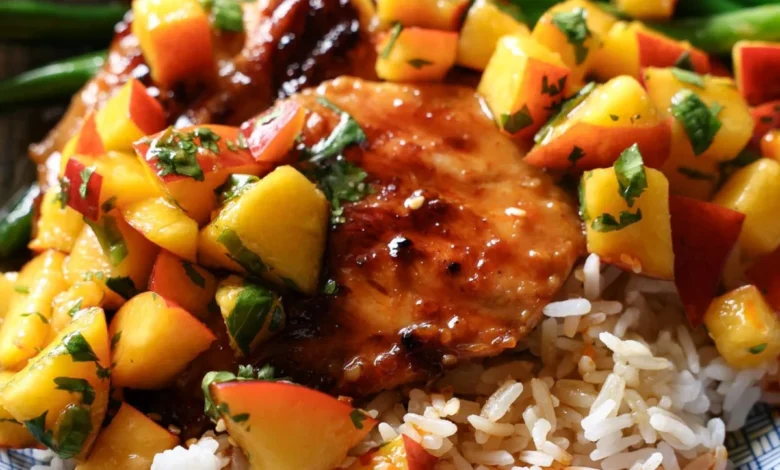
As the lazy days of summer begin to wind down, households across the country frequently find themselves navigating a culinary transition. Following weeks of unstructured road trips, casual poolside barbecues, and convenient on-the-go snacking—a period culinary enthusiasts often refer to as peak "YOLO mode"—many families experience a collective desire to recalibrate their diets. Amid this seasonal pivot, home cooks and food developers are increasingly turning toward recipes that bridge the gap between comforting indulgence and vibrant, nutrient-dense freshness. One such dish capturing the attention of seasonal eaters is teriyaki chicken paired with bright ginger peaches and a rich sesame drench.
The culinary concept relies on a delicate balance of savory, sweet, and umami flavor profiles. By combining smoky, grilled teriyaki chicken served over a bed of steamed rice with a refreshing topping of diced peaches infused with fresh ginger, the dish offers a sophisticated contrast to heavier, fat-laden summer fare. A generous drizzle of a savory sesame-based sauce ties the components together, providing depth and complexity that elevates a simple weeknight dinner into a restaurant-quality meal.
The Seasonal Eating Paradigm: Balancing Indulgence and Reset
Dietary habits during the summer months typically fall into two distinct categories: highly structured, lighter meal preparation centered around fresh produce, and spontaneous, comfort-driven eating dictated by outdoor activities and vacations. Nutritional experts note that while summer offers an abundance of fresh fruits and vegetables, it is also a period marked by irregular eating schedules and higher consumption of processed convenience foods during travel.

By late August, the cumulative effect of these dietary shifts often prompts individuals to seek out "reset" meals. These are dishes designed to utilize the absolute peak of late-summer produce—such as stone fruits—while reintroducing lean proteins and wholesome grains. Peaches, in particular, reach their peak ripeness and optimal sugar levels during this window, making them an ideal candidate for both sweet and savory culinary applications. Incorporating fruit into savory proteins is a longstanding culinary tradition in many global cuisines, offering a natural sweetness that cuts through the richness of soy-based glazes and toasted sesame oils.
Recipe Anatomy: Key Components and Preparation
The appeal of this late-summer reset dish lies in its modular preparation, which accommodates both large family gatherings and quiet weeknight dinners for two. Culinary testing of the recipe highlights three primary elements:
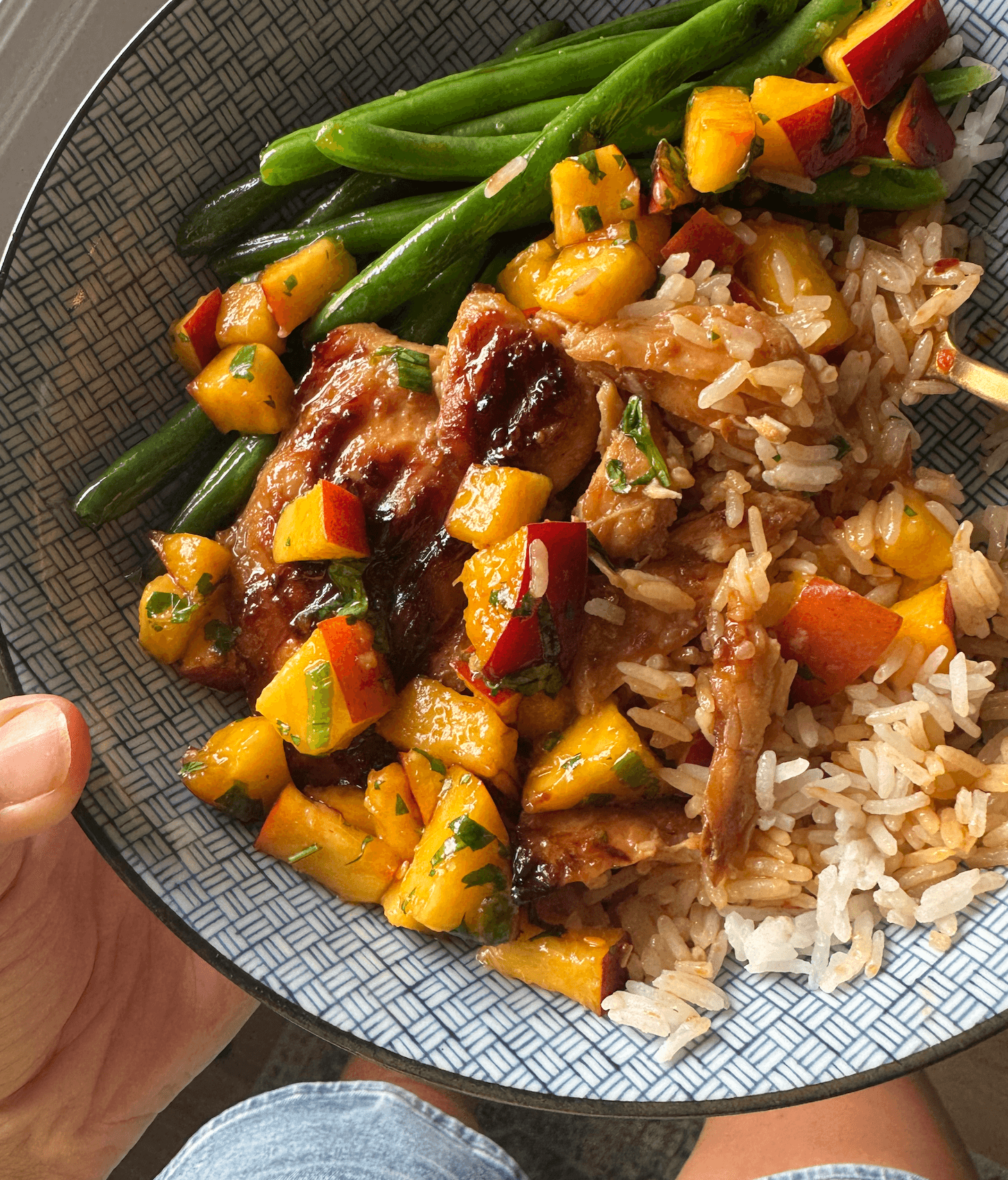
- The Teriyaki Chicken: Traditionally marinated and grilled to achieve a smoky char, the chicken provides a savory, protein-rich foundation. The use of thighs or breasts depends on personal preference, though thighs offer a higher fat content that stays exceptionally juicy over direct flame.
- The Ginger Peaches: Freshly diced peaches tossed with minced ginger and subtle aromatics create a bright salsa-like topping. The acidity and natural sugars of the fruit, tempered by the sharp bite of raw ginger, provide a cooling contrast to the warm protein.
- The Sesame Drench: A rich emulsification of toasted sesame oil, soy sauce, rice vinegar, and garlic creates a cohesive sauce that permeates the rice, chicken, and fruit, ensuring that every bite delivers a harmonious blend of flavors.
Home cooks have adapted the recipe for various social settings. For larger family reunions—encompassing multiple generations from grandparents to young children—the dish proves adaptable. Adult portions feature the fully integrated ginger-peach topping and sesame drench, while simpler adaptations, such as plain sliced peaches, cater to younger palates without sacrificing the shared seasonal theme.
Nutritional and Economic Impact of Late-Summer Produce Utilization
From a broader economic and agricultural perspective, peak-season recipes play a vital role in supporting local food economies. August and September mark the height of stone fruit harvesting in major agricultural regions across North America, including California, the Pacific Northwest, and parts of the Mid-Atlantic and Southeast.

According to agricultural market reports, consumer demand for locally sourced stone fruits surges during the late summer months. Recipes that incorporate fresh peaches into main courses rather than traditional desserts help drive agricultural sales during a critical window for orchard operators. Furthermore, nutritionists emphasize that incorporating fresh, whole fruits into protein-centered meals increases dietary fiber intake and provides essential micronutrients such as Vitamin C, potassium, and antioxidants, supporting post-vacation wellness goals.
Broader Culinary Trends: The Evolution of Weeknight Dinners
The popularity of dishes like teriyaki chicken with ginger peaches reflects a broader shift in consumer cooking habits observed over recent years. Culinary surveys indicate an increasing preference for "fusion-adjacent" home cooking—meals that borrow familiar flavor frameworks, such as Japanese-inspired teriyaki, and incorporate unexpected seasonal ingredients, like American stone fruits.
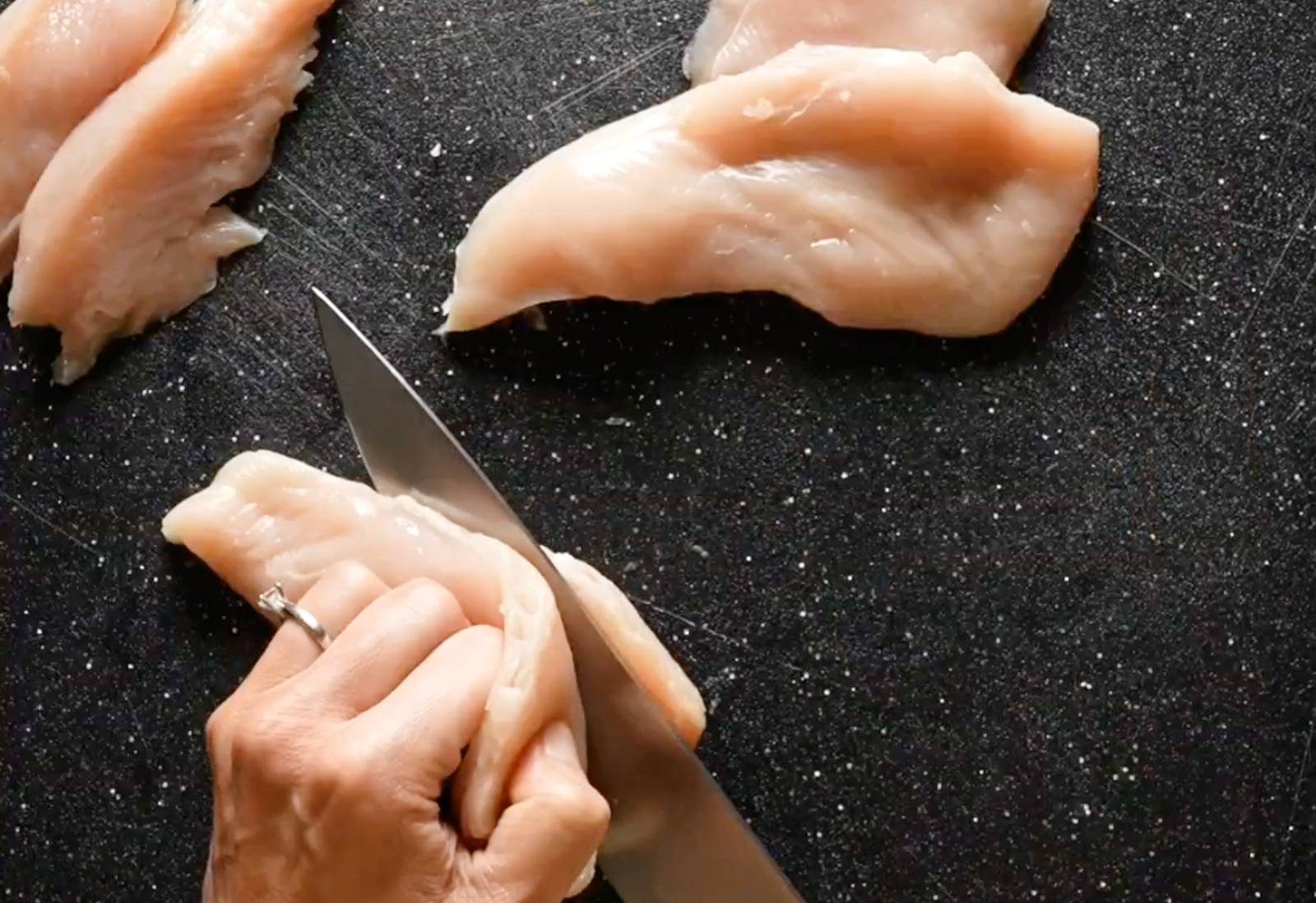
This trend is largely driven by digital food media, where short-form video content and recipe blogs provide step-by-step visual guidance for home cooks seeking inspiration beyond standard weekly rotations. Food trend analysts note that recipes emphasizing visual appeal, textural contrast, and rapid preparation times consistently outperform traditional comfort food recipes during seasonal transition periods.
As consumers increasingly prioritize meals that feel both indulgent and health-conscious, the intersection of grilled proteins and fresh, seasonal produce is expected to remain a staple of late-summer home cooking. Whether prepared for a solitary family weeknight or a sprawling multi-generational backyard gathering, the teriyaki chicken and ginger peach combination exemplifies the adaptability required in modern home kitchens, proving that seasonal resets do not require sacrificing culinary creativity or robust flavor.