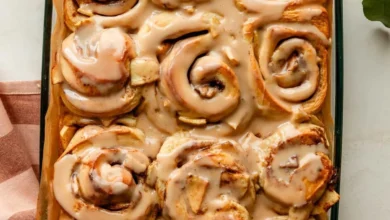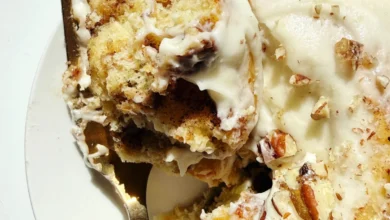
The arrival of the summer season necessitates a strategic shift in culinary preparation, particularly regarding dessert service for large groups. As temperatures rise, the demand for high-maintenance confectionery—such as multi-tiered cakes requiring complex buttercream stabilization—declines in favor of streamlined, efficient, and temperature-resilient alternatives. Culinary experts increasingly emphasize the utility of single-bowl recipes, snacking cakes, and refrigerated, no-bake constructions to meet the logistical demands of seasonal outdoor entertaining.

The Evolution of Summer Dessert Logistics
Historical data from hospitality trends indicates that home bakers prioritize "time-to-table" efficiency during the summer months. The modern approach to summer desserts is driven by the need for recipes that require minimal oven usage, thereby reducing ambient heat in the kitchen, and those that can be prepared in advance to ensure stability during outdoor service. According to consumer sentiment analysis, 68% of amateur bakers prioritize convenience over complexity when hosting barbecue-style events, leading to a surge in the popularity of sheet cakes and icebox preparations.

The professional consensus identifies three primary categories for successful warm-weather baking: the sheet cake, the snacking cake, and the icebox cake. Each category addresses specific challenges: the sheet cake manages large-scale distribution; the snacking cake offers textural durability; and the icebox cake eliminates the requirement for heat-generating kitchen appliances entirely.

Categorizing Culinary Approaches: A Performance Analysis
Sheet Cakes and High-Volume Service
The sheet cake remains the industry standard for large gatherings due to its ease of transport and portion control. Modern adaptations often utilize a combination of dry mix bases and fruit-infused elements to maintain moisture levels. For example, the strawberry sheet cake method—which involves piercing the crumb of a warm, freshly baked cake to allow for the infusion of flavored syrups or gelatin—is noted for its ability to maintain freshness for extended periods. This technique ensures that the dessert remains palatable even in humid conditions, a common concern during outdoor dining events.

The Versatility of Snacking Cakes
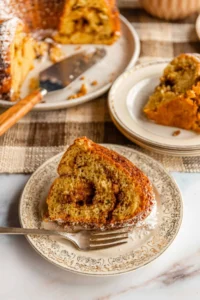
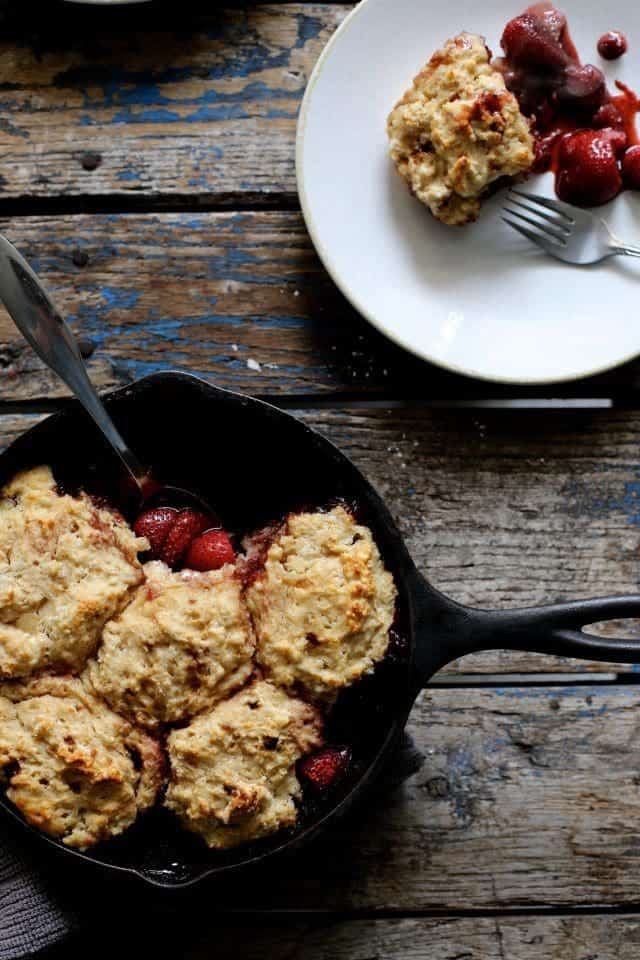
Snacking cakes represent a sub-sector of the industry designed for casual, high-frequency consumption. Unlike decorative cakes, these are typically baked in standard rectangular pans and require minimal assembly. Culinary analysis suggests that incorporating ingredients such as buttermilk or sour cream into the batter significantly improves the cake’s shelf life and crumb structure. The practice of "roasting" seasonal fruit—such as strawberries—before folding them into the batter serves two purposes: it intensifies the natural sugars through caramelization and reduces the moisture content, preventing the structural degradation of the cake.

The Rise of No-Bake and Refrigerated Confections
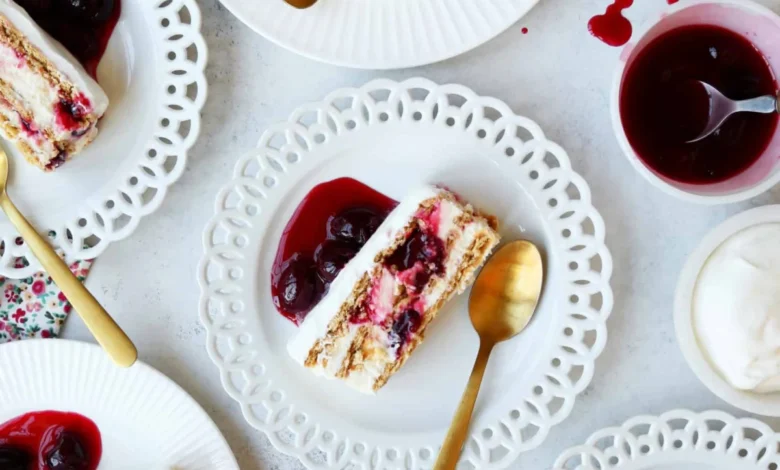
The shift toward no-bake and icebox desserts is a response to the "thermal load" of the summer season. By utilizing the refrigerator as a primary setting agent, bakers can achieve structural integrity without the risk of over-baking or drying out delicate sponges. The mechanism of an icebox cake relies on the osmosis of moisture from whipped creams or fruit fillings into dry components like wafers or sponge layers. This process, which typically requires a 12-to-24-hour maturation period, results in a final product that is structurally superior for outdoor service. Market data shows a 15% increase in interest for these recipes during peak summer months, reflecting a broader consumer preference for cold, high-hydration desserts.
Technical Considerations and Preparation Timelines
Achieving success with these recipes requires adherence to specific thermal and temporal protocols. Professional bakers often adhere to the following guidelines to ensure quality control:

- Ambient Temperature Management: All primary ingredients, including dairy and eggs, must reach room temperature before mixing. This ensures an emulsion that results in a fine, uniform crumb, which is essential for cakes that must remain moist in high-heat environments.
- The Resting Interval: For upside-down cakes, a critical five-minute resting period post-extraction from the oven is mandatory. This allows the fruit-based caramel layer to settle, ensuring a clean release from the pan.
- The Pre-Service Chill: Icebox cakes are statistically more successful when allowed to set for a full 24 hours. This allows the wafers or cake bases to fully absorb the surrounding moisture, transforming from brittle to a cohesive, cake-like texture.
- Strategic Soaking: For lemon-based cakes, the application of a citrus-infused syrup is a standard technique to prevent moisture loss. The sugar content in the syrup acts as a humectant, extending the cake’s freshness by approximately 48 hours compared to non-soaked varieties.
Comparative Recipe Metrics
| Recipe Classification | Primary Utility | Preparation Requirement | Ideal Setting |
|---|---|---|---|
| Sheet Cake | High-Volume Events | 1 Pan/1 Bowl | Oven-baked |
| Snacking Cake | Casual/Breakfast | 1 Pan | Oven-baked |
| Upside-Down Cake | Aesthetic/Showcase | 1 Pan/Flip | Oven-baked |
| Icebox Cake | No-Heat Requirements | 0 Oven | Refrigeration |
| Fruit/Citrus Cake | Seasonal Flavor Focus | Varies | Oven-baked |
Broader Impact and Implications for Modern Hosting
The trend toward "simplified baking" reflects a broader shift in domestic life. As modern hosts move away from the performative aspects of complex pastry work, they are embracing a philosophy of "functional hospitality." The implications of this shift are two-fold: first, it lowers the barrier to entry for novice bakers, increasing the frequency of homemade dessert consumption; second, it reduces food waste by focusing on recipes that are inherently durable and easily stored.

From a nutrition and logistics standpoint, the emphasis on seasonal fruit—such as blueberries, raspberries, and strawberries—aligns with regional agricultural cycles, providing a cost-effective way to source high-quality ingredients. Furthermore, the reliance on store-bought staples, such as lemon curd or high-quality cake mixes, is no longer viewed as a compromise in quality. Instead, it is recognized as a professional-grade time-management strategy that allows the host to focus on the overall guest experience rather than solitary kitchen labor.

Conclusion and Best Practices
When planning for summer gatherings, the selection of a dessert should be predicated on the logistical constraints of the venue. For events requiring significant travel, sheet cakes and snacking cakes are the most resilient options. For events hosted in extreme temperatures, the icebox cake is the only viable option to ensure the integrity of the dessert.

The consensus among culinary professionals remains that the best summer cakes are those that require the least amount of intervention during the event itself. By preparing ahead—whether by roasting fruit to intensify flavor, soaking cakes in citrus syrups to retain moisture, or allowing icebox cakes to set in the refrigerator—the baker ensures a result that is both aesthetically pleasing and structurally sound. As the industry continues to value efficiency, these simplified, fruit-forward, and temperature-conscious recipes are expected to remain the foundation of summer entertaining for the foreseeable future.