The Rise of Easter Baking Trends: How Carrot Cake Cinnamon Rolls Are Reshaping Spring Holiday Menus

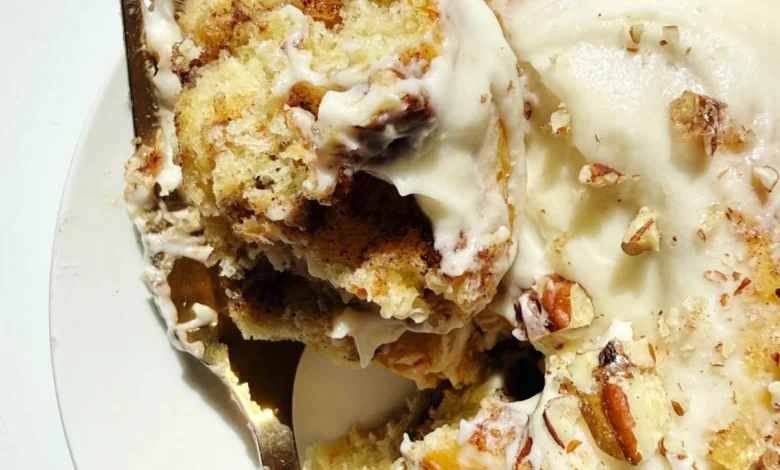
The culinary landscape of spring holidays has experienced a notable evolution in recent years, shifting away from rigid traditional menus toward creative, hybrid comfort foods that blend nostalgic flavors with modern baking techniques. Among the frontrunners of this seasonal shift is an inventive hybrid pastry: the carrot cake cinnamon roll. Adapted from the cookbook 100 Morning Treats by renowned food writer and recipe developer Sarah Kieffer, this individual-portion pastry combines the warm, spiced flavor profile of traditional carrot cake with the pillowy, rich texture of classic gooey cinnamon rolls. As home bakers look for elevated breakfast options for Easter Sunday and spring celebrations, this fusion pastry has emerged as a focal point of seasonal baking discussions, capturing both domestic and commercial interest.
Evolution of Holiday Breakfast Traditions and the Rise of Hybrid Pastries
For generations, holiday breakfasts and brunches adhered to strict categorical boundaries. Easter morning menus typically featured traditional roasted ham, deviled eggs, hot cross buns, and distinct, standalone desserts such as classic layered carrot cakes finished with cream cheese frosting. However, contemporary baking trends increasingly favor cross-cultural or cross-recipe hybrids—culinary innovations that merge two distinct comfort foods into a single, cohesive dish.
The concept of transforming a traditional layer cake into a yeasted breakfast roll is part of a broader movement within modern baking culture. Consumers and culinary professionals alike are seeking ways to maximize flavor complexity while simplifying holiday preparation. By taking the foundational flavor elements of a spiced carrot cake—finely grated carrots, warm aromatics like cinnamon and cloves, and rich cream cheese icing—and embedding them into a soft, enriched sweet yeast dough, bakers have created a breakfast item that bridges the gap between morning pastry and afternoon dessert.
Originally presented in 100 Morning Treats as a single, monumental "Giant Carrot Cake Cinnamon Roll," the concept was engineered to serve as a dramatic centerpiece for holiday gatherings. While the giant format proved popular as a visual novelty and a rewarding kitchen project, subsequent recipe adaptations have pivoted toward individual buns. This structural adjustment not only standardizes baking times and portion control but also aligns with modern dining preferences for shareable, individually portioned baked goods.
Culinary Mechanics: Ingredients, Technique, and Texture
The success of the carrot cake cinnamon roll relies heavily on precise baking chemistry, dough structural integrity, and thoughtful ingredient selection. Professional bakers and recipe developers emphasize that creating a successful yeasted pastry with fruit or vegetable additions requires careful management of moisture content and gluten development.
Dough Foundation and Handling
The dough utilized for these rolls is derived from a classic enriched sweet dough base, characterized by higher ratios of fat, dairy, and eggs. Unlike lean artisan breads, enriched doughs require meticulous kneading and structural reinforcement. One of the defining characteristics of this specific formulation is the remarkably high moisture content of the dough immediately following the mixing phase.
According to baking guidelines established during the recipe’s development, the dough remains exceptionally sticky after initial mixing. To manage this consistency without adding excessive flour—which can result in dense, heavy rolls—a mandatory chilling phase is implemented. Refrigerating the dough accomplishes two critical objectives: it firms up the butter and liquid fats within the mixture, making the rolling and shaping process manageable, and it slows down initial yeast fermentation, allowing complex flavors to develop overnight if desired.
Furthermore, culinary technicians highlight the importance of dough folding. Incorporating a deliberate folding sequence during the initial fermentation and handling stages enhances the overall gluten network, giving the dough the tensile strength required to support heavy fillings such as spiced butter, grated carrots, and candied pecans without tearing or leaking during the baking process.
Flavor Profile and Spicing
The aromatic profile of the carrot cake cinnamon roll is anchored by a combination of traditional baking spices. While cinnamon provides the familiar warmth associated with breakfast rolls, the inclusion of a precise pinch of cloves introduces a deeper, more pungent warmth typically found in classic carrot cake recipes.
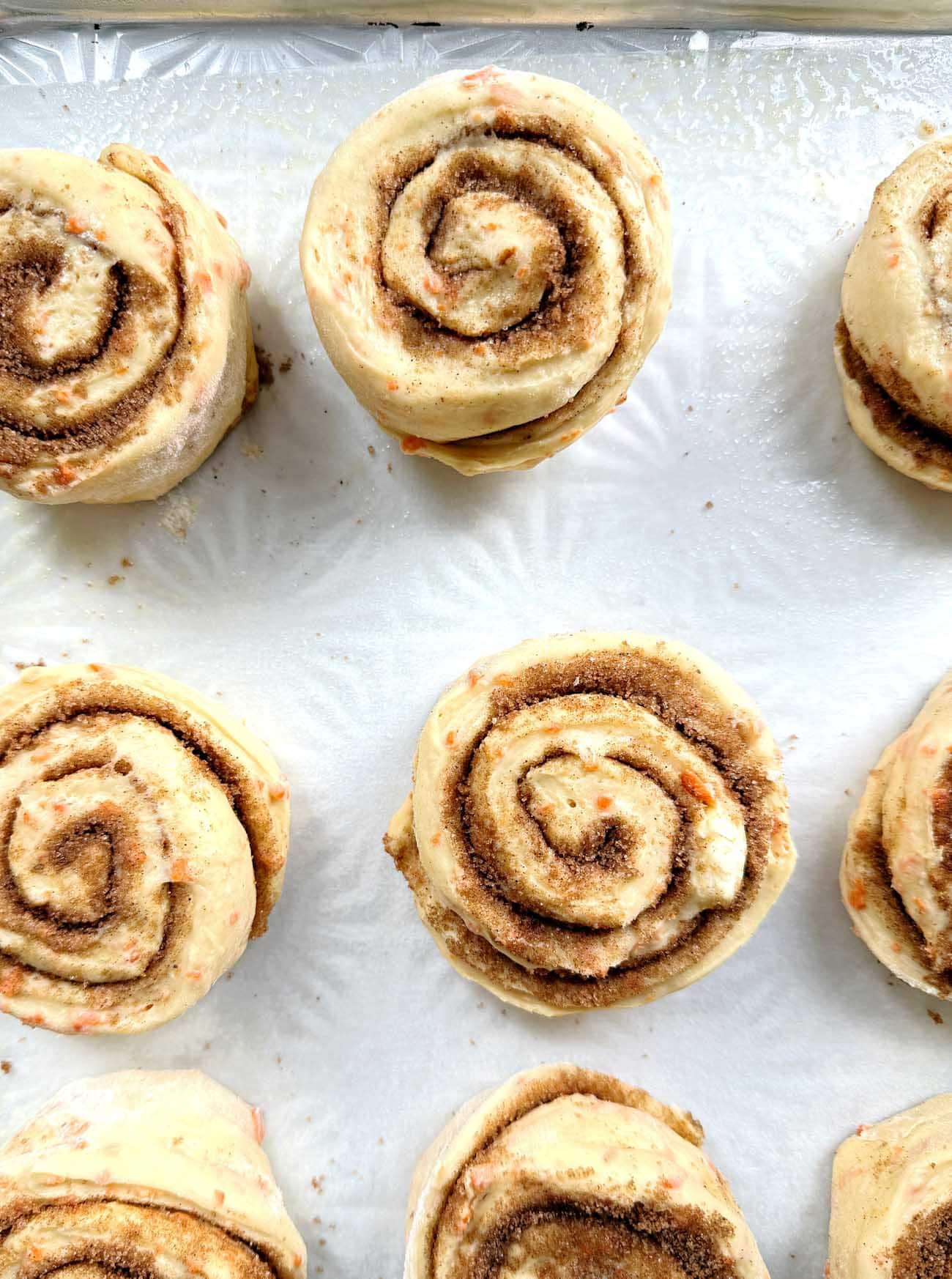
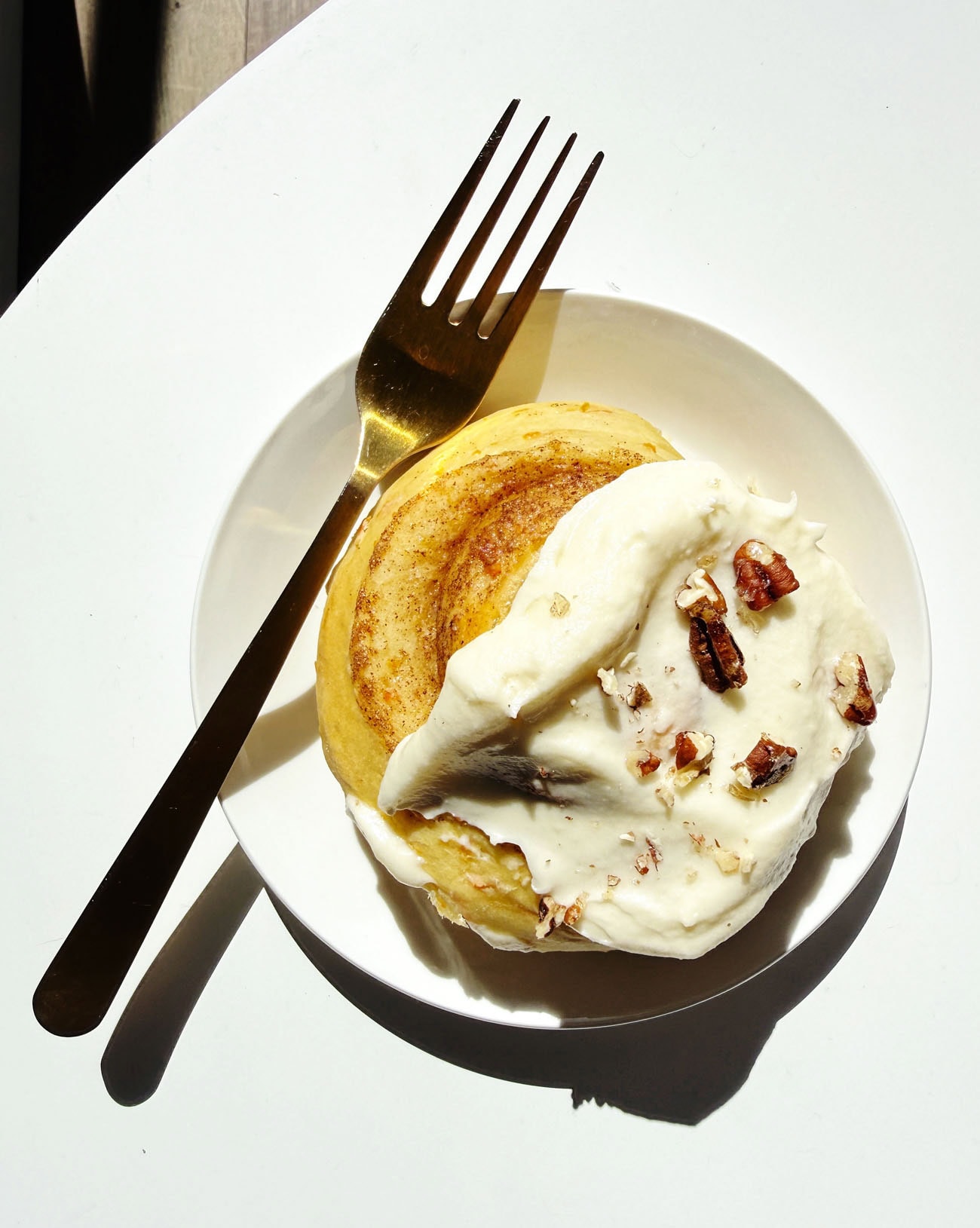
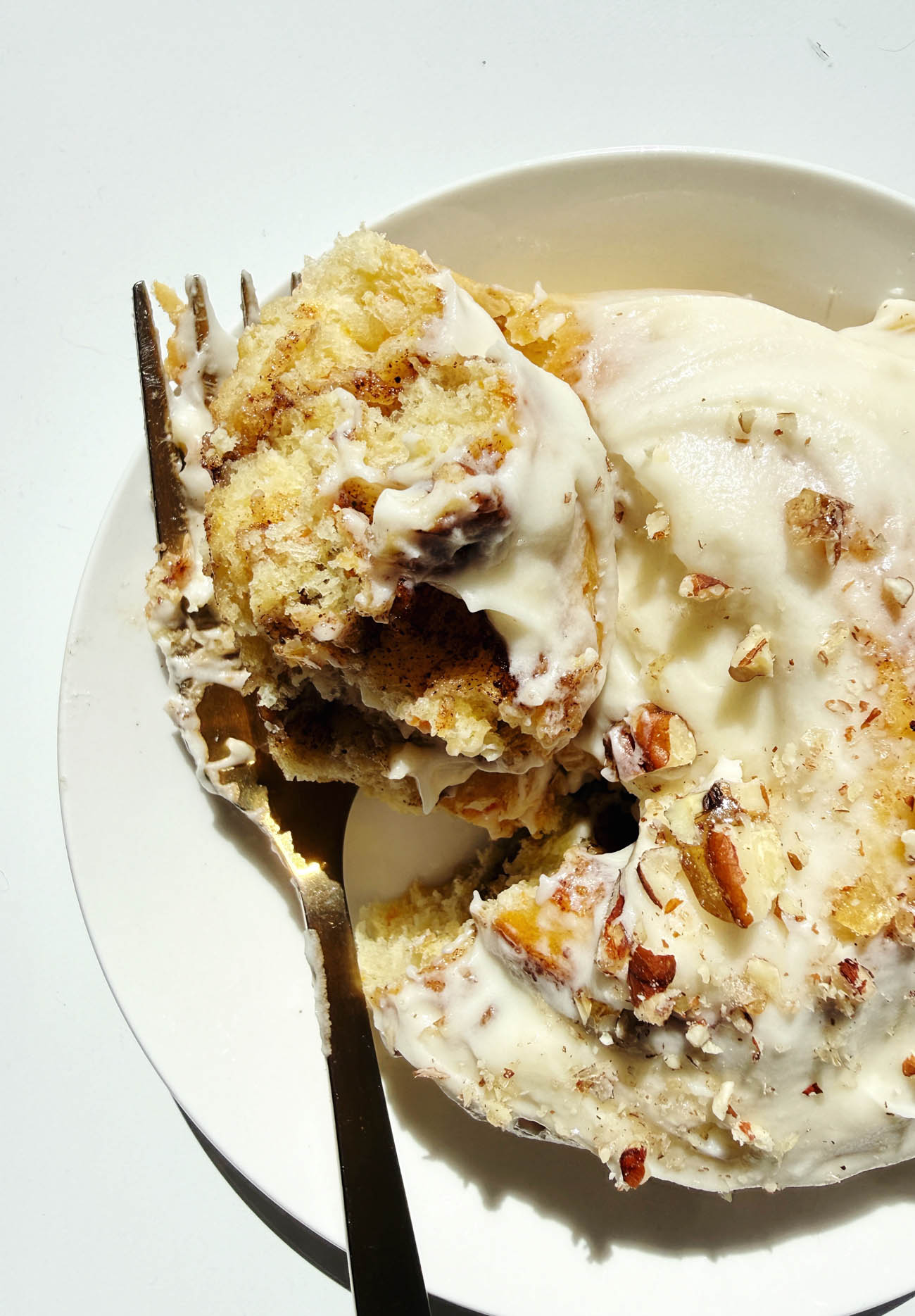
Grated carrots integrated into the dough and filling serve a dual purpose. Beyond imparting a subtle, natural sweetness and the characteristic golden-orange hue of traditional carrot cakes, the moisture from the vegetables contributes to the overall tenderness of the crumb. When baked, the vegetable matter softens completely, leaving behind a delicate texture that contrasts with the rich crunch of a final topping of candied pecans.
Frosting and Temperature Dynamics
One of the most heavily debated technical variables in cinnamon roll preparation is the timing and method of icing application. Culinary preferences generally fall into two distinct camps: those who favor a molten, deeply absorbed glaze that eliminates dry edges, and those who prefer a stable, contrasting white layer that retains a firmer texture and visual contrast.
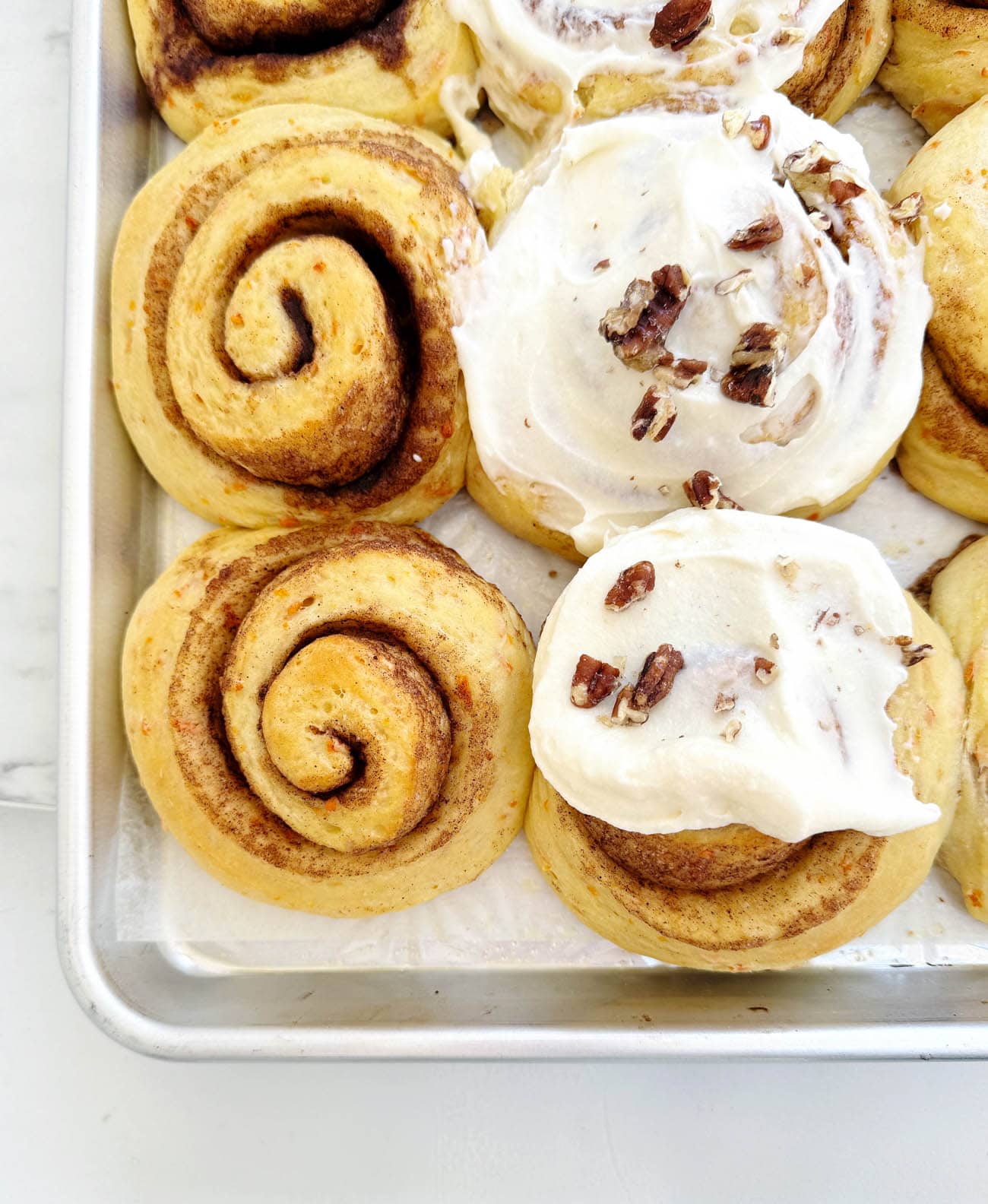
In the development of the carrot cake cinnamon roll, the recommended methodology caters directly to the soft-and-gooey preference demographic. Applying a thin layer of cream cheese-based icing while the pastries are still warm from the oven causes the fat and sugar emulsion to melt directly into the crumb and the crevices of the roll. This technique essentially eliminates hard exterior corners, ensuring a uniform, moist texture throughout the pan. Conversely, bakers who prefer structural contrast can delay icing until the product has completely cooled, resulting in a distinct, opaque layer reminiscent of traditional sheet-cake frosting.
Technical Considerations: Flour Standards and Yeast Viability
For home bakers attempting complex yeasted pastries, material specifications play a decisive role in the final outcome. Variations in commercial flour and leavening agents frequently account for discrepancies between home kitchens and professional test kitchens.
The Standardization of Flour Measurement
One of the primary challenges in international baking communication is the variance in volume measurements versus weight metrics. Culinary literature increasingly stresses the importance of weighing ingredients, particularly flour, to ensure recipe consistency. In the case of professional-grade pastry development, standardized testing indicates that one cup of all-purpose flour reliably averages 142 grams. Because domestic measuring cups can yield flour weights ranging anywhere from 120 grams to over 140 grams depending on packing density and sifting habits, utilizing weight measurements prevents common structural failures such as dry, dense doughs.
Additionally, protein content across different flour brands significantly impacts gluten formation. Unbleached all-purpose flours with moderate protein content—such as those produced by King Arthur Baking Company for yeasted applications—provide the necessary structural elasticity to trap carbon dioxide gas produced by the yeast during fermentation, resulting in a higher, lighter rise.
Yeast Selection and Troubleshooting
The transition from instant yeast to active dry yeast is a common operational hurdle for home bakers. While modern active dry yeast granules are manufactured to a fineness comparable to instant yeast—historically requiring a preliminary dissolution step in warm liquids—recipes can typically accommodate active dry yeast directly within the dry ingredients without modification. However, for bakers operating in cooler environments or utilizing older dry yeast supplies, dissolving the leavening agent in the liquid component of the recipe ensures optimal cell activation before the introduction of high concentrations of sugar and salt, both of which can inhibit yeast activity if mismanaged.
Industry Implications and Broader Market Trends
The popularity of specialized seasonal items like carrot cake cinnamon rolls points toward broader economic and cultural shifts in how consumers celebrate holidays. The market for premium, scratch-made breakfast items has seen steady growth, driven in part by the expansion of specialty baking blogs, digital recipe platforms, and home-cooking literature.
The Home Baking Economy
During major spring holidays such as Easter, consumer spending consistently reflects an emphasis on family-centric food gatherings. While commercial bakeries and artisanal pastry shops traditionally capture a significant share of holiday dessert sales, the popularity of books like 100 Morning Treats demonstrates a parallel surge in scratch baking. Consumers are increasingly willing to invest time and specialized ingredients—such as high-end dairy, specialty nuts, and artisanal flours—into elaborate weekend baking projects.
Moreover, the flexibility of modern recipes, including provisions for overnight refrigeration and make-ahead assembly, addresses the logistical challenges of holiday morning hosting. By allowing bakers to prepare the shaped rolls the evening before and complete the final rise and bake cycle on Easter morning, recipes of this nature minimize morning labor while maximizing fresh-baked quality.
Culinary Fusion and Menu Innovation
The success of the carrot cake cinnamon roll also illustrates a broader trend within the food service and hospitality industries: the reinvention of nostalgic comfort foods. By marrying two distinct culinary items that share compatible flavor profiles—in this case, cinnamon rolls and carrot cake—food developers are able to generate renewed consumer interest without alienating traditional palates.
As food media continues to prioritize innovative, highly visual recipes that perform well across digital platforms, hybridized breakfast pastries are expected to remain a staple of seasonal holiday planning. Whether scaled as a giant, shareable holiday centerpiece or portioned into individual family-style buns, the carrot cake cinnamon roll underscores the enduring appeal of culinary creativity applied to traditional comfort baking.