The humble bean, long considered a cornerstone of Mediterranean culinary traditions, is experiencing a resurgence as modern nutritionists and home cooks alike pivot toward plant-forward, budget-conscious, and sustainable diets. From the coastal regions of Egypt to the rugged hills of Tuscany, legumes have served as the primary protein source for generations, offering a dense nutritional profile that includes high levels of fiber, plant-based protein, folate, and essential minerals like iron and magnesium. In an era of rising food costs and an increased focus on the health benefits of the Mediterranean diet, these pantry staples are transitioning from secondary side dishes to the primary focus of culinary innovation.
Nutritional Significance and the Mediterranean Context
The resurgence of beans in the contemporary kitchen is supported by robust data regarding the Mediterranean diet, which has been linked by the World Health Organization and numerous clinical studies to a reduced risk of cardiovascular disease, type 2 diabetes, and obesity. Beans are categorized as a "superfood" within this dietary framework due to their low glycemic index and high satiety levels.
According to nutritional analysts, the inclusion of legumes in one’s weekly diet can significantly improve gut microbiome health. The high fiber content in beans acts as a prebiotic, fueling beneficial gut bacteria. Furthermore, the protein density of beans makes them a viable, cost-effective substitute for animal proteins, aligning with global trends toward reducing meat consumption for both health and environmental sustainability.
The Evolution of Preparation: Dried Versus Canned
The debate between utilizing dried beans versus canned varieties has evolved as culinary experts balance time constraints with the pursuit of optimal texture. Historically, the process of soaking and slow-cooking dried beans was a necessary labor, often requiring 24 hours of planning. However, the commercial availability of high-quality, BPA-free canned legumes has democratized the accessibility of these nutrient-dense foods.
Food scientists note that while dried beans offer a superior textural integrity—essential for dishes like authentic hummus or traditional falafel—canned beans are effectively a "ready-to-eat" solution that retains nearly all the nutritional value of their dried counterparts. For the modern consumer, the key to utilizing canned beans lies in proper preparation: rinsing them thoroughly to remove excess sodium and starchy packing liquid. This simple step can reduce sodium content by up to 40 percent, making them a heart-healthy choice for rapid meal preparation.
Strategic Culinary Applications: A Shift to Center-Plate
The transition of beans from a supporting role to the "center-plate" main attraction is reflected in a variety of modern, globally-inspired recipes that emphasize flavor complexity through the use of aromatics, fresh herbs, and high-quality fats.
1. The Elevation of the Butter Bean
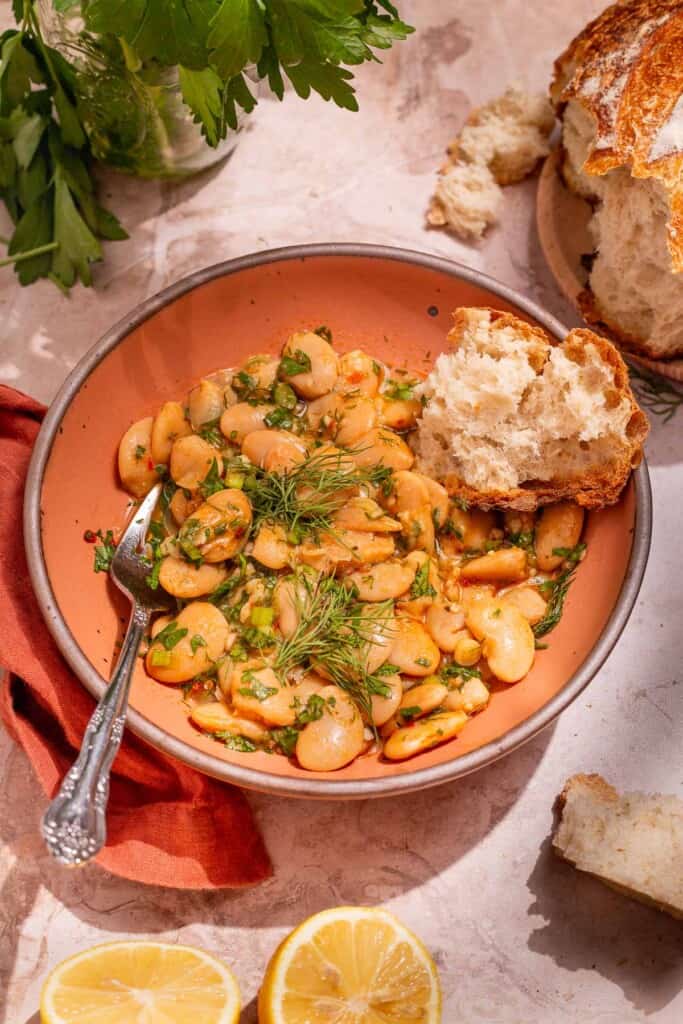
Often dismissed due to their reputation as bland lima beans, large butter beans are being reimagined through brief, high-heat cooking methods. By simmering these beans in a broth infused with garlic, lemon zest, and fresh herbs—such as dill, parsley, and cilantro—the natural creaminess of the bean is enhanced rather than masked. This 12-minute preparation method demonstrates how minimal intervention can yield a sophisticated, restaurant-quality result.
2. The Tuscan Legacy: Beans and Greens
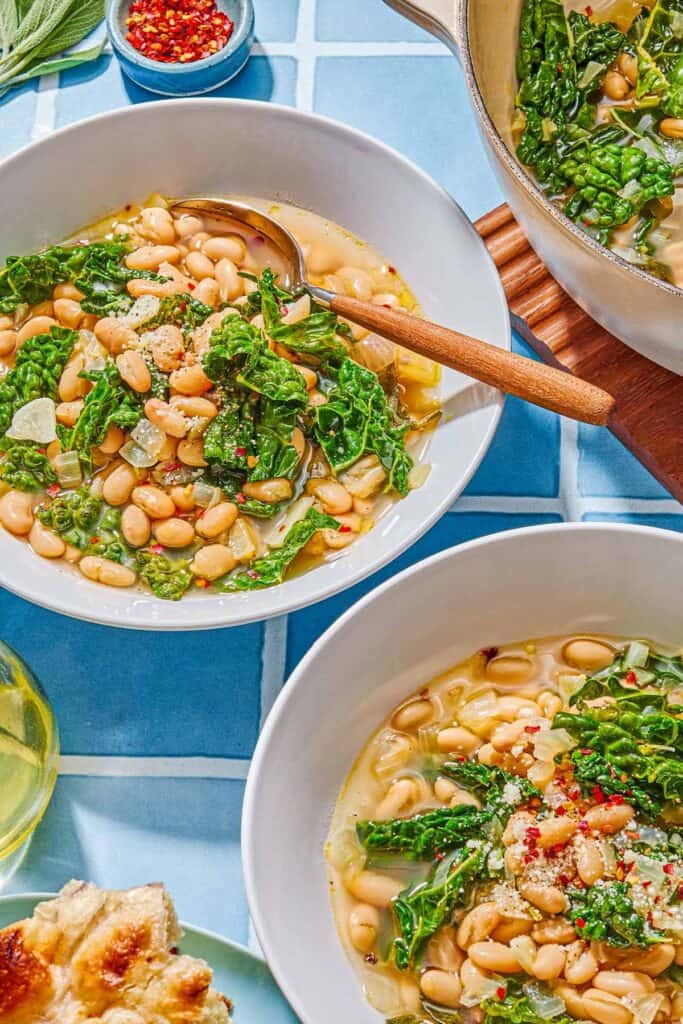
Tuscan-style beans and greens represent the intersection of rustic tradition and modern dietary needs. This dish, typically pairing creamy cannellini beans with dark, leafy greens like lacinato kale, utilizes the natural starch of the beans to create a silky, stew-like consistency without the need for dairy. The addition of sage, red pepper flakes, and a finish of aged, nutty cheese provides a depth of flavor that characterizes the "cucina povera" (poor kitchen) style of cooking, which prioritizes quality ingredients over complexity.
3. One-Skillet Innovation
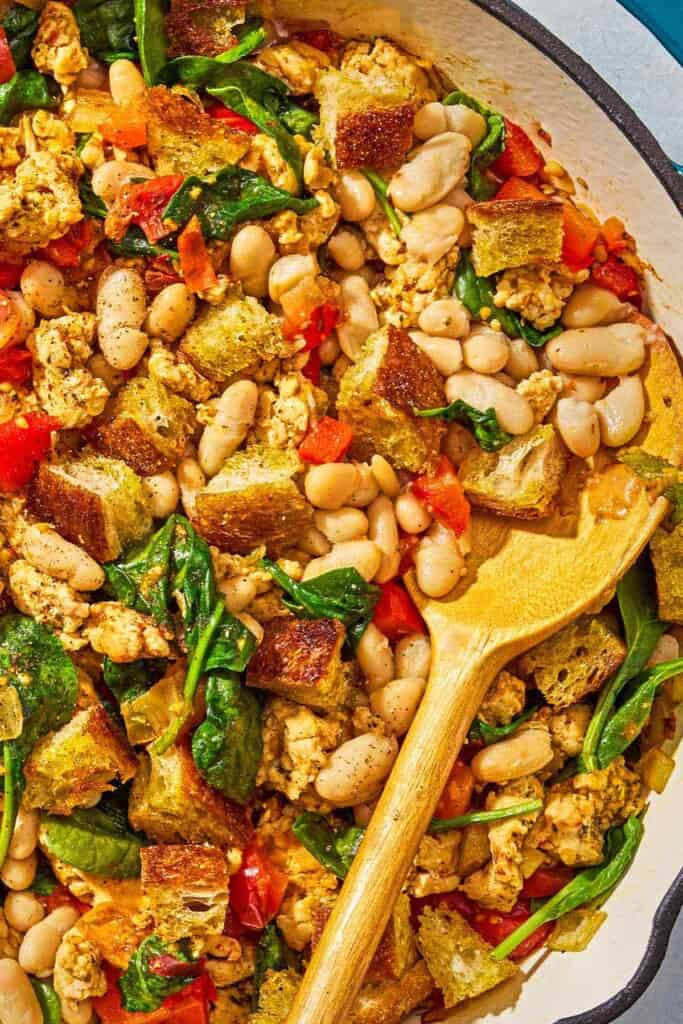
The one-skillet approach to cooking, which has gained traction in recent years, is perfectly suited for legume-based meals. By integrating lean proteins like turkey with fiber-rich cannellini beans, spinach, and roasted red peppers, home cooks can produce a nutritionally balanced meal in under 30 minutes. The use of spices like Aleppo pepper, which provides a mild, fruity heat, adds a layer of complexity that appeals to contemporary palates.
4. Shakshuka Variations
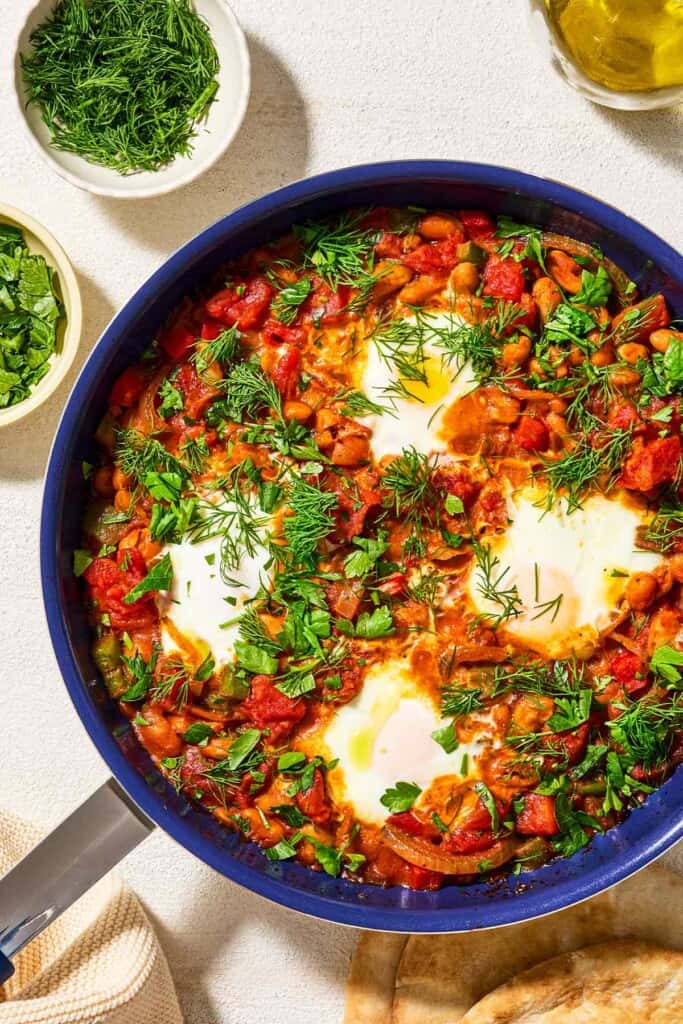
Traditionally a tomato and egg dish, the integration of white beans into shakshuka represents a structural shift that increases the meal’s protein and fiber content. By poaching eggs directly into a thick, spiced bean and tomato sauce, the dish becomes substantial enough for any meal of the day, effectively bridging the gap between breakfast and dinner.
5. Roasted Vegetable Casseroles
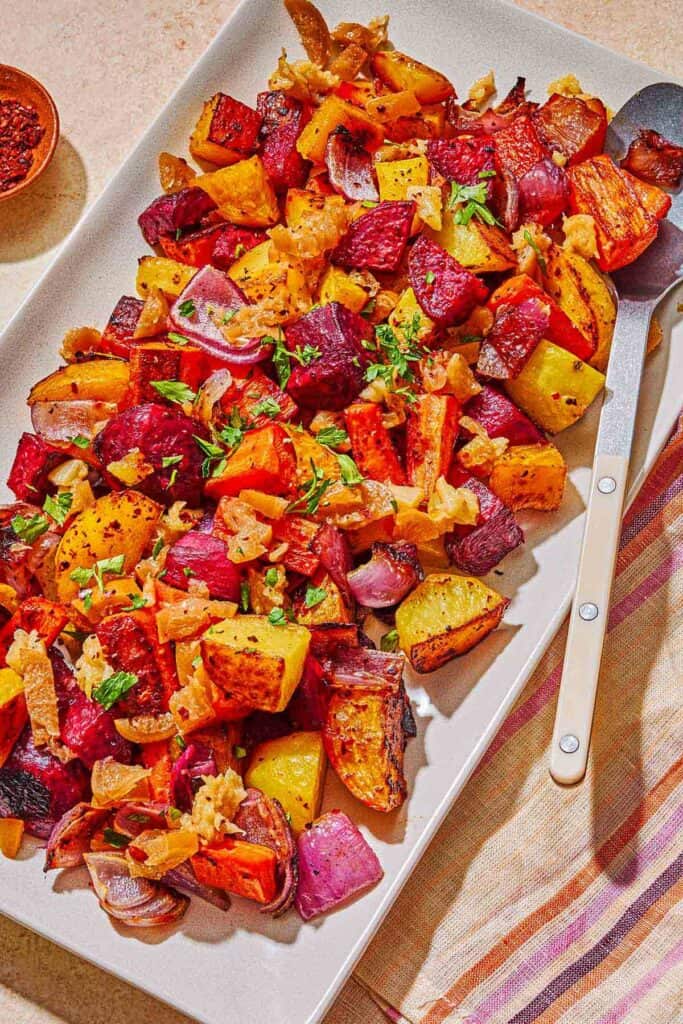
The application of high-heat roasting to root vegetables, combined with the addition of chickpeas, creates a hearty, texturally diverse casserole. This method highlights the sweetness of beets, carrots, and onions, while the chickpeas absorb the spiced roasting juices. This approach is increasingly popular for its "set-and-forget" nature, requiring minimal hands-on time despite a longer total cooking duration.
Supporting Heart Health and Metabolic Efficiency
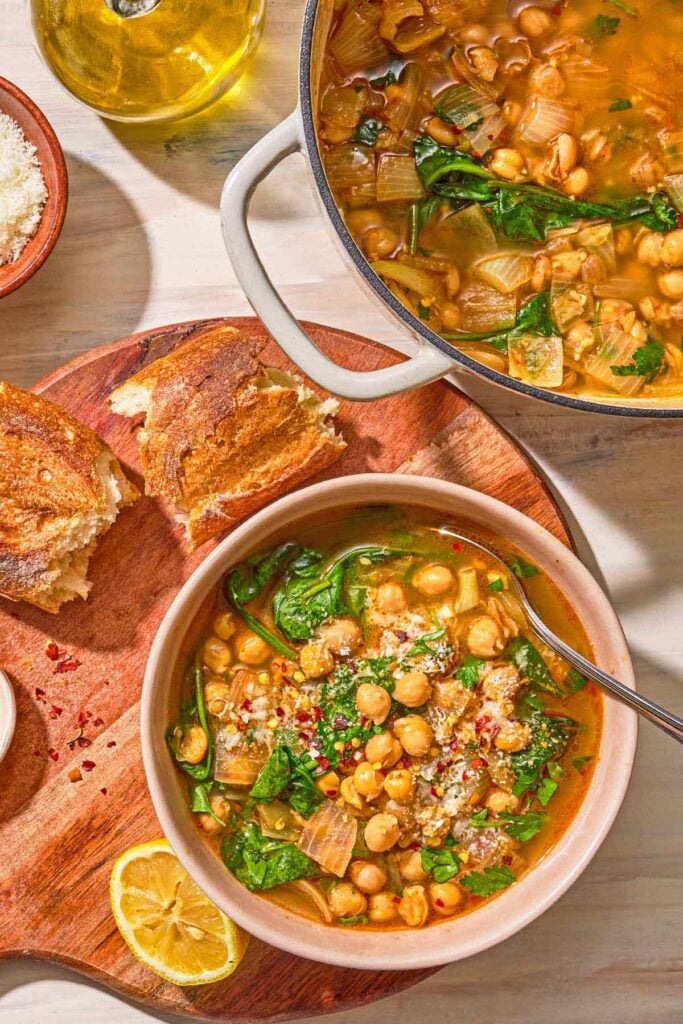
From a clinical standpoint, the inclusion of soups like a garlicky chickpea and spinach blend offers more than just warmth. The combination of legumes and greens provides a synergistic effect where the vitamin C in the greens enhances the absorption of the non-heme iron found in the chickpeas. This makes such soups an essential component for those following plant-based or flexitarian diets, providing a reliable source of iron and protein that is often difficult to source without meat.
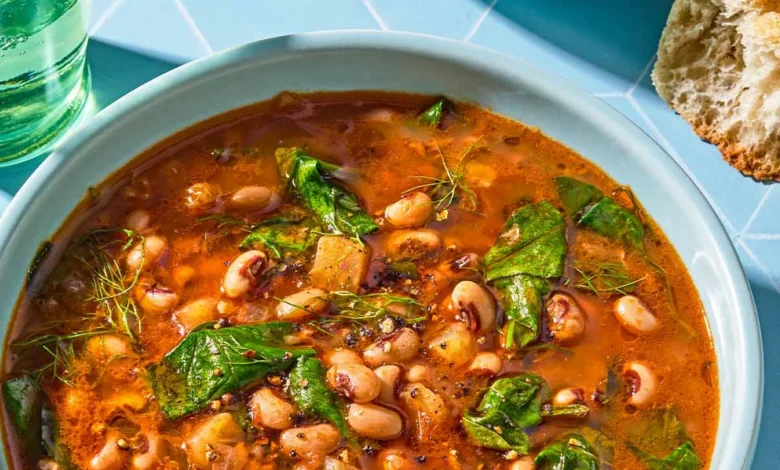
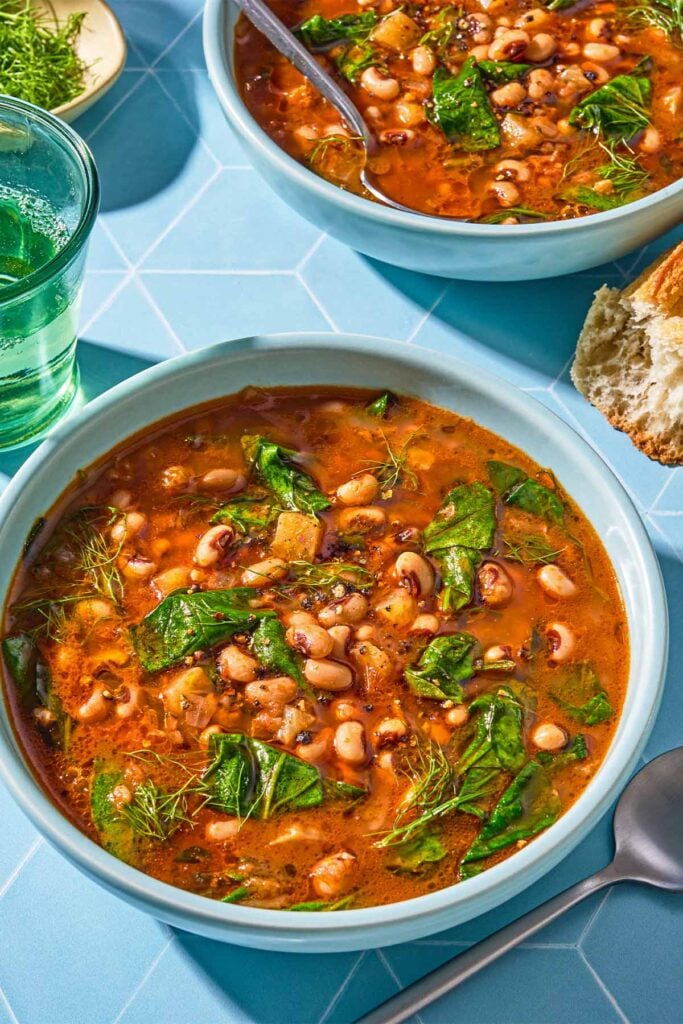
Traditional recipes, such as the Greek "mavromatikia" (black-eyed pea soup), serve as a reminder of the historical importance of legumes. These dishes were designed for longevity and health, utilizing fennel and tomatoes to create a complex base that is both comforting and shelf-stable.
Economic and Environmental Implications
The reliance on beans has significant implications for both household budgets and global food security. Legumes are among the most resource-efficient crops to produce, requiring significantly less water and land than livestock. As global food systems face pressure from climate change and population growth, the shift toward bean-centric diets is viewed by international agricultural organizations as a critical strategy for sustainable consumption.
Economically, beans remain one of the most affordable sources of protein available. As inflation impacts the cost of animal proteins, the popularity of recipes that prioritize legumes is expected to grow. This shift is not merely a trend but a return to a more stable, time-tested way of eating that aligns with modern environmental and economic realities.
The Future of Legume-Based Gastronomy
As culinary trends continue to favor sustainability and health-conscious eating, the versatility of beans will likely see further expansion. Future developments in this field may include increased exploration of regional varieties, such as heirloom lentils or specific cultivars of chickpeas, which offer unique textures and flavor profiles.
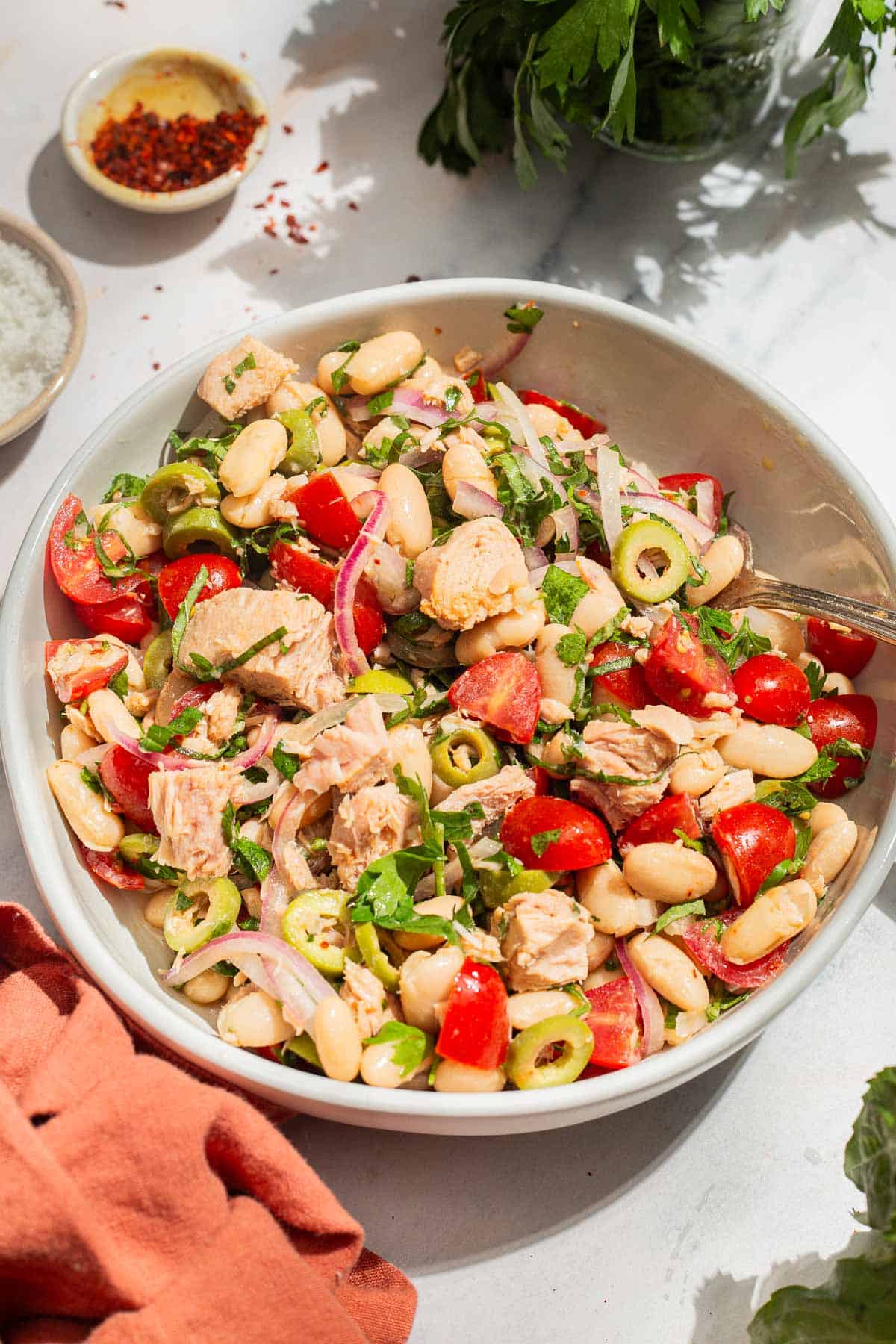
Moreover, the emphasis on "make-ahead" and "packed-lunch" friendly bean recipes indicates a shift in the way consumers view meal preparation. By creating salads that actually improve in flavor as they sit—such as the Mediterranean three-bean salad or tuna and white bean combinations—home cooks are successfully adapting to the fast-paced nature of modern life without sacrificing nutritional quality.
In summary, the bean remains a vital tool for the modern cook. Whether through quick 15-minute salads or slow-roasted casseroles, the ability to transform this humble pantry staple into a balanced, satisfying, and delicious meal is a skill that offers profound benefits for both the individual and the planet. As we move forward, the "humble" bean will undoubtedly continue to hold its place at the center of the world’s most enduring and healthy culinary traditions.