Khymos Undergoes Major Technical Overhaul and Rebranding to Enhance Digital Accessibility and User Experience

The influential food science and molecular gastronomy blog, Khymos, has successfully completed a significant technical overhaul and rebranding initiative, transitioning its entire digital infrastructure to a new domain and implementing a fully responsive design to accommodate the modern multi-device internet user. This comprehensive upgrade, described by its creator as involving "major upgrades and repairs behind the scenes," marks a pivotal moment in the blog’s nearly two-decade-long history, ensuring its extensive archive of experimental culinary insights and scientific explorations remains accessible and engaging for a global audience. The migration from blog.khymos.org to the streamlined khymos.org domain, coupled with the introduction of a brand-new, chemically inspired logo, signifies a renewed commitment to digital excellence and user-centric design, addressing long-standing needs for mobile compatibility in an increasingly mobile-first digital landscape.
The Enduring Legacy of Khymos in Culinary Science
Khymos, founded and meticulously curated by Norwegian chemist and food enthusiast Dr. Martin Lersch, has long stood as a seminal online resource at the intersection of chemistry, physics, and gastronomy. Established in the early 2000s, predating much of the mainstream popularity of "molecular gastronomy," the blog quickly garnered a dedicated following among professional chefs, home cooks, food scientists, and curious individuals fascinated by the scientific principles underpinning culinary techniques. Dr. Lersch’s unique approach involved dissecting traditional recipes and innovative cooking methods through a scientific lens, explaining complex phenomena like spherification, emulsification, and sous-vide cooking with clarity and precision. His early experiments and detailed write-ups on ingredients like hydrocolloids and enzymes were instrumental in popularizing techniques that were once confined to high-end research kitchens, making them accessible to a broader audience. The blog’s content often featured original research, practical applications, and insightful discussions, positioning Khymos as an authority in the burgeoning field of modernist cuisine. For years, it served as an invaluable, free repository of knowledge, influencing countless chefs and inspiring a new generation of culinary innovators to approach food with scientific rigor and creative curiosity. Its detailed exploration of ingredient functionalities and process optimizations provided a vital bridge between academic science and practical kitchen application, cementing its reputation as a trusted voice in a rapidly evolving culinary landscape.
A Necessary Digital Transformation: Adapting to the Modern Web
The digital landscape has undergone a seismic shift since Khymos first launched. In its nascent years, the internet was predominantly accessed via desktop computers, making fixed-width website designs the norm. However, the proliferation of smartphones and tablets over the past decade has fundamentally reshaped how users consume online content. According to data from Statista, mobile devices consistently account for over 50% of global website traffic, a figure that has steadily risen since 2017, often surpassing 60% in many regions. For a platform like Khymos, which houses a wealth of detailed information, recipes, and scientific explanations, the lack of mobile optimization presented a significant barrier to engagement for a substantial portion of its potential readership. Users attempting to access the site on smaller screens would often encounter truncated text, cumbersome navigation, and images that did not scale correctly, leading to a frustrating user experience. Dr. Lersch candidly acknowledged this long-standing issue, stating, "yeah, I know – this should have been done years ago," highlighting the pressing need for the recent upgrades.
The transition to a responsive WordPress theme addresses this critical challenge head-on. Responsive design is a web development approach that allows websites to adapt their layout and content seamlessly across various screen sizes and device types, from large desktop monitors to small smartphone displays. This means that whether a reader is browsing Khymos on a tablet in their kitchen or a smartphone on their commute, the content will automatically adjust to provide an optimal viewing and interaction experience. Text will be legible, images will scale appropriately, and navigation menus will be intuitive, significantly enhancing accessibility and user satisfaction. Beyond user experience, responsive design is also a crucial factor for search engine optimization (SEO). Google, the dominant search engine, prioritizes mobile-friendly websites in its rankings, especially with its "mobile-first indexing" approach, where the mobile version of a site’s content is used for indexing and ranking. By adopting a responsive theme, Khymos is poised to improve its visibility in search results, attracting new readers and ensuring its valuable content reaches an even wider audience. This move aligns the blog with contemporary web standards, preventing potential penalties from search algorithms that favor mobile-optimized sites.
The Strategic Domain Migration and Backend Refinements
Alongside the responsive design implementation, Khymos has undergone a strategic domain migration, moving from blog.khymos.org to the cleaner, more authoritative khymos.org. This shift is more than just a cosmetic change; it carries significant implications for branding, SEO, and overall website architecture. Operating on a root domain (khymos.org) rather than a subdomain (blog.khymos.org) typically conveys a stronger sense of authority and permanence. For search engines, content on a root domain is often perceived as more central and important to the overall brand identity. While search engines are sophisticated enough to understand subdomains, consolidating all content under the main domain simplifies site structure and can potentially enhance the cumulative SEO value of all pages. This consolidation can lead to a more unified brand presence and a clearer digital footprint. Crucially, the old URLs are now redirected, ensuring that existing links from other websites, bookmarks, and search engine indices continue to function seamlessly, preventing broken links and preserving the site’s accumulated "link equity" – the value passed from one page to another via hyperlinks. This careful redirection strategy is vital for maintaining the blog’s long-established presence and authority on the web, preventing loss of traffic and search engine ranking built over many years.
The announcement also alluded to "major upgrades and repairs behind the scenes." While specific technical details were not fully disclosed, this phrase typically encompasses a range of crucial backend enhancements designed to improve performance, security, and maintainability. These could include updating the core WordPress software and plugins to their latest versions, which often brings performance improvements, security patches, and new features. Server-side optimizations, such as improved caching mechanisms, database streamlining, and potentially a migration to more robust hosting infrastructure, are also common components of such an overhaul. These "repairs" are foundational to the website’s stability, speed, and security, ensuring a reliable platform for content delivery and user interaction. A faster loading website not only improves user experience – studies show users abandon sites that take longer than a few seconds to load – but also positively impacts SEO, as page speed is another key ranking factor for search engines. These internal enhancements provide a stable and secure foundation for the blog’s continued operation and future growth.
A New Visual Identity: The K19 Logo
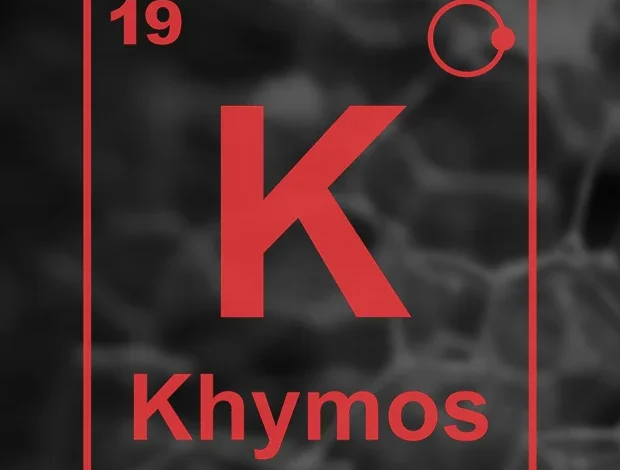
A prominent feature of the Khymos revitalization is the unveiling of a brand-new logo, meticulously designed to reflect the blog’s core ethos. The new emblem features a stylized ‘K’ enclosed within a ring, with a singular dot positioned on the ring. This design is rich with symbolism, expertly bridging the blog’s name with fundamental chemical principles. Dr. Lersch provided a clear explanation: "Besides being the first letter of Khymos, K is also the elemental symbol for potassium which is element no. 19 (hence the number). And the dot on the ring symbolizes that potassium only has one electron in its outer shell."
This logo is a masterclass in concise visual communication. The ‘K’ naturally represents "Khymos," establishing brand recognition. Its dual meaning, however, elevates the design beyond simple initialism. Potassium (K) is an alkali metal, a highly reactive element with a single valence electron, making it eager to form chemical bonds. It’s a fundamental element in biology and chemistry, often involved in reactions and processes essential for life and chemical transformations. The atomic number 19 further grounds the logo in scientific fact, adding a layer of intellectual depth and precision. The single dot on the ring, symbolizing potassium’s solitary outer shell electron, beautifully encapsulates a key concept in atomic structure and reactivity. This choice is particularly fitting for a blog that delves into the molecular intricacies of food, where chemical reactions and elemental properties play a crucial role in taste, texture, and transformation. The logo serves not just as a visual identifier but as a microcosm of the blog’s mission: to explore the fundamental scientific elements that underpin the culinary world. It’s a sophisticated nod to the intellectual rigor and scientific curiosity that defines Khymos, reinforcing its unique blend of art and science. This thoughtful rebranding communicates a strong, scientifically informed identity to its audience.
Anticipated Impact and Future Implications
The comprehensive upgrade of Khymos is expected to have several far-reaching positive impacts, both for the blog itself and for the broader community it serves.
- Enhanced User Engagement and Accessibility: The most immediate benefit will be to the end-user. With a responsive design, Khymos content becomes truly accessible on any device, eliminating previous frustrations and allowing for a smoother, more enjoyable reading experience. This increased accessibility is likely to boost engagement metrics such as time spent on site, page views per visit, and reduced bounce rates. For a global audience increasingly reliant on mobile devices, this ensures Khymos remains a go-to resource, allowing users to reference complex scientific principles or recipes directly from their kitchen workstations, regardless of their device.
- Wider Reach and SEO Performance: The domain migration and mobile optimization are critical for SEO. Improved search engine rankings will drive organic traffic, exposing Khymos’s valuable content to a new generation of food enthusiasts and scientists who might not have discovered it otherwise. This wider reach can further solidify Khymos’s position as a leading authority in its niche, attracting new readers and potentially fostering a larger community around its unique content.
- Reinforced Brand Identity: The new logo and streamlined domain contribute to a stronger, more professional brand identity. The logo’s clever symbolism reinforces the scientific underpinning of the blog, appealing directly to its target demographic and clearly communicating its unique value proposition. In a crowded digital space, a strong, coherent brand is essential for standing out and building trust and recognition among its audience.
- Platform for Future Innovation: A robust and updated technical infrastructure provides a stable foundation for future content and features. This could include richer multimedia integration, such as embedded video tutorials or interactive diagrams; enhanced community features like forums or comment sections; or even specialized online courses and workshops. By modernizing its backend, Khymos is better positioned to adapt to evolving web technologies and user expectations, ensuring its relevance for years to come.
- Digital Preservation of Knowledge: For nearly two decades, Khymos has been a repository of pioneering work in molecular gastronomy, documenting experiments, theories, and recipes that have shaped modern culinary practices. Ensuring the long-term accessibility and usability of this archive through continuous technical updates is crucial for its digital preservation. These upgrades safeguard a valuable historical record of culinary innovation and scientific inquiry, making it available for future generations of researchers and enthusiasts.
Reactions from the Community and Industry Standards
While no external statements were explicitly provided in the initial announcement, the upgrades are expected to be met with widespread approval from the blog’s dedicated readership and the broader food science community. The acknowledgement from Dr. Lersch that mobile optimization was "years ago" overdue suggests an awareness of user feedback and industry trends, indicating that these improvements were a response to observed needs. In today’s digital environment, mobile responsiveness is not merely a desirable feature but a fundamental expectation. Websites that fail to meet this standard risk alienating a significant portion of their audience and falling behind competitors. Industry analyses consistently show that websites lacking mobile optimization experience higher bounce rates and lower engagement.
The move by Khymos sets a positive example within the niche of specialized science and food blogs. It underscores the importance for content creators, regardless of their niche, to periodically reassess and upgrade their digital platforms to meet contemporary technical standards and user demands. This ensures that valuable, specialized content remains discoverable and consumable, preventing it from becoming trapped in outdated digital formats. The investment in such an overhaul, while potentially significant in terms of time and resources, is a testament to the creator’s dedication to the longevity and impact of their work, demonstrating a commitment to their audience and the content they produce. This adherence to modern web best practices reinforces the professional standing of Khymos within its specialized field.
Conclusion: A Renewed Era for Khymos
The comprehensive technical overhaul and rebranding of Khymos represent more than just a series of backend adjustments; they signify a renewed commitment to its mission of demystifying food science and inspiring culinary exploration. By embracing modern web standards, streamlining its online presence, and introducing a thoughtfully designed logo, Khymos is not only enhancing its immediate user experience but also fortifying its position as an enduring and accessible authority in the world of molecular gastronomy. This strategic evolution ensures that Dr. Martin Lersch’s pioneering insights and experimental wisdom will continue to reach, educate, and inspire a diverse audience for many years to come, solidifying the blog’s legacy as a cornerstone of scientific culinary discourse in the digital age. The new khymos.org stands ready to welcome both long-time aficionados and new discoverers into its enriched and newly accessible world of culinary science, prepared for the next chapter of digital culinary exploration.