The Ultimate Guide to Preparing, Washing, and Storing Kale for Week-Long Culinary Versatility

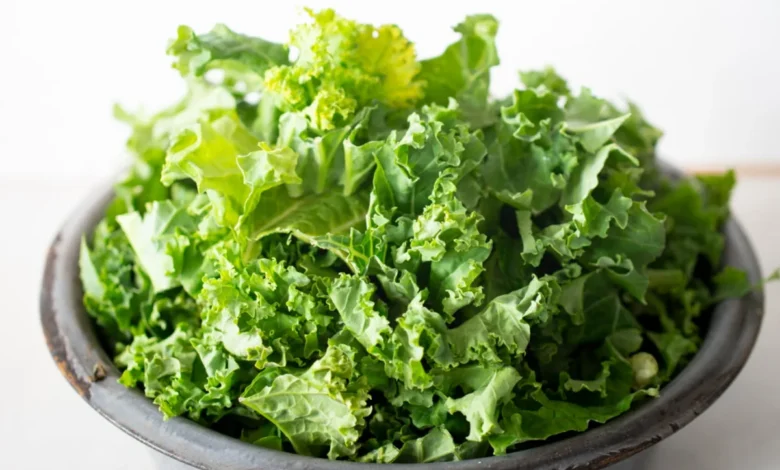
Kale, a leafy green often perceived as challenging due to its potential bitterness and robust texture, transforms into an exceptionally versatile ingredient once its preparation secrets are unlocked. This comprehensive guide delves into the essential techniques for washing, de-stemming, and storing kale, ensuring it remains a convenient and delicious staple for any home cook throughout the week. Properly prepared, kale loses its perceived toughness and bitterness, becoming tender, flavorful, and readily adaptable to a wide array of culinary applications, from vibrant smoothies and hearty salads to savory tacos and nourishing soups.
The Nutritional Powerhouse: Understanding Kale’s Benefits
Before delving into preparation, it’s crucial to appreciate the nutritional significance of kale. This cruciferous vegetable is a veritable superfood, packed with essential vitamins, minerals, and antioxidants. A single cup of chopped raw kale (about 67 grams) offers over 200% of the daily recommended intake of Vitamin A, vital for vision and immune function. It also provides over 130% of the daily value for Vitamin C, a powerful antioxidant that aids in collagen production and immune support. Furthermore, kale is an excellent source of Vitamin K, crucial for blood clotting and bone health, delivering over 680% of the daily recommended intake.
Beyond these prominent vitamins, kale is rich in minerals such as manganese, copper, and potassium, and contains significant amounts of fiber, which aids in digestion and promotes satiety. Its antioxidant profile includes beta-carotene, vitamin C, and various flavonoids and polyphenols, which are believed to combat oxidative stress and inflammation in the body. This makes kale not just a culinary delight but also a significant contributor to a healthy diet.
Mastering Kale Preparation: A Step-by-Step Approach
The journey to enjoying kale begins with its meticulous preparation. The inherent structure of kale, with its sturdy stems and often crinkled leaves, necessitates specific handling to achieve the desired texture and flavor.
Step 1: Thorough Washing for Purity
Kale’s natural growth habit means it often harbors soil, sand, and even small insects within its intricate leaf structure. Therefore, thorough washing is non-negotiable, even for pre-washed varieties.
- The Cold Water Rinse: Begin by rinsing the kale under cool running water. For a more intensive clean, especially if dealing with very sandy or visibly dirty greens, consider using a food-safe detergent. Dr. Bronner’s Sal Suds, a biodegradable and food-grade option, can be added in a single drop to a basin of water. After washing, a meticulous rinse under cold water is essential to remove any soap residue. This ensures that the kale is free from contaminants and ready for further processing.
Step 2: Efficient De-stemming
The central rib or stem of kale is fibrous and can be tough, detracting from the overall eating experience if not removed.
- The Leaf Stripping Technique: The most efficient method involves holding the base of the kale stalk with one hand and, with the other hand, firmly grasping the leafy part of the stem. Pull the leaves downward along the stem, stripping them away cleanly. This technique, often demonstrated visually, effectively separates the tender leaves from the tougher core. The removed stems, far from being waste, can be repurposed for broths or finely chopped and added to stews.
Step 3: Proper Chopping for Culinary Versatility
Once de-stemmed, the kale leaves can be chopped to the desired size, depending on their intended use.
- Fine vs. Coarse Cuts: For smoothies or when aiming for a very tender texture in salads, finely chop the leaves. For heartier dishes like stir-fries or as a topping for tacos, a coarser chop may suffice. Ensure consistent sizing for even cooking and a pleasant mouthfeel.
Step 4: The Art of Massaging Kale
For raw kale preparations, particularly salads, a technique known as "massaging" is crucial for softening the leaves and reducing bitterness.
- The Olive Oil and Salt Method: After chopping the kale, place it in a bowl and drizzle with a small amount of olive oil. Add a pinch of salt. Then, using your hands, gently massage the leaves for one to two minutes. This process breaks down the tough fibers, making the kale significantly more tender, less bitter, and easier to chew. The oil and salt also help to enhance its flavor.
Strategic Storage for Extended Freshness
The ability to prepare kale in advance and have it ready for use throughout the week is a significant culinary advantage. Proper storage techniques are key to maximizing its shelf life and maintaining its quality.
Storing Unwashed Kale
- The Paper Towel Wrap: Unwashed kale can be stored for approximately 5 to 7 days. The key is to keep it dry. Wrap the whole, unwashed bunch in paper towels to absorb any residual moisture. Then, place it in a plastic bag or an airtight container in the refrigerator.
Storing Washed and Chopped Kale
- The Airtight Container Method: Once washed and chopped, kale typically lasts for 3 to 5 days in the refrigerator. It is paramount that the kale is thoroughly dried after washing. Excess moisture is the primary culprit for wilting and spoilage. After drying, place the chopped kale in an airtight container lined with fresh paper towels. The paper towels will absorb any moisture that may accumulate, helping to keep the kale crisp.
Frequently Asked Questions About Kale Preparation
Addressing common queries can further demystify kale preparation and encourage its wider adoption in home cooking.
Is it Necessary to Wash Kale Before Eating?
Yes, it is absolutely necessary to wash kale before consuming it, regardless of whether the packaging indicates it has been pre-washed. Kale’s dense, crinkled leaves are a natural trap for dirt, sand, and potential agricultural residues. A thorough rinse under cold water, and sometimes a gentle wash with a food-safe soap, is crucial to ensure its cleanliness and safety.
Why is Kale Massaged?
Massaging kale is a culinary technique designed to break down its tough, fibrous structure. This process renders the raw kale significantly softer, less bitter, and more palatable. By mechanically working the leaves, often with a touch of oil and salt, the cell walls are disrupted, releasing some of their natural compounds and making them more digestible and enjoyable to eat raw, especially in salads.
How Long Does Prepared Kale Last in the Refrigerator?
Prepared kale, meaning washed and chopped, can typically be stored in the refrigerator for 3 to 5 days. For optimal longevity, ensure it is completely dry after washing and stored in an airtight container with a paper towel to absorb excess moisture. Unwashed kale, when wrapped in paper, can last slightly longer, between 5 to 7 days.
Can Kale Stems Be Eaten?
While the stems of kale are considerably tougher and more fibrous than the leaves, they are not inedible. They can be a valuable addition to various dishes. When finely chopped, they can be incorporated into soups, stews, or broths, adding depth of flavor and nutrients. They can also be blended into pestos or smoothies, provided they are processed thoroughly to achieve a smooth consistency. Discarding them would be a missed opportunity to utilize the entire vegetable.
Tips for Selecting the Best Kale
The quality of your prepared kale begins with smart purchasing decisions.
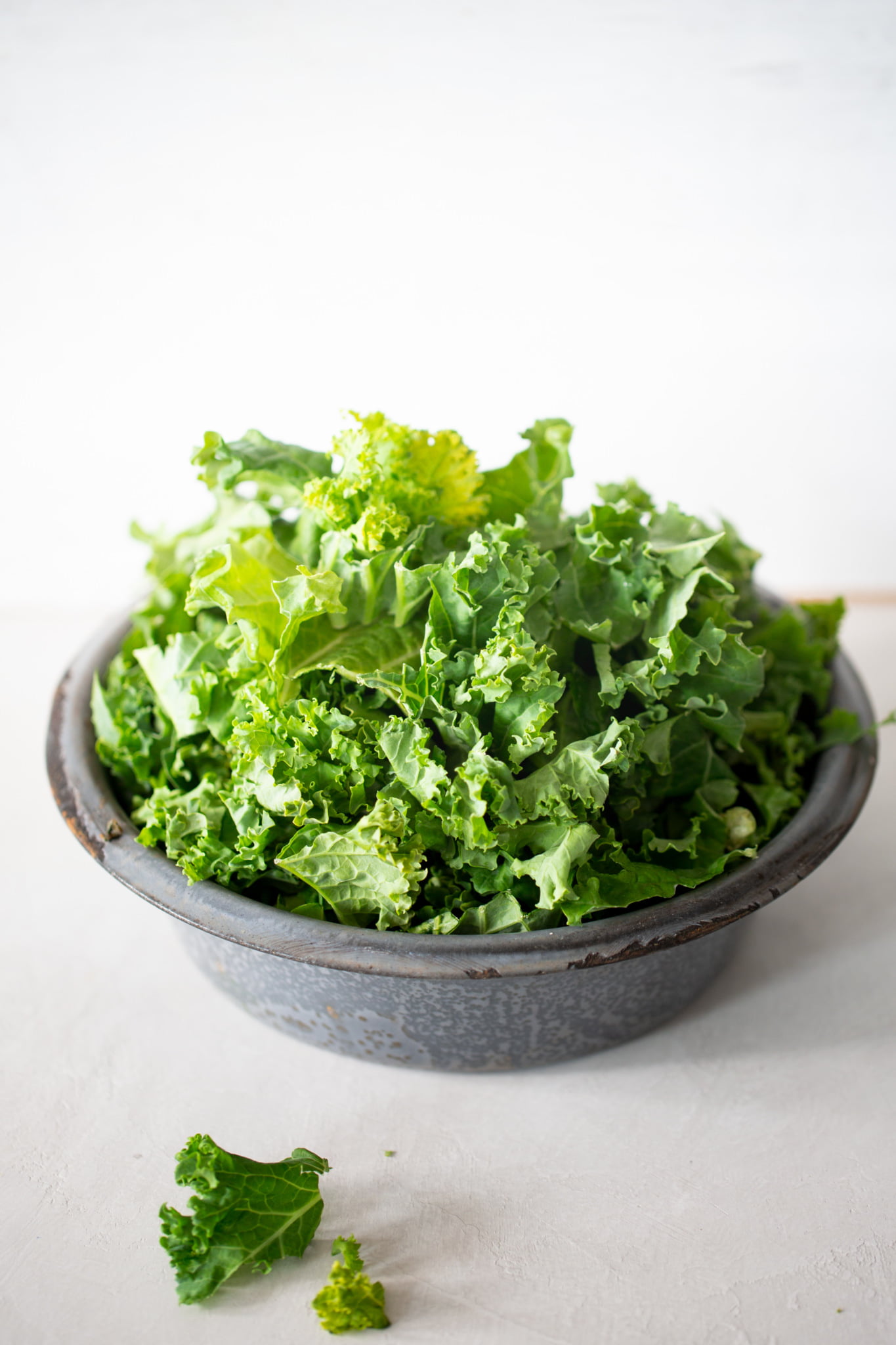
- Visual Inspection: Look for kale with firm, crisp leaves that are a deep green color. Avoid bunches with yellowing or wilted leaves, or those that appear slimy.
- Texture: The leaves should feel sturdy and not floppy.
- Variety Considerations: While curly kale is common, consider Lacinato (dinosaur) kale for its slightly sweeter flavor and more tender texture, or Red Russian kale for its beautiful color and delicate leaves, which may require less intensive preparation.
The Broader Impact: Integrating Kale into a Healthy Lifestyle
The accessibility and versatility of properly prepared kale empower individuals to incorporate this nutrient-dense vegetable into their daily diets more consistently. Its ability to be stored for several days after preparation makes it an ideal candidate for meal prepping, a strategy increasingly adopted by health-conscious consumers aiming to save time and maintain dietary goals.
The simple techniques of washing, de-stemming, and massaging transform kale from a potentially intimidating ingredient into a culinary workhorse. This ease of use can lead to increased consumption, contributing to better overall health outcomes. As awareness of the benefits of plant-based diets and nutrient-rich foods continues to grow, understanding how to prepare and store ingredients like kale effectively becomes increasingly important for individuals and families seeking to enhance their well-being through food. The trend towards incorporating "superfoods" into regular meal plans is supported by resources that simplify their preparation, making healthy eating more attainable and enjoyable for a wider audience.
The information provided regarding nutritional values is approximate and can vary based on growing conditions, specific varieties, and preparation methods. However, the inherent nutritional density of kale remains a significant advantage for those seeking to boost their intake of essential vitamins, minerals, and antioxidants. By mastering these fundamental preparation and storage techniques, home cooks can confidently unlock the full potential of kale, ensuring this nutritional powerhouse is a regular and welcome addition to their weekly culinary repertoire.
Related posts: