The Real Mediterranean Diet: A Holistic Approach to Longevity and Reduced Chronic Disease Risk

The pursuit of a longer, healthier life is a universal aspiration, and for decades, the Mediterranean diet has stood as a beacon of evidence-based longevity. Far beyond a mere dietary pattern, the authentic Mediterranean lifestyle encompasses a synergistic interplay of nourishing food, consistent movement, robust social connections, and adequate rest. This holistic approach has been scientifically validated for its profound impact on reducing the risk of chronic diseases and fostering overall well-being, extending not just the years of life, but the quality within those years.
The Foundation of Longevity: A Plant-Centric Dietary Framework
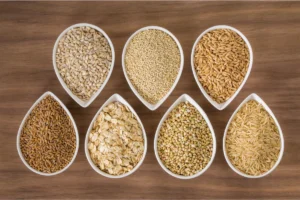
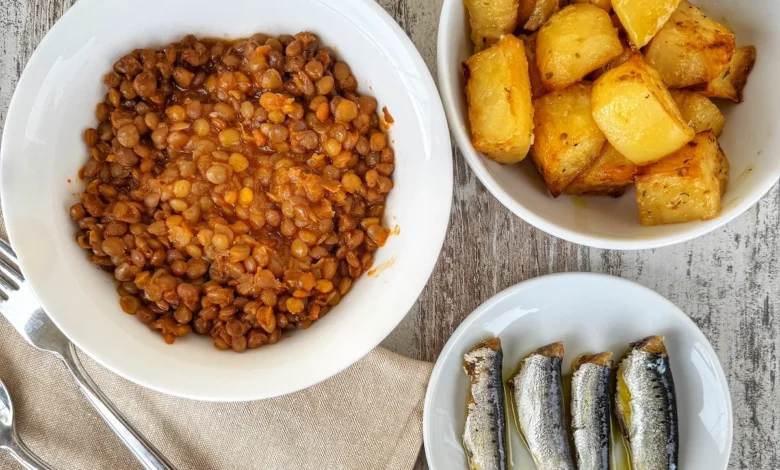
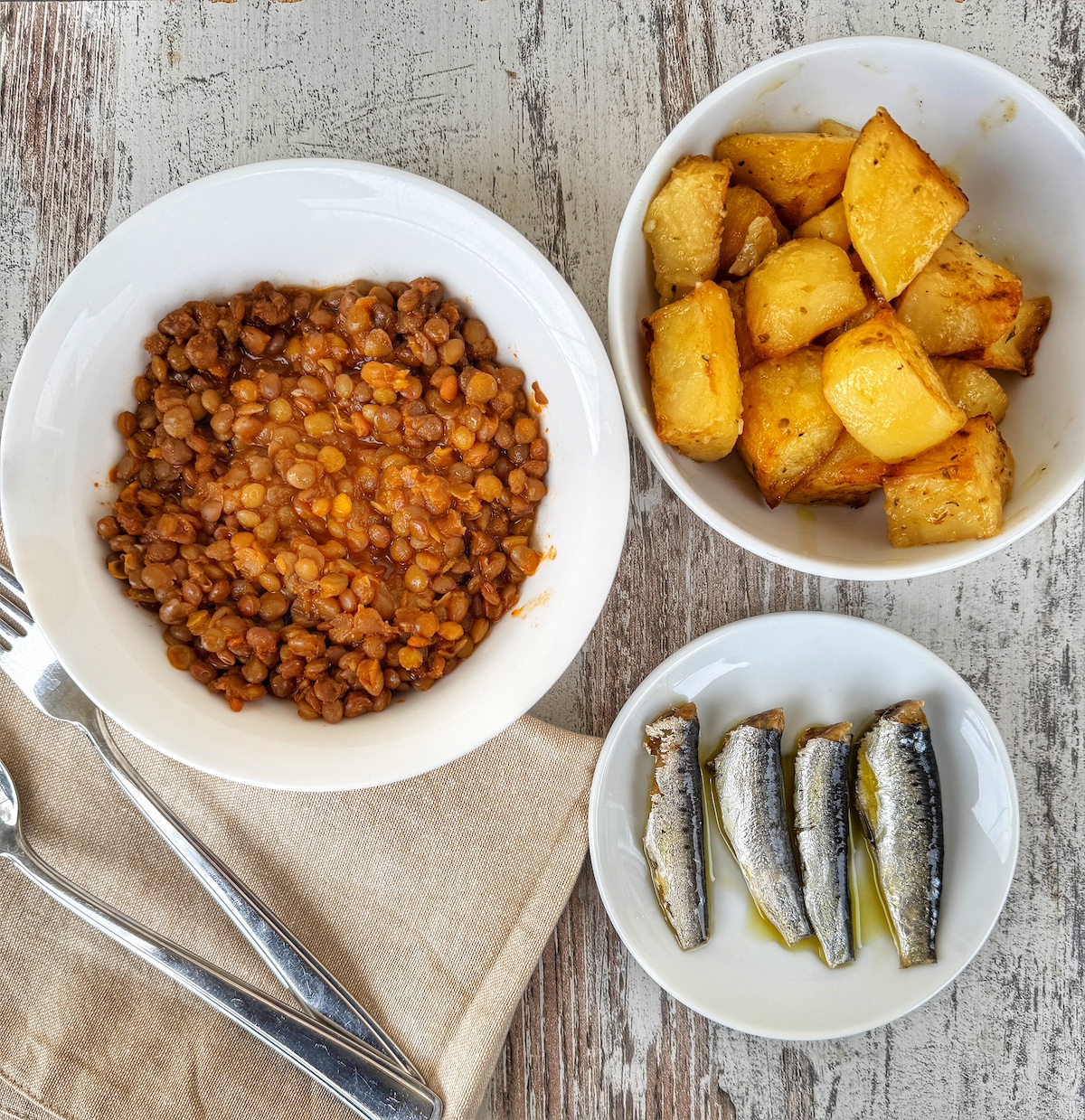
At its core, the Mediterranean diet is a predominantly plant-based eating pattern, characterized by an abundance of fruits, vegetables, whole grains, legumes, nuts, and seeds. This emphasis on plant-derived foods is a significant contributor to its health benefits, primarily due to their rich antioxidant content. Antioxidants are crucial compounds that combat oxidative stress within the body, a process implicated in cellular damage and the development of numerous chronic conditions.
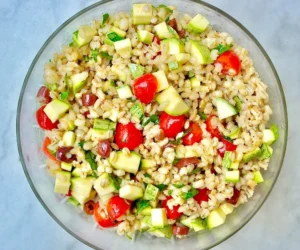
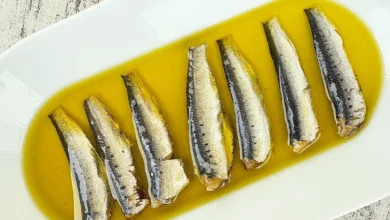
Traditional Mediterranean cuisine prominently features vegetables as main courses, rather than mere accompaniments. This dietary habit ensures a consistent intake of vitamins, minerals, fiber, and phytochemicals – a diverse array of plant compounds with potent health-promoting properties. Fatty fish, a cornerstone of the diet, provides essential omega-3 fatty acids, known for their anti-inflammatory effects and cardiovascular benefits. Extra virgin olive oil, the primary source of fat, is another powerhouse of antioxidants, particularly polyphenols, which have been linked to reduced inflammation and improved heart health.
The scientific literature supporting the Mediterranean diet’s efficacy is extensive and growing. Numerous epidemiological studies and randomized controlled trials have demonstrated its capacity to lower the risk of cardiovascular diseases, including heart attacks and strokes. For instance, the PREDIMED study, a landmark trial published in the New England Journal of Medicine, found that a Mediterranean diet supplemented with extra virgin olive oil or nuts reduced the incidence of major cardiovascular events by approximately 30% in individuals at high cardiovascular risk.
Beyond cardiovascular health, the Mediterranean diet has shown promise in mitigating the risk of other age-related diseases. Research indicates a significant association between adherence to this dietary pattern and a reduced incidence of type 2 diabetes. Furthermore, its neuroprotective qualities are increasingly recognized, with studies suggesting it can help preserve cognitive function and reduce the risk of dementia and Alzheimer’s disease. A meta-analysis published in JAMA Neurology in 2018 concluded that adherence to the Mediterranean diet was associated with slower cognitive decline and a lower risk of dementia. The diet’s anti-inflammatory and antioxidant properties are believed to play a crucial role in safeguarding brain health.
Moreover, the Mediterranean diet contributes to reduced frailty in older adults, a condition characterized by decreased strength, endurance, and reduced physiological capacity, which increases vulnerability to adverse health outcomes. By promoting muscle maintenance and reducing inflammation, the diet supports physical function and independence in later life.
The Indispensable Role of Social Connections in Lifespan and Well-being
While the nutritional aspects of the Mediterranean diet are well-documented, longevity in Mediterranean communities is not solely attributable to food. A critical, yet often overlooked, component is the profound emphasis on social connection and community engagement. In regions where life expectancy is notably high, individuals often cultivate deep, reciprocal relationships with family members and their broader community, fostering a pervasive sense of belonging and interconnectedness.
This strong social fabric is intrinsically linked to enhanced well-being and resilience. Social ties are maintained through various avenues, including active participation in religious institutions, membership in community groups with shared interests or goals, and the cultivation of "third places." These "third places" are informal gathering spots within a community where social interaction flourishes. For some, this might be their local church; for others, it could be a bustling coffee shop, a vibrant marketplace, or a neighborhood park. These spaces provide opportunities for spontaneous conversations, mutual support, and the sharing of experiences, all of which contribute to mental and emotional health.
Research has consistently shown that social isolation is a significant risk factor for poor health outcomes, including increased mortality. A meta-analysis published in BMC Medicine in 2010 found that strong social relationships were associated with a 50% increased chance of survival, a benefit comparable to quitting smoking. The regular social interactions inherent in Mediterranean communities act as a buffer against stress, provide emotional support, and contribute to a sense of purpose and meaning in life. This social cohesion is a powerful, albeit less tangible, determinant of longevity.
The Salutary Effects of Everyday Movement on Long-Term Health
Beyond structured exercise, the Mediterranean lifestyle inherently integrates a significant amount of informal physical activity into daily routines. This constant, low-intensity movement is a vital contributor to sustained health and mobility. While the benefits of formal exercise – such as weight management, improved cardiovascular health, and enhanced mood – are widely recognized, the cumulative effect of everyday movement is equally impactful, particularly for long-term well-being.
In Mediterranean communities, physical activity is woven into the fabric of daily life. Activities such as gardening, which involves bending, lifting, and reaching, provide a full-body workout. Household chores like cleaning, cooking, and even walking to the local market or running errands contribute to an active lifestyle. This consistent, unforced movement helps maintain muscle mass and strength, improves balance and coordination, and preserves flexibility.
For older adults, maintaining mobility is crucial for preserving self-efficacy, enabling social interaction, and fostering a sense of productivity and connection to their community. The ability to move independently allows individuals to participate in social activities, maintain their homes, and continue to engage with their surroundings, all of which are vital for psychological well-being and a higher quality of life in later years. Studies on Blue Zones, regions with exceptionally high concentrations of centenarians, consistently highlight the role of natural movement in their inhabitants’ daily lives. This includes walking, gardening, and other forms of manual labor, which contribute to lower rates of obesity and chronic diseases.
Practical Applications: Incorporating Mediterranean Principles for a Longer Life
The principles of the Mediterranean lifestyle are not exclusive to those living in Mediterranean regions; they are readily adaptable to diverse cultural contexts and individual circumstances. Adopting even a few key changes can yield significant health benefits and contribute to a longer, more vibrant life.
1. Prioritize Plant-Based Foods: Increase your intake of fruits, vegetables, whole grains, legumes, nuts, and seeds. Aim to make vegetables the star of your meals, incorporating a variety of colors and types to ensure a broad spectrum of nutrients.
2. Embrace Healthy Fats: Replace saturated and trans fats with healthy unsaturated fats, primarily from extra virgin olive oil. Use olive oil for cooking, salad dressings, and as a finishing oil. Incorporate fatty fish like salmon, mackerel, and sardines into your diet at least twice a week.
3. Foster Social Connections: Actively nurture your relationships with family and friends. Seek out opportunities for social engagement, whether through community groups, volunteer work, or simply regular gatherings. Prioritize spending quality time with loved ones.
4. Integrate Everyday Movement: Find ways to incorporate physical activity into your daily routine. This could involve taking the stairs instead of the elevator, walking or cycling for short errands, gardening, or engaging in active hobbies. Aim for at least 30 minutes of moderate-intensity physical activity most days of the week.
5. Practice Mindful Eating and Rest: Pay attention to your body’s hunger and fullness cues. Eat slowly and savor your meals. Ensure adequate sleep, aiming for 7-9 hours per night, as restorative sleep is crucial for physical and mental recovery.
Broader Implications and Future Outlook
The enduring legacy of the Mediterranean diet and lifestyle underscores a fundamental truth: true health and longevity are multifaceted. It is not merely about calorie counting or restricting specific food groups; it is about cultivating a balanced and fulfilling way of life that nourishes the body, mind, and spirit. As global health challenges continue to evolve, the comprehensive and sustainable model offered by the Mediterranean approach provides a valuable roadmap for individuals and public health initiatives seeking to promote well-being and extend healthy lifespans.
The continued research into the synergistic effects of diet, movement, social connection, and rest promises to further illuminate the pathways to a longer, healthier future for all. By embracing these time-tested principles, individuals can proactively invest in their well-being, reduce their risk of chronic diseases, and ultimately, lead more vibrant and fulfilling lives. The evidence is clear: the real Mediterranean diet, in its holistic entirety, is a powerful prescription for longevity.