The Post-Pandemic Restaurant Revolution: Why Investing in Employees is Transforming the Food Service Industry

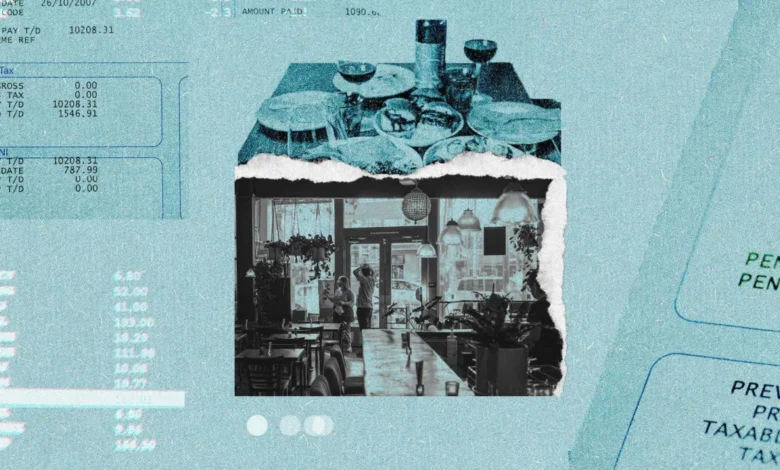
The restaurant industry, historically defined by razor-thin profit margins, grueling hours, and systemic undercompensation, is undergoing a profound structural evolution. For decades, the standard operating model relied heavily on cheap labor, unpaid overtime, and the expectation that front-of-house staff would survive primarily on unpredictable customer tips. However, the catastrophic disruptions of the COVID-19 pandemic shattered this fragile status quo. While countless independent operators scrambled simply to cover existing overhead or shuttered their doors indefinitely, a vanguard of forward-thinking restaurateurs made a counterintuitive gamble: they chose to invest heavily in their workforces. By increasing base wages, offering comprehensive healthcare benefits, instituting paid time off, and rethinking dining room operations, these businesses are proving that treating restaurant workers as valued professionals is not just an ethical imperative, but a remarkably successful economic strategy.
A Paradigm Shift Born from Crisis
Long before the global health crisis upended the hospitality landscape, structural vulnerabilities plagued the food service sector. High turnover rates, dwindling foot traffic, and poor staff retention were persistent headaches for operators large and small. When government-mandated lockdowns took effect in early 2020, these underlying operational flaws transformed into acute, existential crises.
As revenues plummeted and industry debt mounted, employees grew increasingly disillusioned with the industry standard of shoddy pay, hazardous working conditions, and nonexistent benefits. Faced with the choice of risking their health for minimal compensation or seeking employment elsewhere, hundreds of thousands of hospitality workers hung up their aprons and chef coats for good. According to data from the U.S. Bureau of Labor Statistics (BLS), the food service industry faced staggering employment deficits, remaining hundreds of thousands of jobs short of pre-pandemic levels well into 2022. With federal financial relief uncertain and traditional labor pools drying up, independent operators were forced to abandon the dysfunctional models of the past and pioneer sustainable alternatives.
The Bell’s Blueprint: Betting Big on People
In Los Alamos, California, Greg and Daisy Ryan faced the same existential dread as countless other restaurateurs when the pandemic struck. Co-owners of Bell’s, a French-inspired bistro, the couple initially grappled with whether to pivot to takeout, transition into retail, or close their doors indefinitely. Instead, following a two-month in-dining closure in mid-2020 to regroup, they made a radical decision: they drastically increased their spending on staff.
The Ryans hiked wages to an average of $27 an hour and introduced a comprehensive perks package that included fully paid healthcare coverage and 80 hours of paid time off. To fund these expansions without operating at a permanent loss, the couple meticulously analyzed their overhead. Utilizing back-of-the-envelope math and Google spreadsheets, they calculated hard costs like real estate alongside flexible expenses like food and labor. They also consulted with an industry advisory network comprising former and current management from the Union Square Hospitality Group and the Thomas Keller Restaurant Group, alongside operational support from Oyster Sunday.
The solution they implemented was a streamlined, five-course prix-fixe dinner menu priced initially at $65 per person, supplemented by a mandatory 20 percent service fee in lieu of traditional tipping. This format guaranteed that the restaurant could break even or generate a sustainable profit while removing customers from having direct control over staff wages.
As inflation and food costs rose, Bell’s adjusted its menu price to $75 per person by October 2021, averaging 65 to 75 covers per night. The financial results were staggering. Before the pandemic in 2019, Bell’s cleared roughly $1 million in annual revenue. By 2021, despite ongoing pandemic disruptions, that figure surged to approximately $3 million, while employee retention soared above 95 percent.
Replicating Success on a Shoestring Budget
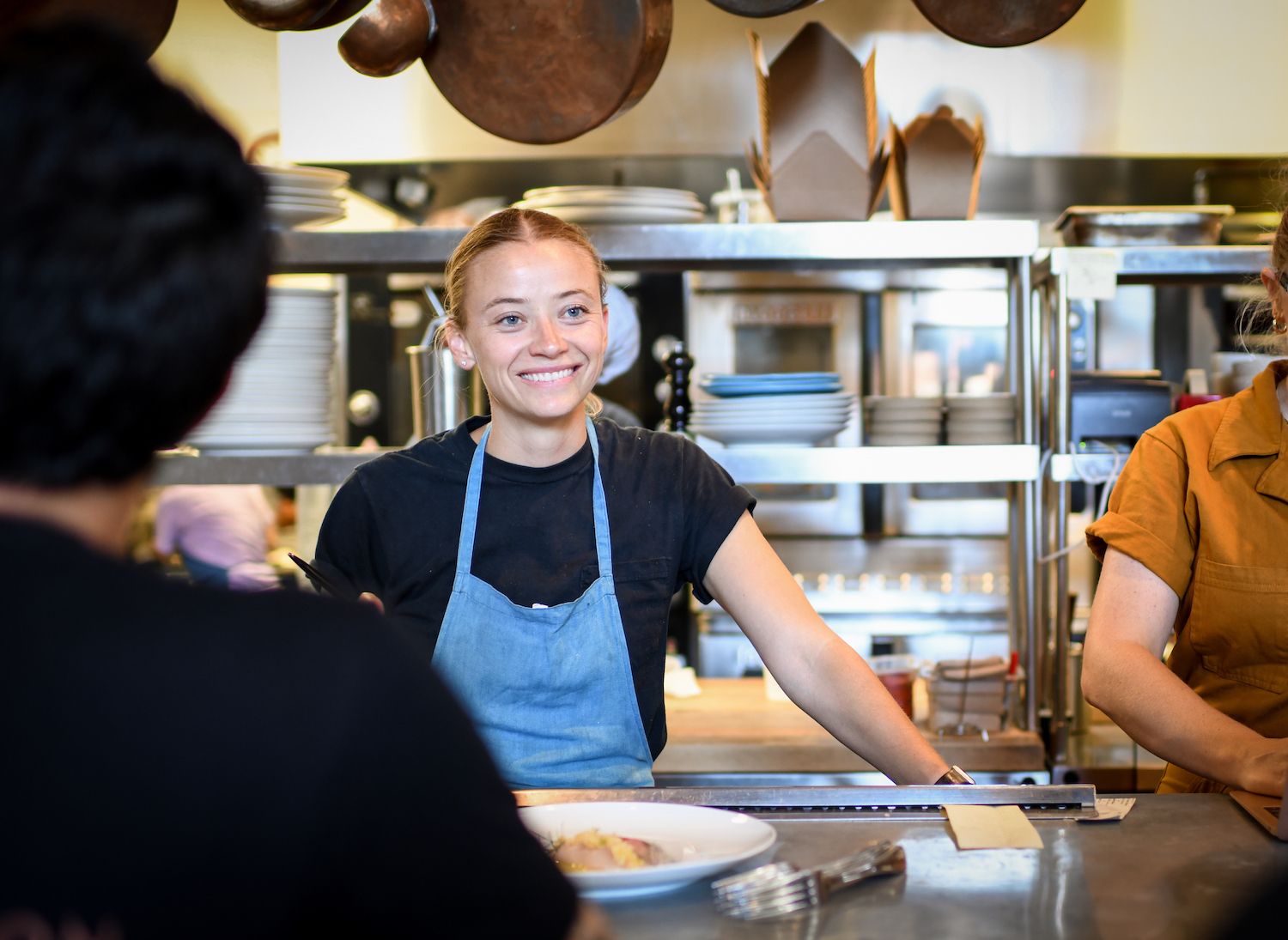
While high-profile accolades—such as Daisy Ryan being named a Food & Wine Best Chef and Bell’s earning a Michelin star—certainly aided the bistro’s visibility, industry experts emphasize that staff-centric innovations do not require massive capital reserves or luxury positioning. Across the country, operators are finding creative ways to foster sustainable work environments on tighter budgets.
In Oakland, California, Daytrip co-owner Stella Dennig implemented a series of operational experiments to diversify revenue streams and support her workforce. By launching natural wine and beverage clubs, pop-up evening wine bars, and specialized snack menus, Daytrip maximized its earning potential while keeping labor demands manageable. Non-salaried staff at the restaurant start at a base wage of $16 to $18 an hour—exceeding Oakland’s local minimum wage—bolstered by a pooled 20 percent service fee distributed evenly among hourly workers. The restaurant also provides quarterly financial workshops and a scaling health care stipend.
Dennig notes that employee costs at Daytrip frequently account for 40 to 48 percent of total operating expenses, well above the traditional 30 percent industry benchmark. Yet, she views this expenditure as essential. "All I’m doing right now is what feels like the bare minimum to me," Dennig remarked, "and it’s revolutionary only because the bar is so low in this industry, and that’s not OK."
The Financial Return on Staff Retention

Beyond ethical considerations, investing in employee well-being yields a quantifiable financial return by mitigating the hidden costs of high turnover. Training a single new hire represents a significant drain on a restaurant’s resources. Tim Taney, co-owner of Slidin’ Dirty, a burger establishment in Troy, New York, estimated that training new employees cost his business at least $500 per month.
After expanding his staff’s benefits package to include employer-covered health insurance and wellness perks like a YMCA membership, Taney witnessed a dramatic improvement in retention, with only a single employee departing over the course of a year. The resulting savings in recruitment commissions and training hours helped offset the upfront cost of the benefit enhancements.
Similarly, large-scale hospitality groups are rethinking scheduling to combat burnout. Jason Berry, co-founder of the Washington, D.C.-based Knead Hospitality + Design, launched an operational experiment allowing managers and chefs at restaurants like Mi Vida and Succotash National Harbor to work four-day, 12-hour shifts instead of the traditional five-day schedule. While the shift necessitated hiring additional management personnel, Berry projected that improved retention would offset recruitment commissions—which often run 15 percent of a new hire’s salary—while preserving vital institutional knowledge and preventing exhaustion-related drops in service quality.
The Human Impact: Dignity and Rest
For the workers on the front lines of this movement, the shift from precarious employment to stable careers has been transformative. Micah Fendley, a server with two decades of industry experience, received health insurance for the first time through his employment at Bell’s.
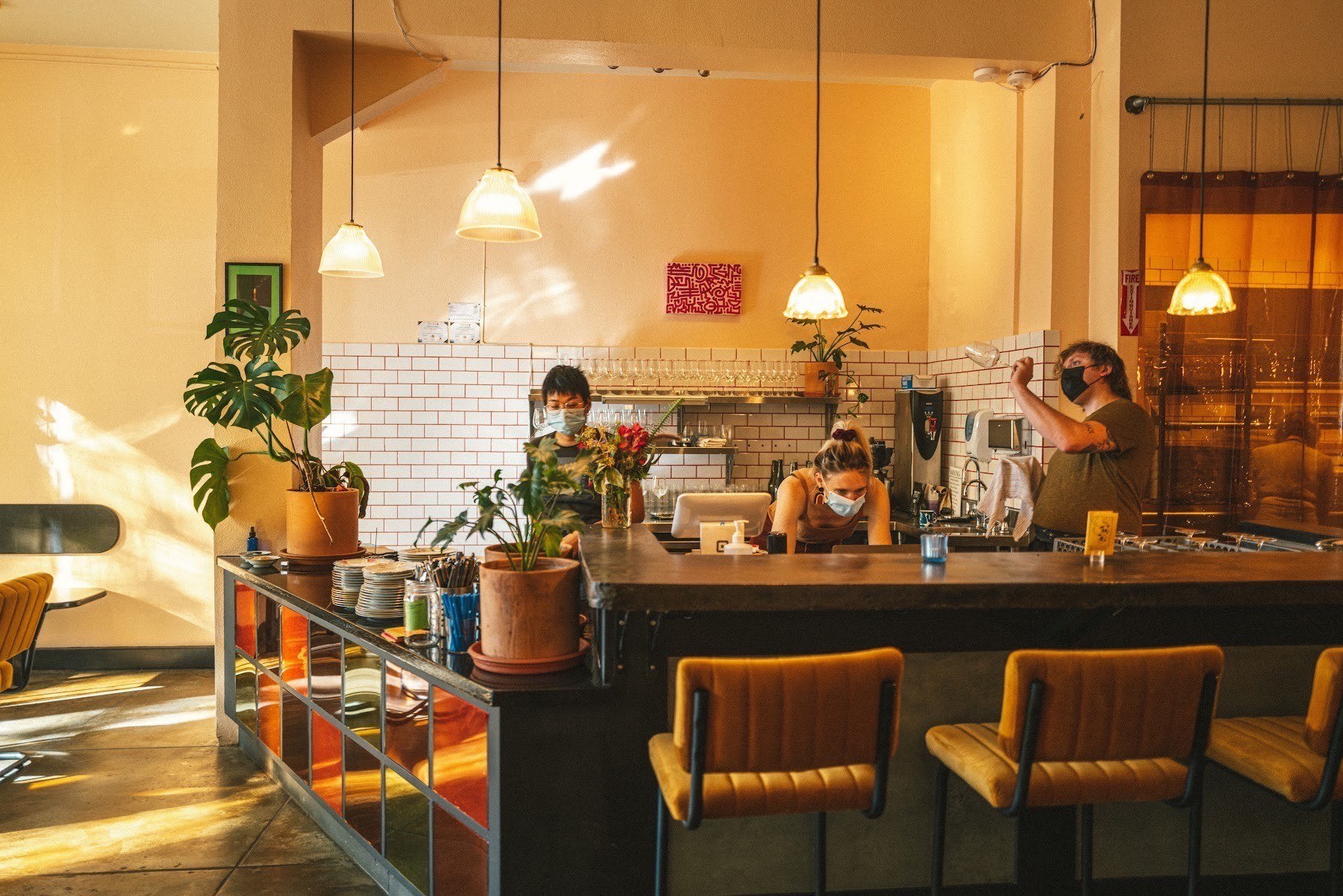
"I’m proud more than anything that I have a job that respects me enough that pays for my health insurance," Fendley said. Following a paid winter break provided by the restaurant, Fendley noted a profound change in his mental and physical well-being, stating that he returned to work feeling exceptionally rested and re-energized.
Industry organizations emphasize that improving workplace conditions does not always require massive financial restructuring. Anne McBride, vice president of programs at the James Beard Foundation, highlights career progression as a crucial, cost-effective tool for retention. By establishing clear paths for professional growth and hourly wage increases, restaurants can transform transient jobs into long-term careers without destabilizing their financial foundations.
Looking Ahead: The Future of Hospitality
As the restaurant industry continues to navigate post-pandemic economic realities, the success of businesses like Bell’s, Daytrip, and Slidin’ Dirty signals a broader cultural reckoning. Operators are increasingly recognizing that sustainable business models must prioritize the human beings who keep kitchens running and dining rooms operational.
For Greg Ryan and other pioneers of this movement, the work is far from finished. Future expansions, including vision and dental coverage and robust retirement programs, remain central to their long-term visions. Ultimately, these restaurateurs aim to dismantle the perception of service workers as disposable cogs in a machine, proving instead that reinvesting in people is the ultimate recipe for enduring success.
Related posts: