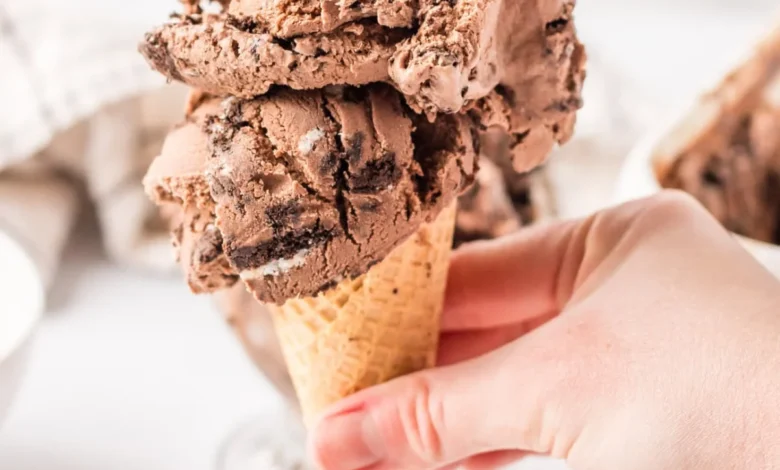
The Evolution of Cookies and Cream
The history of cookies and cream ice cream is rooted in mid-20th-century American food innovation. While vanilla ice cream has historically served as the neutral canvas for various inclusions, the introduction of chocolate sandwich cookies into dairy bases gained significant traction in the 1970s and 1980s. Initially popularized as a novelty flavor, it has since become one of the top-selling ice cream profiles globally.
However, the industry has seen a recent shift toward "intense" flavor profiles. Consumers are increasingly seeking "double-chocolate" or "triple-chocolate" experiences that offer more than the standard sugary vanilla base. This particular variation—which utilizes a cocoa-heavy foundation—reflects a broader culinary movement toward balancing sweetness with the deep, bitter notes of high-quality cocoa powder, thereby creating a more complex flavor profile.
Technical Composition and Formulation
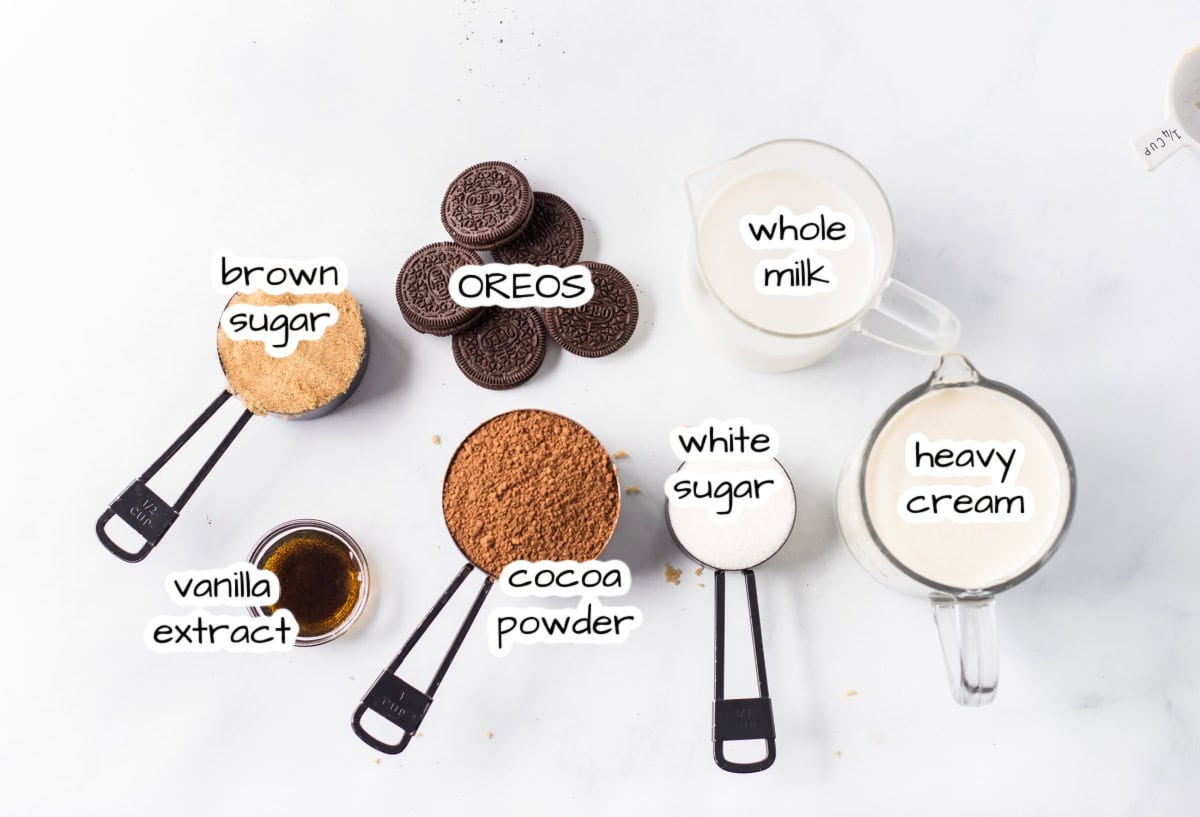
The formulation of this chocolate-based ice cream requires precise handling of fat and sugar ratios. Unlike vanilla bases, where the primary flavoring agent is an extract, a chocolate base requires the incorporation of cocoa solids. According to professional culinary standards, the inclusion of cocoa powder impacts the freezing point and texture of the final product.
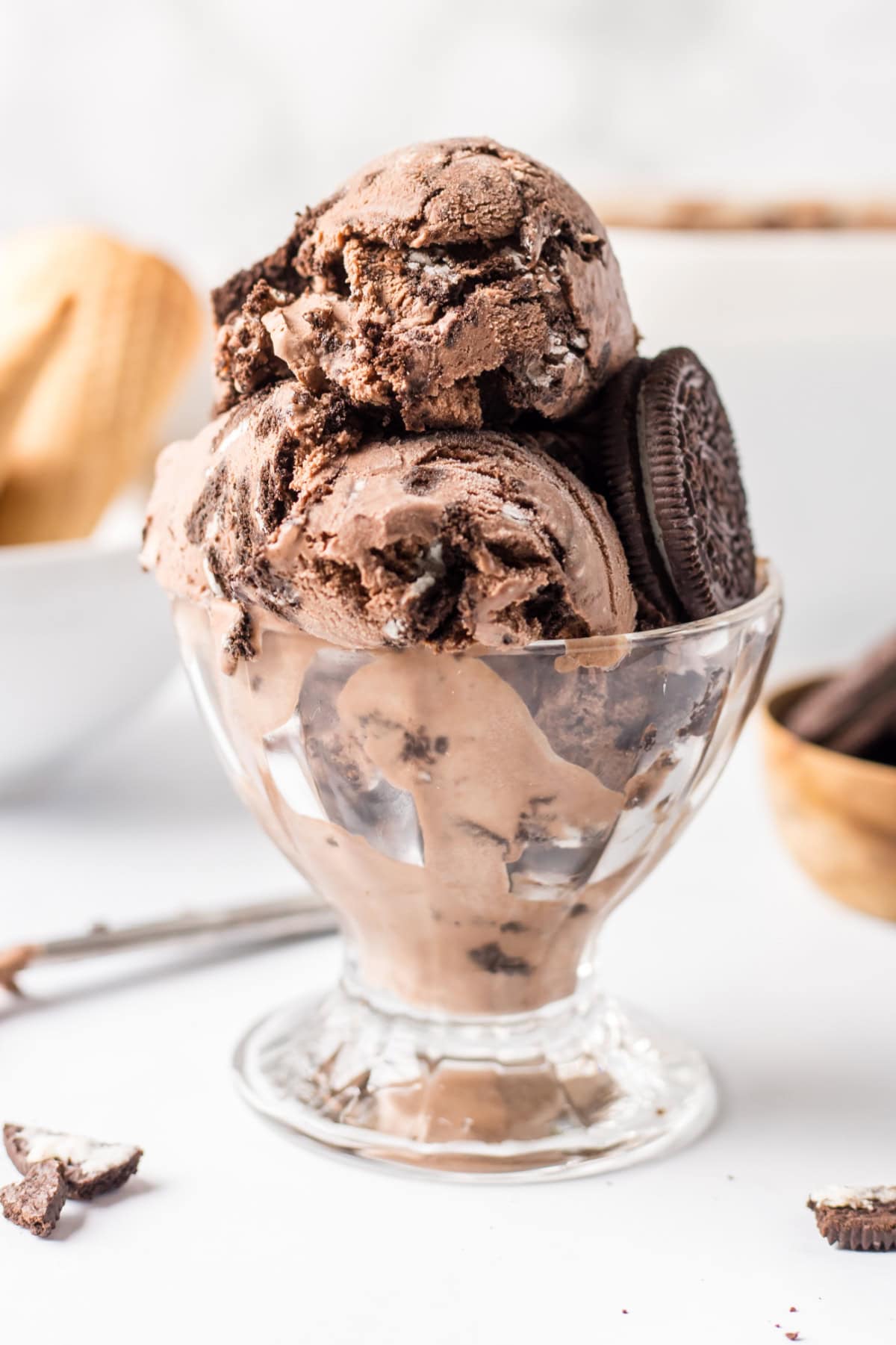
Data from the International Dairy Foods Association suggests that the fat content in premium ice cream typically ranges between 12% and 16%. In this specific recipe, the richness of the base is achieved through a carefully managed custard or cream-based mixture, which provides the necessary viscosity to suspend the cookie inclusions evenly. The use of Oreo-style sandwich cookies adds a secondary texture profile: the soft, moisture-absorbing cream filling contrasts with the crunchy, cocoa-based wafers. To maintain this texture, experts advise folding the cookie pieces into the base only during the final stage of the churning process to prevent the wafers from becoming overly sodden or disintegrating into fine sediment.
Chronology of Preparation
Achieving the optimal consistency for this dessert involves a multi-stage process that prioritizes temperature control:
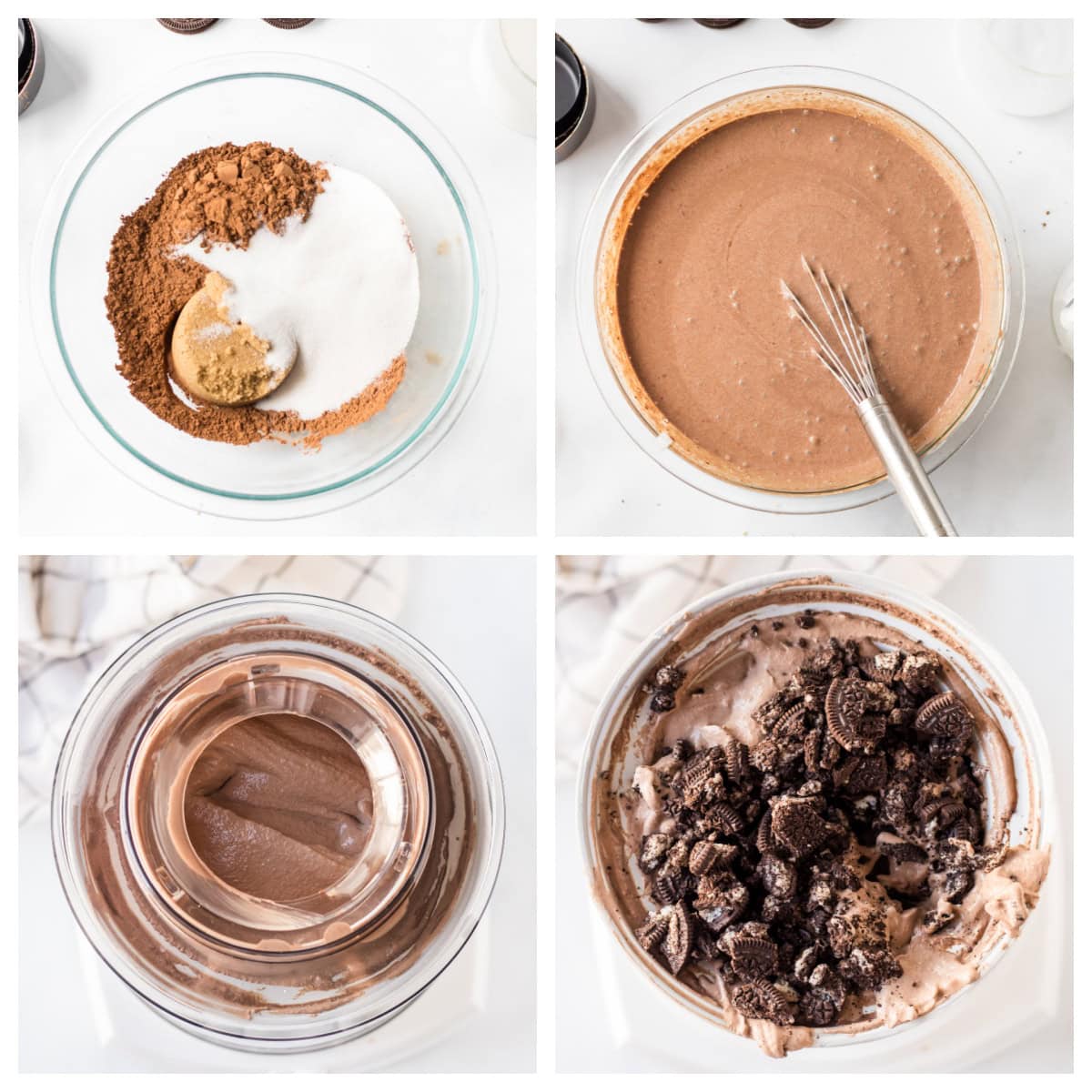
- Preparation of the Base (0–15 minutes): The initial step involves whisking high-quality cocoa powder into a dairy base, ensuring complete dissolution to avoid granular textures.
- Chilling and Maturation (2–4 hours): Once the base is prepared, it must be chilled to a temperature near 40°F (4°C). This period, often referred to as "aging" the mix, allows the proteins in the dairy to hydrate fully, which results in a smoother mouthfeel and better aeration during the churning phase.
- Churning and Inclusion (20–40 minutes): The chilled mixture is processed in an ice cream maker. The agitation incorporates air—known as "overrun"—which is critical for preventing the ice cream from becoming too dense or icy.
- Final Incorporation and Hardening (4+ hours): The cookie chunks are folded in during the final minutes of churning. The mixture is then transferred to a chilled container and placed in a freezer set to 0°F (-18°C) or below for several hours to achieve the ideal scoopable hardness.
Market Trends and Consumer Preferences
Market research indicates that chocolate remains the most popular flavor category in the United States, consistently outperforming fruit-based and novelty flavors. By hybridizing the cookies and cream format with a dark cocoa base, manufacturers and home cooks are tapping into the "premiumization" trend. This movement prioritizes ingredients with higher cocoa butter content and fewer artificial additives.
Food analysts note that recipes requiring "make-ahead" preparation—such as this one—have seen a surge in popularity as consumer interest in "from-scratch" cooking continues to climb post-2020. The ability to control the quality of the cocoa and the size of the cookie inclusions allows for a customizable product that mass-produced, store-bought alternatives often struggle to replicate.
Nutritional Profile and Dietary Considerations
For a standard serving size of approximately one-half cup, this chocolate cookies and cream ice cream contains roughly 323 kilocalories. The macronutrient breakdown is characterized by a significant fat content (22g) and carbohydrate profile (32g), largely derived from the dairy solids and the sandwich cookies.
Health professionals often emphasize that while such desserts are energy-dense, they are intended for moderate consumption. The inclusion of iron (approx. 3mg per serving) is attributed to the cocoa powder and the processed cookie components, though the dessert should be viewed primarily through the lens of indulgence rather than nutritional necessity.
Broader Culinary Impact
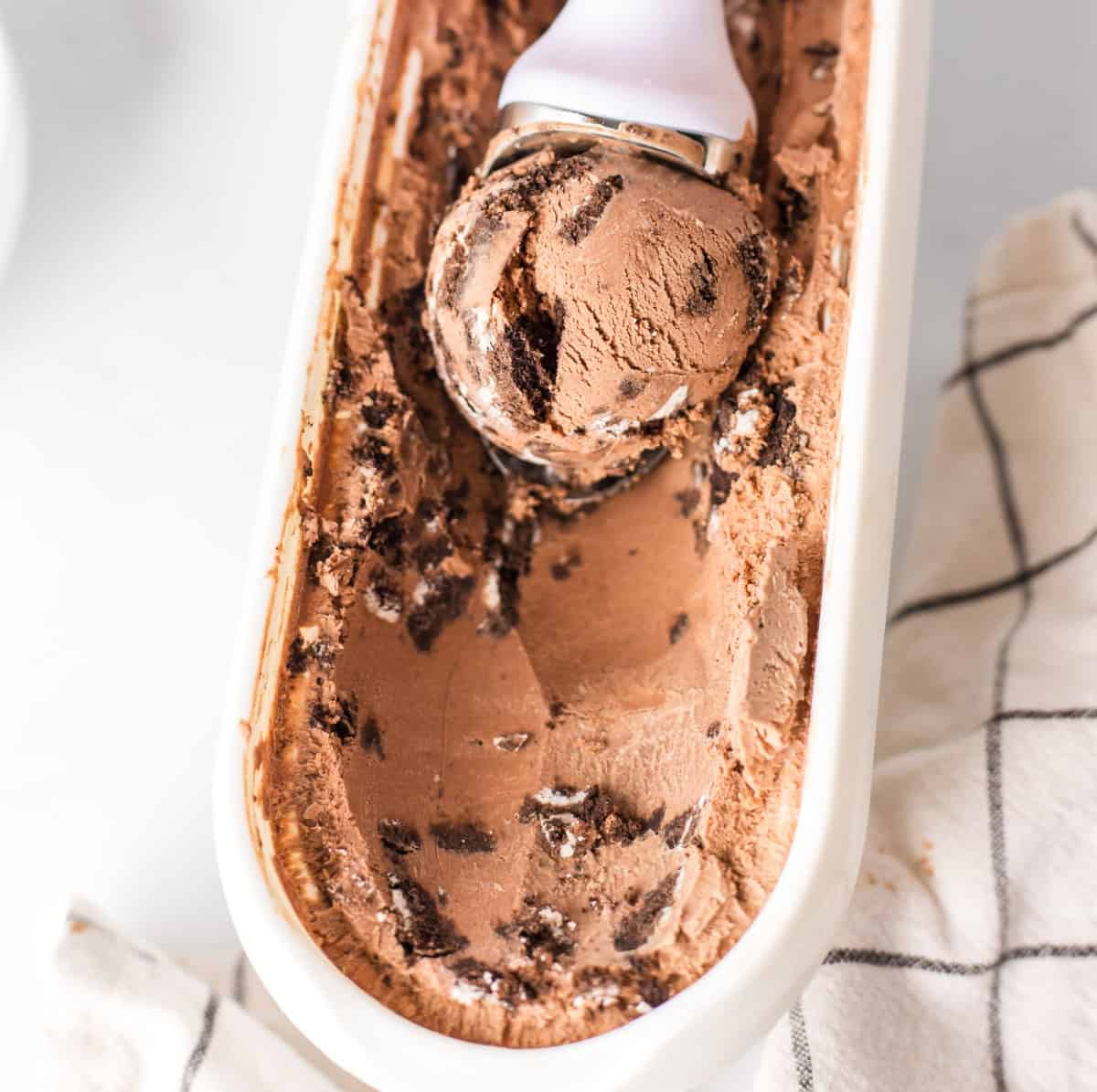
The transition from a vanilla-based cookies and cream to a chocolate-based one is more than a simple ingredient swap; it is a fundamental shift in the dessert’s architectural integrity. By using a chocolate base, the sugar content must be carefully balanced to prevent the product from becoming cloying. The inherent bitterness of cocoa powder acts as a natural offset to the sweetness of the sugar and the cream filling of the cookies, resulting in a more sophisticated sensory experience.
Chefs and culinary educators often point to this recipe as an example of "texture contrast engineering." The successful version of this dish depends entirely on the ratio of cookie-to-cream. If the pieces are too small (crumb-sized), the texture is lost. If they are too large, they can become unpleasantly hard when frozen. The "Goldilocks zone"—small, distinct chunks—is essential for maintaining the structural integrity of the ice cream throughout the eating process.
Expert Recommendations for Implementation
For those attempting this preparation, consistency is the primary challenge. Industry experts suggest the following best practices:
- Temperature Consistency: Ensure all equipment, including the freezer bowl, is pre-chilled to the manufacturer’s specifications. Failure to do so will result in larger ice crystals, which negatively affect the texture.
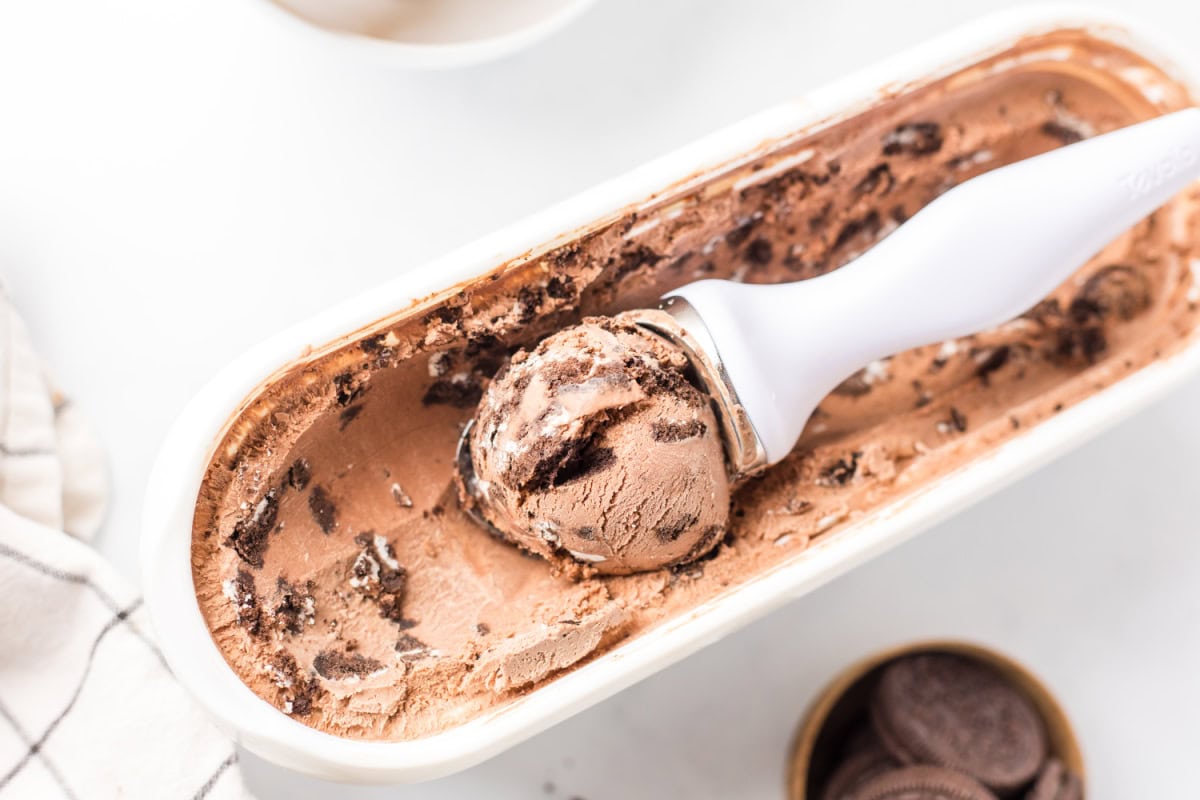
- Cookie Quality: Use fresh, standard-sized sandwich cookies. Stale cookies will absorb too much moisture from the ice cream base and lose their characteristic "snap," while crushed, dusty cookies will cloud the color of the ice cream, turning it an unappealing gray rather than a deep, rich brown.
- Add-in Timing: Avoid adding the cookies too early. The churning process is mechanical, and over-processing will break the cookies down into fine particles, effectively turning the ice cream into a muddy, uniform chocolate color rather than the signature speckled appearance.
Conclusion
The Chocolate Cookies and Cream Ice Cream serves as a prime example of how traditional recipes can be effectively reimagined through technical refinement. By prioritizing a deep cocoa foundation and meticulous handling of inclusions, the final product offers a depth of flavor that separates it from standard supermarket varieties. As interest in high-quality, homemade desserts continues to grow, such recipes provide a clear framework for those seeking to elevate their culinary repertoire through precision, technique, and an appreciation for the foundational elements of artisanal ice cream production. Whether served as a standalone dessert or paired with complementary cakes and garnishes, this iteration remains a staple for those who prioritize intensity and quality in their frozen confections.