Booker’s Expands Beyond Tradition With The Reserves 2026 Apple Brandy Cask Finished Rye Whiskey

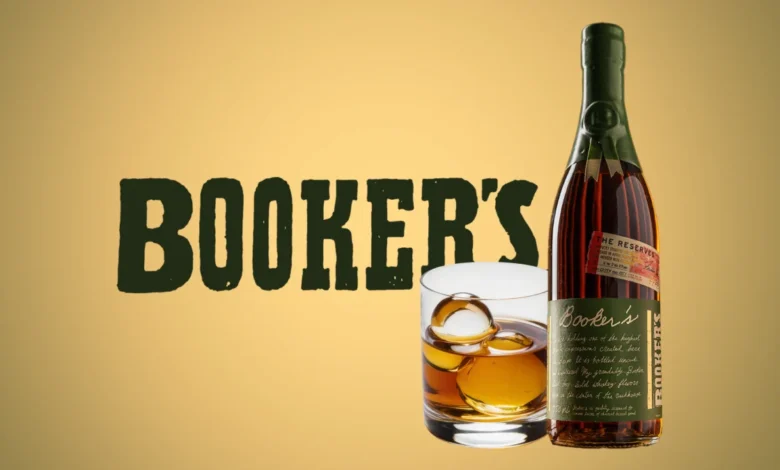
The James B. Beam Distilling Co. has officially announced the upcoming release of Booker’s The Reserves 2026, marking a significant and controversial milestone for a brand traditionally defined by its uncompromising commitment to unfiltered, uncut, and unadulterated bourbon and rye. As only the second rye whiskey released in the storied history of the Booker’s portfolio—and the third installment in its prestigious, limited-edition "The Reserves" collection—this new offering breaks decades of purist tradition by incorporating an apple brandy cask finish and an infusion of cinnamon.
Priced at a suggested retail price of $129.99, Booker’s The Reserves 2026 is bottled at an assertive 125.1 proof (62.55% ABV) after spending more than six years aging in traditional oak warehouses. The limited-edition release is rolling out to spirits retailers nationwide, instantly generating intense discussion among collectors, purists, and casual whiskey enthusiasts alike. While the brand defends the liquid as an authentic homage to family history, the inclusion of cask finishing and spice flavoring in a historically strict portfolio has ignited a broader industry debate regarding innovation versus heritage in the ultra-premium American whiskey market.
The Historical Weight and Evolution of the Booker’s Lineup
To understand the weight of this new release, one must examine the legacy of the late Booker Noe. Appointed as the sixth-generation master distiller at Jim Beam in 1965, Frederick Booker Noe Jr. revolutionized the American whiskey landscape in 1988 by introducing Booker’s Bourbon. At a time when the industry was dominated by low-proof, heavily diluted products designed to appeal to mass-market palates, Booker Noe bottled his signature whiskey straight from the barrel, uncut and unfiltered.
This bold move laid the groundwork for the modern small-batch and barrel-proof whiskey movements. Booker’s became synonymous with high-octane, oak-forward, robust liquids that bore the fingerprints of traditional Kentucky craftsmanship. For decades, the brand’s identity was built on a foundation of absolute consistency in production methods: traditional mash bills, standard charred white oak barrels, and zero finishing shenanigans.
For nearly thirty years, the Booker’s portfolio consisted exclusively of high-proof bourbons released in seasonal batches. It was not until 2016 that the brand finally deviated from its all-bourbon strategy to release its very first rye whiskey, known colloquially as Booker’s Rye "Big Time Batch." That inaugural rye achieved legendary status among secondary market collectors, winning numerous accolades and remaining an elusive unicorn bottle for enthusiasts. Until now, Big Time Batch stood entirely alone as the sole rye whiskey ever produced under the Booker’s name.
The launch of "The Reserves" collection in 2024 represented a new chapter for the brand, created specifically to honor Booker Noe’s pioneering spirit through annual, highly allocated releases that push boundaries just slightly past standard batch offerings while maintaining the brand’s signature high proof points. The 2026 release of the second-ever Booker’s rye within this specialized collection signals a calculated pivot by the current distilling team under the leadership of current master distiller Freddie Noe.
The Chronology of a Leak and Social Media Backlash
The path to the commercial launch of Booker’s The Reserves 2026 was far from conventional. Months prior to the official corporate announcement from brand owner Suntory Global Spirits, whispers and blurry photographic evidence of the new bottle began circulating across digital channels.
The timeline of the rollout highlights the modern challenges heritage brands face in controlling their product narratives in the age of digital leakage:
- Early 2026: Speculation begins mounting within online whiskey communities as trade label approvals and early warehouse samples surface. Photos of the bottle bearing the "Apple Brandy Cask Finish" designation are posted to Reddit’s primary whiskey forums.
- Mid-2026: Screenshots and discussions quickly migrate to X (formerly Twitter) and Instagram, where prominent spirits influencers and dedicated collectors analyze the technical label specifications.
- Late 2026: The James B. Beam Distilling Co. formally acknowledges the release through an official press release, detailing the mash bill, aging specifications, and the inspiration behind the controversial finishing process.
The online reception was immediate and, in many corners of the enthusiast community, fiercely critical. For decades, the Booker’s consumer base has prided itself on consuming unadorned, straight-from-the-barrel whiskey. The realization that a heritage brand revered for its purist ethos was releasing an apple brandy-finished rye flavored with cinnamon led many vocal fans to accuse the company of leaning into modern finishing gimmicks designed to capitalize on current secondary-market trends. Critics argued that ultra-premium brands should let the grain, barrel, and time speak for themselves, viewing the use of secondary casks and spice infusions as a departure from the authentic Booker’s philosophy.
Decoding the Liquid: Production, Specifications, and Official Tasting Notes
Despite the initial skepticism from purists, master distiller Freddie Noe—grandson to the legendary Booker Noe—has defended the creation as a deeply personal tribute to his grandfather’s lesser-known culinary and brewing experiments outside of commercial distilling.
According to official brand documentation, the inspiration for Booker’s The Reserves 2026 stems from Booker Noe’s personal tradition of crafting small, annual batches of homemade apple wine on his farm in Kentucky. Freddie Noe sought to translate the flavor profile of his grandfather’s autumn hobby into a high-proof commercial rye expression.
"This release is a very Reserves take on his recipe," Freddie Noe stated in the official press release. "A robust rye whiskey — the elusive Booker’s rye you all love so much — aged in apple brandy casks with some cinnamon sticks for added character."
To achieve this profile, the production team selected fully matured rye whiskey that spent over six years resting in standard charred oak barrels. Following this initial maturation, the liquid was transferred into apple brandy casks for secondary finishing, during which cinnamon sticks were introduced to impart specific spice characteristics. Despite the finishing and flavoring additions, the whiskey maintains an assertive 125.1 proof (62.55% ABV), ensuring that the underlying structural integrity and fiery backbone typical of the Booker’s line are not lost beneath the sweeter cask notes.
Official tasting notes provided by the James B. Beam Distilling Co. outline a complex sensory experience:
- Nose: Prominent aromas of crisp fresh apples intertwine with deep, seasoned oak, baking spices, and a faint background note of herbal rye grain.
- Palate: A rich, mouth-coating delivery featuring heavy barrel char, sweet vanilla, and rich caramel, gradually giving way to spiced orchard fruit.
- Finish: A warm, lingering conclusion reminiscent of homemade warm apple pie, balancing lingering cinnamon heat with residual wood tannins.
Broader Industry Implications and the Cask-Finishing Debate
The release of Booker’s The Reserves 2026 arrives at a fascinating inflection point for the American whiskey industry. Over the past decade, cask finishes—traditionally the domain of Scotch whisky and craft American distilleries—have permeated the mainstream bourbon and rye markets. While finishing a whiskey in port, sherry, rum, or brandy casks was once viewed by traditionalists as an unnecessary masking agent for inferior distillate, it has now become one of the primary drivers of innovation and consumer demand among major legacy producers.
However, brands with deep historical roots and fiercely loyal consumer bases walk a delicate tightrope when implementing these techniques. When a heritage label like Booker’s—known for a rigid, uncompromising commitment to traditional, barrel-proof whiskey—introduces a finished and spiced product, it forces consumers to reevaluate the boundaries of the brand’s identity.
Market analysts suggest that moves like this are indicative of a broader industry shift. As consumer demographics evolve and younger generations of spirits drinkers demonstrate a preference for sweeter, complex, dessert-like flavor profiles, legacy distilleries must innovate to capture market share. At the same time, they risk alienating long-time collectors who view traditional expressions as holy relics that should remain untouched by modern finishing trends.
The retail price point of $129.99 positions Booker’s The Reserves 2026 competitively within the ultra-premium allocated sector, though secondary market behavior remains difficult to predict given the polarizing nature of its production methods. Whether the release will ultimately be judged as a visionary expansion of the Booker’s legacy or a misstep into modern gimmickry will depend largely on how the liquid performs in blind tastings and how consumer sentiment stabilizes once bottles are widely opened and consumed.
As Booker’s The Reserves 2026 lands on retail shelves across the United States, it cements its place as one of the most talked-about and divisive American whiskey releases of the year. By bridging his grandfather’s personal hobby with contemporary finishing techniques, Freddie Noe has ensured that the brand’s second-ever rye whiskey will be a central focal point of conversation among whiskey enthusiasts for years to come.