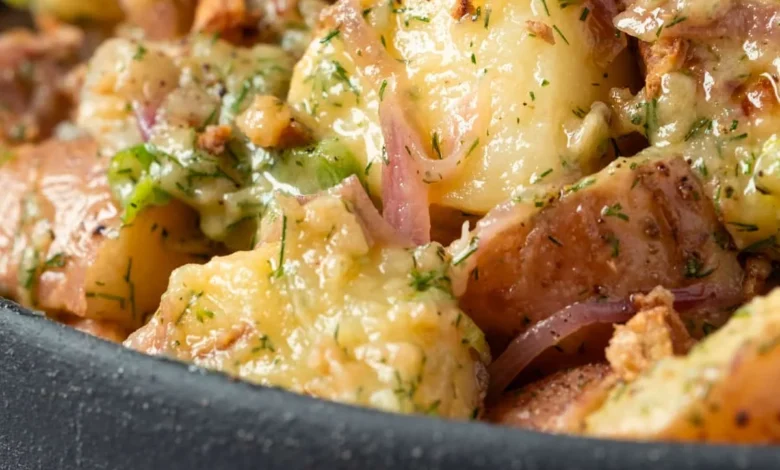
Historical Context and Evolution of Potato Salad
The history of potato salad dates back to the 17th century in Southern Germany, where it evolved into a regional staple. Traditionally, German potato salad was served warm, with a dressing composed of vinegar, oil, mustard, and broth, often flavored with bacon fat and onions. This style of preparation was designed to be hearty and shelf-stable, making it a reliable meal for laborers and families during the colder months.
In the contemporary food landscape, the shift toward plant-based diets has necessitated a reimagining of these heritage dishes. The vegan version of this salad replaces animal fats with high-quality olive oil and incorporates smoky seasonings or plant-based alternatives to replicate the savory depth previously provided by bacon. This evolution reflects a broader trend in the culinary arts: the deconstruction of classic comfort foods to accommodate ethical, dietary, and health-conscious consumer preferences.

Culinary Composition and Nutritional Profile
The modern vegan German potato salad is constructed using specific ingredients designed to maximize texture and flavor harmony. The foundation typically involves waxy potato varieties—such as Yukon Gold or red potatoes—which hold their shape better than starchy russets when boiled and tossed.

Nutritional analysis of a standard serving reveals a profile that aligns with current dietary guidelines for plant-based nutrition:

- Energy Density: Approximately 283 kcal per serving.
- Macronutrients: 34g of carbohydrates, 3g of protein, and 15g of fat.
- Dietary Fiber: 3g per serving, primarily sourced from the potato skins and added aromatics.
- Sodium Content: Regulated at approximately 299mg, providing a balance of seasoning without excessive salt intake.
The vinaigrette is the technical highlight of the dish, utilizing the emulsification of vinegar, Dijon mustard, and olive oil. This mixture, when combined with sautéed red onions, fresh dill, and smoky seasonings, creates a "depth of umami" that replaces the traditional meat-based drippings.

Preparation Methodology: A Technical Overview
The production process for this dish requires a methodical approach to ensure the structural integrity of the ingredients. The process can be broken down into four distinct phases:

- Thermal Processing: Potatoes are boiled in salted water until tender but firm. Over-boiling results in a mushy texture that compromises the final presentation.
- Aromatic Preparation: Red onions are sautéed to a translucent state. This step is critical for developing a sweet, mellow base that complements the sharp acidity of the vinegar.
- Vinaigrette Emulsification: A mixture of maple syrup, high-quality vinegar, and Dijon mustard is brought to a simmer. The inclusion of maple syrup provides a necessary counterpoint to the acidity, mirroring the balance found in traditional recipes.
- Integration: The dressing is combined with the sliced potatoes while they are still warm, allowing the starches to absorb the vinaigrette. The addition of fresh dill and smoky elements (such as hickory-infused salt) concludes the process, adding layers of aromatic complexity.
Broader Impact and Market Trends
The proliferation of vegan versions of traditional European dishes signifies a shift in global dietary patterns. According to recent market research, the plant-based side dish sector is experiencing a compound annual growth rate (CAGR) that exceeds traditional prepared salads. This is largely attributed to the increasing prevalence of lactose intolerance and the rise of "flexitarian" eating, where consumers are actively seeking to reduce their intake of animal products without sacrificing familiar comfort foods.

Furthermore, the "make-ahead" convenience of this salad makes it a preferred option for large-scale catering and food service. Unlike mayonnaise-based salads, which carry higher risks of bacterial growth at room temperature and have a shorter shelf life, the vinegar-based dressing acts as a natural preservative. When refrigerated, the salad maintains its texture for 4 to 5 days, making it an economically and logistically efficient choice for meal planning and institutional food service.

Culinary Implications and Professional Reception
Culinary experts note that the success of this vegan dish lies in its adherence to the "acid-fat-salt" triad. By using fresh herbs like dill rather than dried substitutes, the dish achieves a level of freshness that elevates it from a simple side to a centerpiece.

Reactions from the culinary community have been largely positive, with nutritionists commending the use of potatoes as a source of potassium and Vitamin C, provided they are not subjected to the high-fat, high-calorie dressings typical of commercial American potato salads. The ability to serve the dish warm or at room temperature also offers versatility in seasonal menu planning, fitting equally well at summer barbecues or as a warm autumn accompaniment.

Future Outlook
As sustainability becomes a central pillar of the food industry, the demand for recipes that minimize animal product reliance is expected to grow. The vegan German potato salad serves as a case study for how traditional, meat-centric recipes can be successfully modernized. Future variations may include the use of fermented vegetables, alternative vinegar infusions (such as cider or balsamic), or the incorporation of ancient grains to further boost the protein content of the dish.

In conclusion, the vegan German potato salad is more than a simple meat-free alternative; it is a refined version of a historical recipe that satisfies contemporary nutritional requirements while honoring its cultural origins. Through careful ingredient selection and precise temperature management, it offers a sophisticated, flavor-forward experience that continues to gain traction in both home kitchens and professional culinary environments.