The Ultimate Guide to Selecting the Best Apples for Baking and Achieving Professional Results in the Kitchen

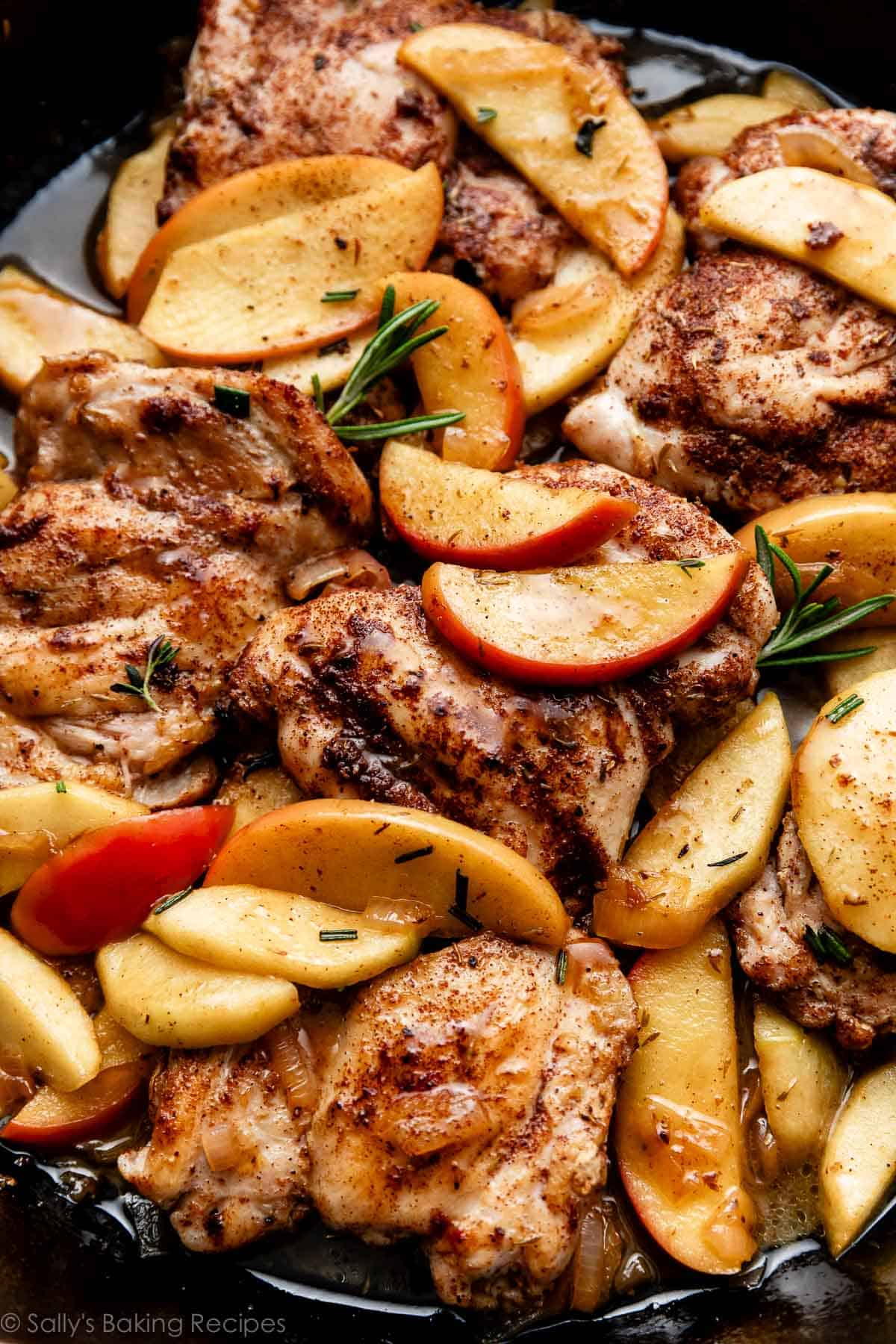
The humble apple remains one of the most versatile and enduring staples in culinary arts, anchoring both sweet and savory preparations across global cuisines. From foundational American desserts like the classic apple pie to rustic European tarts, savory holiday stuffings, and comforting autumn quick breads, apples provide structural integrity, moisture, and a dynamic balance of acidity and sugar. However, the success of any baked apple dish hinges fundamentally on a single, often overlooked variable: the specific cultivar selected for the recipe. Choosing the wrong variety can inadvertently transform a crisp, structured pastry filling into an unappealing, watery purée.
Understanding the complex intersection of texture, flavor profiles, and sugar-to-acid ratios is essential for home bakers and professional pastry chefs alike. Horticultural science and culinary testing demonstrate that not all apples react identically to high heat; consequently, differentiating between baking apples and fresh-eating varieties is the first step toward culinary success.
The Crucial Role of Texture in Thermal Processing
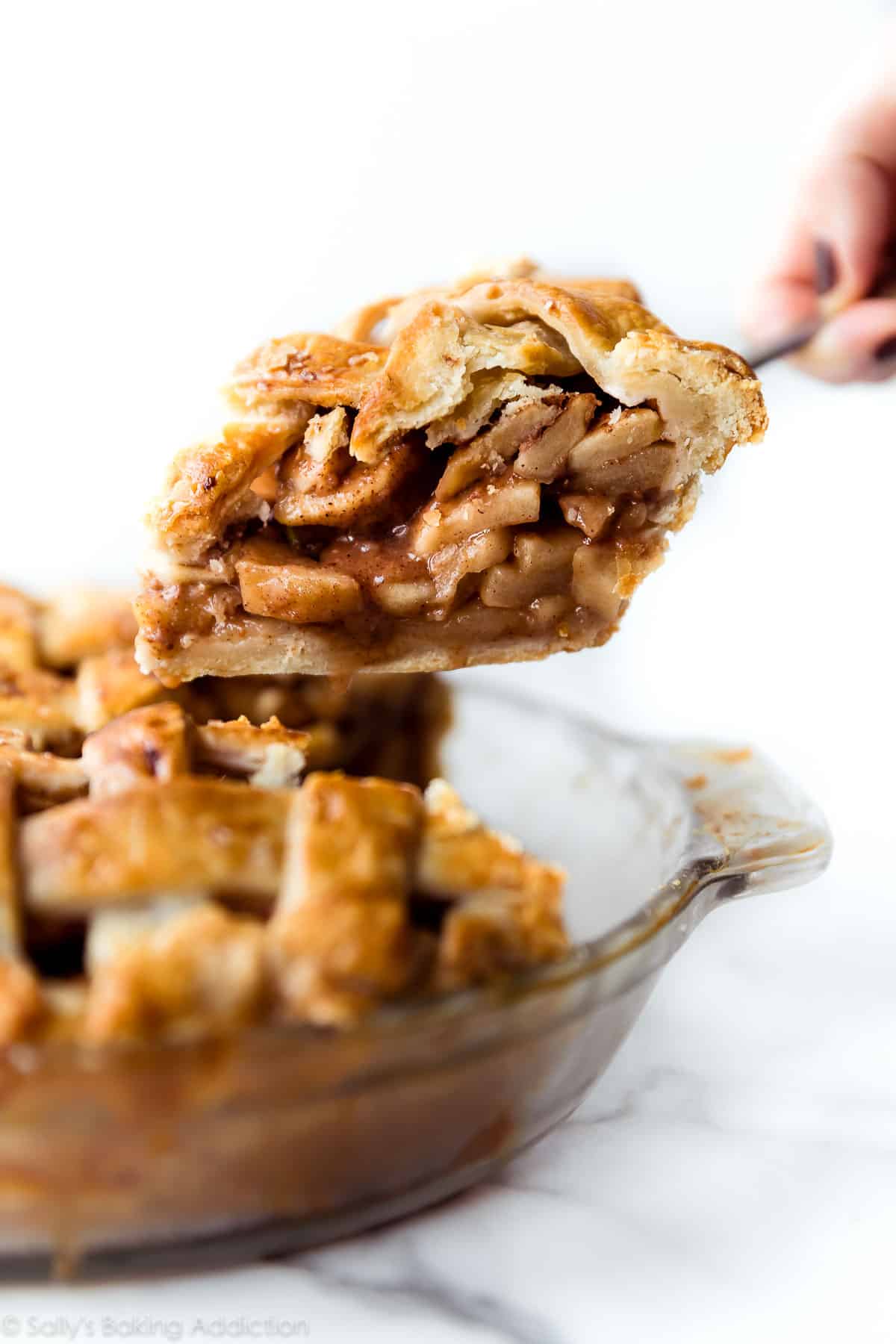
When subjected to baking temperatures, the cellular structure of fruit undergoes significant transformation. Pectin, the structural polysaccharide that binds plant cell walls together, breaks down as heat is applied. In mealy or soft-fleshed apples—such as Red Delicious, Gala, and McIntosh—this breakdown occurs rapidly, causing the fruit to collapse into a soft, uniform sauce. While desirable for applesauce or apple butter, this lack of structural resilience ruins items requiring distinct fruit pieces, such as pies, tarts, and cobblers.
Culinary experts universally advise sourcing varieties known for their dense, crisp flesh and high cellular integrity. These robust cultivars retain their shape, offering a pleasant bite and distinct mouthfeel even after prolonged baking times.
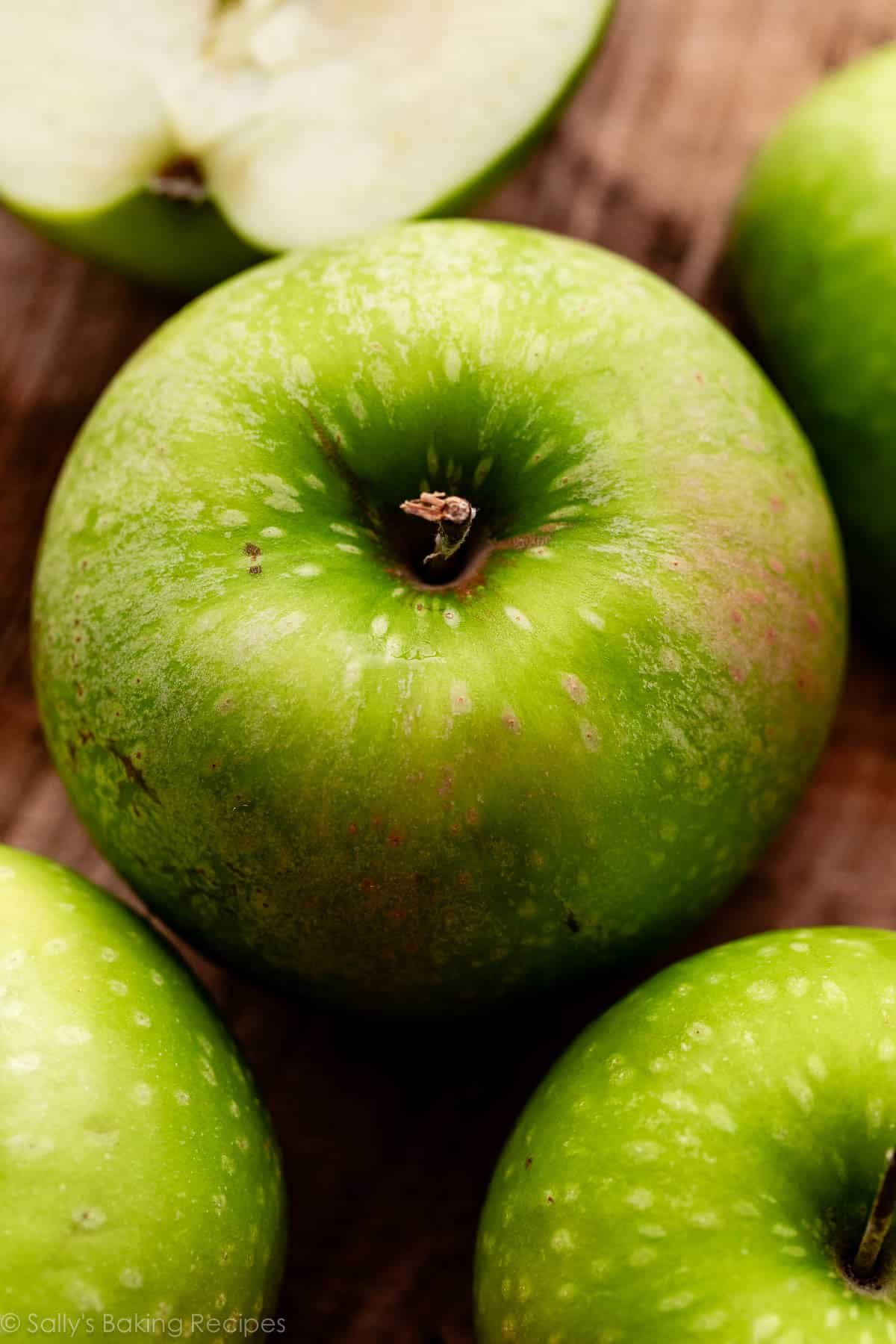
To achieve the ultimate depth of flavor, professional bakers frequently advocate for a calculated blending strategy rather than relying on a single cultivar. Combining tart apples with sweet varieties introduces a nuanced flavor profile that prevents the final dessert from tasting overwhelmingly sugary or flat. A standard rule of thumb for multi-apple recipes is a 50-50 split: pairing two tart apples with two sweet apples for a standard four-fruit proportion. For bakers preferring simplicity, the Granny Smith remains the undisputed industry standard for a single-variety application, prized for its unwavering firmness and sharp acidity that cuts through heavy butter and sugar.
Top Apple Varieties Ranked by Culinary Performance
Navigating the produce aisle requires familiarity with the specific characteristics of individual cultivars. The following varieties represent the gold standard for baking applications:

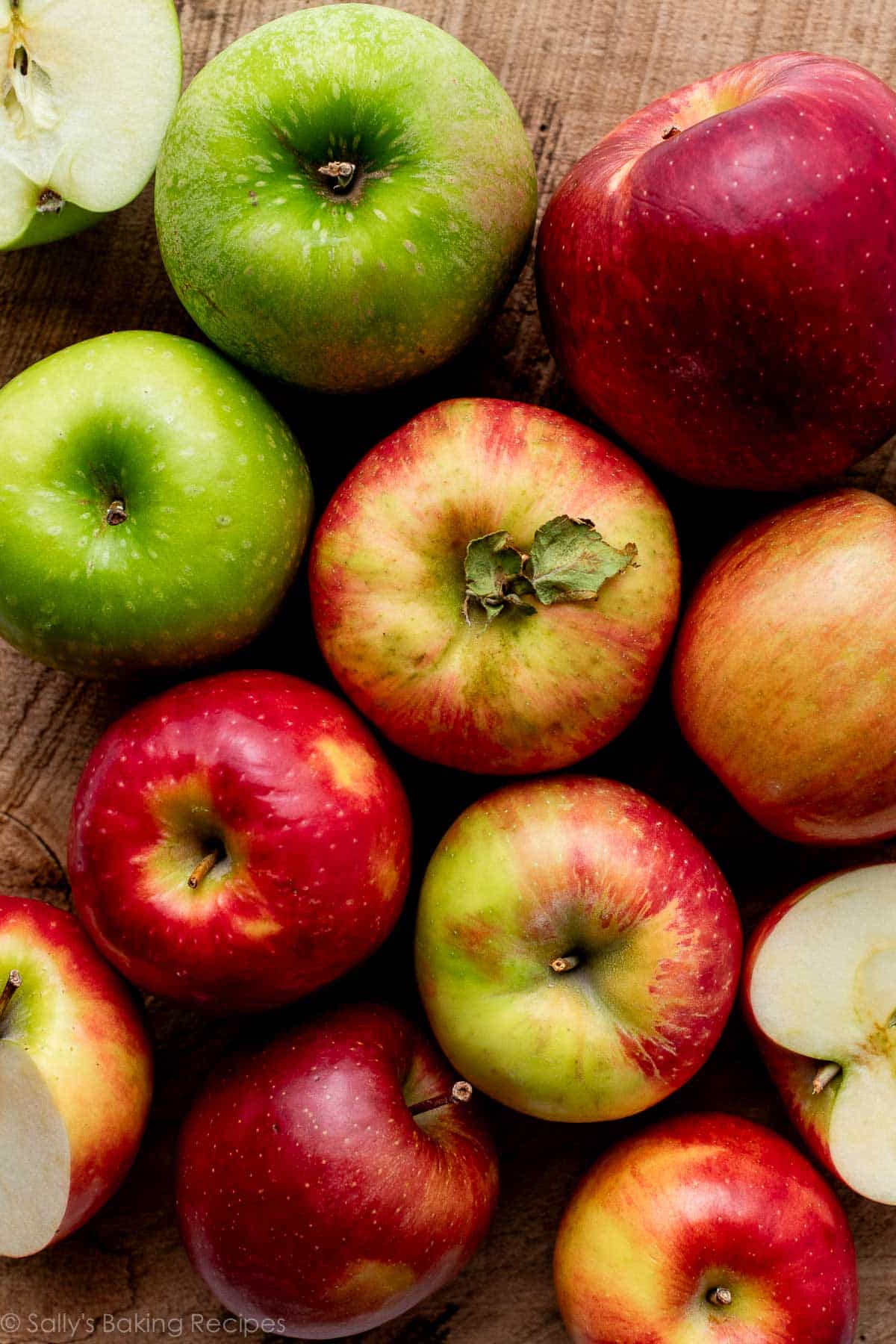
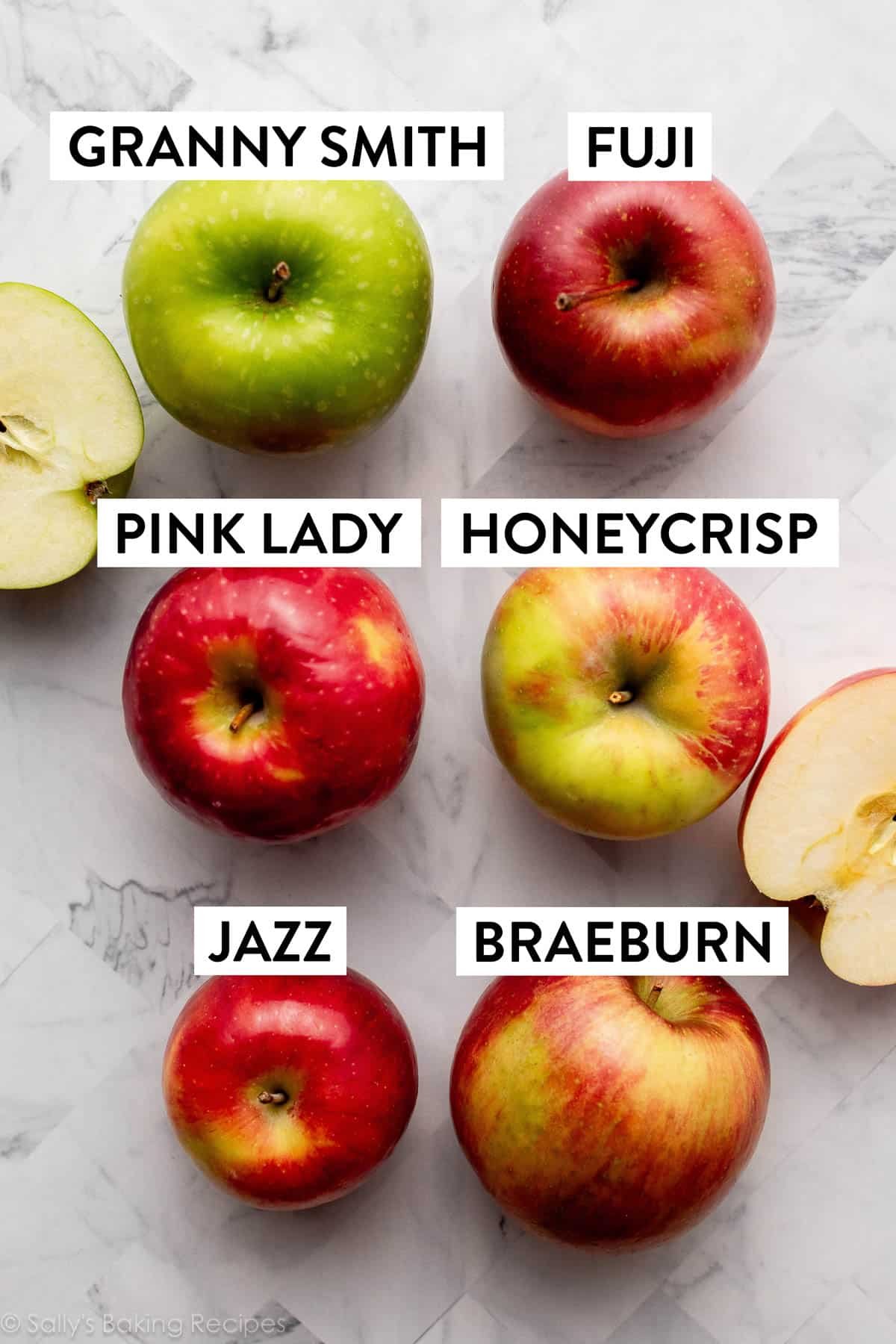
Granny Smith (Tart): Originating in Australia in the 1860s, the Granny Smith is easily identified by its bright green skin. It boasts a distinctly tart, citrusy flavor profile and a remarkably firm texture. Because it contains lower sugar levels and high acidity, it pairs exceptionally well with sweet, rich ingredients like caramel, brown sugar, and heavy pastries. It stands up remarkably well to extended baking times without losing its shape.

Braeburn (Slightly Tart): Hailing from New Zealand, Braeburn apples offer a classic, sharp apple flavor with a spicy undertone. While slightly less acidic than the Granny Smith, they possess a dense, aromatic flesh that holds its structural integrity exceptionally well under heat, making them a reliable choice for deep-dish pies and tarts.
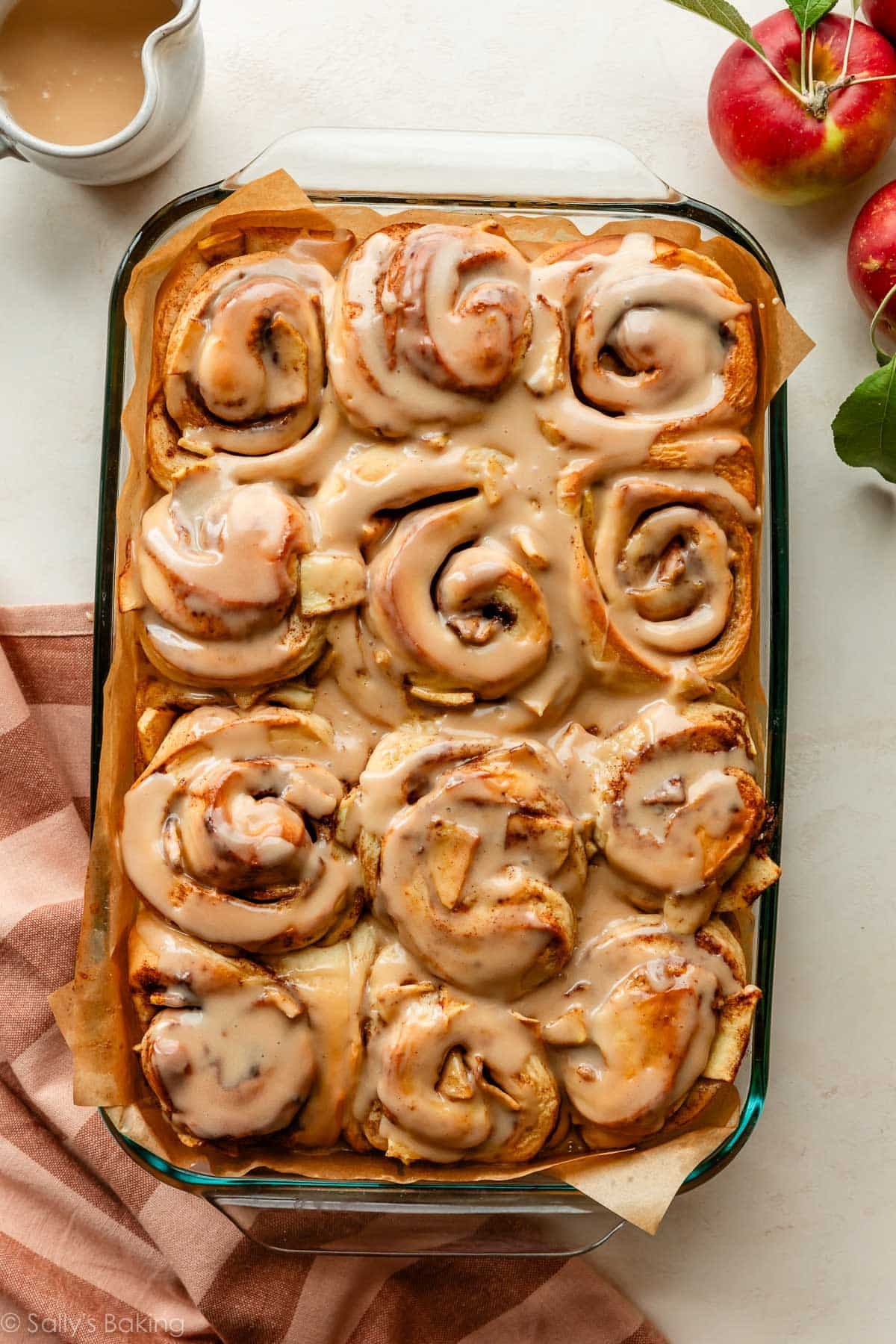
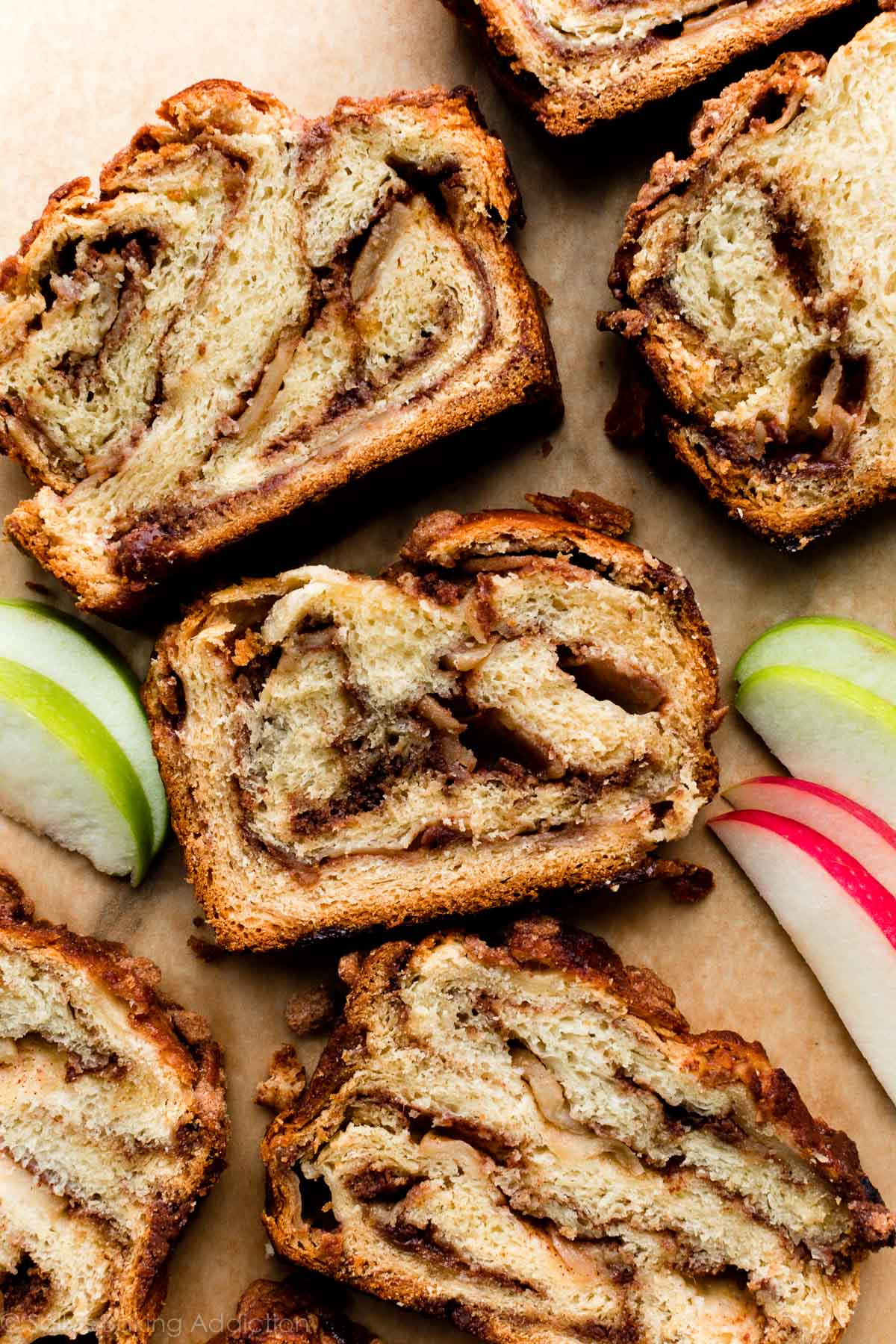
Honeycrisp (Sweet): Developed by the University of Minnesota and introduced in the late 20th century, the Honeycrisp revolutionized the apple industry. Famous for its exceptionally crisp, juicy bite, it features a balanced, honey-like sweetness. When baked, Honeycrisp apples soften just enough while retaining a pleasant texture and imparting a rich, aromatic flavor to cakes and breads.
Pink Lady, or Cripps Pink (Sweet-Tart): Developed in Western Australia, this late-harvest variety is celebrated for its distinctive pink blush and high firmness. Pink Lady apples maintain their shape impeccably during baking, making them an ideal candidate for whole baked apples or structured tarts where visual presentation is paramount.

Jazz (Sweet-Mildly Tangy): A cross between the Gala and Braeburn varieties, Jazz apples deliver a dense, crisp crunch with a refreshing, mildly tangy undertone. They are a favorite among pastry chefs looking to balance sweetness in traditional apple pies when mixed with sharper varieties.
The Mechanics of Apple Preparation
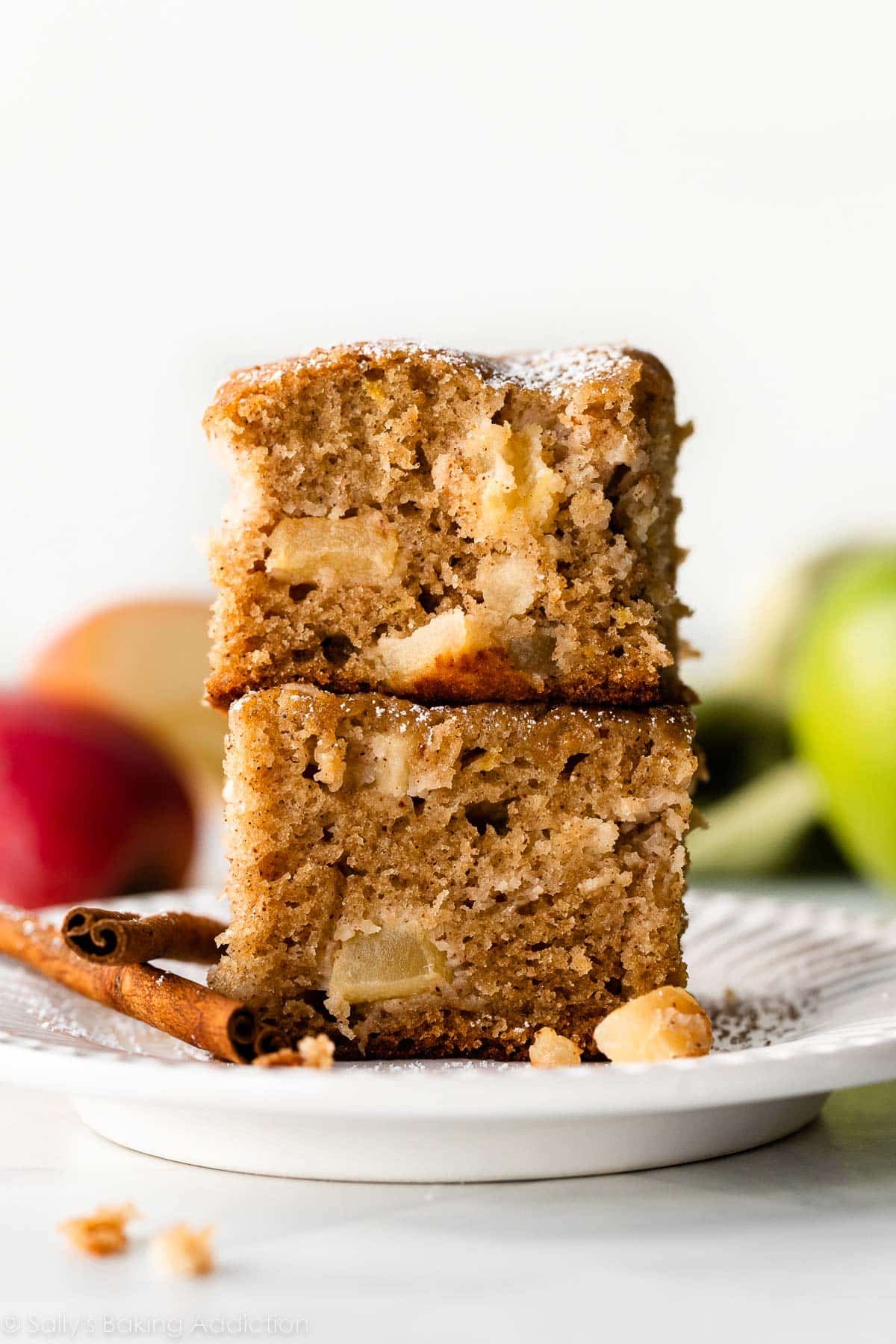
Precision in preparation directly dictates the final quality of baked goods. Depending on the specific recipe requirements, peeling may or may not be necessary. While pie fillings generally benefit from peeled fruit to ensure a tender texture, rustic galettes and certain quick breads can successfully incorporate unpeeled apples, provided the skin is thoroughly washed.
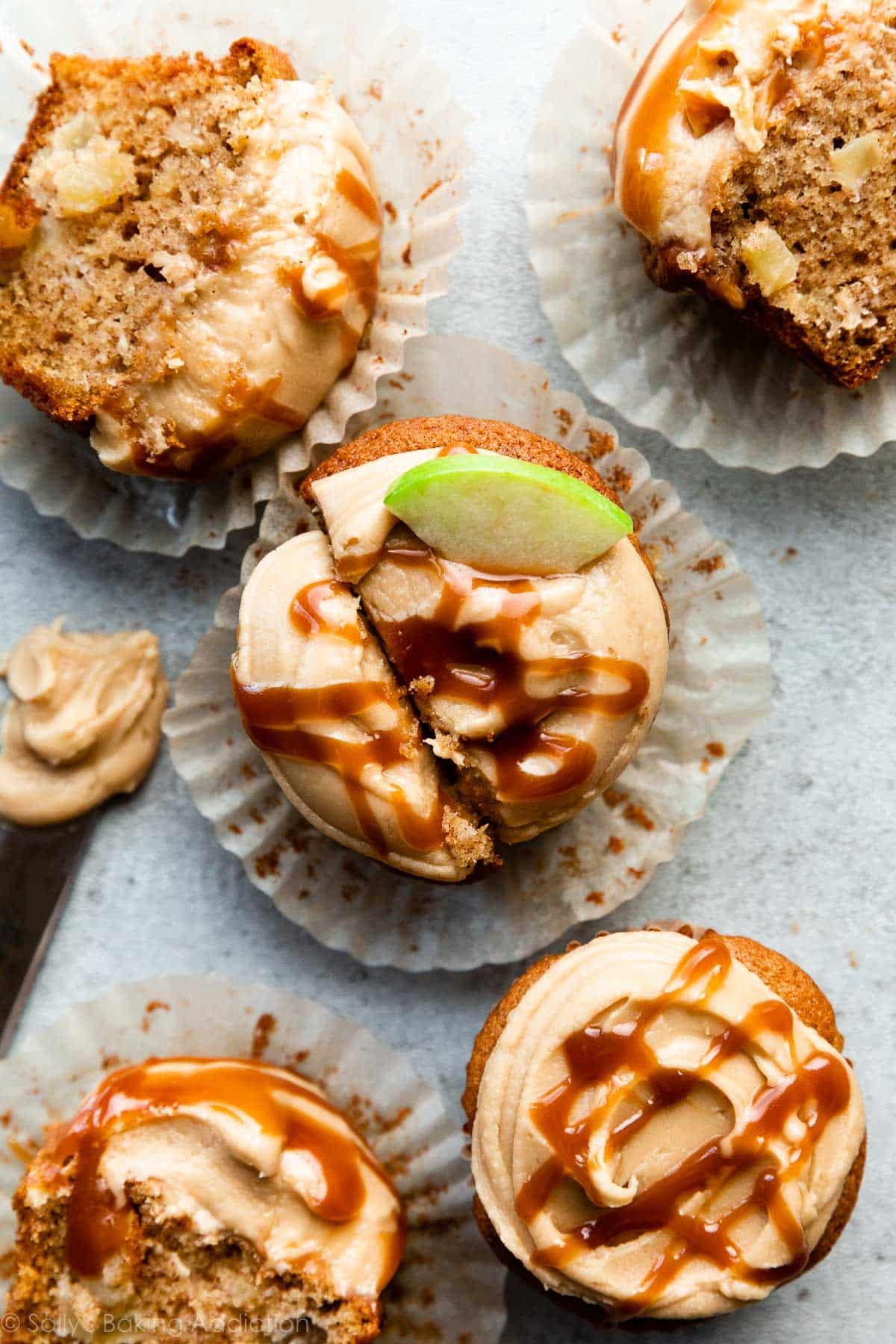
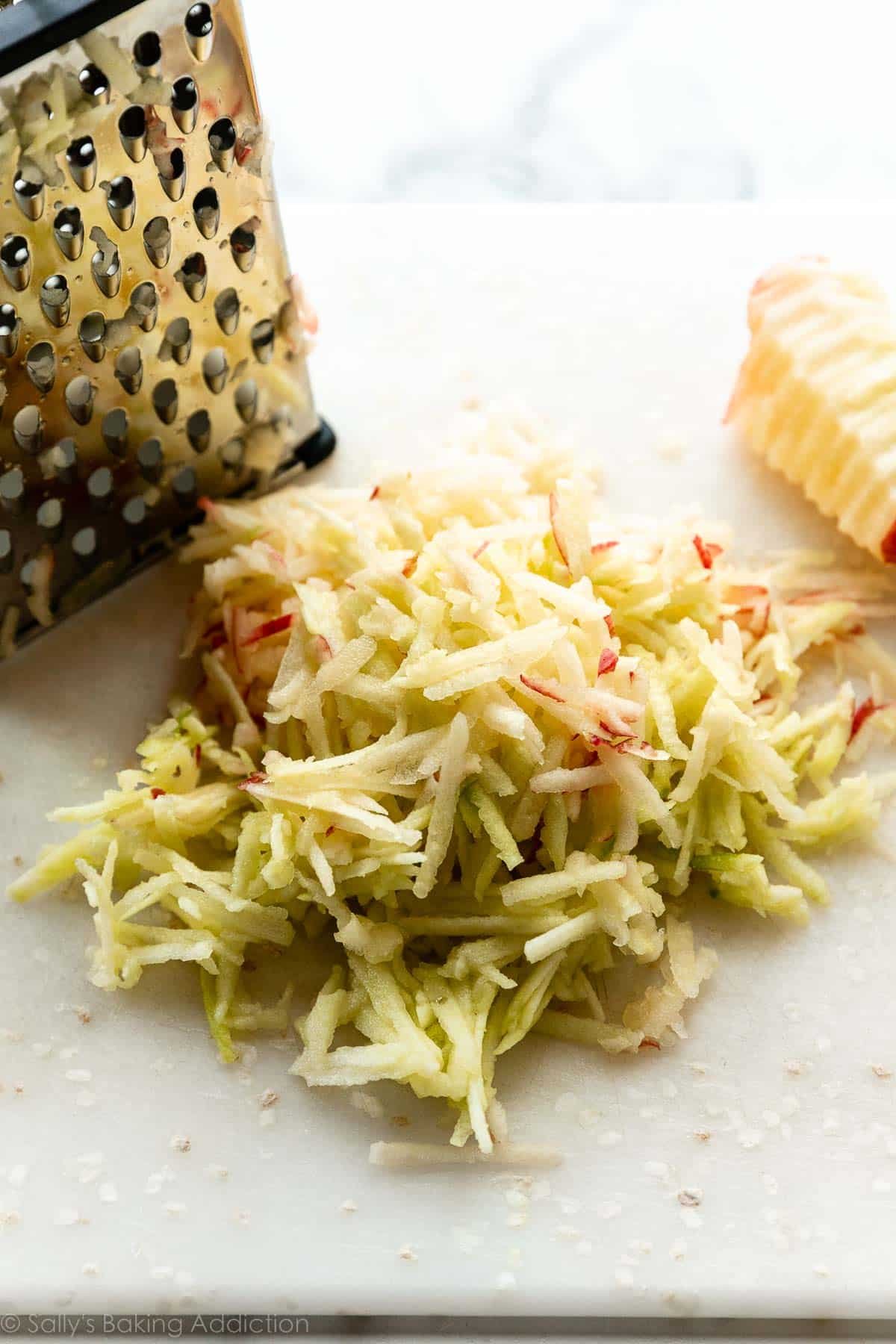
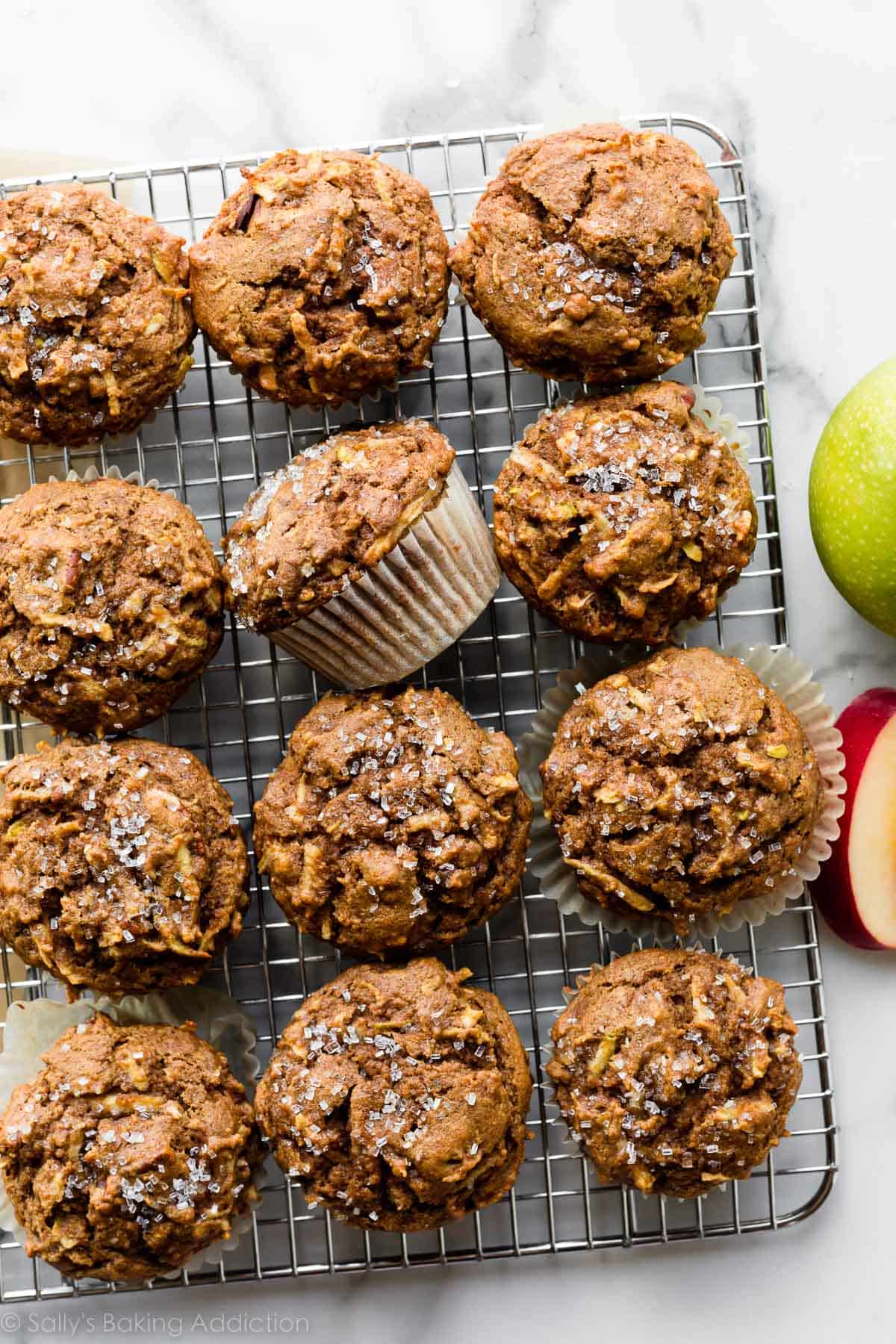
Kitchen equipment plays a vital role in efficiency. Box graters are essential for incorporating shredded apples into moist, dense crumb structures like morning glory muffins or spice cakes, maximizing surface area to distribute moisture evenly throughout the batter.
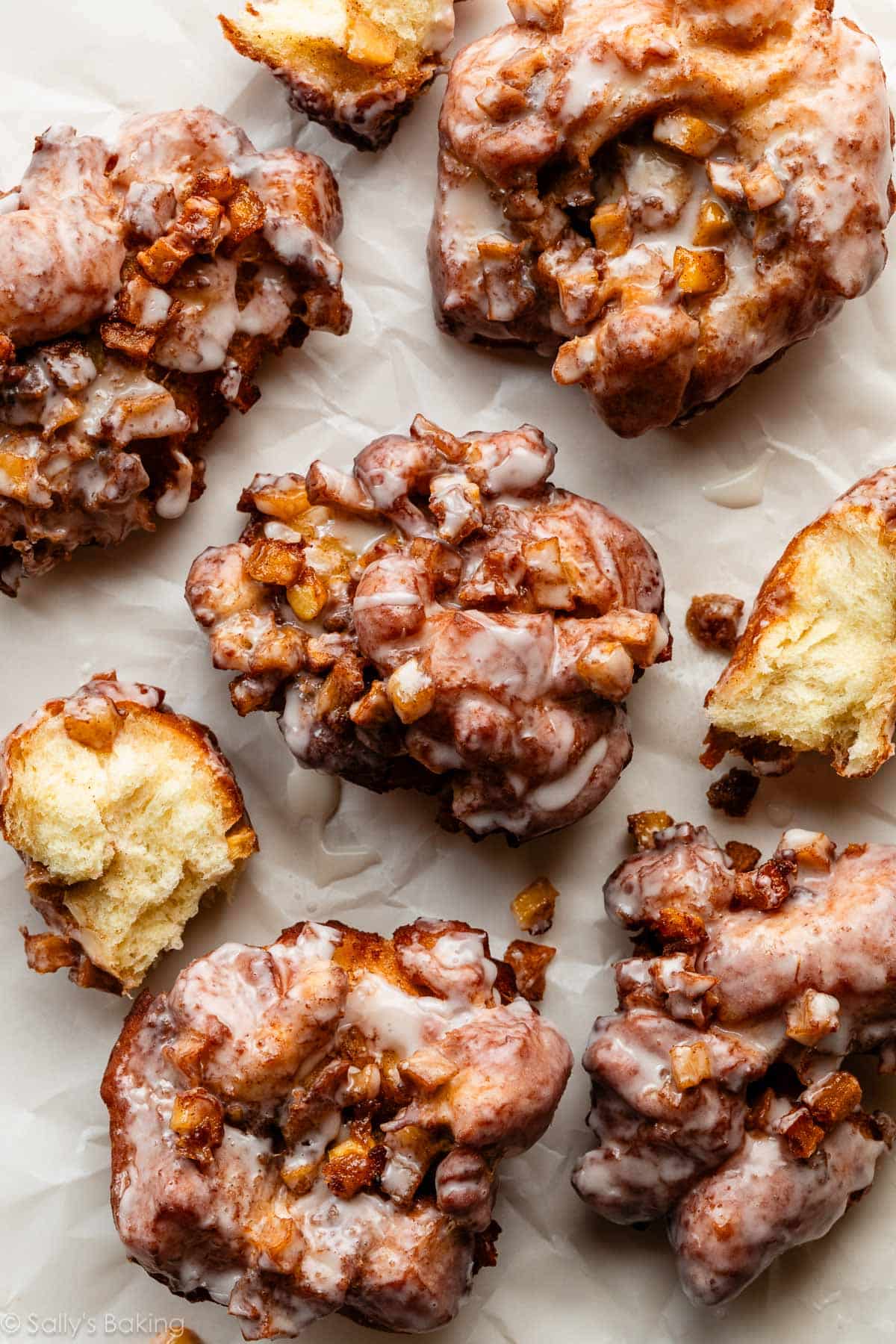
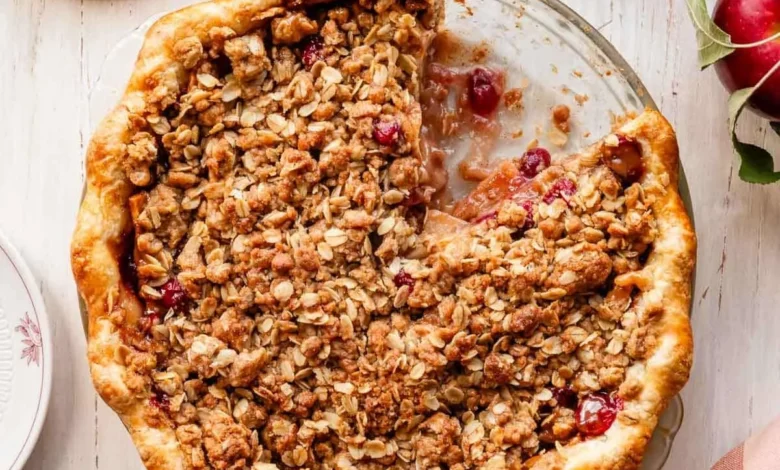
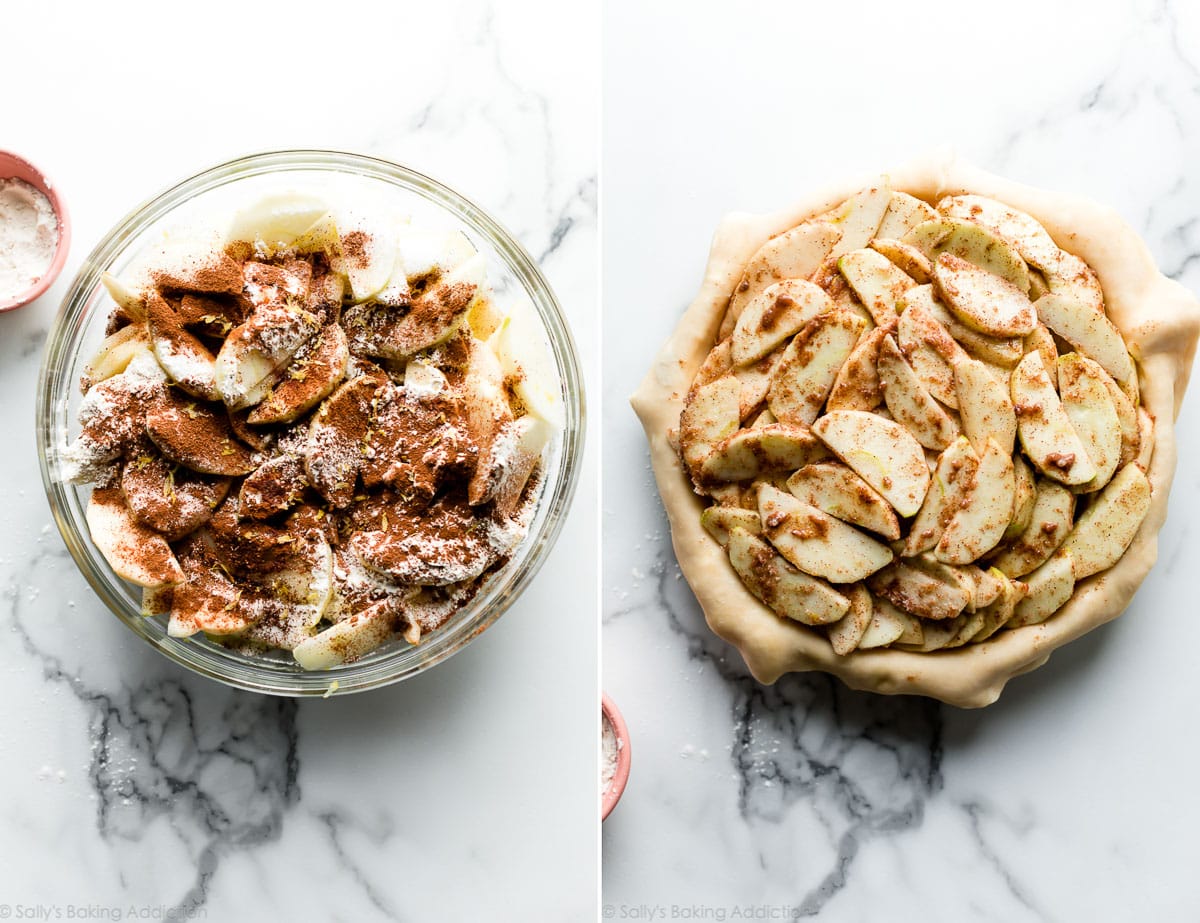
Furthermore, uniform geometry is paramount. Culinary technicians recommend slicing apples to a consistent thickness—ideally one-quarter of an inch—for pies, cobblers, and tarts, ensuring even heat penetration and a harmonious texture in every bite. Conversely, chopping apples into uniform chunks is preferred for crisps and crumbles, allowing the fruit pieces to sit comfortably on a dessert spoon alongside the oat topping.
Broader Culinary Implications and Seasonal Trends
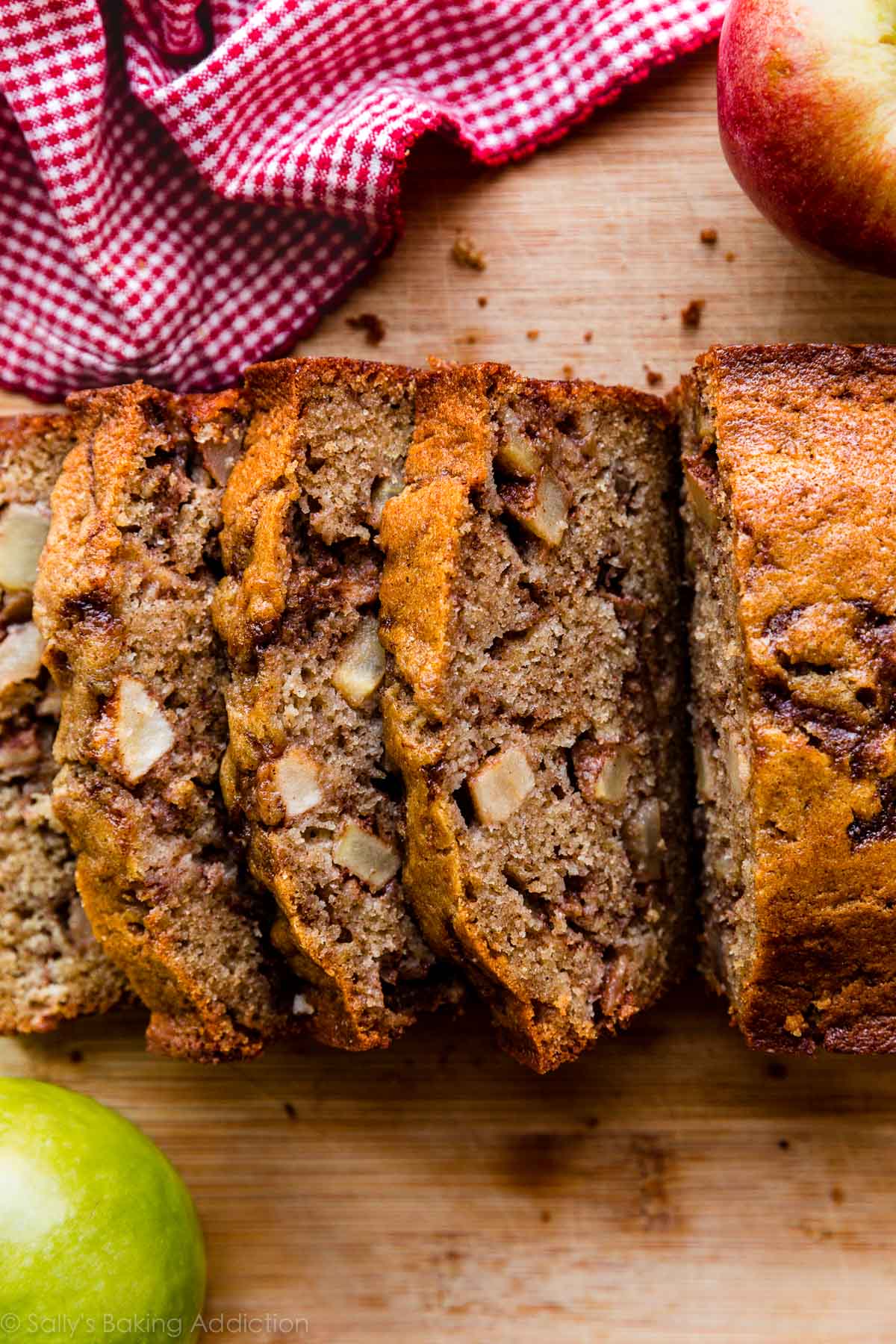
The agricultural and culinary sectors experience a significant economic surge during the autumn harvest season, driven largely by consumer demand for fresh, locally sourced baking apples. Horticultural associations note that regional apple varieties harvested at peak ripeness offer superior sugar concentrations and moisture content compared to cold-storage fruit imported out of season.
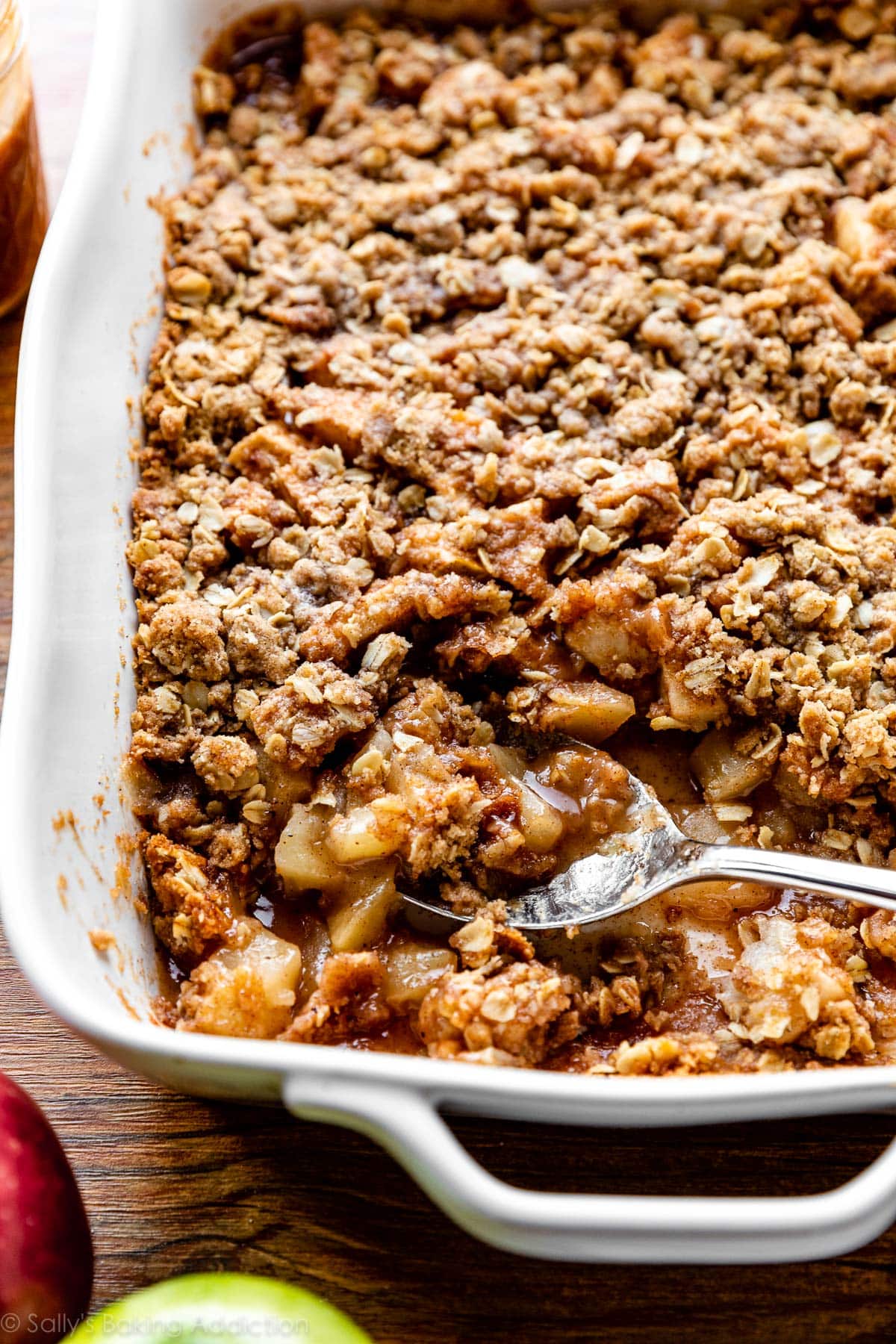
Understanding the science of baking with apples elevates home cooking from a rigid following of instructions to an intuitive culinary science. By carefully balancing tart and sweet profiles, respecting cellular structures during thermal processing, and applying precise preparation techniques, bakers can consistently produce professional-grade desserts that celebrate the natural complexity of the world’s most versatile fruit.