From Kitchen Porter to Executive Chef: Callum Leslie on Forging a Hyper-Local Culinary Identity at The Black Swan at Oldstead

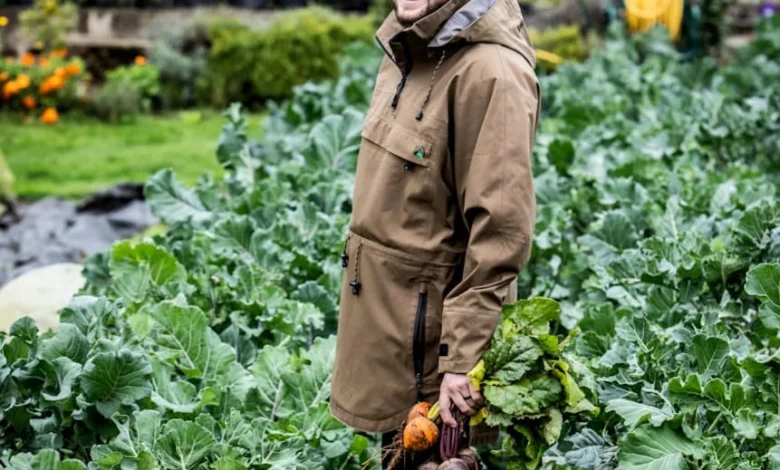
The journey from the lowest rung of a commercial kitchen to the helm of a Michelin-starred establishment is one defined by endurance, technical precision, and an unyielding respect for raw materials. For Callum Leslie, Executive Chef of The Black Swan at Oldstead and its sister establishment, The Abbey Inn, this ascent represents more than a personal career milestone; it is an ongoing masterclass in terroir-driven British gastronomy. From his early days scrubbing pots and pans to working alongside some of the most celebrated culinary minds in the United Kingdom—including stints at Midsummer House and Restaurant Sat Bains—Leslie has cultivated a philosophy anchored in the North Yorkshire landscape.
Today, operating alongside restaurateur Tommy Banks and Head Chef Alice Power, Leslie oversees an operation where the boundaries between agriculture, foraging, and fine dining blur entirely. In an in-depth interview with the culinary publication Chef’s Pencil, Leslie reflects on the foundational lessons of his career, the mechanics of hyper-local menu development, the realities of kitchen sustainability, and the philosophies that guide his leadership across two distinct dining concepts in North Yorkshire.
Formative Years and the Ethos of Respect
Leslie’s entry into the culinary industry did not begin behind a set of polished Japanese steel knives or over a gleaming copper saututoir. Like many chefs who eventually reach the pinnacle of fine dining, his career commenced as a kitchen porter. This humble beginning instilled in him an early appreciation for the relentless physical labor, operational synchronization, and mutual dependency that keep a professional kitchen functioning.
Transitioning from the dish pit to the culinary line, Leslie spent formative years absorbing techniques in some of the UK’s most demanding kitchens. Among these, his time at Midsummer House in Cambridge and Restaurant Sat Bains in Nottingham provided rigorous training grounds where precision was absolute and margins for error were nonexistent.
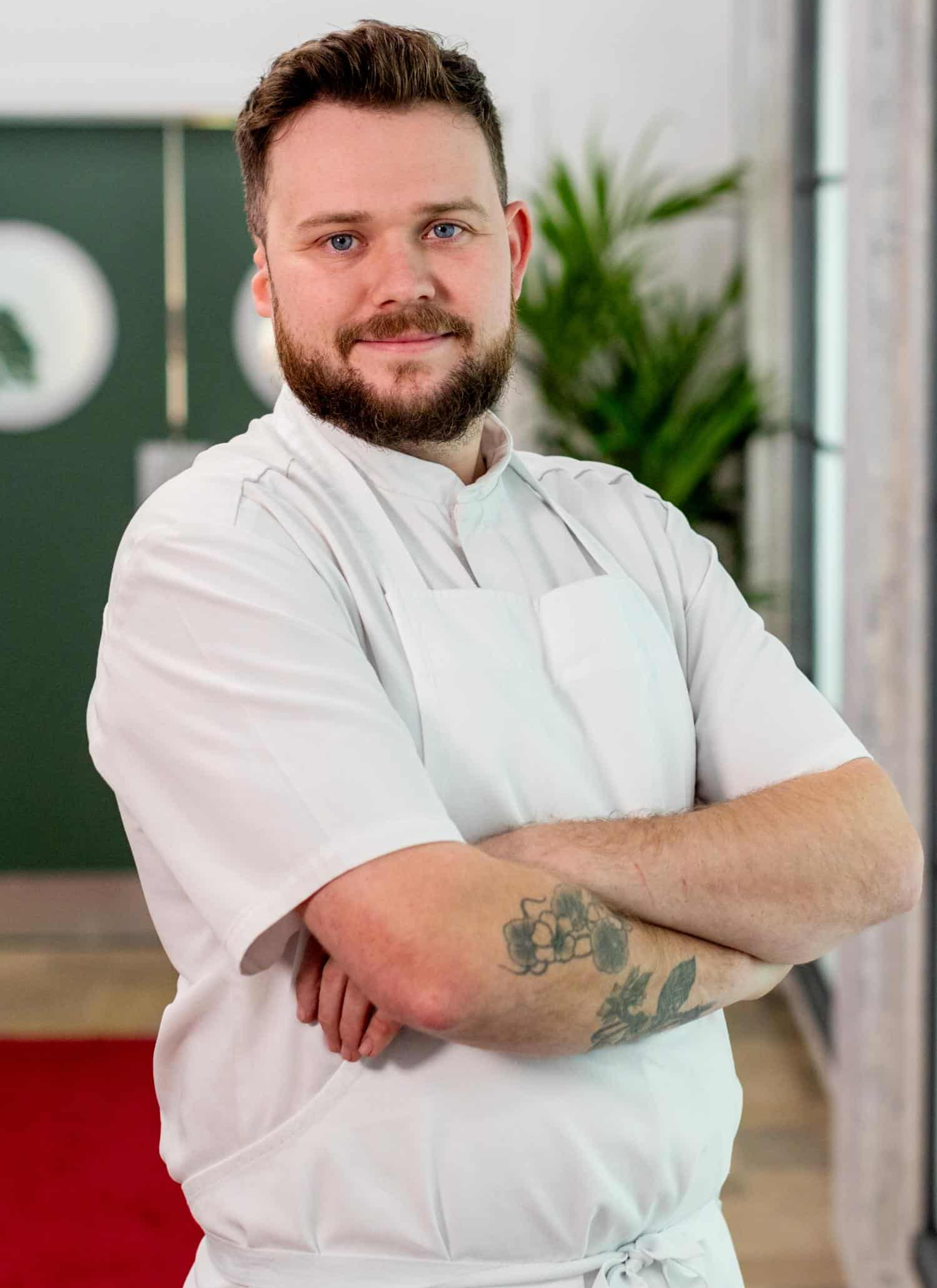
When asked about the most critical lesson carried forward from those grueling early years, Leslie points past mere knife skills or sauce work to something more fundamental: respect for the ingredient. He notes that it is easy for line cooks to view ingredients simply as commodities arriving with the morning delivery trucks. However, behind each piece of produce, protein, or dairy item lies months—and frequently years—of meticulous effort by farmers, growers, and artisans. For Leslie, acknowledging that upstream dedication is a prerequisite for culinary integrity. This philosophy now dictates how he trains incoming line cooks and shapes the kitchen culture at Oldstead.
The Evolution of North Yorkshire Terroir
In 2019, Leslie joined The Black Swan at Oldstead as a Junior Sous Chef, returning to his Yorkshire roots with the ambition of discovering the true parameters and potential of authentic regional cuisine. Over the subsequent five years, his role evolved steadily until he assumed the position of Executive Chef, taking charge of both the flagship Michelin-starred restaurant and the more casual, community-focused Abbey Inn at Byland.
Over this tenure, Oldstead’s distinct operational model deeply transformed Leslie’s culinary identity. Unlike urban restaurants that rely on global supply chains and imported luxury goods, The Black Swan is inextricably tied to its immediate geography. The estate’s farm, extensive gardens, and surrounding woodlands dictate the cadence of the menu.
This hyper-local focus requires an interdisciplinary team that extends far beyond traditional culinary roles. Leslie works in constant collaboration with Head Chef Alice Power, but the kitchen’s creative output is heavily influenced by specialists dedicated to alternative culinary arts. He highlights the critical contributions of Chris Maslin, the estate’s Head of Fermentation, and Richard Jack, Head of Foraging and Preserving. Through their combined expertise, seasonal surpluses are systematically captured, transformed, and stored, allowing the kitchen to bypass global supply disruptions while maintaining an unbroken narrative of the Yorkshire landscape throughout the year.
Innovation Through Limitation: From Foraged Mushrooms to Wild Game
Operating a kitchen governed entirely by seasonality yields unique challenges, particularly when ingredients must be reimagined to survive the harsh winter months. Leslie points to one particular creation that exemplifies this philosophy: an autumn mushroom ice cream.
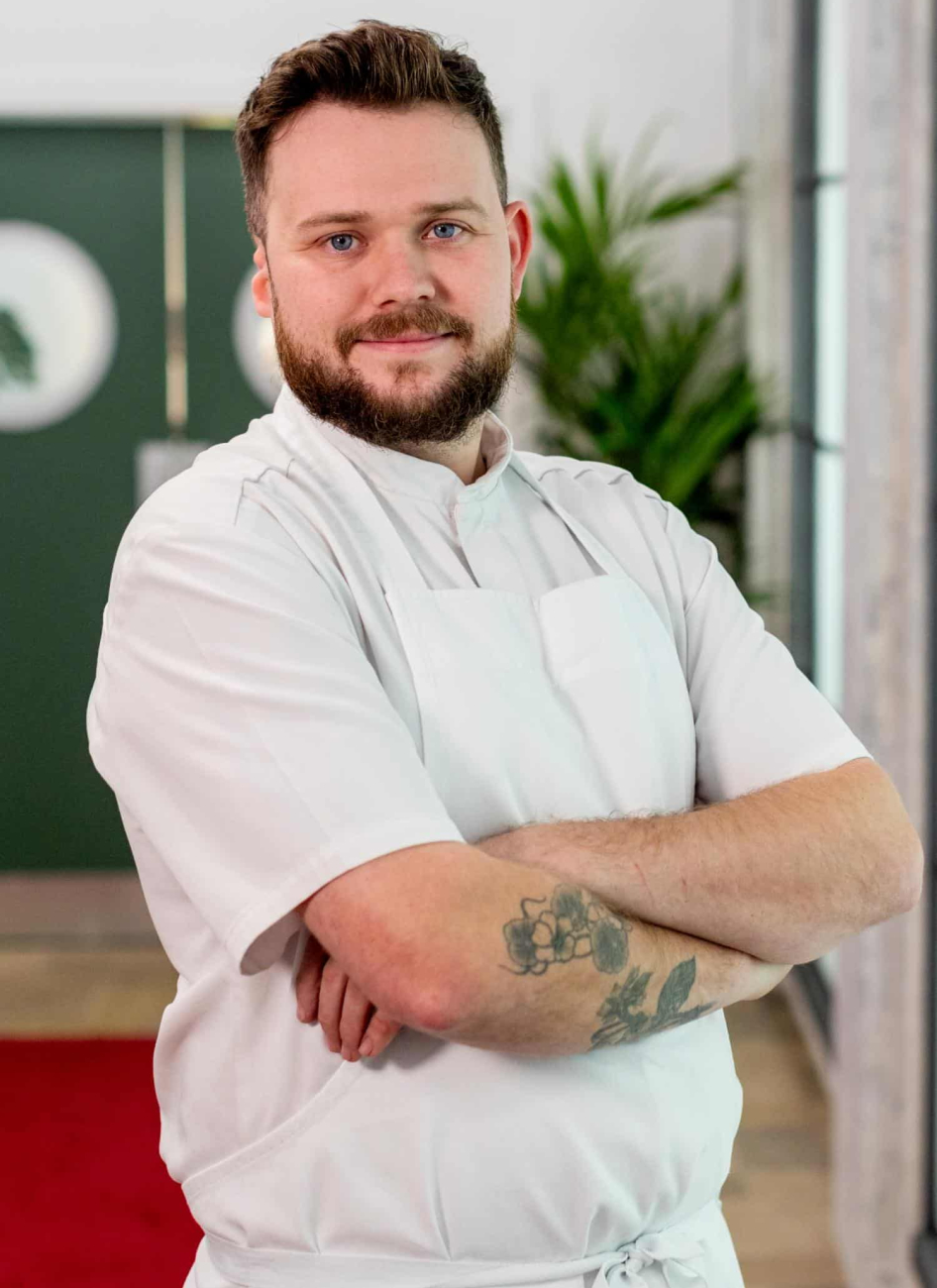
During the height of the mushroom season, the foraging team gathers wild fungi from the woodlands surrounding the property. Rather than attempting to use them exclusively fresh, the kitchen subjects them to a precise drying process. This technique concentrates the mushrooms’ natural umami while drawing out unexpected residual sweetness, creating a complex flavor profile that translates remarkably well into a dessert format. The dish consistently challenges diners’ preconceptions while serving as a tangible example of how traditional preservation methods can unlock novel culinary outcomes.
Similarly, Leslie expresses a profound reverence for game, identifying wild mallard as one of his favorite ingredients to work with. Available only during a strictly regulated shooting season running from September through January, wild duck showcases the depth, richness, and distinct character that characterize wild British game. The limitation of its availability underscores the core ethos of Oldstead: working within nature’s boundaries rather than attempting to conquer them.
Balancing Two Distinct Dining Concepts
As Executive Chef, Leslie manages a dual leadership role that requires balancing two fundamentally different dining experiences under the same overarching brand values. The Black Swan operates as an intimate, highly controlled fine-dining destination offering a fixed tasting menu. This environment allows the culinary team to pursue extreme precision, avant-garde techniques, and deep immersion into storytelling through food.
Conversely, The Abbey Inn represents a deliberate pivot toward traditional British hospitality. Situated in a classic gastro-pub setting, the menu focuses on accessibility, generosity, and familiar flavors without compromising on ingredient quality. Having grown up around traditional British pubs, Leslie approaches the Abbey Inn with a deep appreciation for the comfort and social warmth associated with pub culture. Maintaining excellence across both environments requires meticulous organizational frameworks and the ability to shift operational mindsets seamlessly.
Sustainability as Day-to-Day Practice
In contemporary fine dining, sustainability is frequently utilized as a marketing buzzword, but at Oldstead, it functions as an operational necessity. Leslie emphasizes that true sustainability in a professional kitchen extends far beyond merely sourcing ingredients locally. On a day-to-day basis, it demands the complete utilization of every raw material that enters the building.
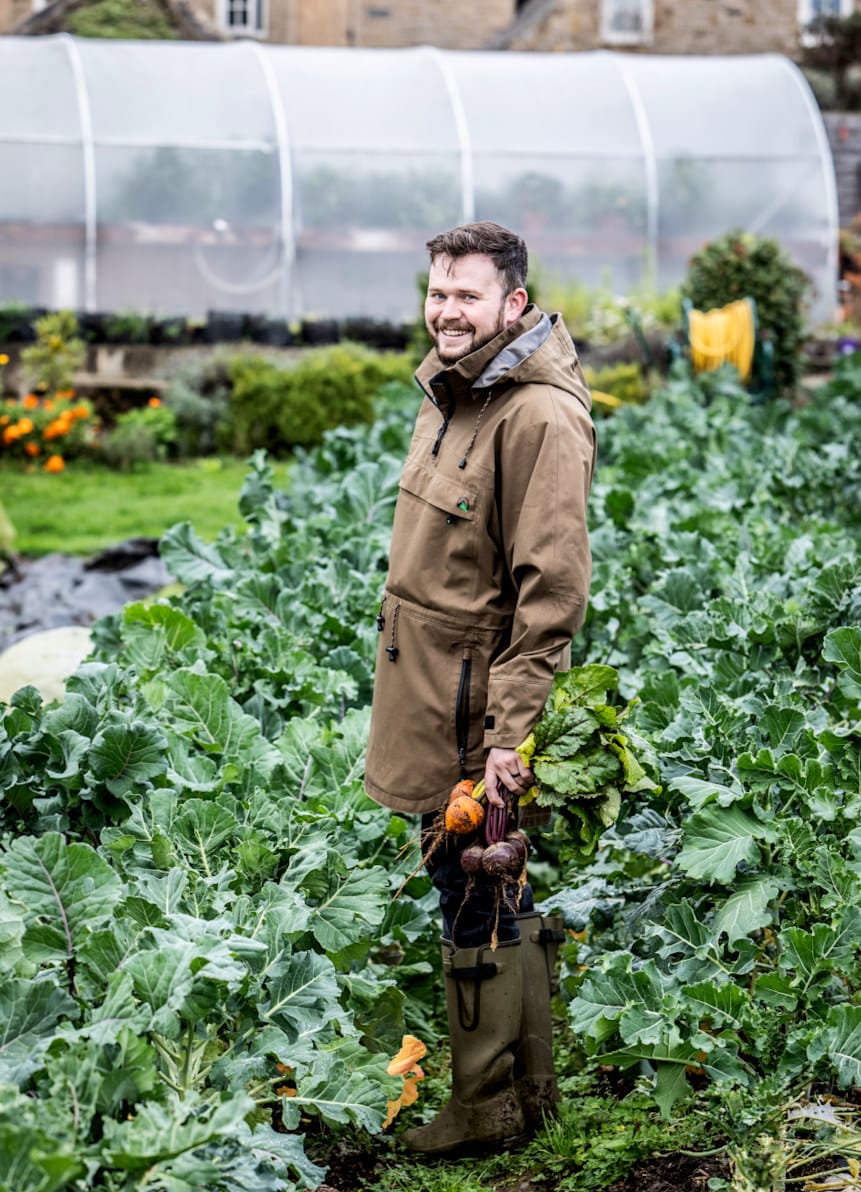
The kitchen relies heavily on heritage preservation techniques—including fermentation, pickling, air-drying, and deep-freeze preservation—to extend the life cycle of seasonal harvests. By capturing ingredients at their peak and storing them through various scientific transformations, the restaurant drastically minimizes food waste while securing a pantry of complex, aged flavors for future menus.
Mentorship, Leadership, and the Legacy of Tommy Banks
Working closely with restaurateur and chef Tommy Banks has provided Leslie with enduring lessons in professional leadership. When asked about the most important takeaway from Banks, Leslie points not to a specific recipe or technical skill, but to emotional regulation under pressure. In high-stakes environments like a Michelin-starred service, maintaining composure is critical. Banks’s ability to lead calmly through crises has set a benchmark that Leslie actively replicates in his own management style.
This commitment to leadership extends directly to the kitchen brigade through Oldstead’s ongoing apprenticeship program, which has run for over five years. When evaluating young culinary talent entering the program, Leslie places primary emphasis on attitude rather than raw technical ability. While knife skills, temperature controls, and plating precision can be taught over time, traits such as genuine curiosity, work ethic, and intrinsic pride in one’s output cannot.
Bridging the Gap Between Professional and Home Kitchens
While the intricate, multi-course tasting menus served at The Black Swan can feel worlds away from the reality of domestic cooking, Leslie believes home cooks can easily adopt professional habits to elevate their output. The single most impactful adjustment a home cook can make, according to the chef, is proactive planning and detailed preparation.
In professional kitchens, service relies entirely on comprehensive prep lists that sequence tasks, establish timelines, and ensure ingredients are primed before service commences. By applying this same level of forethought—organizing recipes, drafting ingredient lists, and completing prep work ahead of time—home cooks can eliminate the chaotic scramble of meal assembly, resulting in a more enjoyable and successful culinary experience.
Looking Ahead
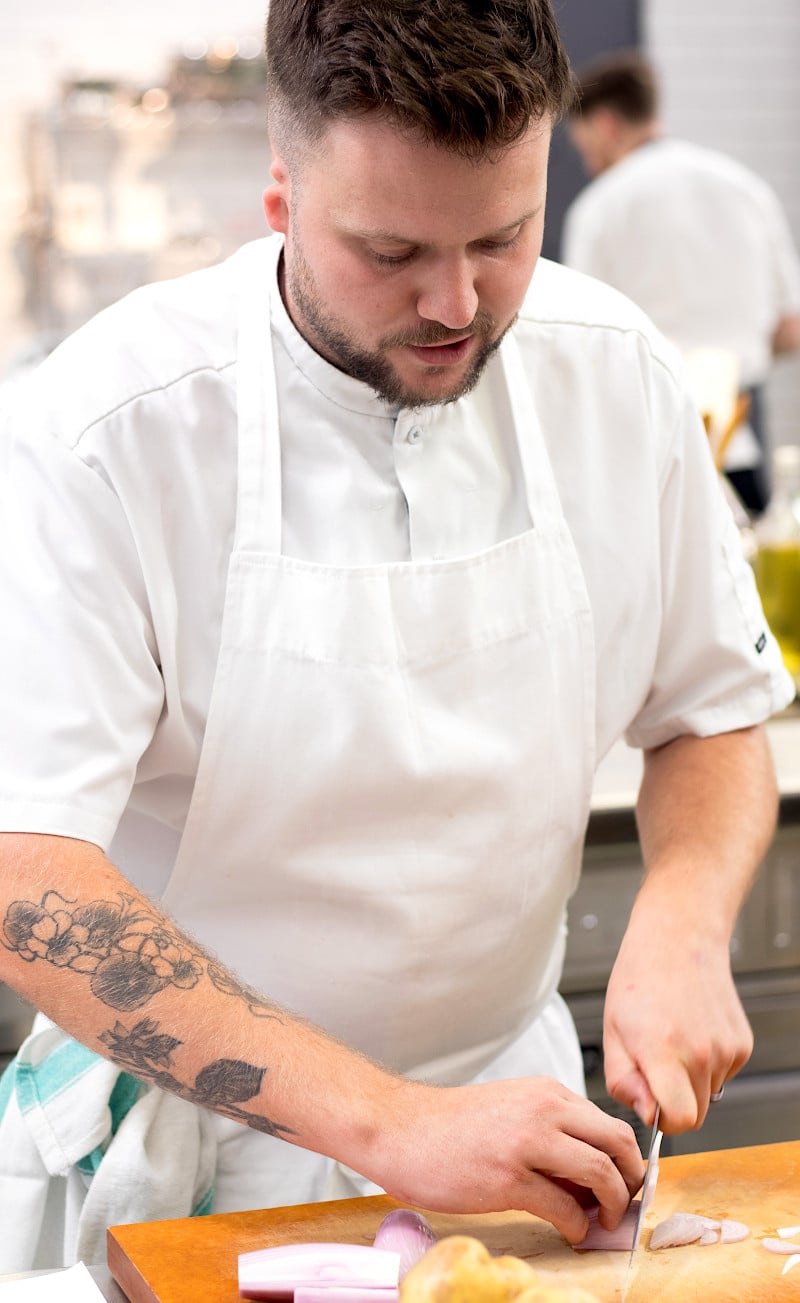
As Callum Leslie looks to the future, the operation at Oldstead continues to evolve. While specific upcoming projects remain under wraps, the momentum generated by recent television appearances—such as his inventive "Priestley’s Carbon Cycle" dish on the BBC’s Great British Menu, which successfully married scientific narrative with edible art—signals an ongoing commitment to pushing the boundaries of what regional British cuisine can achieve.
For Leslie and the team at The Black Swan, the focus remains fixed on the land outside their doors: listening to the seasons, respecting the labor of their suppliers, and translating the authentic taste of North Yorkshire onto the plate.
Related posts: