Culinary Exploration: Elevating the Humble Blood Cockle Through Traditional Indonesian Padang Sauce Integration

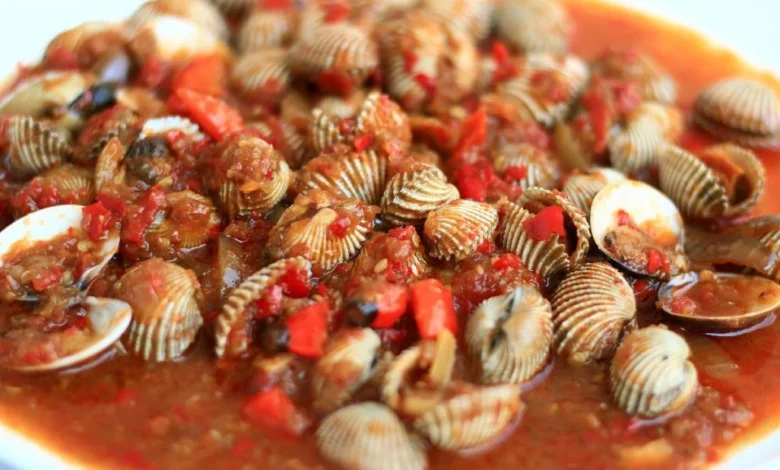
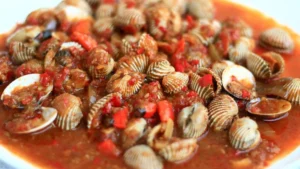
The landscape of Indonesian street food has long celebrated the diverse bounties of the archipelago’s vast marine ecosystems, with seafood stalls, commonly known as warung seafood tenda, serving as vibrant cultural hubs for culinary enthusiasts. Among the myriad of marine offerings available, the blood cockle—scientifically classified as Tegillarca granosa and locally referred to as kerang dara—occupies a position of enduring popularity. Traditionally consumed simply boiled and paired with a rudimentary chili dipping sauce, this mollusk has recently undergone a gastronomic evolution. Home cooks and culinary professionals alike are increasingly turning to the robust, complex flavor profile of Padang sauce—a rich, spicy, sweet, and savory condiment native to West Sumatra—to elevate the humble blood cockle into a restaurant-quality centerpiece. This culinary trend reflects a broader national movement toward experimenting with regional flavor profiles in everyday home cooking, transforming accessible ingredients into sophisticated dining experiences.
The historical trajectory of seafood consumption within Indonesian urban centers highlights a fascinating socio-economic evolution. Street-side seafood vendors, which proliferated across major metropolitan areas such as Jakarta, Surabaya, and Bandung during the late 20th century, initially catered to laborers and middle-class urbanites seeking affordable, high-protein meals. Over the decades, these modest tents evolved into egalitarian dining spaces where individuals from all walks of life converge. Blood cockles, prized for their iron-rich meat and distinct briny flavor, became a staple of these menus. Historically, vendors relied on minimal preparation methods—primarily boiling the shellfish in water spiked with ginger, lemongrass, and salt to neutralize any muddy undertones—before serving them with a sharp, vinegar-laden chili paste. While this classic preparation remains beloved for its nostalgic value, modern dietary preferences and a growing appreciation for complex, multi-layered spice pastes have paved the way for innovations such as the integration of Padang sauce, a culinary adaptation that bridges traditional Minangkabau spice blending with coastal Chinese-Indonesian stir-fry techniques.
To understand the culinary mechanics of preparing blood cockles in Padang sauce, one must examine the specific nutritional profile and preparation prerequisites of the primary ingredient. Blood cockles are an exceptional source of high-quality protein, vitamin B12, iron, and essential omega-3 fatty acids. However, due to their filter-feeding nature in estuarine mudflats, meticulous cleaning is paramount to ensure food safety and optimal texture. Culinary experts emphasize that blood cockles must be thoroughly scrubbed under running water and soaked in salted water for a minimum of thirty minutes to purge residual sand and grit. Blanching the cockles briefly before tumbling them into the wok prevents overcooking, which can render the delicate meat rubbery and unpalatable. When properly executed, the internal flesh retains a tender, succulent consistency that acts as a sponge, perfectly absorbing the viscous, aromatic Padang sauce.
The integration of Padang sauce into seafood preparation represents a fascinating synthesis of Indonesia’s culinary heritage. While authentic Minangkabau cuisine from West Sumatra is globally renowned for its dry, coconut milk-based rendang and richly spiced gulai, the adaptation known commercially as saus Padang is largely a creation of urban Chinese-Indonesian seafood entrepreneurs who adapted Minangkabau chili elements to suit local stir-fry methodologies. This hybrid sauce typically features a heavy base of finely ground red bird’s eye chilies and curly red chilies, sautéed alongside aromatic garlic, shallots, and bruised ginger. Crucially, the inclusion of sweet soy sauce (kecap manis), tomato paste, and fermented chili bean paste (tauco or chili paste equivalents) tempers the fiery heat of the chilies with umami depth and a subtle sweetness. The sauce is often bound with a beaten egg stirred in at the final moment of cooking, creating a velvety, clinging texture that coats each individual shell.
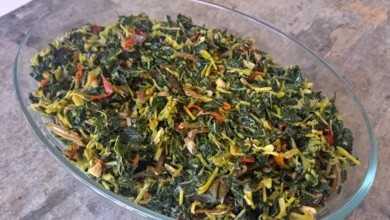
From a nutritional and dietary perspective, pairing blood cockles in Padang sauce with staple carbohydrates and fibrous side dishes creates a nutritionally balanced meal. Culinary purists and nutritionists alike recommend serving this dish alongside a steaming portion of jasmine white rice, which serves to counterbalance the intense, sodium-rich heat of the sauce. Furthermore, incorporating traditional Indonesian vegetable side dishes, such as cah kangkung (stir-fried water spinach with garlic and chili) or blanched bean sprouts (tauge), introduces essential dietary fiber, vitamins A and C, and textural contrast. This holistic approach to meal construction aligns with traditional Indonesian dietary patterns, which prioritize a harmonious balance of flavors, textures, and food groups on a single plate.
Culinary Analysis of the Padang Sauce Preparation Method
Analyzing the operational parameters of preparing blood cockles in Padang sauce reveals a remarkably efficient yet technique-sensitive process. According to standardized culinary formulations adapted for home kitchens, the preparation typically requires a dedicated time investment of approximately 45 minutes from raw ingredient assembly to final plating, categorized under a medium difficulty level. Yielding four standard portions, this recipe serves as an ideal centerpiece for family-style dining. The process requires careful coordination between the preliminary cleaning of the shellfish, the precise reduction of the spice paste, and the final high-heat amalgamation that ensures the cockles open and absorb the aromatic flavors without losing their structural integrity or nutritional value.
The chronological execution of the recipe begins with the rigorous cleansing phase, wherein four servings of fresh blood cockles are scrubbed and soaked to eliminate impurities, followed by a brief blanching process. Concurrently, the aromatic base of the Padang sauce is prepared by processing shallots, garlic, red chilies, and ginger into a smooth paste. In a separate vessel, complementary ingredients such as sliced tomatoes, scallions, kaffir lime leaves, and lemongrass are laid out to introduce complex top notes to the sauce. The cooking sequence dictates that the spice paste must be sautéed in neutral cooking oil over medium heat until the raw pungent aroma dissipates and the natural oils separate from the paste—a critical chemical transformation known locally as matang (fully cooked).
Once the spice base achieves the desired maturity, liquids such as chicken broth, chili sauce, and sweet soy sauce are integrated and brought to a gentle simmer. Seasonings including salt, sugar, and white pepper are adjusted to achieve the signature sweet, spicy, and savory equilibrium characteristic of urban Padang-style seafood. The blanched blood cockles are then introduced to the bubbling wok, tossed vigorously to ensure uniform coverage, and cooked for a brief duration—typically no more than three to five minutes. To achieve the glossy, clinging consistency that defines professional seafood preparations, a slurry of cornstarch or a beaten egg is whisked into the mixture just before shutting off the heat. The dish is finalized with a garnish of chopped scallions and fresh cilantro, then transferred immediately to a serving platter to be paired with white rice and accompanying vegetables.
Socio-Economic Implications and the Modern Street Food Economy
The enduring popularity of dishes like blood cockles in Padang sauce underscores the dynamic nature of Indonesia’s street food economy and its capacity for continuous reinvention. In the wake of shifting consumer habits, street vendors and small-to-medium culinary enterprises (UMKM) have increasingly relied on innovative menu items to attract younger, adventurous demographics who document their dining experiences across digital platforms. This digital word-of-mouth has transformed traditional seafood stalls from utilitarian eateries into cultural destinations. Economically, the accessibility of ingredients like blood cockles allows vendors to maintain competitive pricing while offering high perceived value through elaborate, flavor-dense preparations like Padang sauce.
Furthermore, the proliferation of such recipes within digital spaces has democratized culinary knowledge, empowering home cooks to replicate restaurant-quality dishes within their own kitchens. Food industry analysts note that the trend toward recreating street food favorites at home saw significant acceleration during periods of urban mobility restrictions, fostering a lasting cultural appreciation for hands-on, scratch-cooking methodologies. As culinary boundaries continue to blur between formal dining establishments and informal street-side vendors, traditional ingredients such as the blood cockle demonstrate remarkable resilience, proving that time-honored proteins can successfully adapt to contemporary palates through creative culinary engineering.