The seasonal transition from late summer to crisp autumn evenings brings a predictable shift in culinary preferences toward spiced, comforting, and oven-baked desserts. Among the myriad seasonal offerings, the traditional apple crisp remains a cornerstone of autumn home baking, celebrated for its juxtaposition of warm, spiced fruit and a crunchy, buttery oat topping. Culinary traditions surrounding apple-based desserts have deep roots in Western baking culture, particularly in North America and the United Kingdom, where baked fruit dishes served with cream or ice cream have represented standard seasonal fare for generations.
The enduring appeal of the classic apple crisp lies in its simplicity and adaptability. Unlike complex pastry crusts that require precise temperature control and technique, crisps and crumbles offer a forgiving, rustic alternative that prioritizes comforting textures and rich flavors. Over the past decade, home cooking platforms, digital recipe repositories, and personal food journals have documented a steady resurgence in the popularity of traditional, scratch-made comfort foods. Within this broader culinary landscape, specific recipes passed down through digital notes applications and personal blogs frequently achieve iconic status among home cooks seeking reliable, high-yield autumn desserts.
Historical Evolution of the Apple Crisp and Fall Baking Traditions
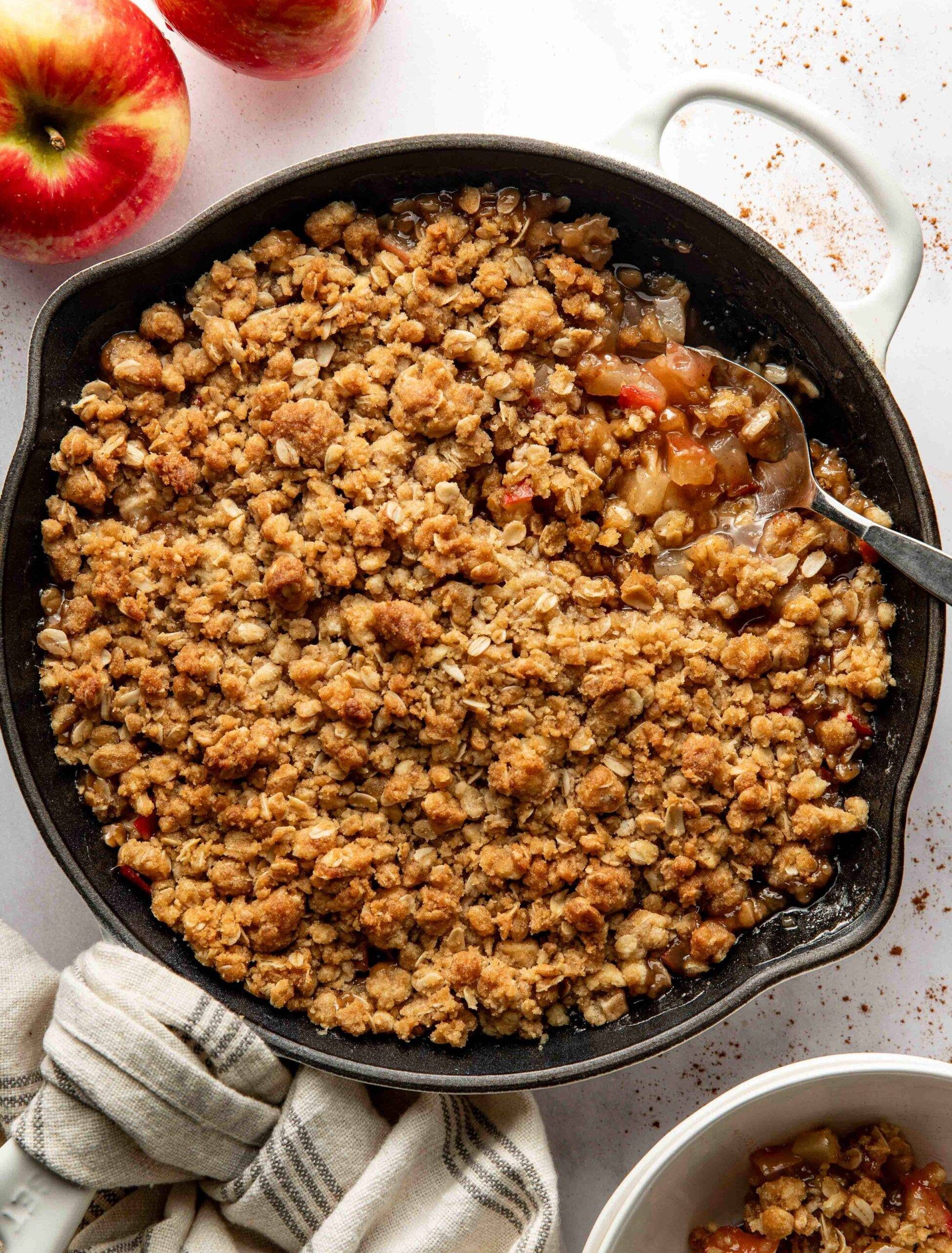
The genealogy of the modern apple crisp can be traced back to wartime rationing in the United Kingdom during the First and Second World Wars. When traditional pastry ingredients such as flour, shortening, and butter were severely restricted, resourceful home cooks devised fruit-based puddings topped with economical mixtures of oats, flour, and small amounts of fat or sugar. These early iterations served as practical substitutes for traditional apple pies, requiring significantly less labor and scarce baking supplies.
Following World War II, the recipe migrated across the Atlantic, where it was rapidly embraced by American home cooks. The availability of commercial rolled oats, mass-produced granulated and brown sugars, and standard cast-iron cookware facilitated the widespread adoption of the dessert. By the mid-20th century, apple crisp had secured a permanent place in community cookbooks, school cafeterias, and household recipe boxes across the United States.
Nutritional and Agricultural Context of Autumn Apples
The selection of the appropriate apple variety is widely considered by culinary professionals to be the single most critical factor in achieving an optimal apple crisp. Varieties such as Honeycrisp, Granny Smith, Braeburn, and Jonathan are frequently cited in culinary literature for their ability to maintain structural integrity under prolonged heat while releasing sufficient natural sugars and moisture to create a rich, jammy consistency.

According to agricultural data from the United States Department of Agriculture (USDA), commercial apple production in the United States routinely exceeds 10 billion pounds annually, with autumn harvest peaks occurring between August and October. Honeycrisp, developed by the University of Minnesota and introduced commercially in the late 20th century, has emerged as a dominant consumer favorite. Its cellular structure features larger cell sizes than older varieties, which rupture less during chewing and baking, resulting in a distinct crispness that transitions smoothly into a tender, jam-textured bite when subjected to thermal processing.
The incorporation of rolled oats into the topping introduces notable nutritional components, including soluble dietary fiber in the form of beta-glucan. While traditional fall desserts are predominantly evaluated on sensory qualities such as taste, aroma, and mouthfeel, the integration of whole grains and fresh fruit aligns with contemporary consumer preferences for traditional foods prepared with recognizable, whole-food ingredients.
Anatomy of a Traditional Apple Crisp Preparation
Culinary analysts and home baking authorities generally categorize the construction of a standard apple crisp into two distinct phases: the preparation of the fruit base and the assembly of the streusel-style crumb topping.
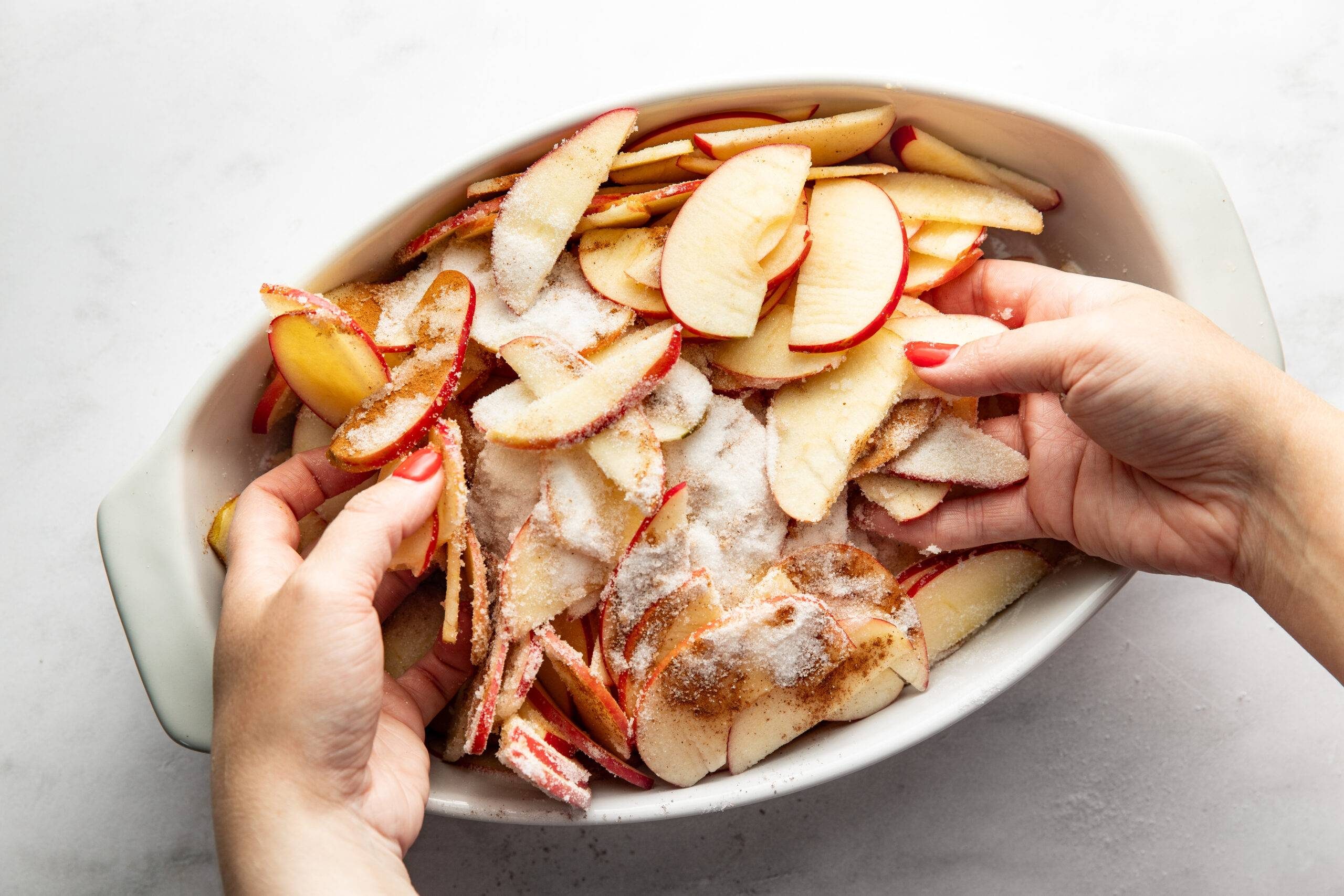
The fruit base typically involves peeling, coring, and slicing apples, though modern culinary trends increasingly support omitting the peeling process to preserve dietary fiber and reduce preparation time. The sliced fruit is subsequently tossed with granulated sugar to draw out excess moisture, all-purpose flour or cornstarch to thicken the resulting juices, and ground cinnamon or mixed spices to impart warm aromatic notes.
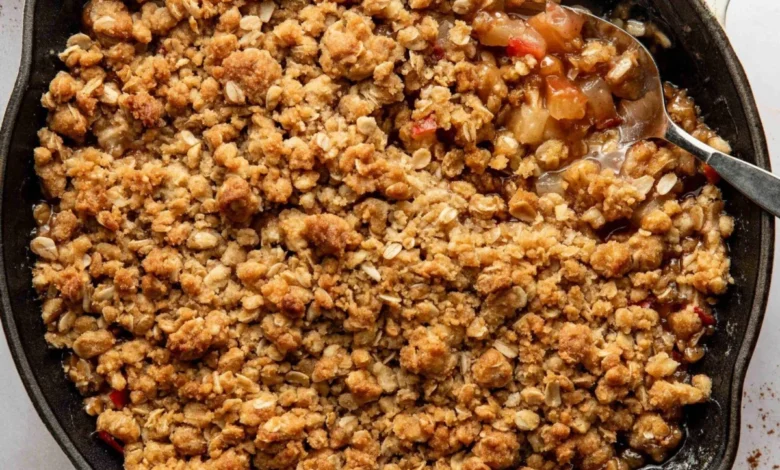
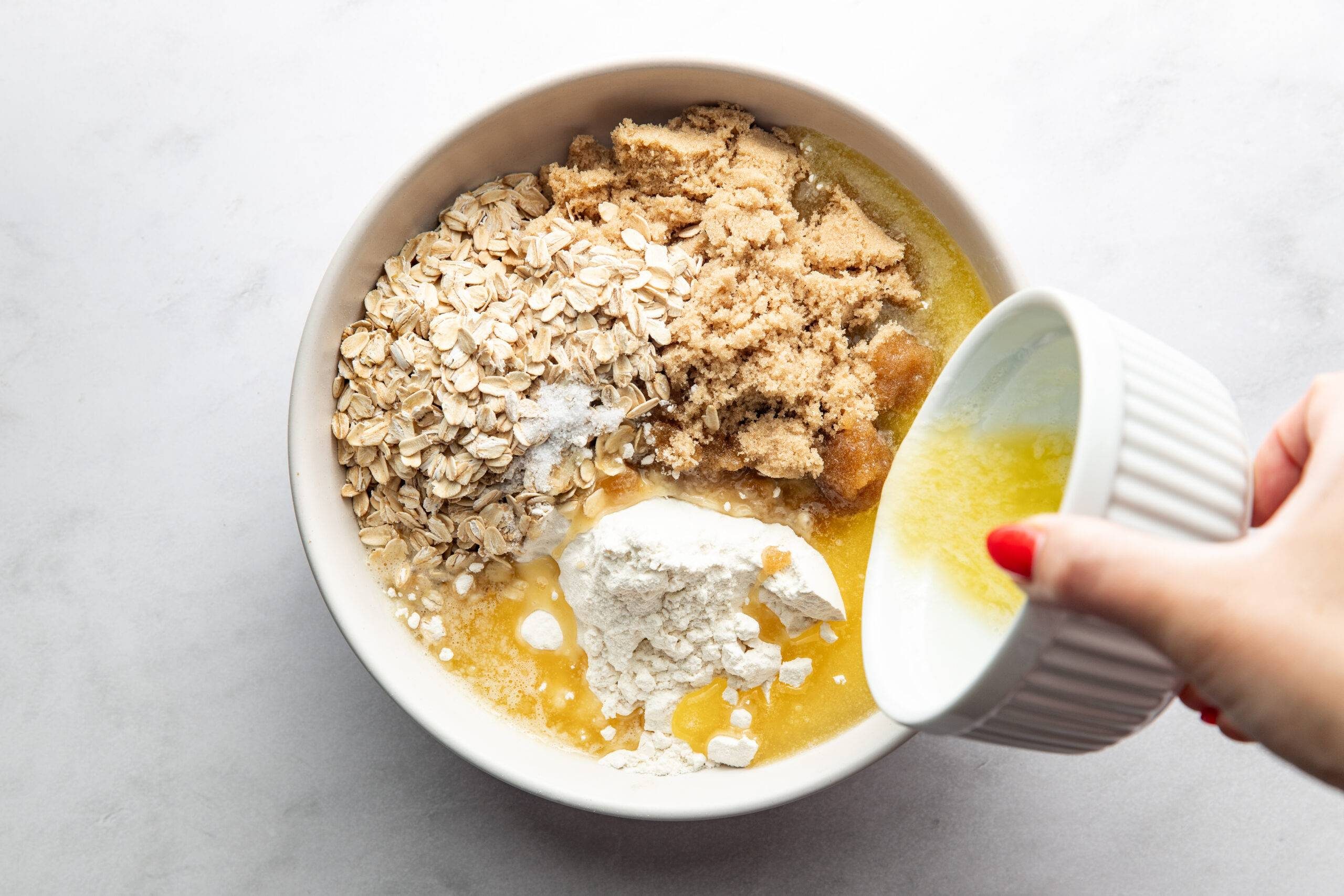
The topping requires a precise ratio of dry ingredients—primarily rolled oats, all-purpose flour, brown sugar, and a pinch of salt—combined with melted or cold butter to bind the mixture into irregular clusters. When baked in a preheated oven, typically ranging from 350°F to 375°F (175°C to 190°C) for approximately 40 to 45 minutes, the butter melts into the oat and sugar matrix, caramelizing the edges while the underlying fruit softens into a syrup-dense compote. The use of traditional cast-iron skillets in this process has seen a notable revival, valued by culinary enthusiasts for its superior heat retention and distribution, which promotes an even crust and caramelized perimeter.
Socio-Cultural Implications of Comfort Food Trends
The resurgence of interest in rustic autumn desserts reflects broader sociological phenomena associated with seasonal eating and psychological comfort. Psychologists and food historians note that during periods of seasonal transition or broader social uncertainty, individuals frequently gravitate toward familiar, tactile foods that evoke nostalgia and a sense of domestic stability.

The sensory profile of baked apples and cinnamon—characterized by volatile organic compounds such as cinnamaldehyde—has been heavily studied in consumer psychology. Aromas associated with baking goods are frequently utilized in residential real estate and retail environments to induce feelings of warmth, safety, and hospitality. Consequently, the preparation of traditional desserts functions not merely as a mechanical culinary task, but as a deliberate ritual designed to enhance the domestic atmosphere during the colder months of the year.
Furthermore, the rise of digital food culture has transformed how seasonal recipes are shared, archived, and modified. Personal recipe annotations stored in mobile applications, photographs documenting sequential preparation steps, and online culinary communities allow home cooks to standardize and replicate traditional dishes across geographic boundaries. This digitization of culinary heritage ensures that regional adaptations of classic desserts remain accessible to a global audience of baking enthusiasts.
Economic and Market Impact of Seasonal Baking
The autumn baking season represents a critical economic period for agricultural producers, grocery retailers, and kitchenware manufacturers. Data from retail market research firms consistently indicates a substantial seasonal spike in the retail sales of baking supplies—including flour, sugar, spices, oats, and butter—beginning in September and peaking in November around the Thanksgiving holiday.
Simultaneously, agricultural marketing boards report heightened consumer demand for regionally sourced orchard fruit during the autumn months. Direct-to-consumer apple orchards, agritourism destinations, and farmers’ markets experience peak visitor traffic as consumers seek out freshly harvested fruit specifically intended for baking applications. This seasonal consumer behavior provides essential revenue streams for independent agricultural operations and reinforces local food economies.
Kitchenware manufacturers likewise capitalize on this seasonal trend, experiencing increased demand for essential baking implements such as cast-iron skillets, mandoline slicers, mixing bowls, and ceramic baking dishes. The aesthetic appeal of rustic, oven-to-table cookware has been amplified by digital media platforms, where visual documentation of the baking process influences consumer purchasing decisions and encourages the preservation of traditional cooking methods.
Future Outlook for Classic Home Baking
As culinary trends continue to evolve in response to technological advancements and changing consumer lifestyles, the foundational principles of traditional baking remain remarkably resilient. While modern dietary restrictions and innovations in alternative ingredients have expanded the scope of home baking to accommodate gluten-free, vegan, and lower-sugar preferences, the core appeal of straightforward, comforting desserts like the apple crisp persists.
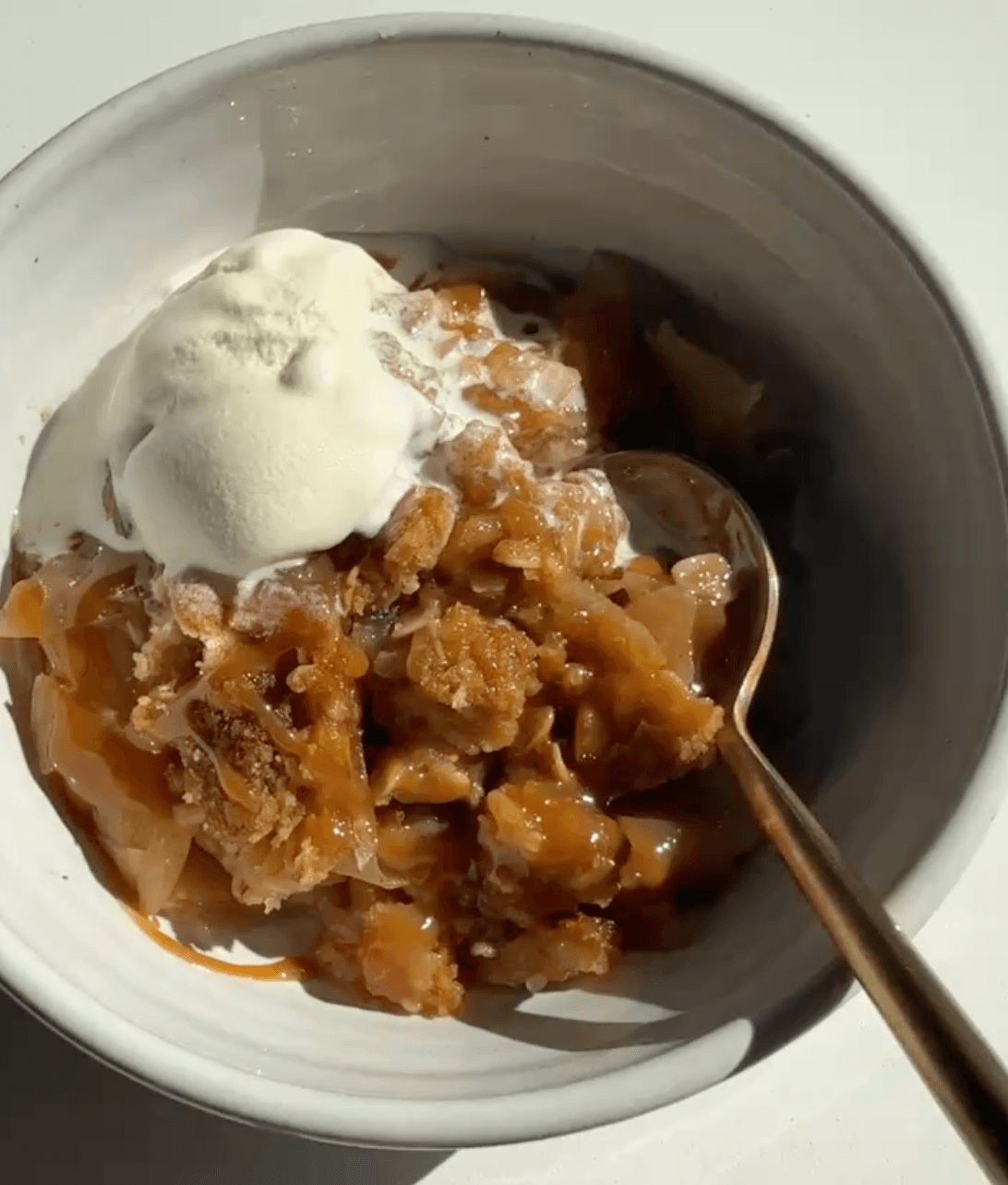
The enduring popularity of recipes that emphasize ease of preparation, minimal specialized equipment, and accessible ingredients suggests that the future of home baking will continue to balance modern convenience with timeless culinary traditions. Whether prepared in a contemporary kitchen or a vintage cast-iron skillet, the classic apple crisp stands as a durable testament to the cultural and sensory significance of seasonal home cooking.