Mastering Hainanese Chicken Rice: A Comprehensive Culinary Evolution and Modern Recipe Guide

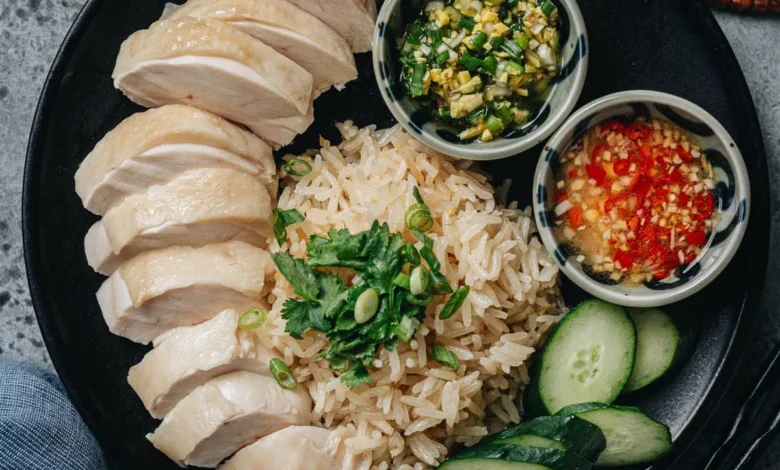
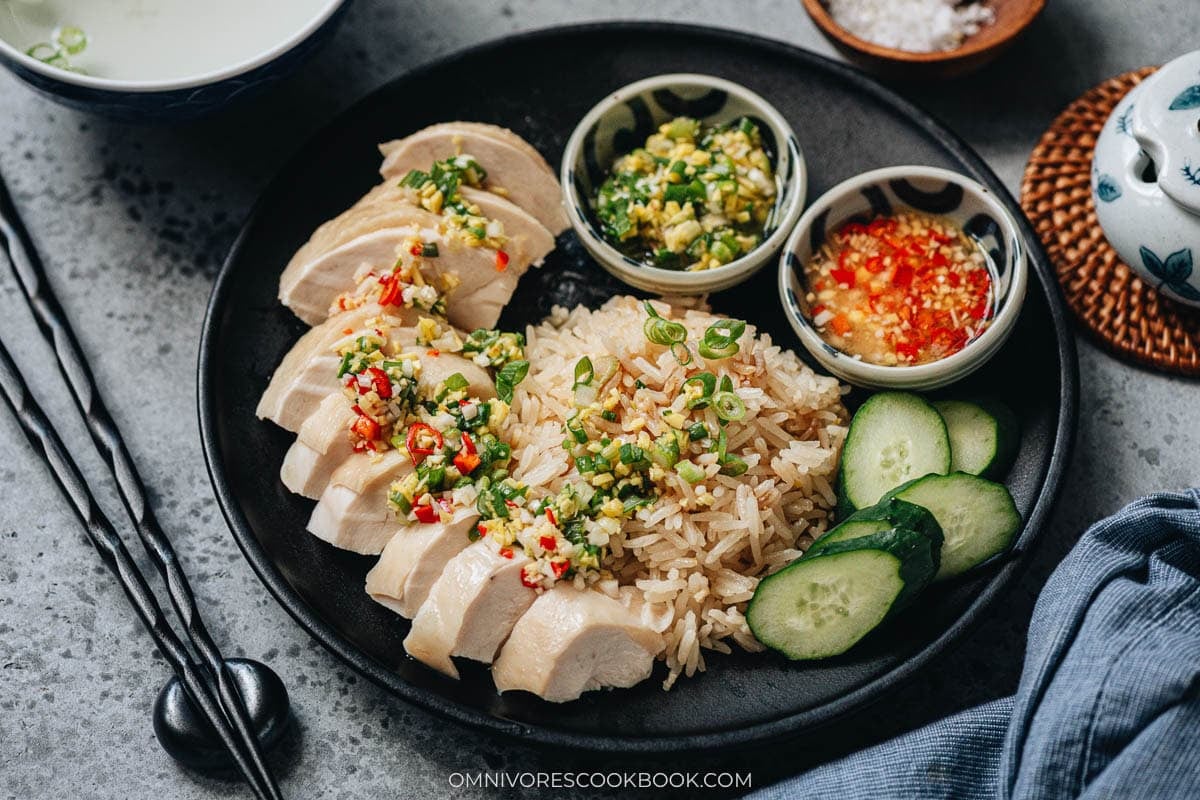
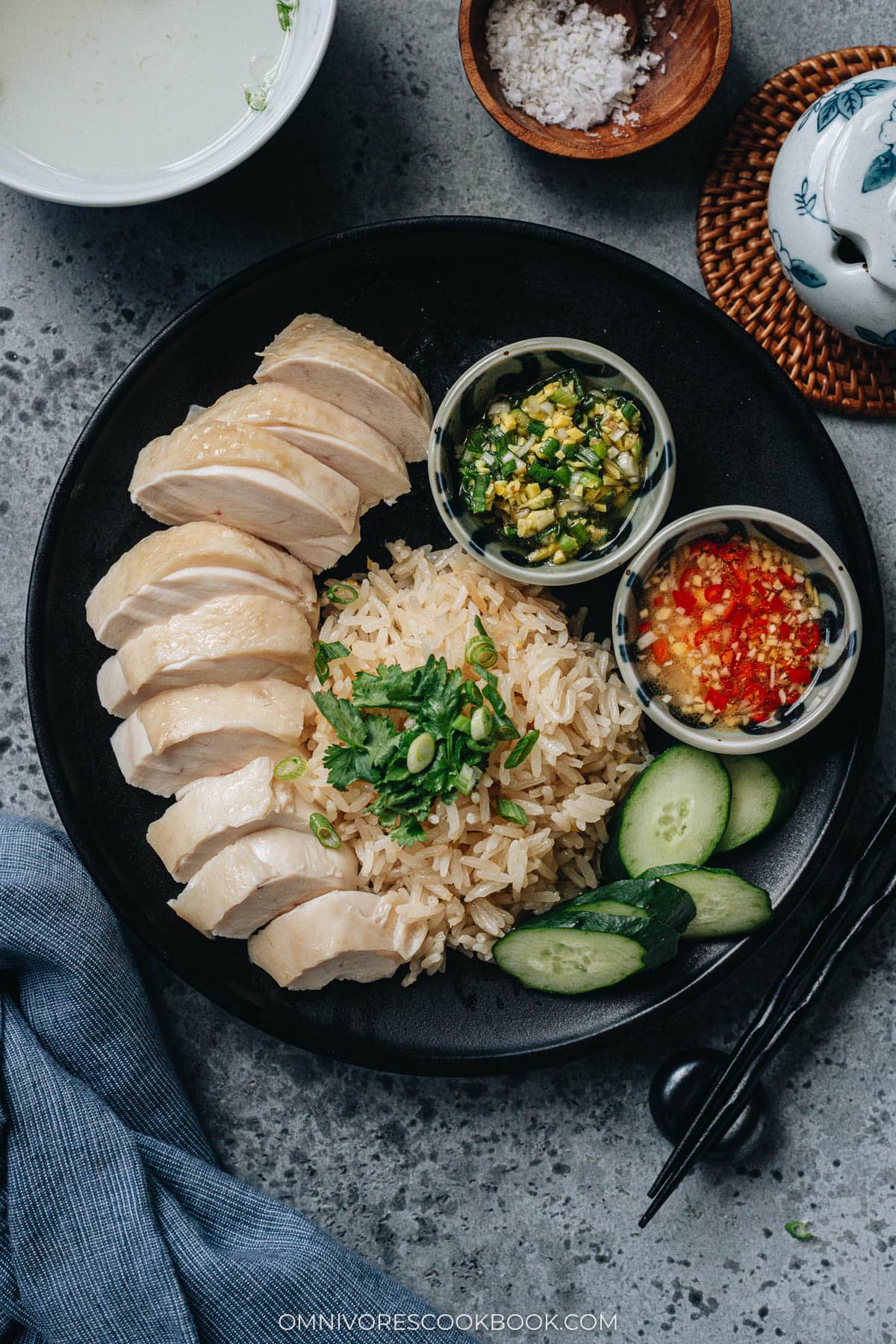
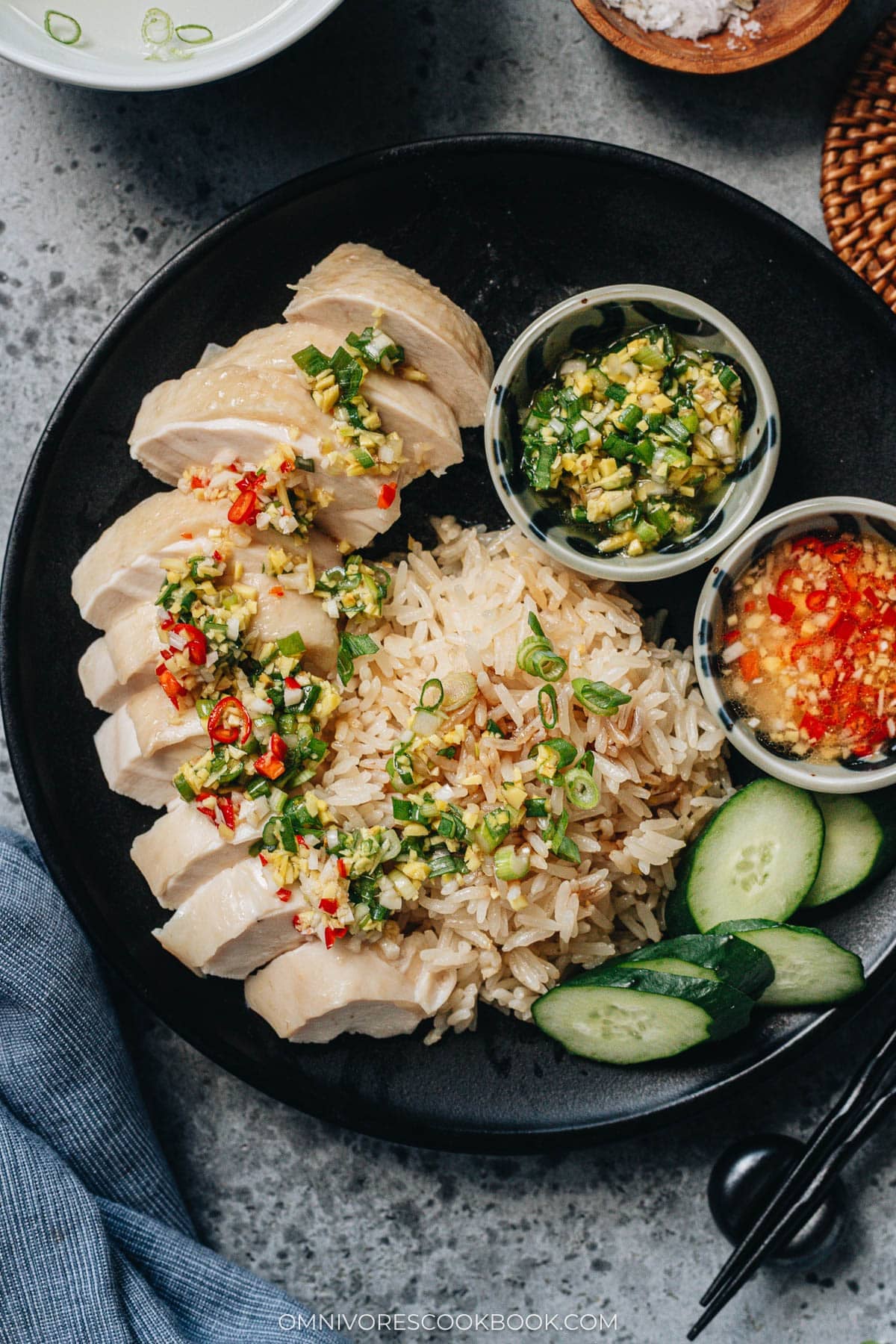
Hainanese chicken rice, a dish with origins tracing back to the island province of Hainan in southern China, has evolved over the decades to become a celebrated culinary staple and a national dish of Singapore, as well as a beloved comfort food throughout Malaysia and Southeast Asia. The dish centers on a deceivingly simple composition: tender, poached chicken served alongside fragrant jasmine rice cooked in rendered poultry fat and broth, complemented by an array of distinct dipping sauces. Despite its minimalist presentation, the dish requires precise execution, where the quality of the ingredients and the mastery of gentle cooking techniques dictate the final standard of the meal.
Historical Evolution and Cultural Significance
The roots of Hainanese chicken rice trace back to the immigrants who migrated from Hainan’s Wenchang region to Southeast Asia, particularly Singapore, Malaysia, and Thailand, during the 19th and early 20th centuries. In Hainan, the dish was traditionally prepared using a specific local breed known as Wenchang chicken, characterized by its compact size, delicate bones, and rich layer of subcutaneous fat. Upon arriving in Nanyang—the historical Chinese term for Southeast Asia—overseas Hainanese communities adapted the recipe to local ingredients, substituting the Wenchang bird with available local poultry and pairing the rice with regionally accessible aromatics, ginger, and chili.
Over generations, hawker culture in Singapore played a pivotal role in popularizing the dish, transforming it from a regional immigrant meal into a unifying national symbol. Today, Hainanese chicken rice is recognized globally as a pinnacle of Chinese heritage cooking in Southeast Asia, celebrated for its clean, balanced flavors and meticulous preparation methods. Culinary historians note that the dish’s enduring appeal lies in its ability to highlight the pure flavor of chicken, elevated entirely through technique rather than heavy masking sauces.
Culinary Analysis: Key Techniques for Restaurant-Quality Results
Achieving the characteristic silky skin and succulent meat of authentic Hainanese chicken requires strict adherence to thermodynamic principles in the kitchen. Culinary experts and home cooks alike emphasize two critical processes: dry brining and slow poaching.
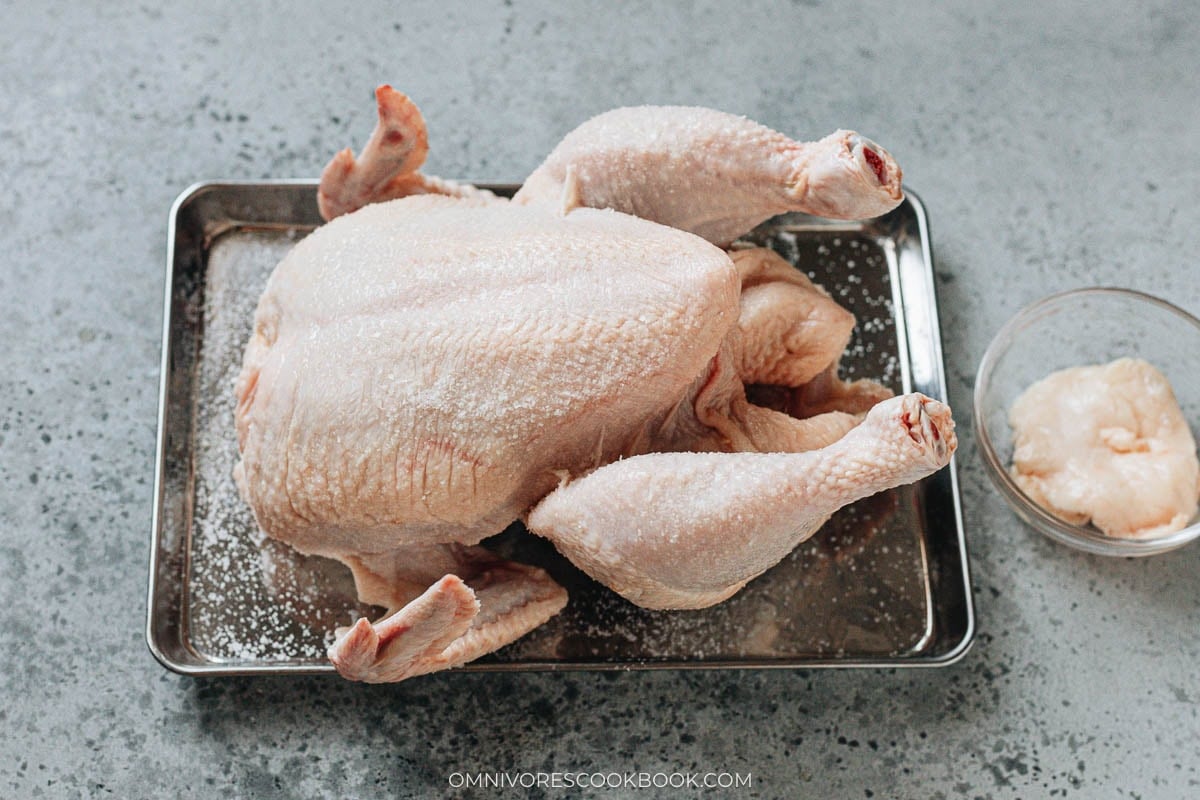
Dry brining the poultry with kosher salt—ideally overnight, uncovered in a refrigerated environment—allows sodium to penetrate deep into the muscle tissue, ensuring internal seasoning while drying out the skin for optimal texture. Subsequent poaching must occur at a bare simmer rather than a rolling boil. Exposing the bird to high, aggressive heat causes muscle fibers to contract rapidly, squeezing out internal moisture and resulting in a dry, tough texture. Maintaining a low-temperature simmer preserves the delicate, velvety mouthfeel associated with high-end preparations.
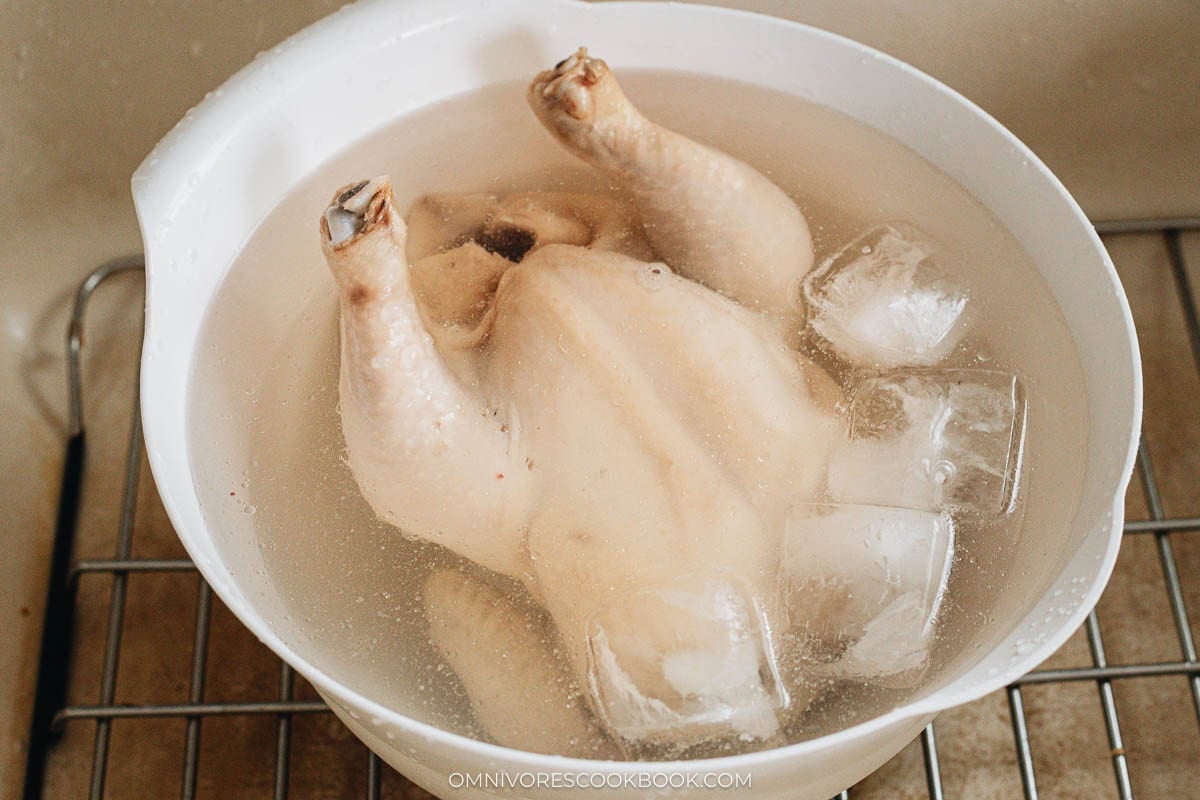
Furthermore, the tradition of plunging the cooked chicken into an ice bath immediately after removal from the poaching liquid serves a vital purpose. The thermal shock abruptly halts the cooking process, cooling the exterior while locking in internal juices and gelatinizing the layer beneath the skin to create the signature glossy finish.
Comprehensive Ingredients and Component Breakdown
Preparing authentic Hainanese chicken rice requires sourcing specific components divided into four primary categories: the protein, the seasoned rice, the dipping sauces, and the accompaniments.
The Poultry: A whole, high-quality chicken weighing between three and four pounds is traditionally preferred. Smaller birds fit efficiently into standard domestic cookware, ensuring even heat distribution, and yield superior natural flavors necessary since seasoning remains minimal. Alternatively, bone-in, skin-on chicken pieces—such as thighs, drumsticks, or breasts—offer a manageable alternative for modern home cooks seeking convenience without sacrificing traditional flavor profiles.
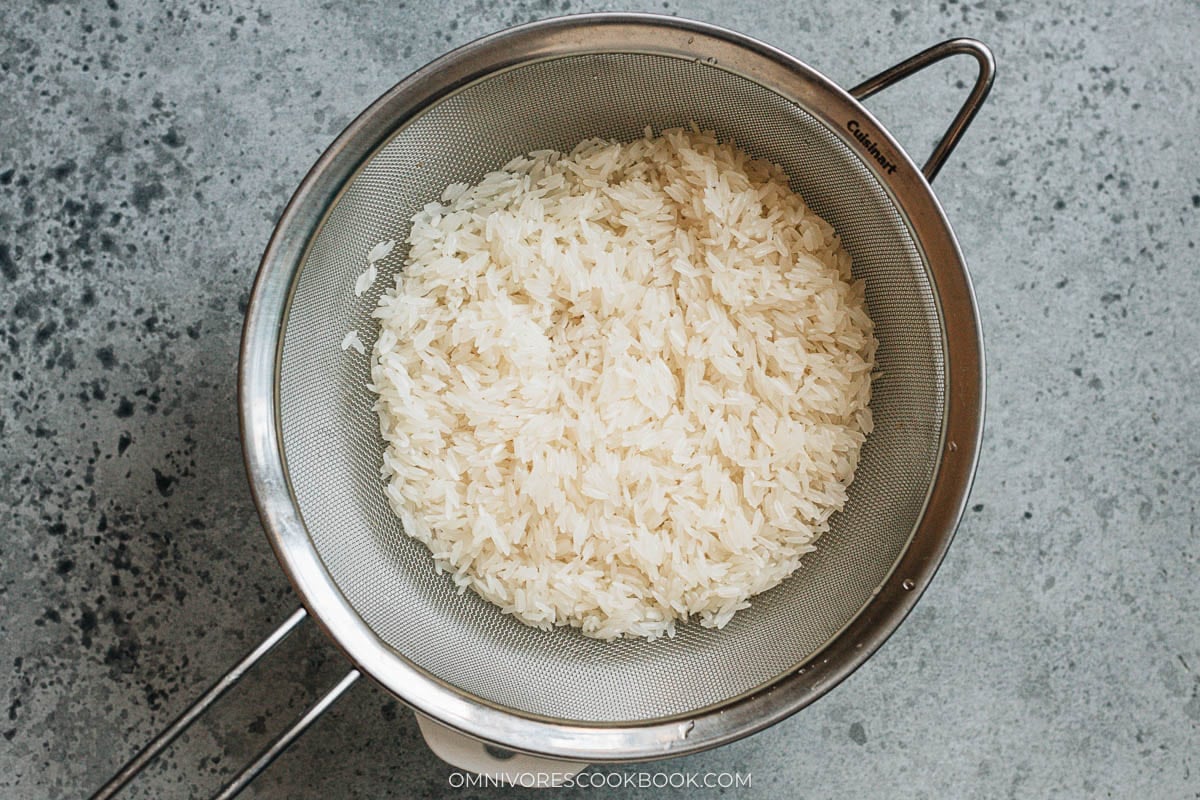
The Rice: Jasmine rice serves as the grain of choice. It is thoroughly rinsed to remove excess surface starch, ensuring distinct, fluffy grains upon cooking. The rice is subsequently toasted in rendered chicken fat infused with minced garlic and ginger before being cooked in a dedicated rice cooker utilizing chicken broth.
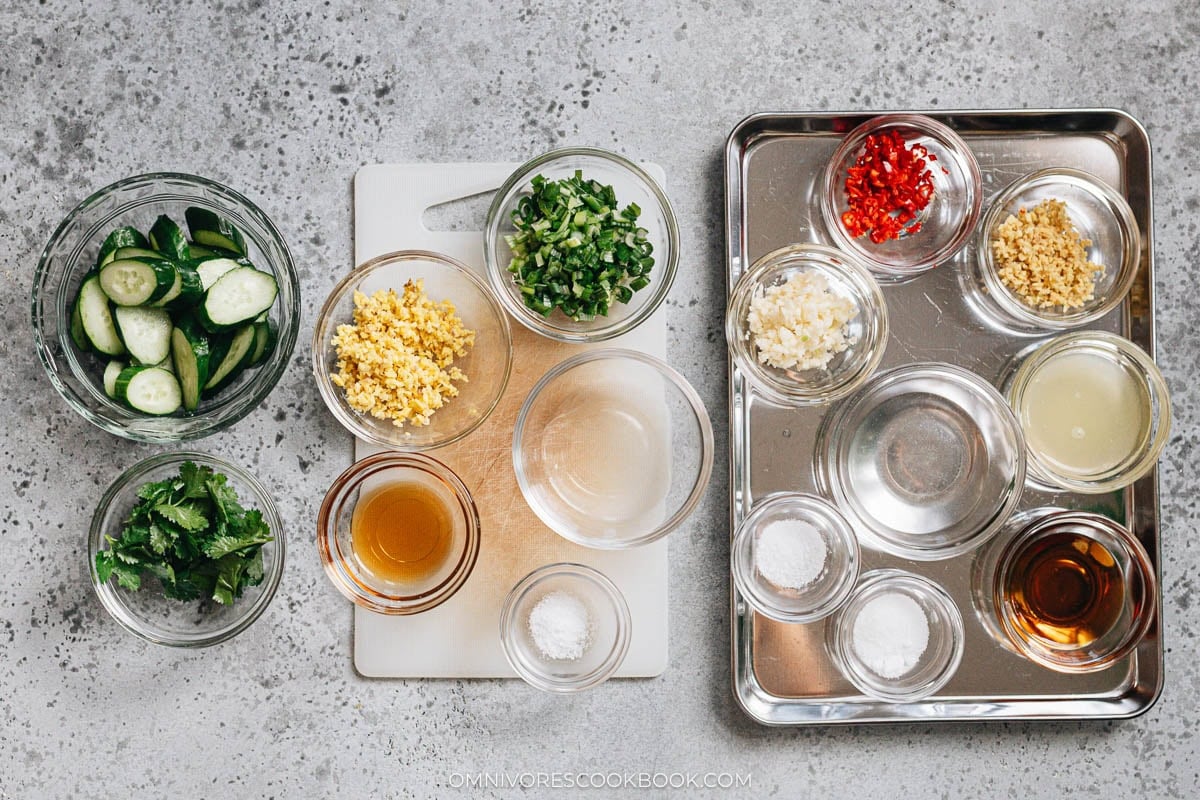
The Dipping Sauces: The meal relies on distinct condiments to balance the mild profile of the poultry. The chili sauce combines red bird’s eye chilies, garlic, ginger, fresh lime juice, sugar, salt, and a splash of warm chicken broth to deliver a sharp, vibrant acidity and heat. The ginger scallion sauce pairs finely minced aromatics with warm broth, salt, and sesame oil to offer a savory, herbaceous counterpoint. A third component, sweet soy sauce, is frequently provided to introduce depth and caramelized sweetness.
Step-by-Step Preparation Protocol
The preparation of Hainanese chicken rice is systematic, requiring careful timing to coordinate the poaching of the bird, the rendering of fats, and the cooking of the rice.
-
Chicken Preparation: Clean the cavity of the whole chicken and reserve any excess fat. Pat the bird completely dry and apply kosher salt uniformly across the skin and internal cavity. Allow the chicken to rest for a minimum of twenty minutes, though an overnight dry brine in the refrigerator yields superior results. Tuck the wing tips backward to stabilize the bird’s posture during cooking.
-
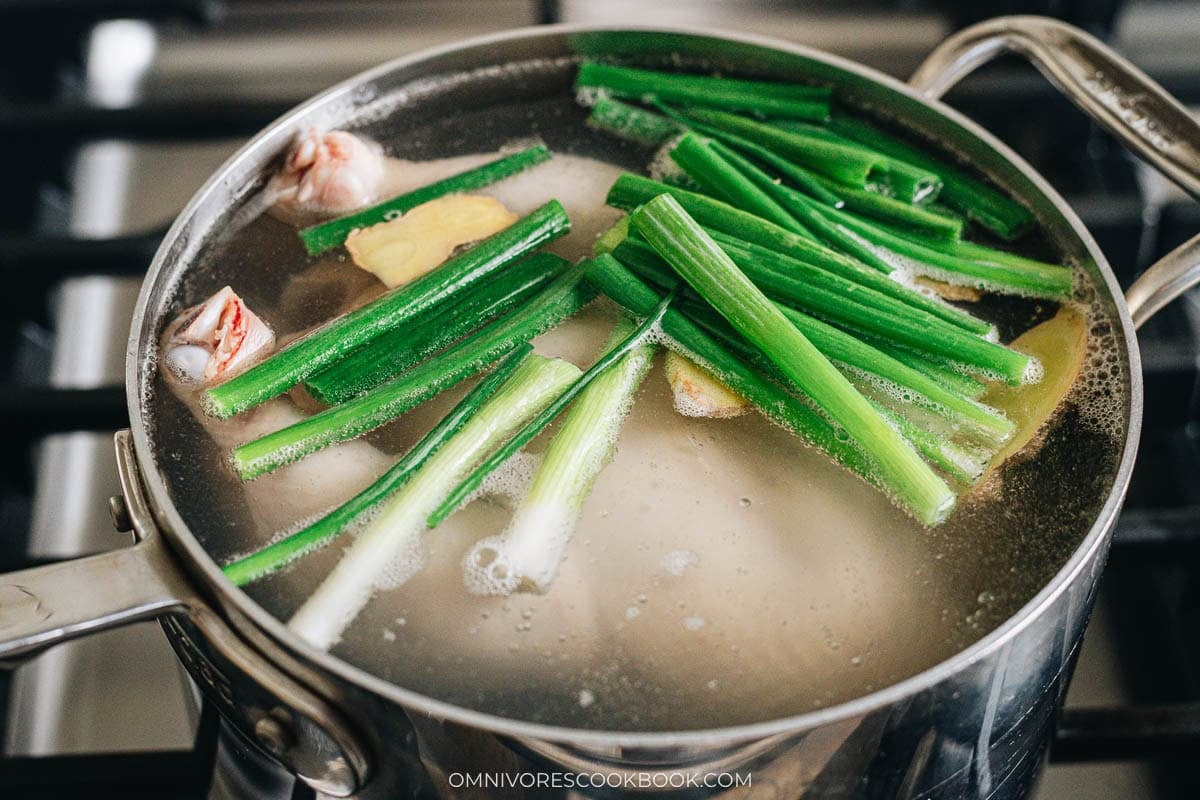
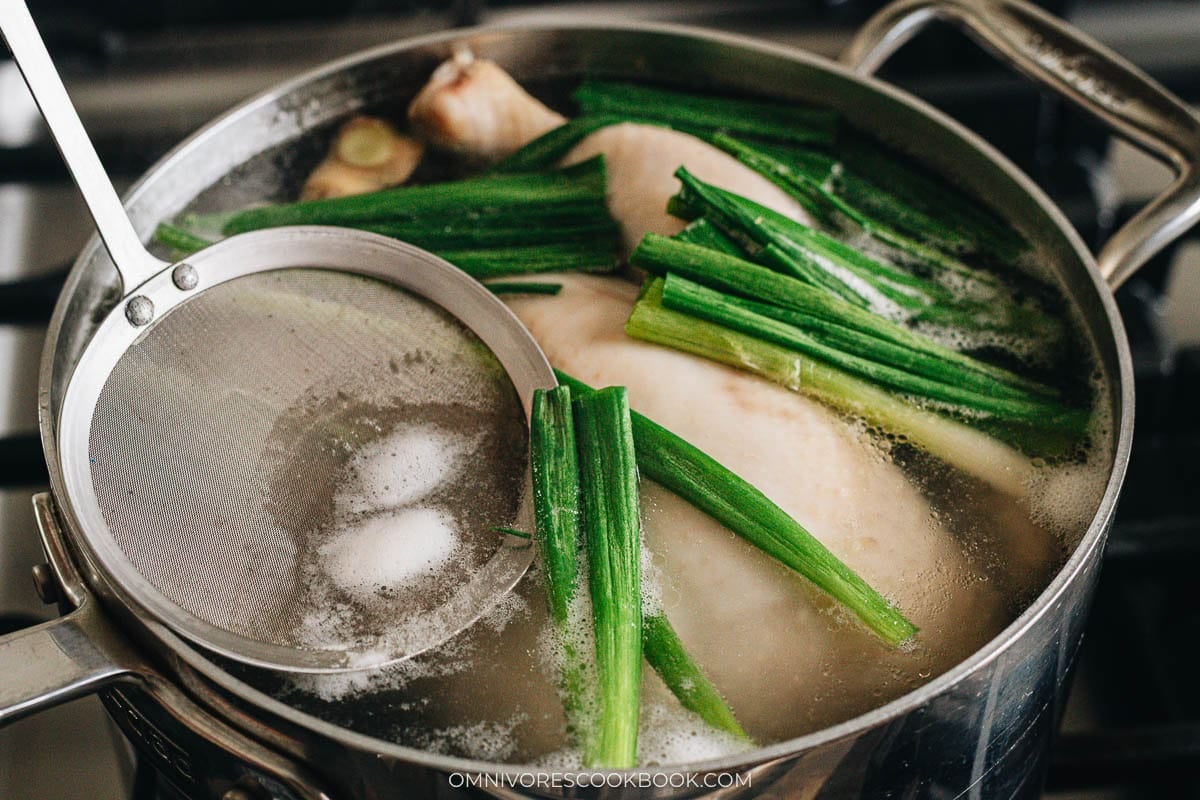
Poaching Process: In a tall pot sized closely to the dimensions of the chicken, bring approximately ten cups of water to a rolling boil. Lower the salted bird into the liquid by holding the cavity, briefly draining trapped water, and submerging it fully. Add sliced scallions and ginger. Reduce the heat immediately to maintain a bare simmer. Skim any surface impurities and cook for twenty-five to thirty minutes for a three-pound bird, or up to forty minutes for a slightly larger chicken, verifying internal temperature with an instant-read thermometer inserted into the thickest part of the thigh until it registers 165 degrees Fahrenheit (74 degrees Celsius).
-
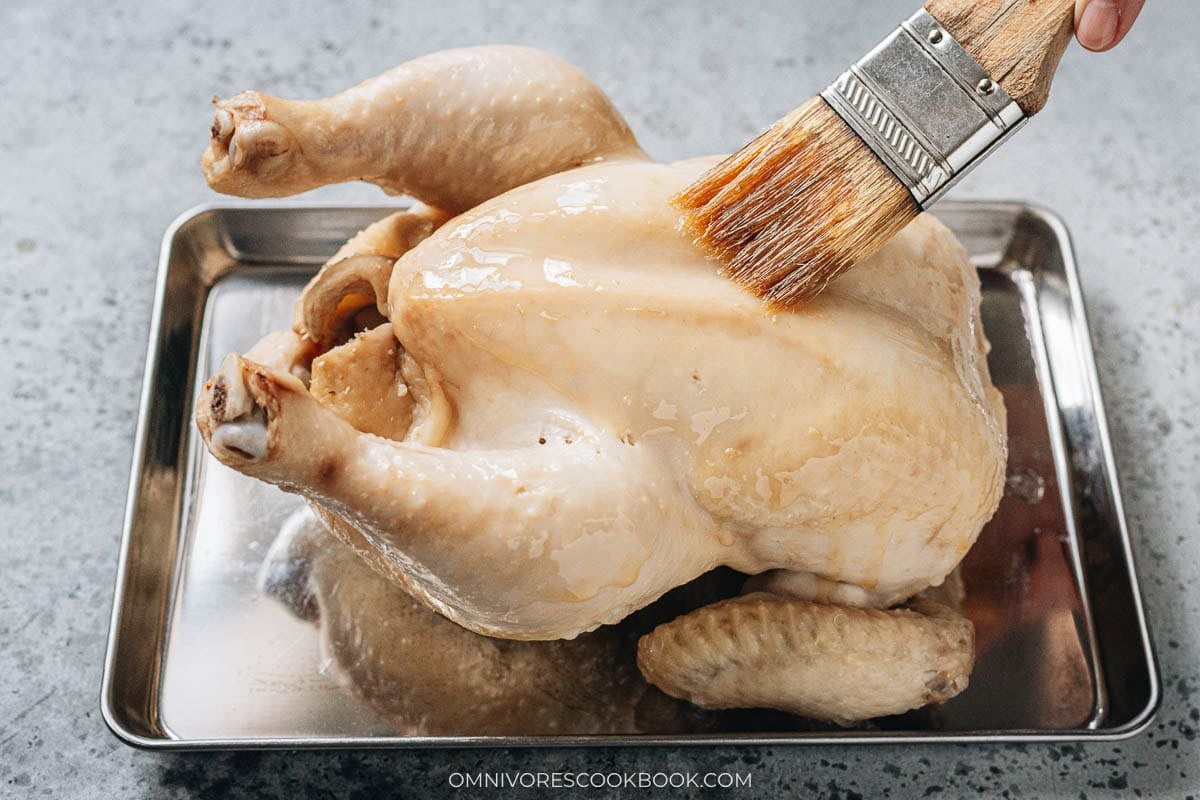
Thermal Shock and Oiling: Transfer the cooked bird directly into an ice water bath for ten minutes. Remove, allow to drain thoroughly on a wire rack, and lightly brush the exterior skin with sesame oil to prevent drying and enhance presentation.
-
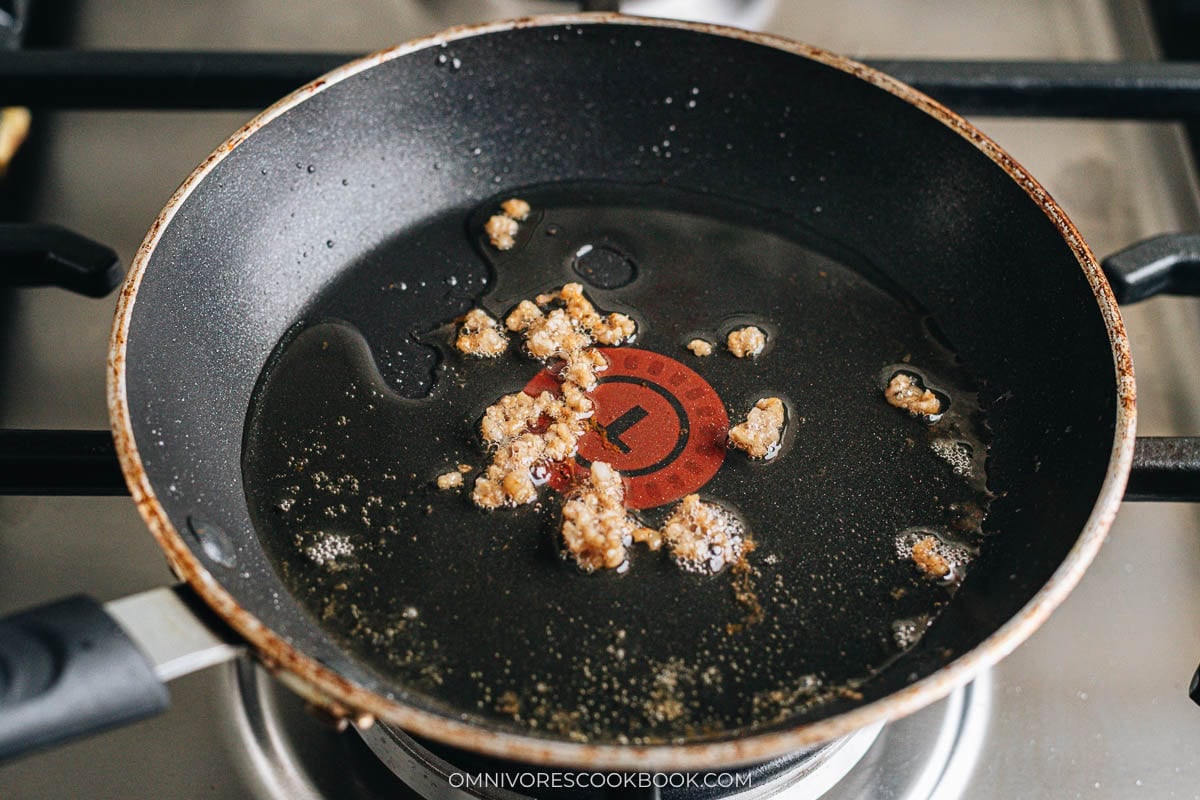
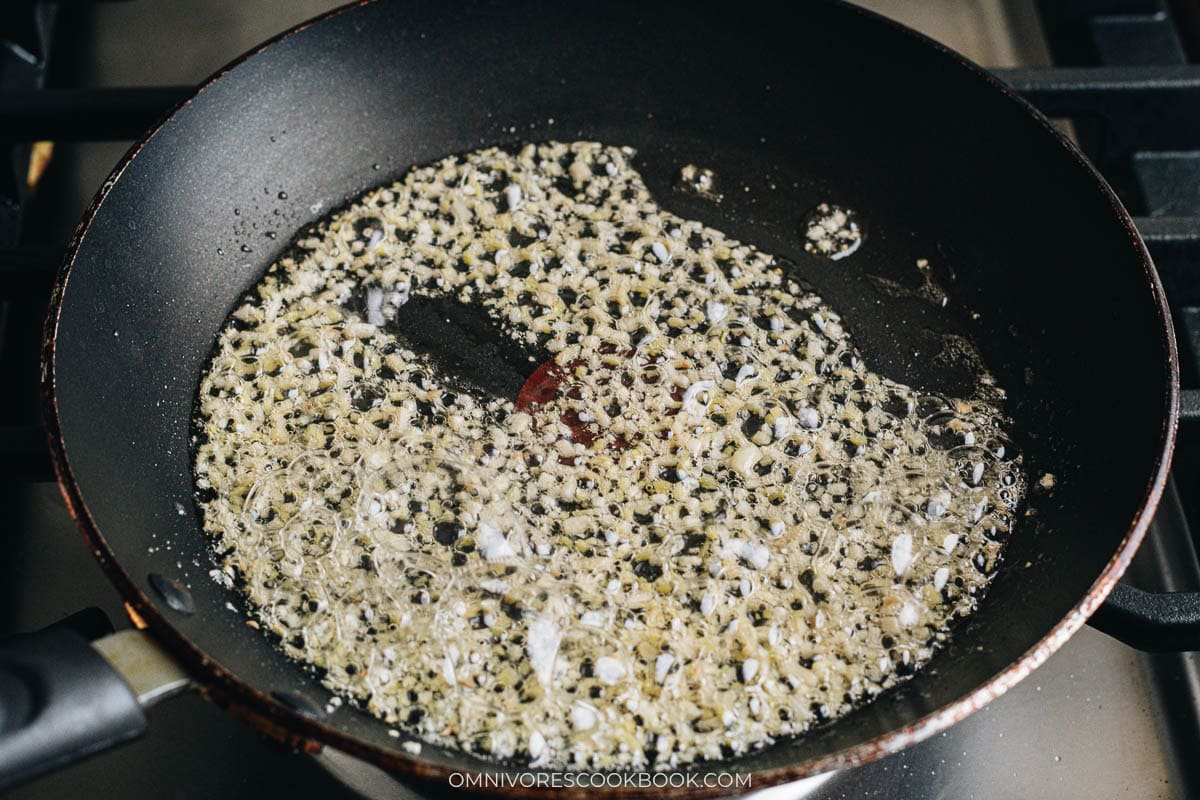
Rice Preparation: Finely chop the reserved chicken fat and render it in a skillet over medium-low heat until liquefied, supplementing with neutral cooking oil if necessary to reach two tablespoons. Sauté minced garlic and ginger in the rendered fat until aromatic. Add the drained jasmine rice, toasting the grains for approximately two minutes until thoroughly coated. Transfer the mixture to a rice cooker, add measured chicken broth and salt, and process on the standard white rice setting. Allow the cooked rice to rest for ten minutes before fluffing with a paddle.
-
Sauce Formulation: Combine the ingredients for the chili sauce in a vessel, adjusting lime juice and sugar levels to achieve a balanced flavor profile. Separately, mix the minced ginger and scallions with warm broth, salt, and sesame oil, allowing the mixture to steep for ten minutes prior to serving.
Broader Culinary Implications and Global Adaptation
The global proliferation of Hainanese chicken rice reflects changing consumer preferences toward clean, protein-forward dining experiences that emphasize ingredient integrity. Food industry analysts note that as interest in Southeast Asian gastronomy expands internationally, traditional hawker dishes are increasingly finding a place in domestic kitchens. The recipe’s recent updates—incorporating accessible cuts of meat and utilizing modern kitchen appliances like rice cookers—demonstrate how traditional heritage cooking adapts to contemporary lifestyles without compromising authenticity.
Nutritional profile assessments indicate that a standard serving of Hainanese chicken rice provides a balanced macronutrient distribution, delivering substantial lean protein alongside complex carbohydrates, with moderate lipid content derived primarily from natural poultry fats and sesame oil.
Ultimately, the preparation of Hainanese chicken rice remains a rewarding weekend culinary project. By prioritizing precise thermal control during poaching and utilizing traditional aromatics, home cooks can replicate the distinct textures and harmonious flavor profiles found in premier hawker centers across Singapore and Malaysia.