Natilla de Arequipe y Coco: Exploring the Cultural Evolution of Colombia’s Signature Christmas Custard

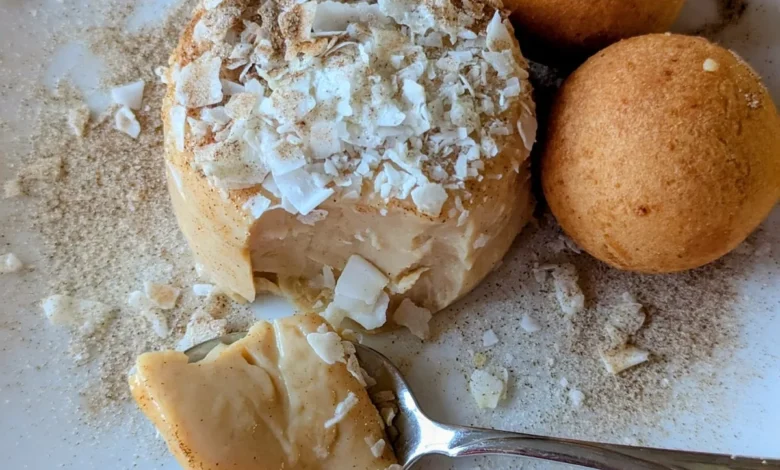
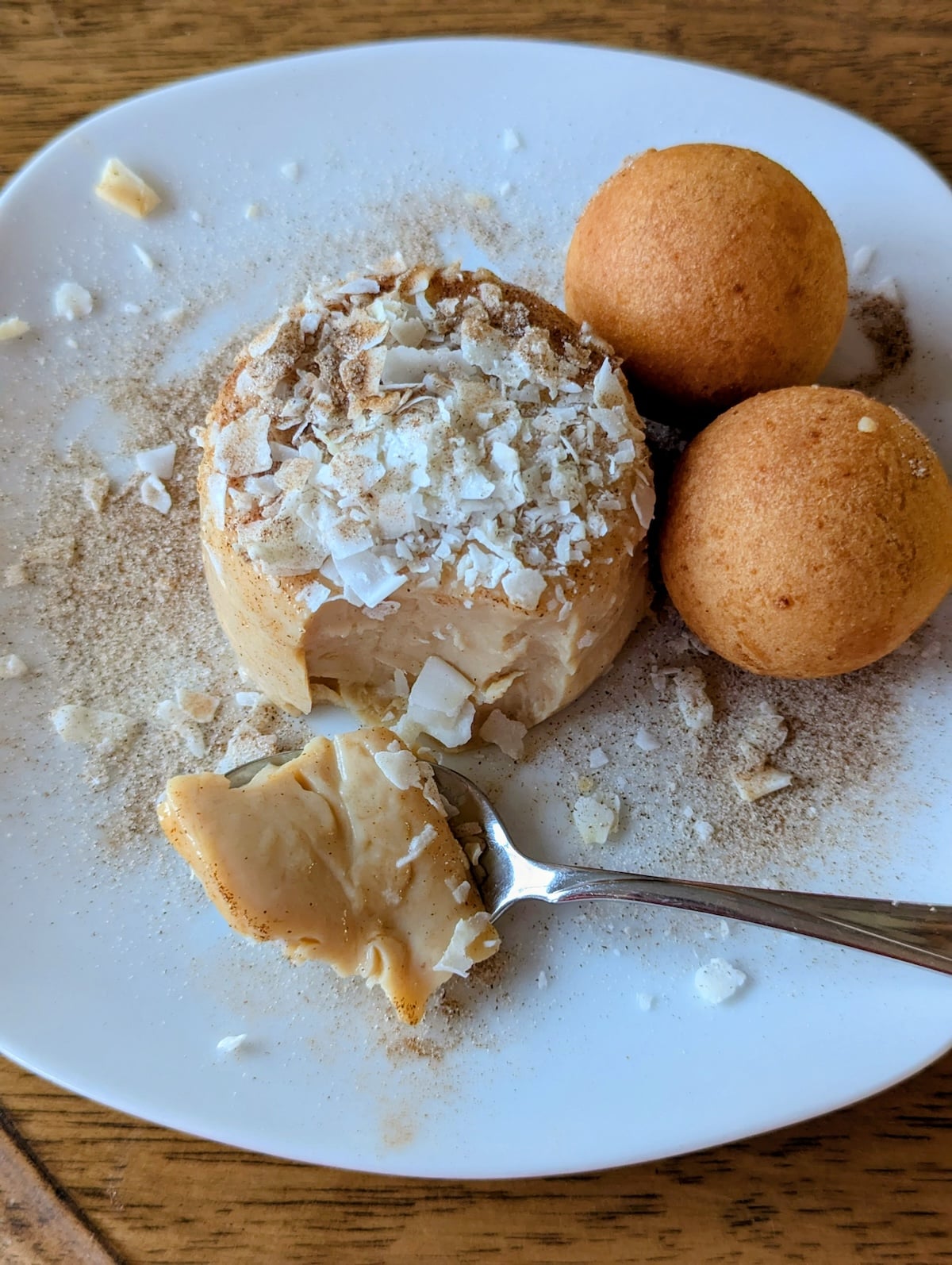
The holiday season in Colombia is defined by a unique culinary landscape that blends indigenous traditions, colonial influences, and a deep-seated communal spirit. Among the most iconic fixtures of this period is natilla, a dense, sweet custard that serves as the centerpiece of festive gatherings. While the traditional preparation relies on panela—an unrefined whole cane sugar—modern variations have emerged to reflect changing palates and regional diversity. One of the most celebrated contemporary iterations is the Natilla de Arequipe y Coco, a creamy, indulgent fusion that pairs the rich, caramel-like notes of arequipe (dulce de leche) with the refreshing, tropical profile of shredded coconut.
The Historical and Cultural Context of Natilla
To understand the significance of Natilla de Arequipe y Coco, one must first appreciate the history of the base dish. Natilla is an evolution of the Spanish milk custard (natillas), which was introduced to South America during the colonial era. However, the Colombian version underwent a distinct transformation, heavily influenced by local ingredients.
The traditional recipe is inextricably linked to the "novenas de aguinaldos," a nine-day period of prayer and celebration leading up to Christmas Eve. For millions of Colombians, the act of preparing natilla is a communal event. Traditionally, the process requires constant stirring over a wood-fired stove or a large open flame, a task that often involves multiple generations of a family working in shifts to ensure the mixture reaches the perfect, smooth consistency without burning.
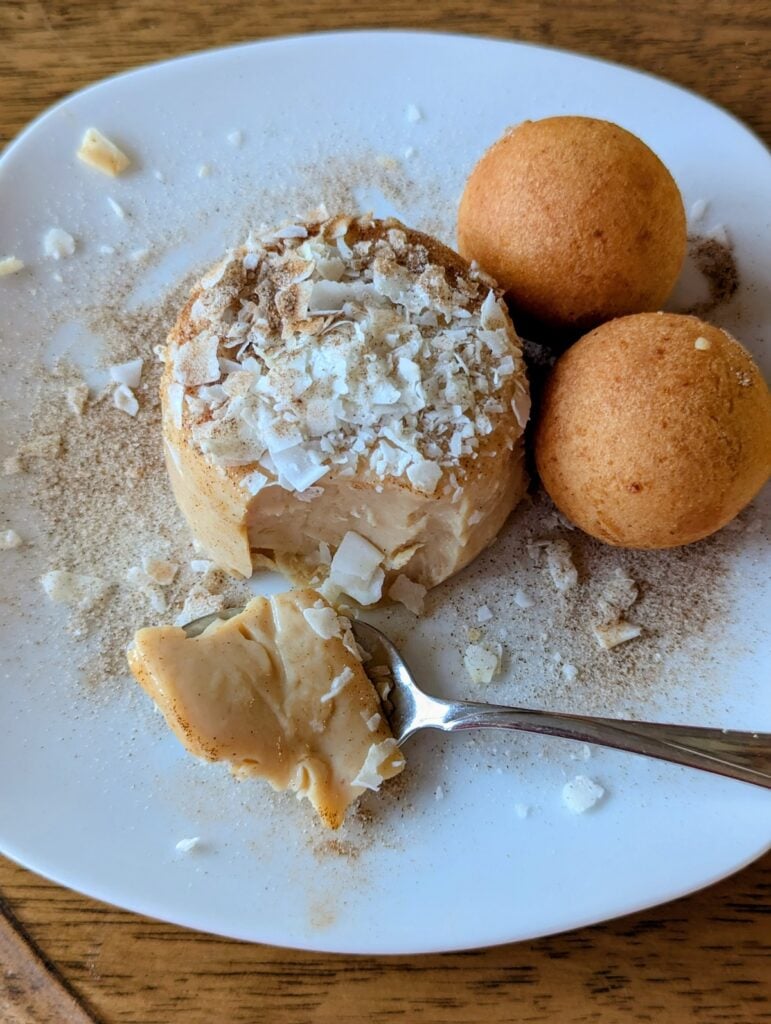
While the classic version uses panela to achieve a deep brown color and earthy sweetness, the introduction of arequipe represents a shift toward a smoother, milk-based flavor profile. Arequipe, a staple of Latin American confectionery, is essentially a slow-cooked reduction of milk and sugar, resulting in a thick, spreadable caramel. By incorporating this into the natilla, chefs and home cooks have created a variation that appeals to those who prefer a more decadent, dessert-like experience.
Composition and Culinary Mechanics
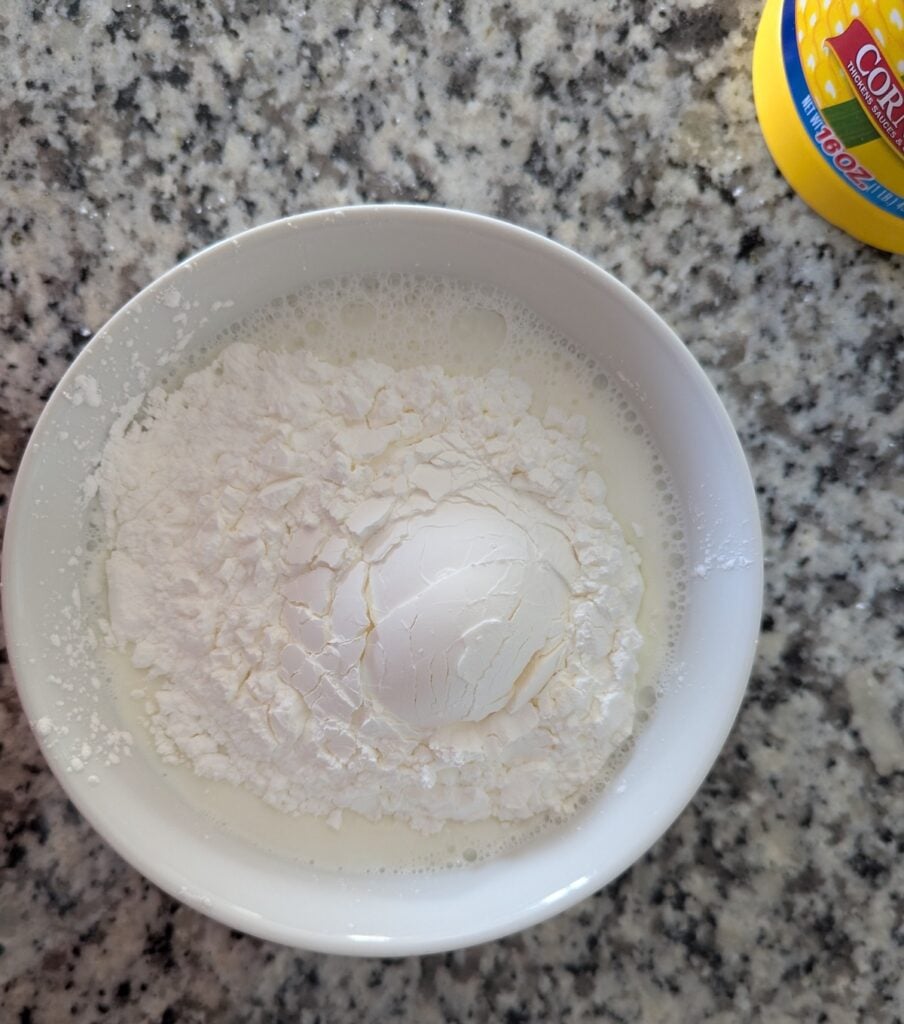
The technical challenge of making Natilla de Arequipe y Coco lies in the balance of starches and sugars. Unlike Western puddings that often rely on eggs or gelatin for thickening, Colombian natilla is traditionally thickened with cornstarch or, in older regional methods, flour derived from corn that has been soaked and ground.
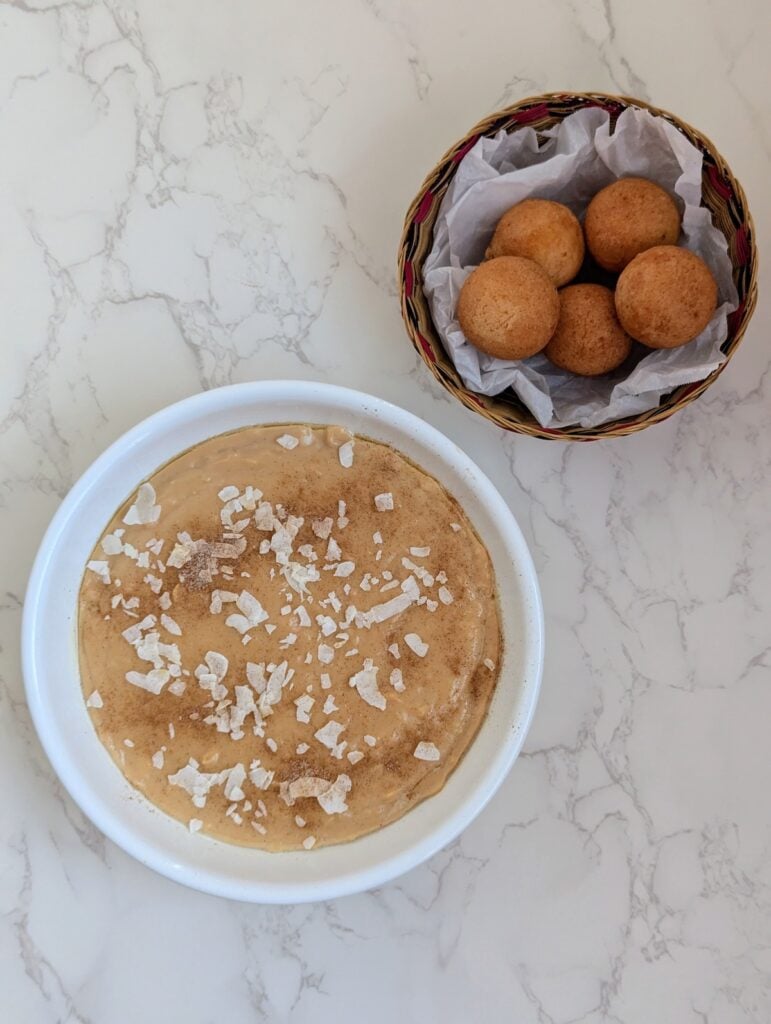
The inclusion of arequipe adds a significant amount of dairy solids and sugar to the base. This necessitates careful heat management. Culinary experts emphasize that the mixture must be kept at a low-to-medium temperature to prevent the milk proteins in the arequipe from scorching. The coconut—typically added in the form of shredded flakes or coconut milk—introduces a texture contrast and a subtle floral note that cuts through the intense sweetness of the dulce de leche.
Comparative Nutritional and Flavor Profile
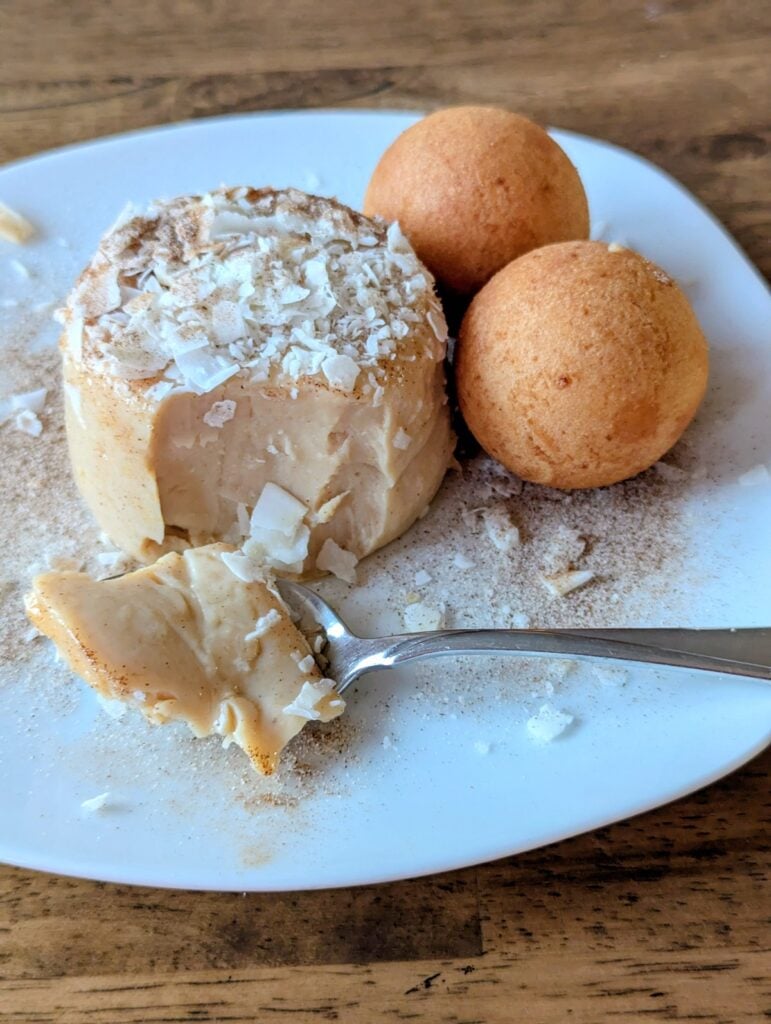
When analyzed against the traditional panela-based natilla, the arequipe and coconut version offers a markedly different sensory experience. The traditional version is robust, with a molasses-like depth and a firm, slightly rubbery texture that is highly prized by purists. In contrast, the version featuring arequipe is softer, creamier, and significantly richer in fat content due to the concentrated milk solids in the dulce de leche.
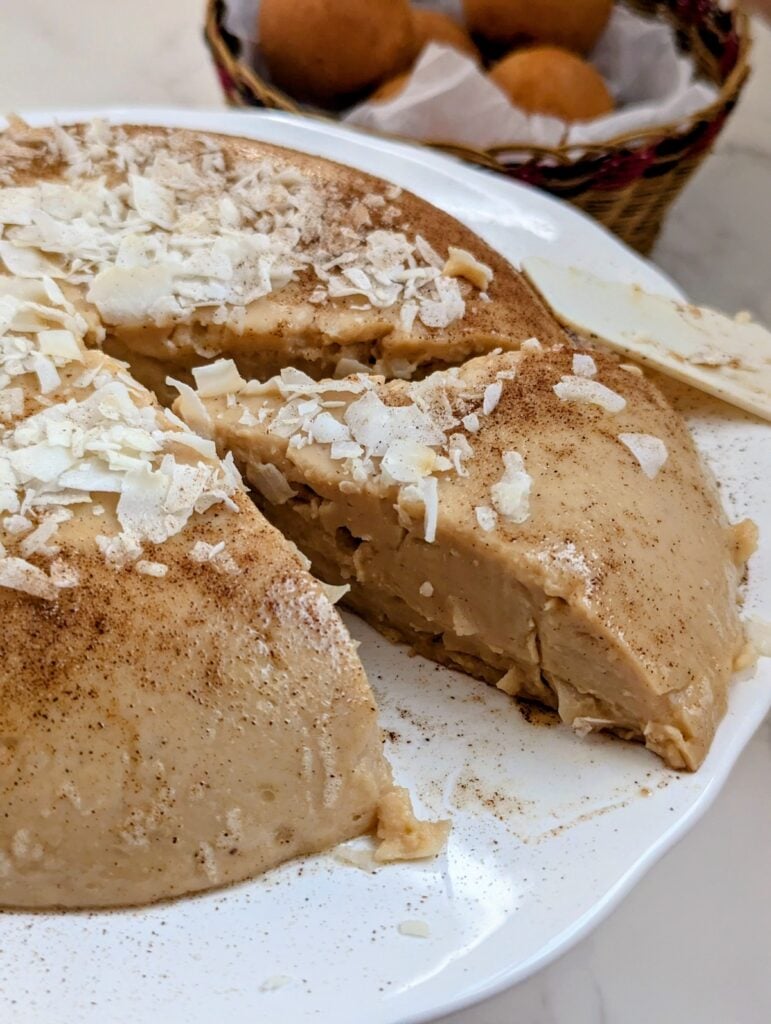
Nutritionally, both versions are high-calorie, carbohydrate-dense foods intended for celebratory occasions. A standard serving of 12 portions typically yields approximately 347 kcal per serving, with a significant portion of the energy derived from the simple sugars found in the arequipe and the added sweetener. While not a health food, its role in the diet is purely cultural and social, serving as a high-energy comfort food during the peak of the winter holiday season.
The Role of Accompaniments
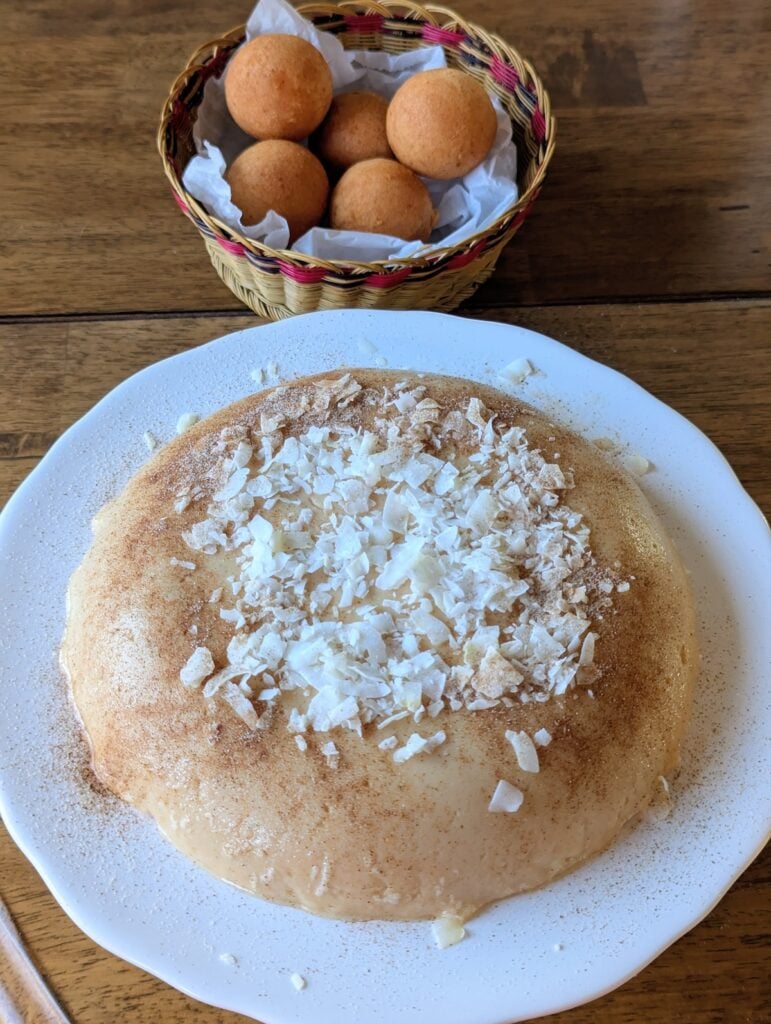
In the context of a traditional Colombian Christmas, natilla is rarely served in isolation. It is part of a "trio" of essential holiday foods, which includes buñuelos and hojuelas.
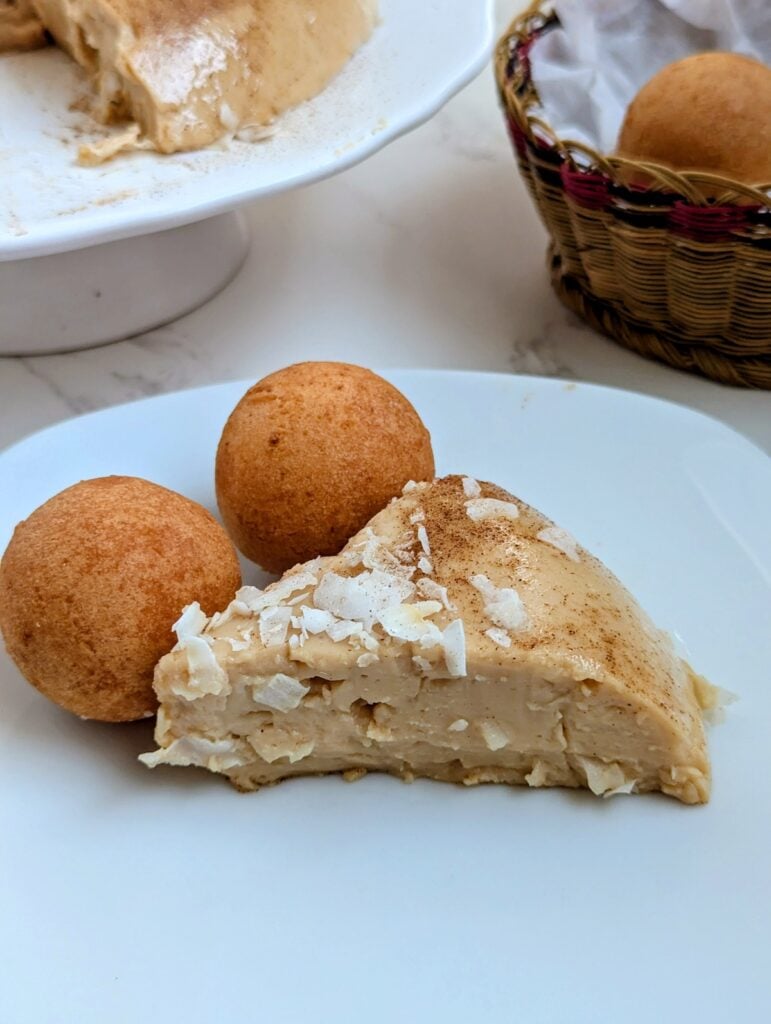
Buñuelos are deep-fried cheese dough balls that provide a savory, slightly salty contrast to the sweetness of the natilla. This interplay between the salty, crispy exterior of the buñuelo and the smooth, sweet creaminess of the natilla is considered by food historians to be a masterclass in balance. Hojuelas, thin and crispy fried dough sheets dusted with sugar, add a necessary crunch to the plate. The addition of arequipe-based natilla to this spread creates a more cohesive, dessert-focused experience, as the caramel notes of the arequipe bridge the gap between the savory buñuelos and the sweet dessert plate.
Modern Culinary Trends and Standardization
The rise of the Arequipe y Coco variation reflects a broader trend in Colombian cuisine: the modernization of heritage recipes. As the country has become more urbanized, the time-intensive process of traditional wood-fired cooking has declined. Many households now opt for stovetop versions that take roughly 30 to 40 minutes to prepare, down from the hours required by traditional methods.
Retail markets have responded to this demand by producing pre-mixed natilla kits. However, there remains a persistent cultural preference for "made from scratch" preparations, especially during the novenas. Culinary influencers and traditionalist chefs alike continue to publish detailed guides, emphasizing that while the ingredients may evolve—from traditional panela to modern arequipe—the method of constant, patient stirring remains the non-negotiable standard for quality.
Storage and Preservation Challenges
A critical aspect of natilla preparation is the post-cooking phase. Because the dish is high in moisture and sugar, it is prone to forming a "skin" or film if left exposed to air. Standard culinary practice dictates that a piece of plastic wrap should be pressed directly against the surface of the cooling custard.
Experts note that this dish does not freeze well. The high starch content, when subjected to freezing temperatures, tends to undergo syneresis—a process where the gel structure collapses and releases water, resulting in a grainy, unappealing texture upon thawing. Consequently, it is recommended that the dish be consumed within five days of preparation and kept refrigerated at all times to maintain food safety and structural integrity.
Broader Impact and Social Implications
The enduring popularity of natilla, in all its iterations, serves as a poignant reminder of the power of food to sustain social cohesion. In an increasingly globalized world, the preservation of such recipes acts as a cultural anchor for the Colombian diaspora. Whether in Bogota or New York, the smell of thickening milk and sugar serves as a signal that the holiday season has arrived.
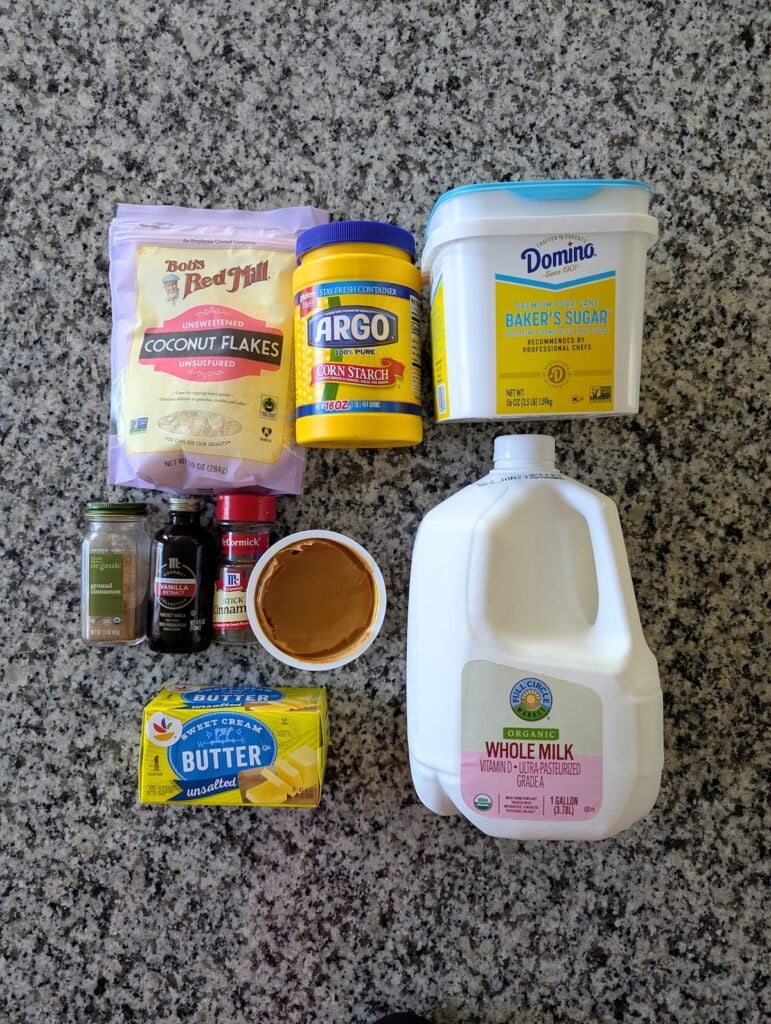
The emergence of the Arequipe y Coco version does not signify a rejection of tradition, but rather an evolution of it. By adapting the recipe to incorporate ingredients that are globally recognized and universally loved—like dulce de leche and coconut—Colombian home cooks are ensuring that the tradition remains relevant for younger generations who may not have grown up with the wood-fired stoves of their ancestors.
Future Outlook
As we look toward future holiday seasons, it is likely that the variations of natilla will continue to expand. There is already evidence of regional experimentations involving local fruits such as lulo or maracuyá, and the infusion of spices like cardamom or cinnamon. However, the foundational reliance on a starch-thickened base will likely remain the defining characteristic of this dish.
The Natilla de Arequipe y Coco is more than just a sweet treat; it is a testament to the versatility of Colombian culinary heritage. It proves that tradition is not a static set of rules, but a living practice that grows and changes alongside the people who keep it alive. As families gather this December to participate in the novenas, the presence of this custard—creamy, sweet, and comforting—will undoubtedly continue to serve as the glue that binds together the memories of the past with the celebrations of the present. Through the simple act of stirring a pot, the cycle of tradition remains unbroken, ready to be passed on once more.