The Rise of the Chain Restaurant Monoculture and the Threat to Independent Dining

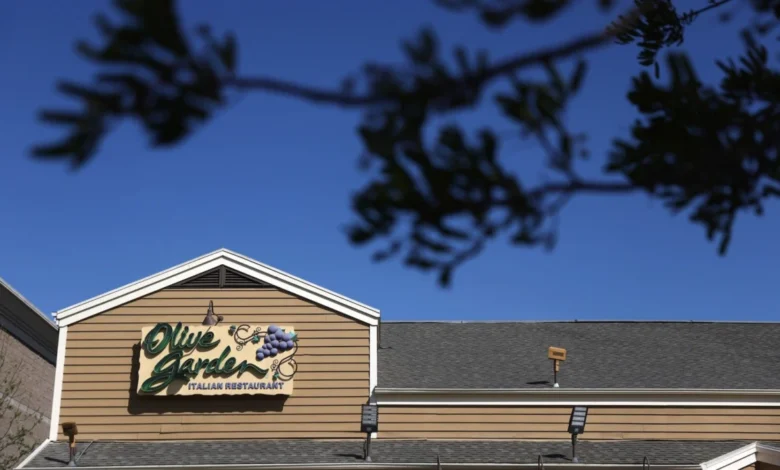
The American culinary landscape is undergoing a profound structural transformation as large, full-service restaurant chains leverage unprecedented economies of scale to consolidate market share at the expense of independent establishments. This shift, accelerated by the global pandemic and shifting commercial real estate dynamics, is creating a "restaurant monoculture" where predictability and brand familiarity are replacing regional diversity and culinary innovation. While big-box brands like Olive Garden, Texas Roadhouse, and The Cheesecake Factory report record revenues and aggressive expansion plans, the independent sector—the traditional backbone of American community dining—faces an existential crisis.
The Pre-Pandemic Shift: A Decade of Consolidation
The decline of the independent restaurant did not begin with the lockdowns of 2020. Data from the NPD Group, a leading consumer and retail research firm, indicates that independent restaurants had been losing significant ground to corporate chains for over a decade. In a pivotal report issued ten years ago, researchers found that independent establishments accounted for a staggering 87 percent of total visit losses in the industry over a three-year period. During that same timeframe, more than 7,000 independent restaurants closed their doors permanently across the United States.
Conversely, during that pre-pandemic window, chain restaurants added approximately 4,511 new units. This divergence highlighted a growing consumer preference for "the known"—establishments where the menu, pricing, and atmosphere remain identical regardless of geographic location. Analysts suggest that this "sameness" acts as a psychological safety net for diners, providing a guaranteed experience in an increasingly volatile economic environment.
The Pandemic as a Market Catalyst
The arrival of COVID-19 acted as a "great filter" for the hospitality industry. While the sector as a whole suffered, the impact was disproportionately borne by "mom-and-pop" operations. According to data from Yelp, over 90,000 restaurants were forced to close permanently in 2020 alone. These closures created a vacuum in the market that well-capitalized corporate entities were uniquely positioned to fill.
Financial analysts recognized this opportunity early in the crisis. In late 2020, Peter Saleh, an analyst for the financial services firm BTIG, raised his outlook for Texas Roadhouse, a Louisville-based steakhouse chain. Saleh noted that the closure activity, primarily shouldered by independents, created a "golden opportunity" for chains to expand into smaller markets with reduced competition. This prediction proved accurate; by the end of fiscal year 2021, Texas Roadhouse revenue had surged 26 percent above pre-pandemic levels. The company has since embarked on an aggressive growth trajectory, adding dozens of new company-owned and franchise locations annually.
The Real Estate War and the "Darden Guarantee"
One of the most significant advantages held by national chains is their leverage in the commercial real estate market. As independent restaurants shuttered, leaving a glut of vacant storefronts in prime locations, corporate executives moved to "colonize" these spaces. The competition for physical footprint has become a central battleground in the industry.
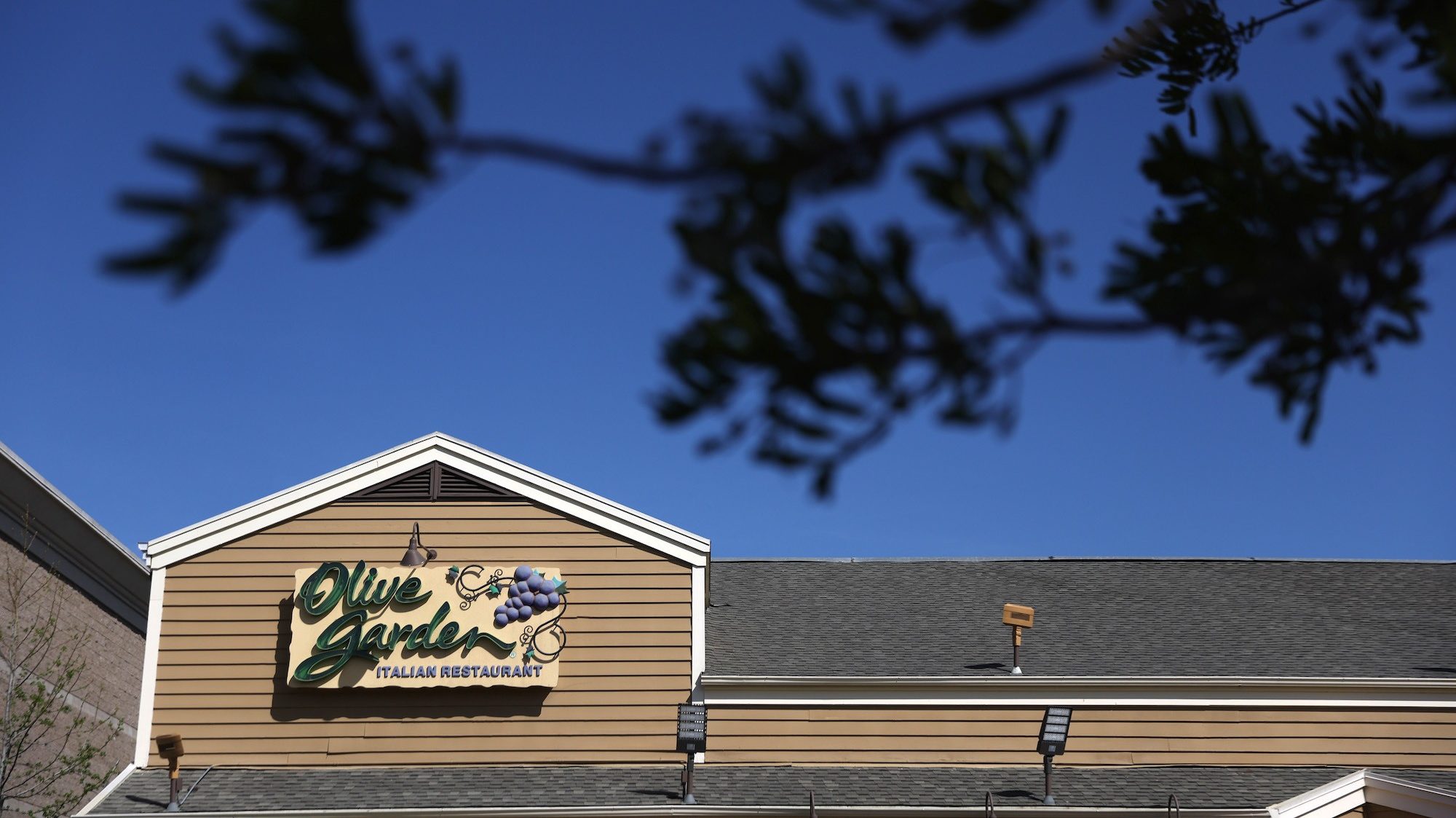
Gene Lee, the outgoing CEO of Darden Restaurants—the parent company of Olive Garden and Longhorn Steakhouse—highlighted this advantage in a recent earnings call. Lee noted that landlords are increasingly hesitant to lease space to smaller, regional players or independent startups. "At the end of the day, most landlords want a Darden guarantee signature on their property," Lee stated. This corporate guarantee provides property owners with long-term financial security that a local entrepreneur cannot match, effectively locking out independent innovation from high-traffic commercial centers.
Similarly, John Cywinski, president of Applebee’s parent company Dine Brands, has characterized the current market as having significant "white space" due to the contraction of the independent category. By deploying massive amounts of capital, these chains are able to secure the best leases and "maximize the opportunity" of a less crowded marketplace.
Pricing Power and the End of the "Value" Era
The consolidation of the market has also granted major chains significant pricing power. In late 2021, Olive Garden made headlines by discontinuing its long-standing "Never Ending Pasta Bowl" promotion. While the move disappointed some loyalists, the financial reality was telling: the chain was busier and more profitable without the discount.
Corporate entities have discovered that their "ecosystem" is so strong that customers are willing to pay a premium for signature items—such as Red Lobster’s cheddar biscuits or Outback Steakhouse’s Bloomin’ Onions—even as prices rise. Texas Roadhouse recently implemented a 3.2 percent menu price increase across the board with no discernible negative impact on foot traffic. This ability to absorb inflation and pass costs to consumers is a luxury many independent restaurants do not have, as they often lack the marketing budgets to build the same level of "brand immunity."
The Erosion of Culinary Integrity and Regional Identity
Beyond the financial metrics, the rise of the chain monoculture has significant cultural implications. The incursion of chains into historically independent strongholds, such as New York City, marks a turning point in American dining. NYC, a city once defined by its incorrigible and unique dining landscape, is now home to an increasing number of full-service chains, including the recent arrival of a flagship P.F. Chang’s in Union Square.
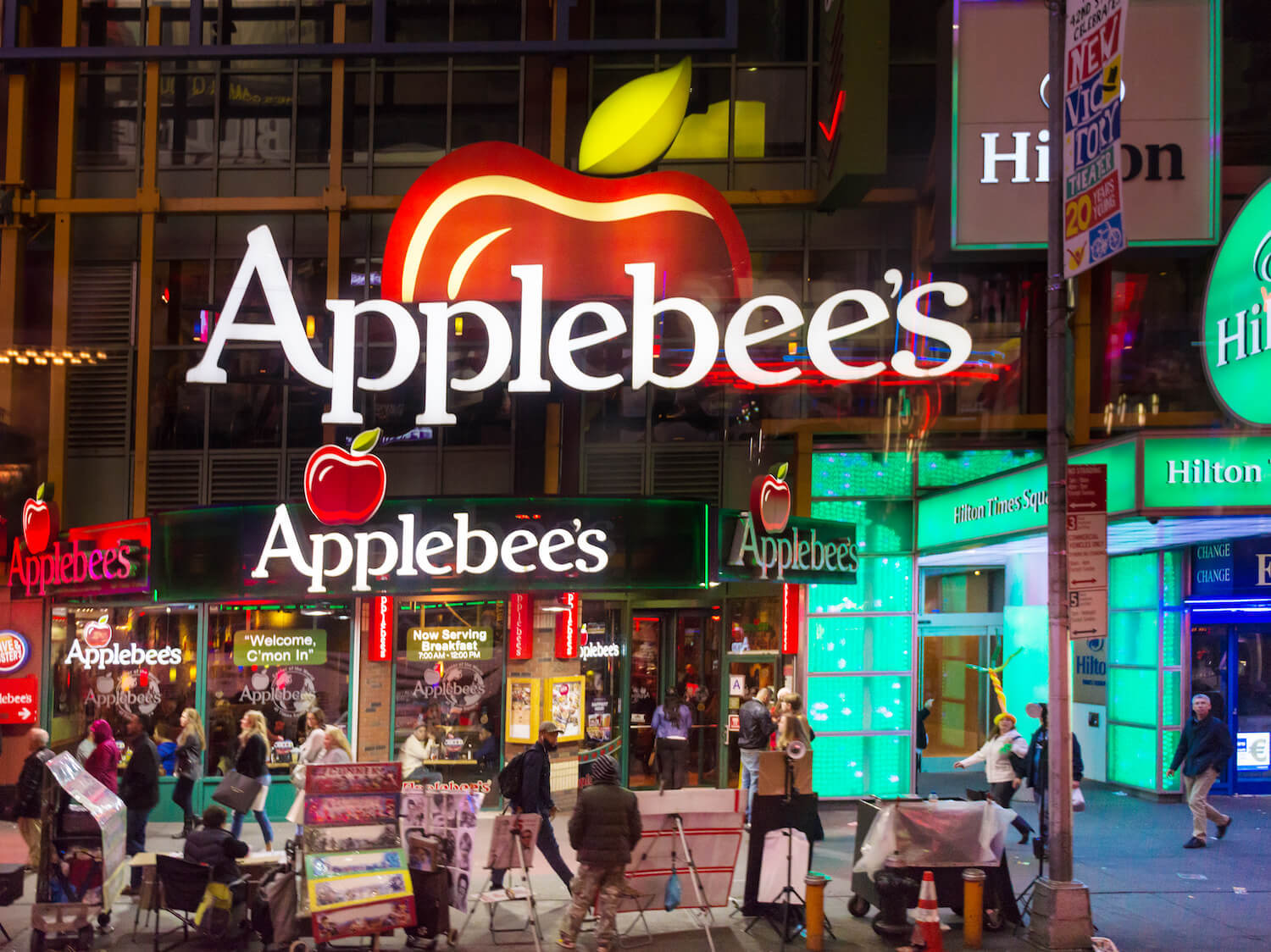
Critics argue that this trend contributes to a "plural nothingness"—a dining experience that is not anchored to any specific location, history, or culture. When a chain’s version of a cuisine (such as Olive Garden’s interpretation of Italian food) becomes the dominant reference point for a community, it can successfully supplant the genuine article. This "sterile algorithm" of dining distorts cultural history and dilutes world cuisine into a standardized, mass-marketable product.
Supporting Data: The Growth of Full-Service Chains (FSRs)
Recent industry statistics underscore the dominance of corporate FSRs:
- Market Growth: The market size of full-service chain restaurants (excluding fast food) is projected to increase by 8.7 percent in 2022, nearly four times the normal annualized growth rate of 2.2 percent.
- Revenue Projections: Total sales for the top 100,000 full-service chain units in the U.S. are expected to exceed $162 billion this year.
- Market Share: According to Technomic’s Top 500 Chain Restaurant report, full-service chains grew their share of the top 500 restaurant rankings from 18 percent in 2020 to 21 percent in 2021.
- Unit Expansion: Companies like Texas Roadhouse and Darden Restaurants are on track to increase their physical footprints by 5-10 percent annually over the next decade.
Broader Impact and Potential Policy Responses
The shift toward a chain-dominated landscape has broader economic consequences for local communities. While independent restaurants typically reinvest a larger portion of their revenue back into the local economy through local sourcing and payroll, corporate chains often siphon profits back to national headquarters and shareholders. This can lead to a "drainage" of wealth from small towns and urban neighborhoods.
Urban planners and community advocates are beginning to call for municipal interventions to protect what remains of the independent sector. Potential solutions include:
- Formula Business Ordinances: Zoning laws that limit the number of "formula" (chain) businesses in specific historic or commercial districts.
- Tax Incentives: Offering property tax breaks or utility subsidies to locally owned, non-franchised businesses.
- Lease Protection: Implementing policies that provide small businesses with more leverage in lease negotiations or protections against predatory corporate buyouts of commercial real estate.
Conclusion: A Dystopian Vision of Dining?
If current trends continue, the American dining experience risks conforming to a corporate vision where regionality and unique cultural history are sacrificed for the sake of quarterly metrics and shareholder returns. The "secret sauce" of the chain restaurant—familiarity and scale—is a powerful tool, but it comes at the cost of the diversity that once made the American table a reflection of its people.
As neighborhoods become virtually indistinguishable from one another, the responsibility falls on both consumers and policymakers. Where capital is spent will ultimately determine whether the future of dining is a vibrant tapestry of independent voices or a standardized, corporate-branded void. Without a concerted effort to support local entrepreneurship, the "neighborhood" in "eating good in the neighborhood" may soon cease to belong to the community at all.
Related posts: