The Gastronomic Legacy of Nasi Lemak Tanglin: A Pillar of Malaysian Culinary Heritage Since 1948

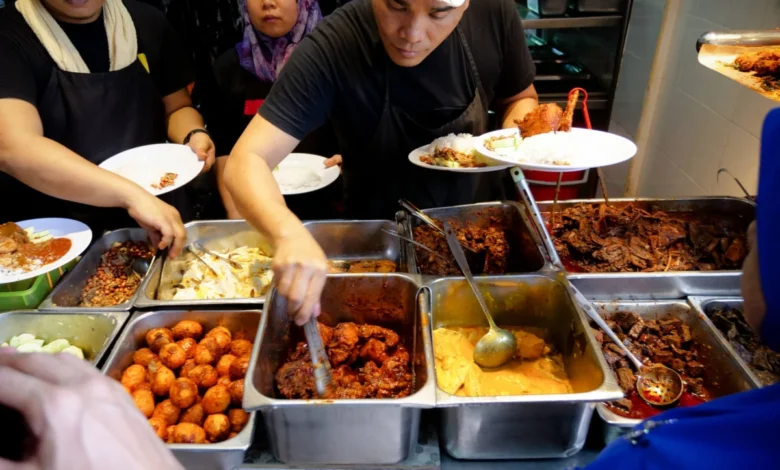
The cultural and culinary landscape of Kuala Lumpur is inextricably linked to the history of Nasi Lemak Tanglin, an establishment that has served as a cornerstone of the Malaysian breakfast tradition for over seven decades. Situated within the Kompleks Makan Tanglin near the city’s historic Lake Gardens, this eatery represents more than a mere food stall; it is a living chronicle of Malaysia’s post-war evolution and its enduring devotion to its national dish. Nasi Lemak, translated literally as "fatty rice" in reference to the richness imparted by coconut milk, is widely regarded as the definitive Malaysian meal. While the dish is ubiquitous across the Malay Peninsula, reaching from Southern Thailand to Singapore, the version produced at Tanglin is frequently cited by culinary historians and local gastronomes as a benchmark for authenticity and consistency.
Founded in 1948 by the late Suryati Jawirunah, Nasi Lemak Tanglin began as a modest wooden shack under a cherry tree. In the decades following the end of World War II and through the transition of Malaya into an independent nation in 1957, the stall became a vital social hub. Today, managed by the second and third generations of the family, the business continues to operate with a level of demand that necessitates early arrival. On a typical morning, particularly during the Friday rush, the parking facilities at Kompleks Makan Tanglin reach capacity well before the peak breakfast hour. The establishment’s reputation is such that it routinely exhausts its daily supply of rice and side dishes by 11:30 AM, despite a production volume designed to serve hundreds of patrons.
The Architectural and Social Framework of the Tanglin Food Court
The current iteration of Nasi Lemak Tanglin is integrated into a modernized food court managed by the Kuala Lumpur City Hall (DBKL). This facility, Kompleks Makan Tanglin, serves as a centralized hub for various traditional Malay breakfast and lunch offerings. However, the Tanglin stall remains the primary anchor of the complex. The environment is characterized by a blend of efficient service and a relaxed, communal atmosphere. A notable feature of the lunchtime experience is the presence of live musical performances, often featuring "Pop Yeh Yeh," a localized genre of psychedelic rock and pop that flourished in Malaysia and Singapore during the 1960s. This cultural backdrop provides a sensory link to the mid-century era in which the stall rose to prominence.
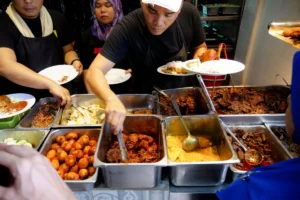
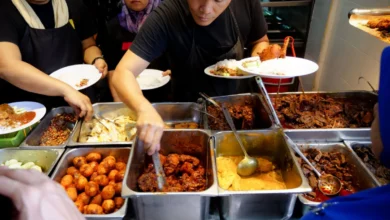
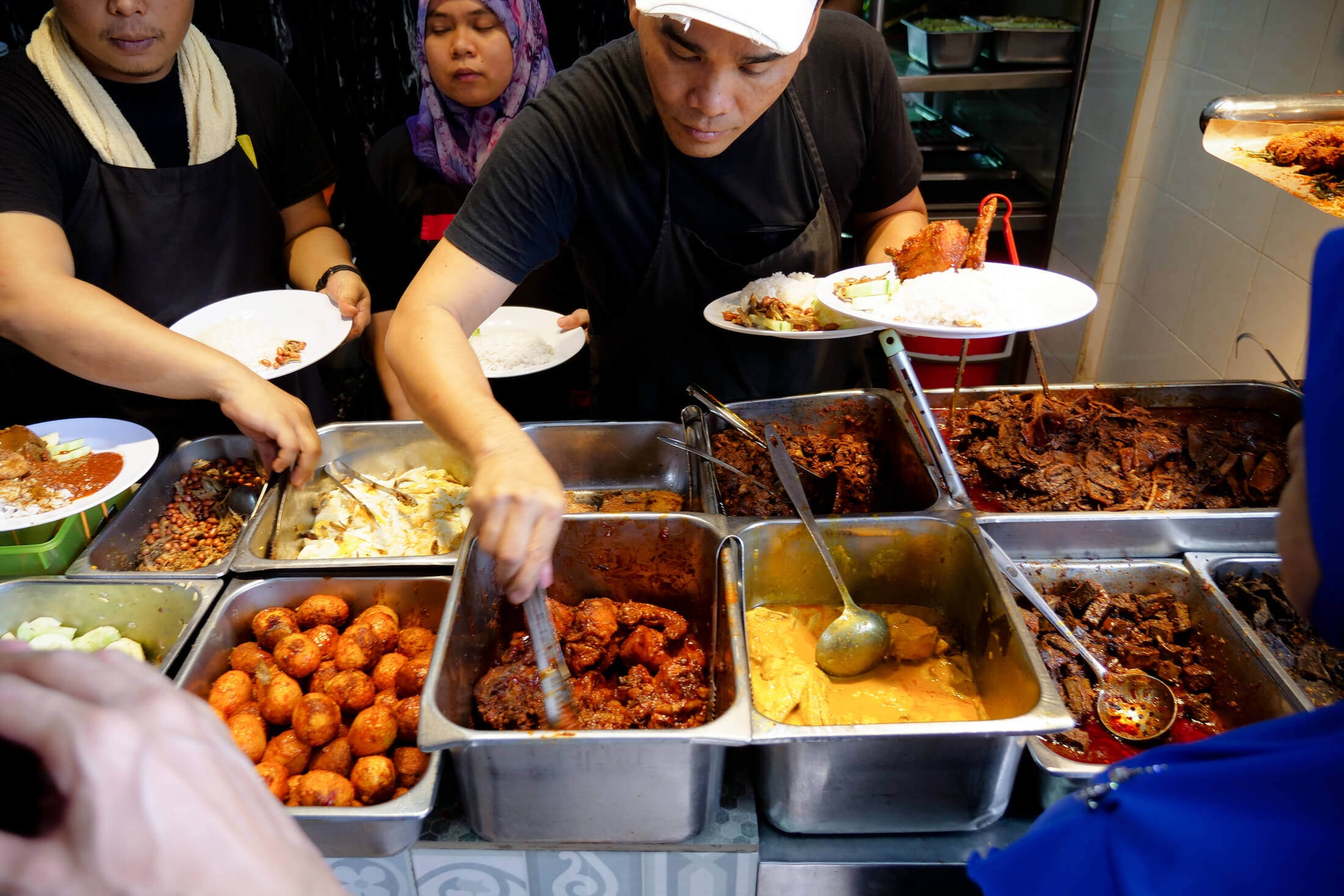
From a logistical perspective, the operation at Tanglin is a study in high-volume efficiency. The queue for service is a permanent fixture of the morning hours, yet the staff maintains a rapid pace of assembly. The transition from traditional banana leaf packaging to reusable plates reflects broader shifts in Malaysian urban management. While the banana leaf remains a nostalgic symbol of Nasi Lemak, the use of porcelain and melamine in high-traffic areas like Kompleks Makan Tanglin aligns with municipal efforts to manage waste and adhere to hygiene standards. Furthermore, the reduction in single-use materials supports Malaysia’s national roadmap toward zero single-use plastics, a policy framework aimed at mitigating the environmental impact of the country’s vast street food industry.
Technical Analysis of the Nasi Lemak Flavor Profile
The enduring appeal of Nasi Lemak Tanglin is rooted in the technical precision of its components. Nasi Lemak is defined by four essential elements: the rice, the sambal, the garnishes, and the protein accompaniments. At Tanglin, the rice is steamed with a specific ratio of coconut milk (santan) and water, infused with pandan leaves and ginger to produce a fragrance that is both subtle and pervasive. The texture of the grain is critical; it must be sufficiently moist to carry the richness of the coconut but individual enough to absorb the accompanying gravies without becoming a homogenous mass.

The sambal at Tanglin is often described as the "soul" of the dish. Unlike the more aggressive, chili-forward sambals found in other regions, Tanglin’s version is a sambal tumis that leans toward a darker, more caramelized profile. The preparation involves a lengthy "pecah minyak" process, where the chili paste is sautéed until the oil separates, indicating that the aromatics—including shallots, garlic, and shrimp paste (belacan)—have been thoroughly cooked. This results in a sauce that balances heat with a deep umami undertone and a slight sweetness from tamarind and palm sugar.
The standard plate is rounded out by the traditional quartet of crunchy fried anchovies (ikan bilis), roasted peanuts, fresh cucumber slices, and a hard-boiled or fried egg. These components provide the necessary textural contrast to the soft rice and the viscous sambal.
Diversification of Toppings and the Signature Spleen Curry
While the base of Nasi Lemak is standardized, the reputation of a specific vendor is often built upon the quality of their "lauk" or side dishes. Nasi Lemak Tanglin offers an extensive array of curries and proteins that allow for a customized dining experience. Among the most sought-after items is the Sambal Kerang (cockles) and the Beef Rendang, the latter being a slow-cooked dry curry known for its complex spice paste and tender meat.

However, the most distinctive offering at Tanglin is arguably the Sambal Paru (fried lung) and the beef spleen (limpa). The spleen, in particular, is noted for its rich, creamy texture and its ability to absorb the flavors of the dark curry sauce in which it is simmered. For many long-term patrons, the inclusion of spleen or "kolong" (intestines) is considered an essential part of the Tanglin experience. This preference for offal reflects traditional Malay culinary practices, which emphasize the "nose-to-tail" utilization of livestock, ensuring that no part of the animal is wasted while providing a high-density source of nutrients and flavor.
Economic Implications and Market Position
In the context of Kuala Lumpur’s rapidly inflating food and beverage sector, Nasi Lemak Tanglin maintains a price point that remains accessible to a broad demographic. A basic plate of Nasi Lemak starts at approximately 2 RM (roughly 0.45 USD), with additional protein items ranging from 1 to 5 RM. A full meal for a group of four, including various premium toppings and beverages, typically totals around 35 RM (approximately 8.50 USD). This pricing strategy ensures that the establishment remains a viable option for daily commuters, students, and low-income workers, even as it attracts high-net-worth food tourists and international visitors.
The economic model of Tanglin is predicated on high volume and rapid turnover. By selling out daily by mid-morning, the business minimizes food waste and ensures that all ingredients served are fresh. This "sell-out" culture also creates a psychological sense of scarcity and exclusivity, which further drives consumer demand. The success of Tanglin has served as a blueprint for other hawker entrepreneurs in Malaysia, demonstrating that a focus on a single, perfected product can sustain a multi-generational business even in a highly competitive urban market.

Environmental and Policy Context
The operation of Nasi Lemak Tanglin does not exist in a vacuum; it is subject to the evolving regulatory environment of the Federal Territory of Kuala Lumpur. In recent years, DBKL has intensified efforts to modernize hawker centers to improve food safety and environmental sustainability. The move toward permanent structures with integrated plumbing and waste management, such as the Tanglin complex, is a response to the challenges posed by unregulated roadside stalls.
The shift away from banana leaves, as noted by observers, also carries environmental implications. While banana leaves are biodegradable, the sheer scale of Nasi Lemak consumption in Malaysia—estimated at millions of servings per day—puts significant pressure on agricultural resources. In some regions, the over-harvesting of wild banana leaves has led to concerns regarding the health of forest ecosystems. By utilizing reusable plates and cutlery, Tanglin participates in a more sustainable urban dining model, though it necessitates a robust dishwashing and sanitization infrastructure to meet health department codes.
Broader Cultural Impact and Global Recognition
Nasi Lemak Tanglin’s influence extends beyond the borders of Kuala Lumpur. As Malaysia seeks to promote its culinary heritage on the global stage, establishments like Tanglin are frequently highlighted in tourism campaigns and international food documentaries. The dish itself is currently being considered for nomination to the UNESCO Representative List of the Intangible Cultural Heritage of Humanity, a move spearheaded by the Malaysian Ministry of Tourism, Arts, and Culture.

The role of Nasi Lemak as a "unifier" in Malaysian society cannot be overstated. In a nation characterized by its multi-ethnic population of Malays, Chinese, and Indians, Nasi Lemak is one of the few dishes that is universally embraced. At the communal tables of Tanglin, one observes a cross-section of Malaysian society—corporate executives in suits, construction workers in high-visibility vests, and families from various backgrounds—all sharing the same fundamental meal. This social cohesion, facilitated by a shared culinary language, is a critical component of Malaysia’s national identity.
Conclusion
Nasi Lemak Tanglin stands as a testament to the power of culinary consistency and the deep-seated cultural value of traditional foodways. From its humble beginnings in 1948 to its current status as a landmark of the Kuala Lumpur food scene, the establishment has navigated decades of change while remaining true to the foundational flavors of the Malaysian palate. Through its meticulous preparation of "fat rice," its signature offal curries, and its adherence to an accessible economic model, Tanglin continues to define the standard for what a national dish should be. As Kuala Lumpur continues to grow into a global megacity, the persistence of Tanglin offers a necessary link to the past and a flavorful reminder of the simplicity and richness of Malaysian heritage. For any visitor or resident of the capital, a meal at Nasi Lemak Tanglin is not merely a breakfast; it is an immersion into the history and heart of Malaysia.
Related posts: