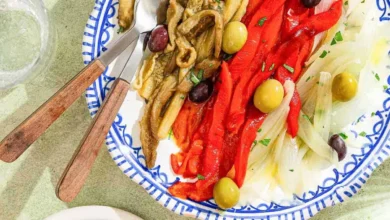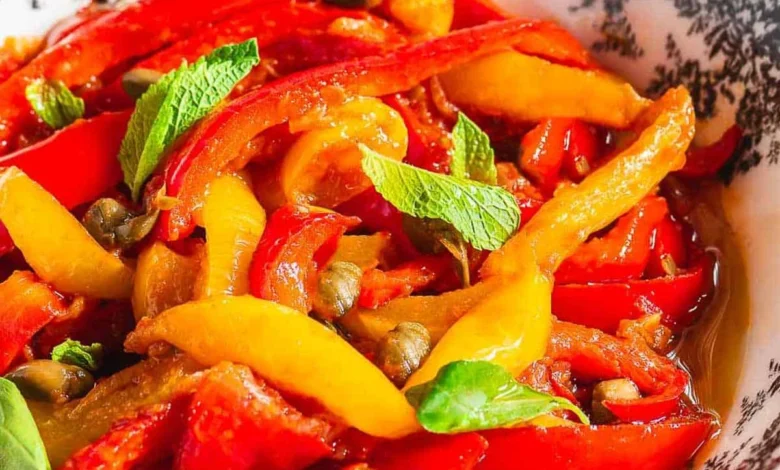
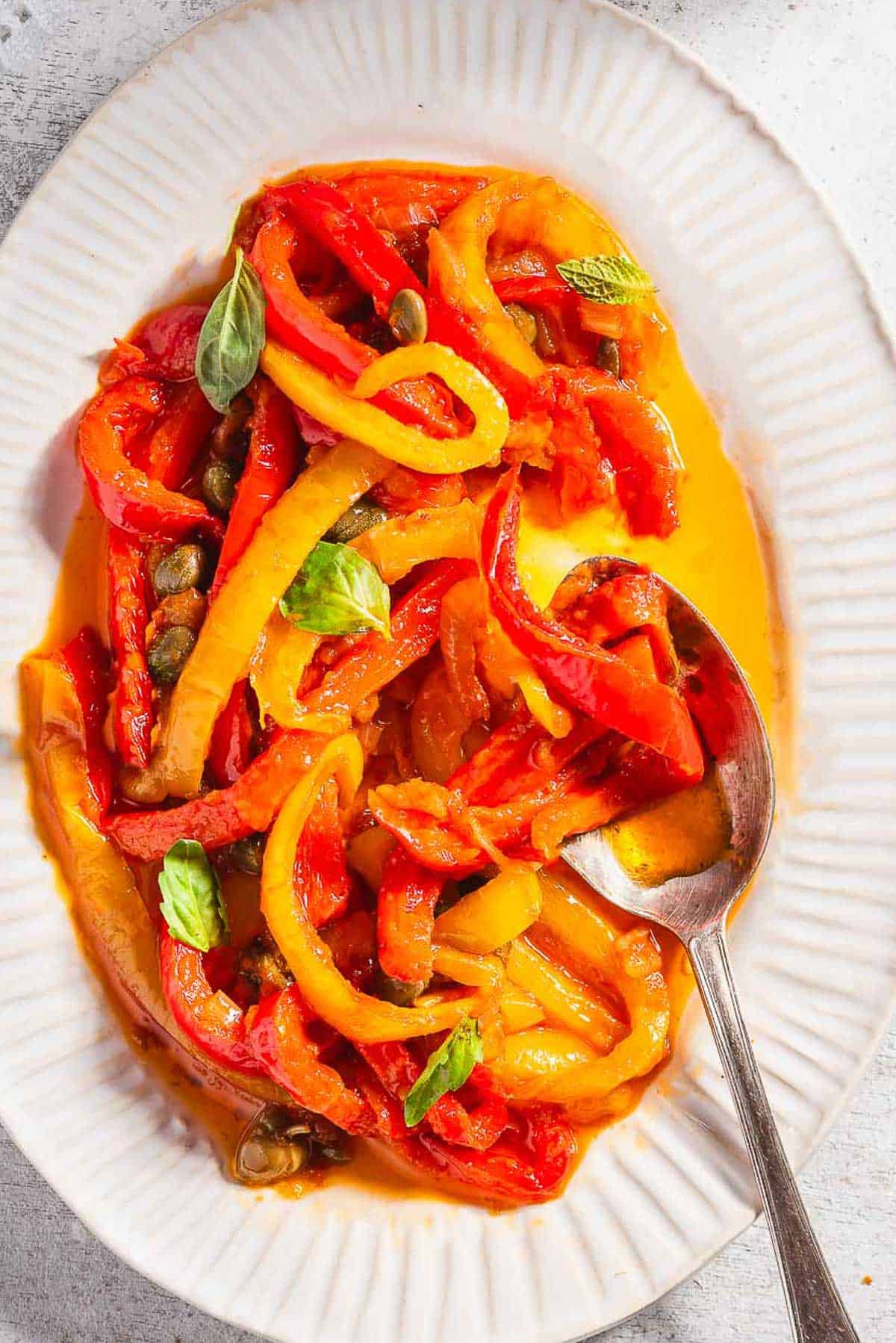
Peperonata, a vibrant and versatile Italian dish, offers a delightful symphony of flavors and textures, transforming simple peppers, onions, and tomatoes into a culinary masterpiece. This silky stew, rich with assertive Italian notes, is remarkably quick to prepare, typically coming together in about 30 minutes. Its adaptability makes it an ideal accompaniment to a wide range of main courses, from an elegant roasted centerpiece to a humble yet satisfying frittata. For an even more substantial meal, it can be effortlessly tossed with pasta, creating a complete and flavorful dinner.
The heart of peperonata lies in its peppers, which, despite being a New World import, have become intrinsically linked with Italian cuisine, particularly in the southern regions of Calabria, Puglia, and Abruzzo. These sun-drenched areas, where the author’s family roots are firmly planted, have a long-standing culinary tradition that prominently features peppers. The evocative aroma of peppers, often detected wafting from trattorias during lunchtime, is a sensory hallmark of these regions. This recipe adheres to a traditional approach, with the optional yet highly recommended addition of fennel to enhance sweetness and introduce an additional layer of texture.
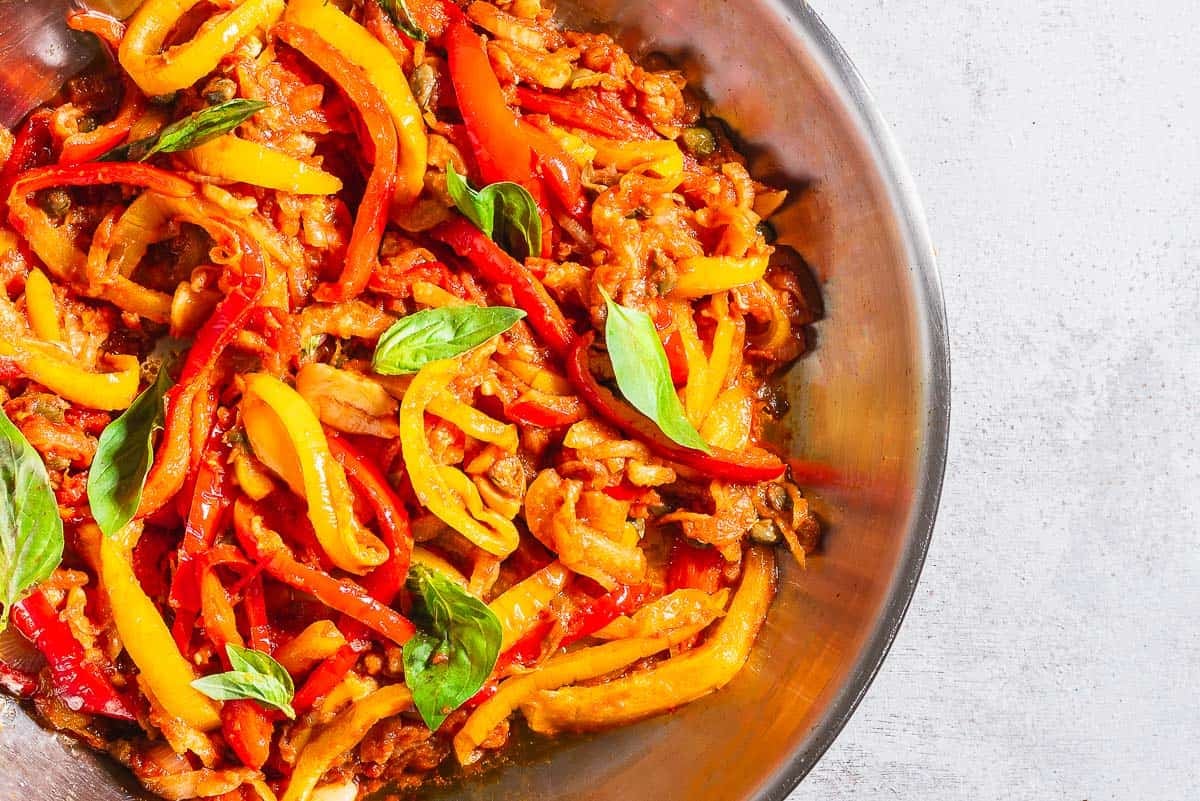
The true brilliance of peperonata lies in its remarkable versatility. It serves as an exquisite topping for bruschetta, a flavorful addition to pasta dishes, or a perfect partner to roasted meats, grilled fish, or steak. Its culinary applications extend to being a delightful pizza topping or a flavorful stir-in for scrambled eggs, showcasing its broad appeal and adaptability. Furthermore, peperonata’s ability to store well in the refrigerator, with its flavors deepening and evolving over time, makes it an excellent candidate for meal preparation, a fact that can significantly ease weeknight cooking.
The Essential Components of Peperonata
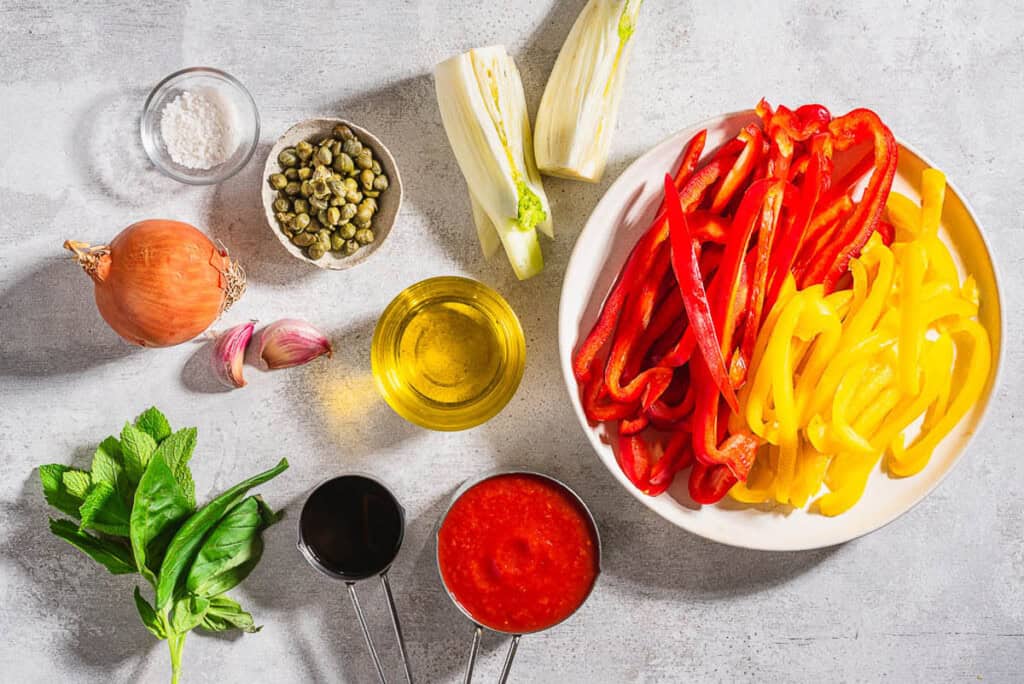
While sweet peppers are undeniably the star of this culinary performance, a supporting cast of essential ingredients contributes to the dish’s overall depth and character. A well-executed peperonata recipe relies on a harmonious blend of:
- Sweet Peppers: The foundational element, providing color, sweetness, and a tender texture when stewed.
- Onions: Contributing a subtle sweetness and savory base as they soften and caramelize.
- Tomatoes: Typically in the form of crushed tomatoes or tomato sauce, they add moisture, acidity, and a rich umami depth.
- Garlic: Infusing the dish with its characteristic pungent aroma and flavor.
- Olive Oil: The essential cooking medium, lending its characteristic Mediterranean richness and facilitating the melding of flavors. High-quality extra virgin olive oil is often preferred for its superior taste.
- Fennel (Optional): An optional but highly recommended addition that introduces a delicate anise-like sweetness and a pleasing textural contrast.
- Capers: Providing small bursts of briny, salty flavor that cut through the sweetness of the other ingredients.
- Balsamic Vinegar: A touch of balsamic vinegar at the end adds a subtle tang and complexity, balancing the dish’s sweetness.
- Fresh Herbs: Basil and mint are often used to add a final layer of freshness and aromatic complexity.
Crafting the Perfect Peperonata: A Step-by-Step Guide
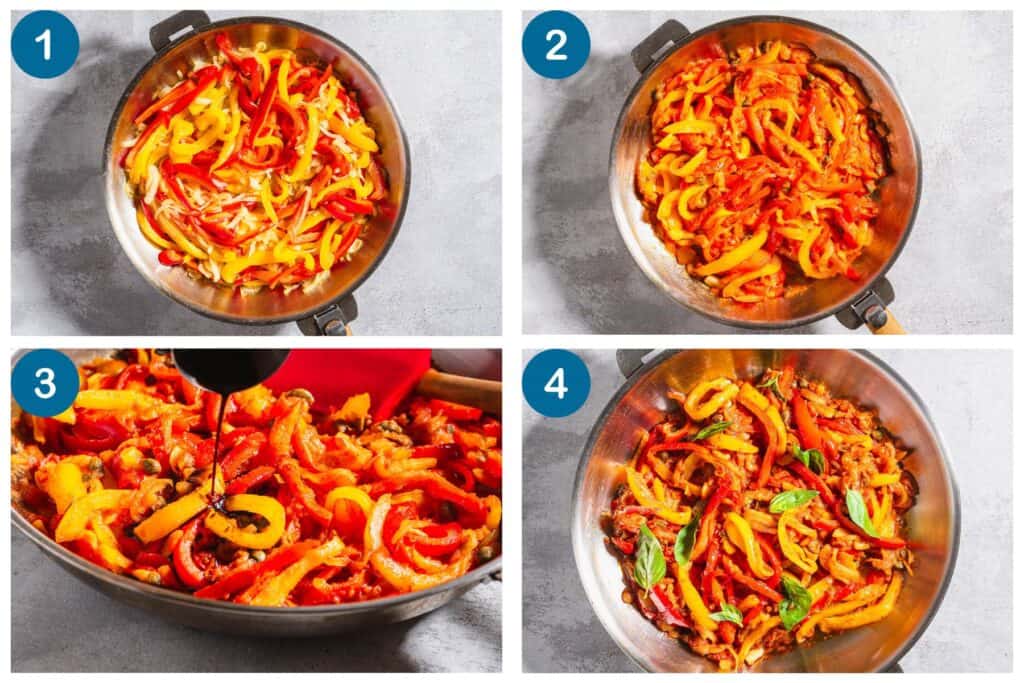
The creation of a truly exceptional peperonata is a testament to the beauty of slow, gentle cooking, allowing the natural sweetness of the vegetables to emerge. The process, which typically spans around 30 minutes, is straightforward and rewarding.
1. Preparing and Softening the Vegetables:
The initial stage involves preparing the vegetables. This includes thinly slicing the onions and peppers, and mincing the garlic. The key is to allow these ingredients to soften and meld over a moderate heat in olive oil. This slow sautéing process is crucial for developing their inherent sweetness and achieving the desired tender texture.
2. Introducing the Tomato Element and Briny Accents:
Once the vegetables have softened, crushed tomatoes or tomato sauce are added to the pot. This liquid component allows the vegetables to simmer and stew, creating the characteristic silky consistency of peperonata. At this stage, capers are also introduced, their salty brine beginning to infuse the stew.
3. The Finishing Touch of Acidity:
A crucial step in achieving the perfect balance of flavors is the addition of balsamic vinegar. A moderate amount is typically stirred in towards the end of the cooking process, providing a subtle tang that elevates the sweetness and savory notes of the peperonata.
4. Resting and Serving:
After the final additions, the peperonata is often allowed to rest for a few minutes, allowing the flavors to fully integrate. It can then be served warm, at room temperature, or even chilled, depending on the desired application.
The Art of Make-Ahead: Peperonata’s Storage Potential
Peperonata shines not only in its immediate deliciousness but also in its remarkable capacity for being prepared in advance. This characteristic makes it an invaluable asset for busy home cooks seeking to streamline their meal preparation. The flavors in peperonata are known to deepen and become more complex as it sits, meaning that a batch made today will likely be even more delightful tomorrow.
To store, ensure the peperonata is kept in an airtight container. When refrigerated, it can maintain its quality and flavor for up to five days. This makes it an ideal component for weekly meal planning, allowing for quick and easy additions to various dishes throughout the week.
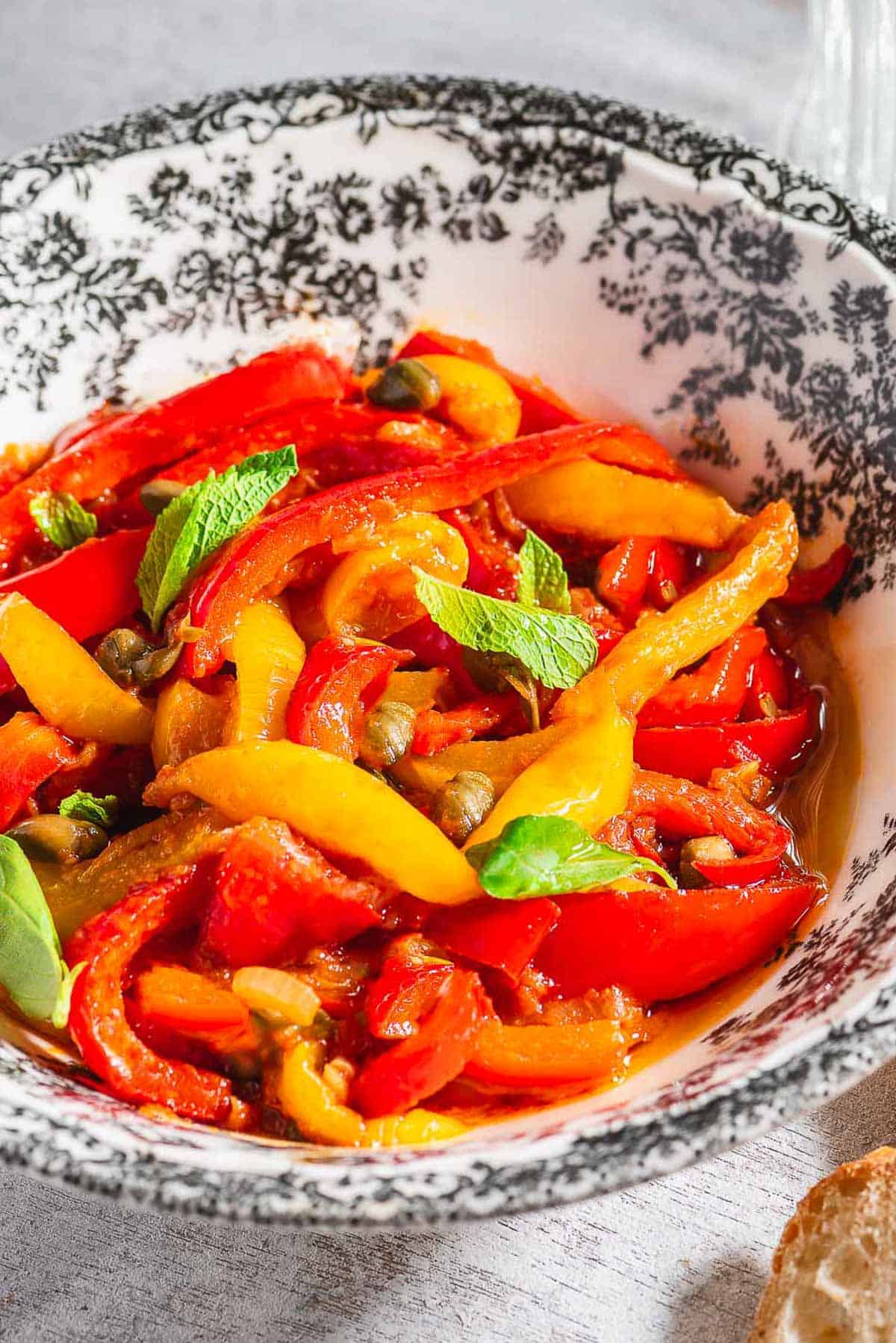
Culinary Applications: Versatile Pairings for Peperonata
The sheer adaptability of peperonata means that its culinary applications are almost limitless, constrained only by one’s imagination. Some of the most popular and recommended ways to enjoy this dish include:
- As a side dish: Its robust flavor profile makes it an excellent accompaniment to a wide array of main courses. It pairs particularly well with roasted meats, such as lamb or pork, and is a delightful partner to grilled or pan-seared fish and steak.
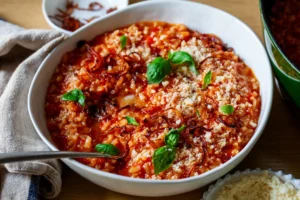
- With pasta: Tossed with cooked pasta, peperonata transforms into a satisfying and flavorful vegetarian main course. It can be served simply or enhanced with additional ingredients like cheese or fresh herbs.
- On bruschetta: Spread generously over toasted slices of crusty bread, peperonata offers a vibrant and flavorful appetizer or light meal.
- As a topping: It can be used as a topping for pizzas, adding a burst of Mediterranean flavor.
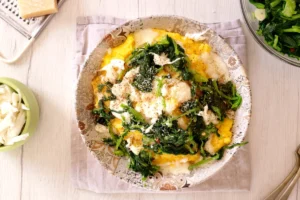
- With eggs: Stirring peperonata into scrambled eggs or serving it alongside omelets adds a sophisticated touch and a delightful flavor dimension to breakfast or brunch.
- With grains: It can be served as a flavorful side dish alongside rice, quinoa, or couscous.
Nutritional Insights
Peperonata, when prepared with standard ingredients, offers a nutrient-dense profile. A typical serving (approximately 150 grams) contains around 150 calories, with a modest 16.3 grams of carbohydrates, 2.8 grams of protein, and 9.7 grams of fat. Its significant fiber content, at 5.4 grams per serving, contributes to digestive health. The dish is also a good source of vitamins and minerals, notably high in Vitamin A (over 5000 IU) and Vitamin C (over 200 mg), with smaller but valuable amounts of potassium, calcium, and iron. The fat content is largely composed of monounsaturated fats, particularly from the olive oil, which are considered beneficial for heart health.
A Legacy of Italian Culinary Tradition
The enduring popularity of peperonata speaks to its deep roots in Italian home cooking. Recipes for this dish have been passed down through generations, each family often adding its own subtle variations and personal touches. The author’s connection to this dish, stemming from her family’s origins in southern Italy, highlights the cultural significance of such traditional recipes. These dishes not only provide sustenance but also serve as a tangible link to heritage and familial history. The practice of teaching these recipes, whether in person or through culinary literature and online platforms, ensures that these culinary traditions continue to thrive.
The preparation of peperonata, as described in this traditional yet accessible recipe, invites cooks to explore the rich tapestry of Italian cuisine. Its simplicity, coupled with its profound depth of flavor and remarkable versatility, cements its status as a beloved dish, capable of gracing both humble weeknight meals and more elaborate culinary gatherings.