Bar director Sean Teague talks operating in a control state, pecan rum and the best bourbon I’ve ever had.

For the modern mixologist, the ability to curate a backbar is often considered a fundamental creative right. However, for bartenders operating within the 17 U.S. states that utilize an Alcohol Beverage Control (ABC) system, the creative process is frequently dictated by government regulation rather than pure culinary vision. In North Carolina, a state where the government maintains a monopoly on the distribution and sale of spirituous liquor, bar directors like Sean Teague must navigate a labyrinth of bureaucratic hurdles, limited supply chains, and restrictive procurement policies.
Teague, the bar director at Huckleberry in Charlotte and a recognized talent in the industry, has turned this logistical challenge into a defining characteristic of his establishment. By operating within the confines of a control state, Teague is forced to balance the technical precision of modern cocktail science—honed during his time under industry innovator Dave Arnold—with a local-first procurement strategy that prioritizes regional producers who can navigate the state’s cumbersome distribution channels.

The Reality of Control State Logistics
In a control state, the government functions as the wholesaler and often the retailer for distilled spirits. This structure, which dates back to the post-Prohibition era, was designed to centralize control and generate tax revenue. However, for a high-end bar program, the implications are severe. Producers often face significant delays in securing space on state-run shelves, and individual bars are frequently prohibited from ordering spirits that are not already listed in the state’s approved catalog.
For Teague, this means the absence of many globally recognized, premium tequilas, rums, and artisanal amaros. The procurement process for products that fall outside the standard catalog requires a "special order" request, a process that can take weeks or months and requires coordination with local ABC boards. This administrative friction creates a "bottleneck" effect, where the availability of ingredients is determined by the speed of bureaucratic approval rather than market demand or seasonal trends.
"It is a very big pain in my side to have to restrict what spirits I’m able to get," Teague explains. "There are lots of really cool tequilas, rums, and amaro I can’t get. It’s frustrating, but it also gives me the opportunity to fill the menu with other things, like readily available local products."

A Curated Selection: Five Bottles Defining Huckleberry
Despite the constraints, Teague has developed a menu that leans heavily into the identity of North Carolina’s burgeoning craft distilling scene. By substituting hard-to-source international labels with hyper-local products, he has created a narrative-driven menu that highlights the terroir of the Appalachian region and the state’s agricultural output.
Eda Rhyne Bitter Tooth
Produced in Asheville, Eda Rhyne has become a staple for regional bartenders. The Bitter Tooth liqueur is a complex botanical blend featuring sarsaparilla, hibiscus, and dried bitter orange peel. Teague notes that its flavor profile occupies the space between the ubiquitous Campari and Aperol, though it carries a distinct, spice-forward character that mirrors the bitter, earthy qualities of traditional rabarbaro. Because it is a special-order item in North Carolina, its presence at Huckleberry is fleeting, highlighting the volatility of inventory in a control state.
Cooks Mill Bourbon
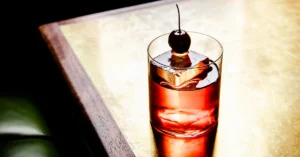
Teague’s assessment of Cooks Mill Bourbon is notably high, describing it as the premier expression of the spirit he has encountered. The bourbon, derived from North Carolina-grown corn and rye, offers a sensory profile marked by notes of crisp apple and toasted grain. By utilizing this spirit as the backbone for the bar’s house Old-Fashioned—sweetened with piloncillo syrup—Teague demonstrates how local products can be elevated to compete with major-market labels.

1000 Piers Blueberry Gin
Innovation in the cocktail space often involves complex infusion techniques, such as the justino method—a process of clarifying fruit purees into spirits. However, Teague acknowledges the value of high-quality, pre-infused products that save time and support local industry. 1000 Piers Blueberry Gin offers a profile that retains the "heat" of a traditional gin while providing the acidity and fruit-forward notes necessary for modern cocktails like the Last Word or a customized Americano.
Rockwell Amber Vermouth
The complexity of vermouth is often overlooked, but Rockwell’s amber iteration, aged for 18 months, provides a bridge between sweet and dry profiles. Its inclusion of blue agave nectar, grapefruit, and yerba buena allows it to serve as a foundational element for both light, effervescent drinks and more complex, savory cocktails like a coffee-and-olive-oil-washed White Negroni.
Kill Devil Pecan Rum
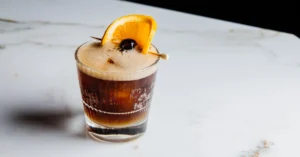
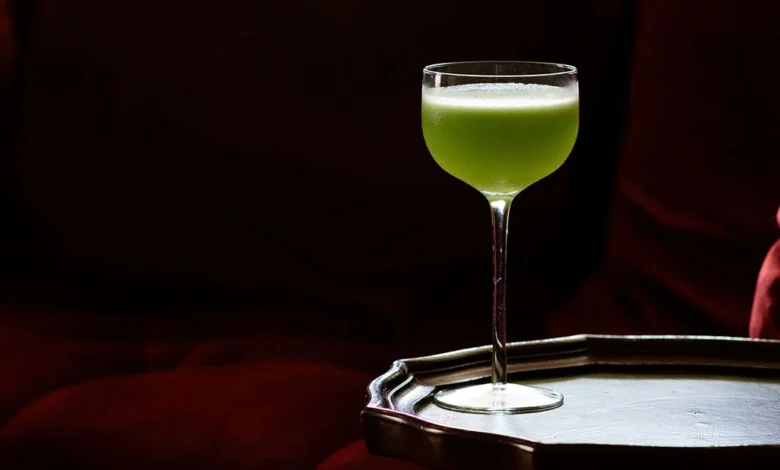
The Puh-Kahn Amaro Daiquiri at Huckleberry serves as a showcase for Kill Devil’s Pecan Rum. Sourced from the eastern regions of the state and sweetened with local wildflower honey, the spirit embodies the "funky" qualities of traditional rum while offering the distinct, nutty profile of North Carolina pecans. This spirit represents the intersection of agricultural heritage and modern distillation, serving as a versatile component in both digestifs and highballs.

Chronology of Control State Evolution
The history of liquor control in the United States is marked by a steady, if slow, transition. While the repeal of the 21st Amendment in 1933 ended federal prohibition, it granted states the authority to decide how alcohol would be distributed within their borders. Today, 17 states—including North Carolina, Virginia, Pennsylvania, and Ohio—retain control-state status.
In recent years, however, there has been a push to modernize these systems. Data from the Distilled Spirits Council of the United States (DISCUS) indicates that consumer demand for craft spirits and a broader variety of labels is putting pressure on ABC boards to streamline their catalog approval processes. For establishments like Huckleberry, the ongoing legislative discussions regarding "privatization" or "modernization" are not merely political debates; they are central to the future viability of their business models.
Broader Impact and Industry Implications
The constraints faced by Teague are representative of a larger, systemic tension within the American hospitality industry. As the craft cocktail movement continues to prioritize transparency, local sourcing, and hyper-specific flavor profiles, the static nature of control-state regulations creates a widening gap between what bartenders want to create and what they are permitted to purchase.

The implications for small-scale, out-of-state producers are equally significant. For a craft distillery in a non-control state looking to expand, the administrative burden of entering a market like North Carolina—which requires specific labeling, price filing, and often the navigation of three-tier systems—is often prohibitively expensive. This creates a "protected" environment for local producers, which can be both a benefit for regional economies and a detriment to the variety of consumer choice.
For the patron, the impact is a shift in the cocktail experience. Menus in control states are increasingly becoming "local-first" not just for ideological reasons, but for logistical ones. This has led to an uptick in the quality of regional spirits, as producers recognize that they are the primary source for local bars.
As Teague continues to build the program at Huckleberry, his methodology remains a blueprint for success under duress. By embracing the limitations of the North Carolina ABC system, he has successfully tethered his menu to the identity of the region, proving that creativity is not just about access to the rarest global spirits, but about the ability to maximize the potential of what is available. Whether this balance of regulatory adherence and culinary innovation can be sustained depends on the evolution of state policy—but for now, Teague’s work serves as a testament to the resilience of the modern bartender.