Cantonese Steamed Fish: A Culinary Masterpiece of Purity and Balance

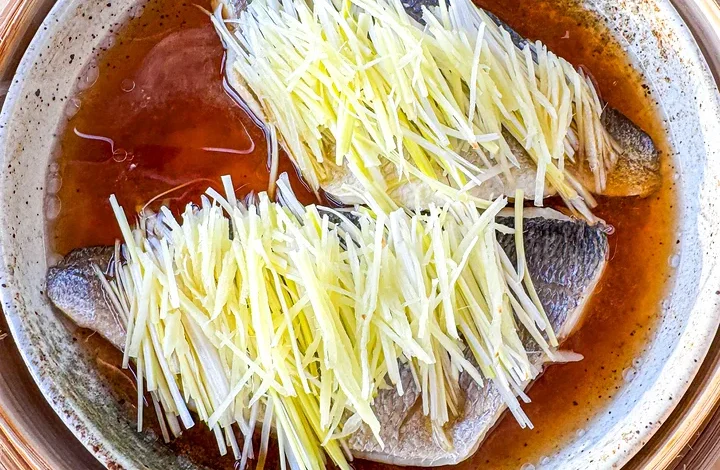
Cantonese Steamed Fish stands as a profound testament to the culinary philosophy of traditional Chinese cooking, where simplicity and the inherent quality of ingredients take center stage. This revered dish eschews heavy seasonings and complex marinades, instead embracing the gentle art of steaming to coax out the natural sweetness and delicate texture of the fish. It is a dish that embodies the core tenets of Cantonese cuisine: a harmonious interplay of aroma, texture, and a sophisticated restraint that allows the primary ingredient to truly shine.
Historically, Cantonese Steamed Fish has been a dish reserved for significant moments within Chinese households, gracing tables during festive celebrations, family reunions, and other special occasions. Its elegant presentation, often featuring a whole, glistening fish, belies its surprising simplicity of preparation. With a focused approach and precise timing, home cooks can achieve results that rival those of renowned restaurants. The recipe typically centers on the technique of steaming a whole fish, though it is readily adaptable for fillets, offering flexibility for different preferences and cooking times. The classic pairing of fresh ginger and scallions is not merely for flavor; it acts as a fragrant counterpoint, enhancing the fish’s natural essence without overpowering it. For those seeking to understand the authentic method of steaming fish in the Chinese style, this approach offers the most direct and traditional starting point.
The Essence of Cantonese Steamed Fish
At its heart, Cantonese Steamed Fish is a celebration of purity and precision. It is a traditional Chinese steamed fish preparation that prioritizes minimal intervention to highlight the fish’s intrinsic qualities. Unlike dishes that rely on rich sauces or intense spices, authentic Cantonese steamed fish utilizes light seasonings and the intense, yet gentle, heat of steam to cook the fish to a perfect, tender consistency.
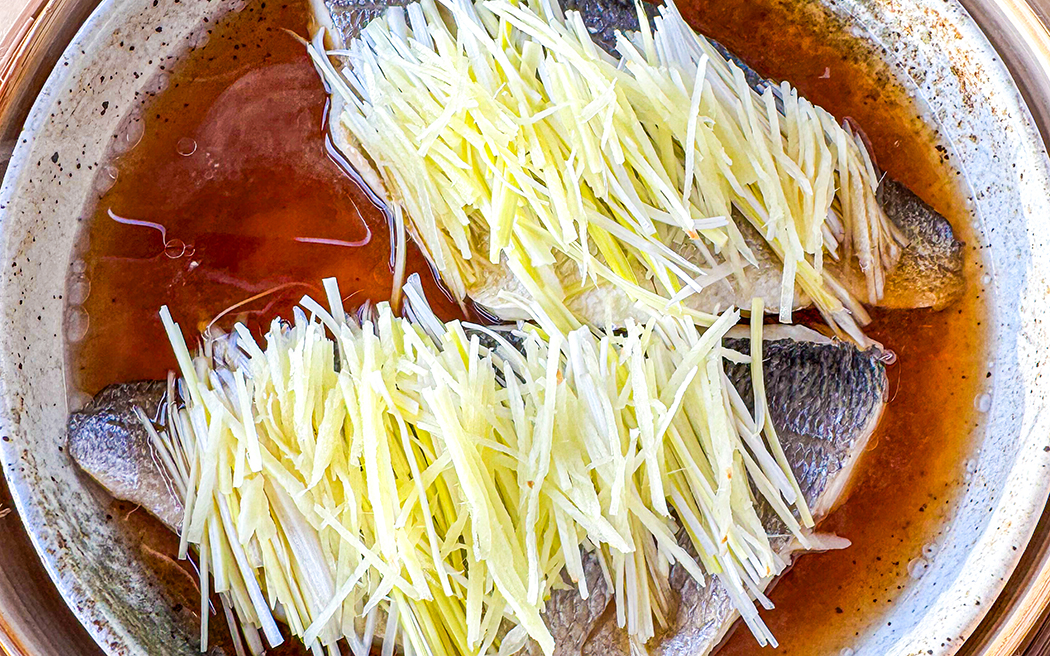
The traditional preparation often involves steaming the fish whole, a practice that ensures even cooking and preserves the integrity of the flesh. The indispensable aromatics of ginger and scallions play a crucial role, not just in flavoring but in creating an aromatic bouquet that is released during the steaming process. A signature final flourish, the pouring of hot oil over the ginger and scallions—known in Cantonese as dip yau (éraquo;žæ²¹)—is a culinary theater that instantly awakens their fragrance. This final step imbues the dish with a clean, deeply aromatic, and profoundly comforting profile, making it a staple in Cantonese culinary traditions.

Key Ingredients for Authenticity
The beauty of Cantonese Steamed Fish lies in its concise list of high-quality ingredients, each playing a vital role in the final symphony of flavors. The focus is on freshness and balance, ensuring that the delicate taste of the fish remains the undisputed star.
For the Fish:
The selection of the fish is paramount. Whole, fresh, white-fleshed fish are ideal, with popular choices including sea bream, snapper, barramundi, or even flounder. The key is to select a fish that is firm to the touch, with clear eyes and bright gills, indicating peak freshness. A whole fish, cleaned and scaled, is preferred for its even cooking and presentation.

For the Aromatics and Seasoning:
- Fresh Ginger: Thinly julienned ginger is essential for its pungent warmth and its ability to cut through any potential fishiness.
- Scallions (Green Onions): These are typically cut into long sections or julienned to release their mild oniony flavor and fresh aroma.
- Soy Sauce: A light, high-quality soy sauce forms the base of the savory element. Its salinity balances the sweetness of the fish.
- Sesame Oil: A drizzle of toasted sesame oil adds a nutty depth and a subtle, intoxicating aroma.
- Cooking Oil: A neutral oil with a high smoke point, such as vegetable oil or canola oil, is used for the final hot oil pour.
This carefully curated combination of ingredients creates a foundational flavor profile for steamed fish with ginger and scallions, staying true to the time-honored Cantonese style.
The Art of Preparation: A Step-by-Step Guide

Mastering Cantonese Steamed Fish is an accessible culinary journey, achievable with careful attention to each stage of the process. The method emphasizes precision and timing to achieve optimal results.
-
Preparing the Fish for Steaming:
Begin by ensuring the fish is impeccably clean. This involves removing scales, fins, and internal organs. If using a whole fish, it’s often beneficial to make shallow, diagonal scores on the skin side of the flesh. These incisions help the heat penetrate more evenly, ensuring the fish cooks through without becoming dry. For fillets, scoring is generally unnecessary unless the pieces are particularly thick. The goal is to prepare the fish so it cooks uniformly and remains moist. -
Prepping the Aromatic Foundation:
While the fish is being prepared, the aromatics are meticulously readied. Ginger is typically finely julienned, creating delicate threads that will release their essence during steaming. Scallions are also cut into long strips or julienned to maximize their surface area for flavor infusion. Simultaneously, it is crucial to bring the water in your steamer to a rolling boil. A vigorous boil ensures that the steaming process begins immediately upon placing the fish, a critical factor for achieving the desired texture.
-
Crafting the Flavorful Sauce:
The sauce for Cantonese Steamed Fish is intentionally light, designed to complement rather than dominate the fish. In a small saucepan, combine the soy sauce and a touch of sesame oil. Gently bring this mixture to a boil, then immediately remove it from the heat. Allowing the sauce to cool slightly before pouring it over the fish is an important step. This prevents the hot sauce from "cooking" the fish prematurely, which could lead to a less desirable texture. This tempered sauce provides a subtle savory depth and umami that enhances the overall dish. -
The Gentle Art of Steaming:
Arrange the prepared fish on a heatproof, steamer-safe plate. This plate should be large enough to comfortably accommodate the fish without overcrowding. Carefully pour the slightly cooled sauce evenly over the fish. Then, place the plate into the preheated steamer. Steam over high heat for approximately 5 to 6 minutes, depending on the size and thickness of the fish. The key is to steam until the fish is just cooked through – the flesh should be opaque and flake easily with a fork. Over-steaming will result in dry, tough fish. -
The Dramatic and Aromatic Hot Oil Finish (Dip Yau):
While the fish is in its final moments of steaming, prepare the hot oil. In a separate small saucepan, heat a neutral cooking oil until it reaches a smoking point. This high heat is crucial for releasing the volatile aromatic compounds from the ginger and scallions. Once the fish is cooked, carefully remove it from the steamer. Immediately scatter the reserved julienned leeks and ginger over the top of the fish. Then, with a swift and confident motion, pour the smoking hot oil directly over the aromatics. This sizzling sound and the immediate release of fragrant steam are characteristic of the dip yau technique, completing the dish with an intoxicating aroma and a final layer of subtle flavor.
Tips for Culinary Perfection
Achieving an exceptional Cantonese Steamed Fish requires attention to a few key details that elevate the dish from good to extraordinary. These nuances are what distinguish a truly authentic preparation.
- Freshness is Paramount: The quality of the fish is the single most important factor. Always opt for the freshest possible fish, ideally sourced from a reputable fishmonger.
- Don’t Overcrowd the Steamer: Ensure there is adequate space between fish pieces if steaming multiple servings or fillets. This allows steam to circulate freely, ensuring even cooking.
- Precise Steaming Time: The steaming time is critical. It’s better to err on the side of slightly undercooked and return the fish to the steamer for another minute if needed, rather than overcooking it.
- High Heat for Steaming: Maintain a high heat throughout the steaming process to ensure the fish cooks quickly and remains moist.
- The Hot Oil Sizzle: The dip yau is not just for show; it’s essential for activating the aromatics. Ensure the oil is sufficiently hot to create that signature sizzle and release of fragrance.
- Quality of Soy Sauce: Use a good quality light soy sauce. The difference in flavor and color can be significant.
- Adaptability: While whole fish is traditional, fillets offer a quicker cooking alternative and are equally delicious. Adjust steaming times accordingly for fillets.
Frequently Asked Questions

The simplicity and elegance of Cantonese Steamed Fish often lead to common inquiries from home cooks embarking on this culinary adventure.
Can I use fillets instead of whole fish?
Absolutely. While the tradition favors steaming a whole fish for its presentation and even cooking, fish fillets are a perfectly acceptable and convenient alternative. Fillets will cook more quickly, so it’s essential to adjust the steaming time accordingly to prevent them from drying out.
Is this dish difficult for beginners?
Not at all. The recipe is renowned for its accessibility. With a focus on fresh ingredients and careful timing, beginners can successfully create a delicious and authentic Cantonese Steamed Fish. The steps are straightforward, and the resulting dish is remarkably rewarding.

Why pour hot oil at the end?
The final pour of hot oil, known as dip yau, is a crucial step in traditional Chinese steamed fish preparations. The extreme heat of the oil instantly sizzles the ginger and scallions placed on top of the fish, releasing their essential oils and potent aromas. This process intensifies their fragrance and imbues the fish with a complex, aromatic finish that is characteristic of authentic Cantonese cuisine. It’s a sensory experience that elevates the dish.
Serving Suggestions for a Harmonious Meal
Cantonese Steamed Fish, with its delicate flavors, pairs beautifully with simple accompaniments that do not compete with its subtle taste. The goal is to create a balanced and light meal that celebrates the purity of the fish.

- Steamed Rice: Freshly steamed white rice is the quintessential accompaniment. Its neutral flavor and soft texture provide the perfect canvas for the fish.
- Simple Greens: Lightly blanched or stir-fried green vegetables, such as bok choy, gai lan (Chinese broccoli), or napa cabbage, offer a refreshing contrast and add nutritional value. A simple drizzle of soy sauce or oyster sauce on the greens is often sufficient.
- Light Soups: A clear, light soup, such as a simple egg drop soup, complements the meal without being too heavy. The subtle flavors of such soups do not detract from the main dish.
- Utilizing Leftover Sauce: Any remaining sauce from the steaming process is liquid gold. It can be used to toss with cooked vermicelli noodles for a flavorful and satisfying side dish, or drizzled over the steamed rice.
A Culinary Finale
The preparation of Cantonese Steamed Fish is a profound demonstration of how simplicity, executed with care and precision, can result in a dish of remarkable depth and satisfaction. By embracing the gentle power of steaming and the classic harmony of ginger and scallions, home cooks can recreate a timeless Chinese delicacy that is both elegant and deeply comforting. This dish is more than just a meal; it is an experience that connects diners to a rich culinary heritage, celebrating the pristine essence of fresh ingredients.