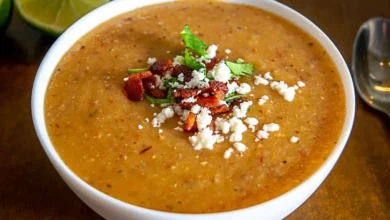
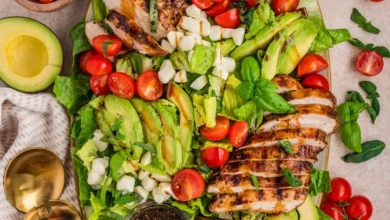
The seasonal harvest of the tomatillo (Physalis philadelphica) has officially arrived, signaling a peak period for markets across North America. As supplies of these vibrant, husk-covered fruits reach their zenith, home cooks and culinary professionals are shifting their focus toward the integration of this foundational ingredient of Mexican cuisine into a wider array of dishes. While often mistaken for a green tomato, the tomatillo is a distinct member of the nightshade family, prized for its high pectin content and characteristic tart acidity, which provides the necessary structural and flavor balance for authentic salsa verde and various regional stews.
Botanical Context and Market Availability
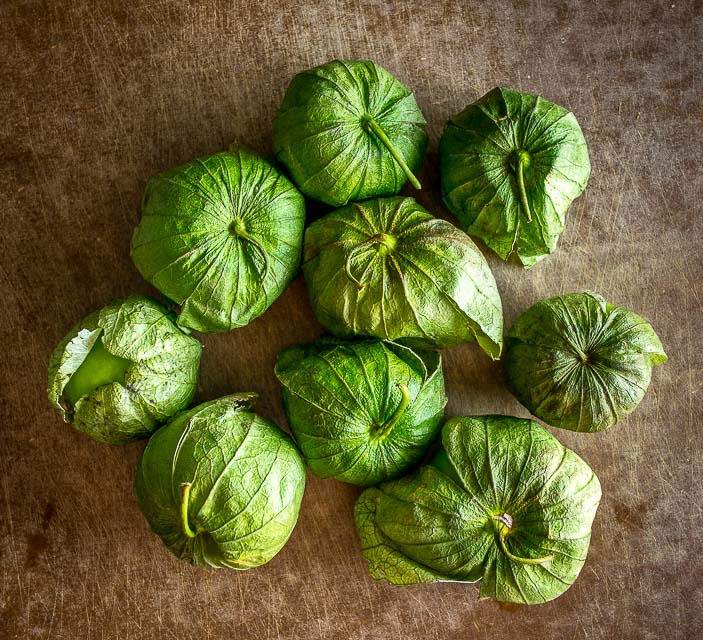
Originating in Mexico and Central America, the tomatillo—also known as the Mexican husk tomato or fresadilla—has a cultivation history that predates the arrival of Europeans in the Americas. Unlike common tomatoes, which ripen to a soft, red state, the tomatillo remains firm and encased in a papery, dry husk known as a calyx. As the fruit matures, it expands, often bursting through this husk.
Agricultural data suggests that the peak harvest window typically spans from late summer through the early autumn months. During this period, the fruit is at its most flavorful, offering a bright, citrus-forward profile that mellows significantly when subjected to heat. For consumers, the quality of a tomatillo is often determined by the tightness of the husk and the firmness of the fruit within. It is standard practice to store these items in their husks under refrigeration, where they can maintain optimal freshness for several weeks, providing a long-lasting pantry staple for seasonal meal planning.
The Science of Flavor: The Importance of Thermal Processing
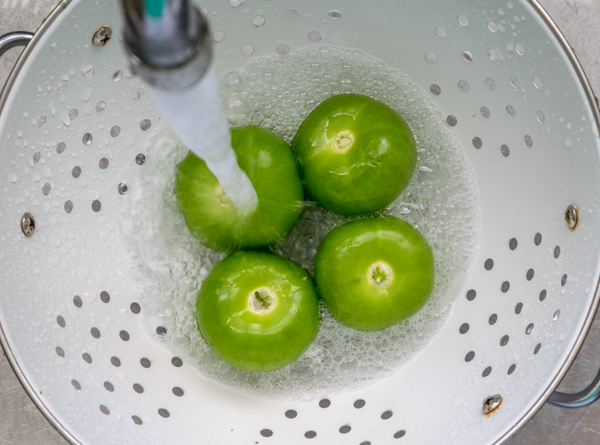
A common oversight among novice cooks is the failure to properly prepare the tomatillo before blending or cooking. Beneath the husk, the fruit is naturally coated in a sticky, resinous substance. It is imperative that this residue be rinsed thoroughly under cool water before further processing.
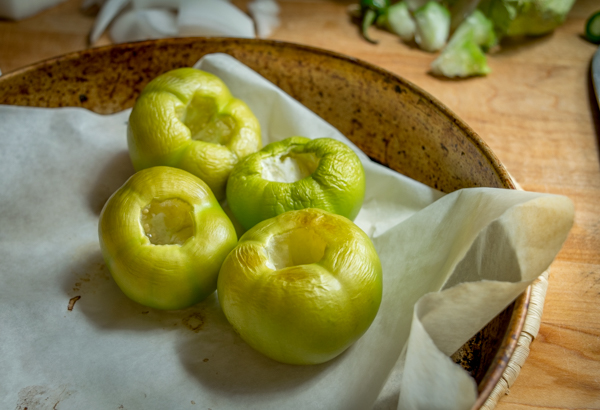
Furthermore, culinary analysis consistently points to thermal processing—specifically roasting—as the essential step for tempering the tomatillo’s inherent acidity. When subjected to dry heat, such as in a 400°F oven for approximately 20 minutes, the fruit undergoes a chemical transformation. The natural sugars caramelize, the texture softens, and the aggressive tartness is replaced by a nuanced, savory depth. This process, often resulting in a characteristic "army green" color change and slight charring, is the hallmark of professional-grade green sauces. Whether roasted in an oven, charred on a comal, or broiled, the application of heat is not merely a preference but a culinary necessity for achieving the desired flavor profile.
Chronology of Culinary Integration
The integration of tomatillos into home cooking typically follows a logical progression, starting with the development of a stable base sauce and moving toward more complex, protein-forward applications.
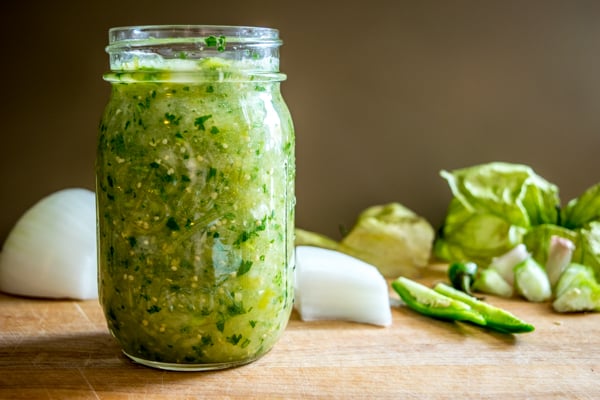
- The Foundation (Salsa Development): The most immediate application is the creation of a standard Salsa Verde. This usually involves a base of roasted tomatillos, serrano or jalapeño peppers, garlic, and onions. This mixture serves as the "mother sauce" for a variety of subsequent dishes.
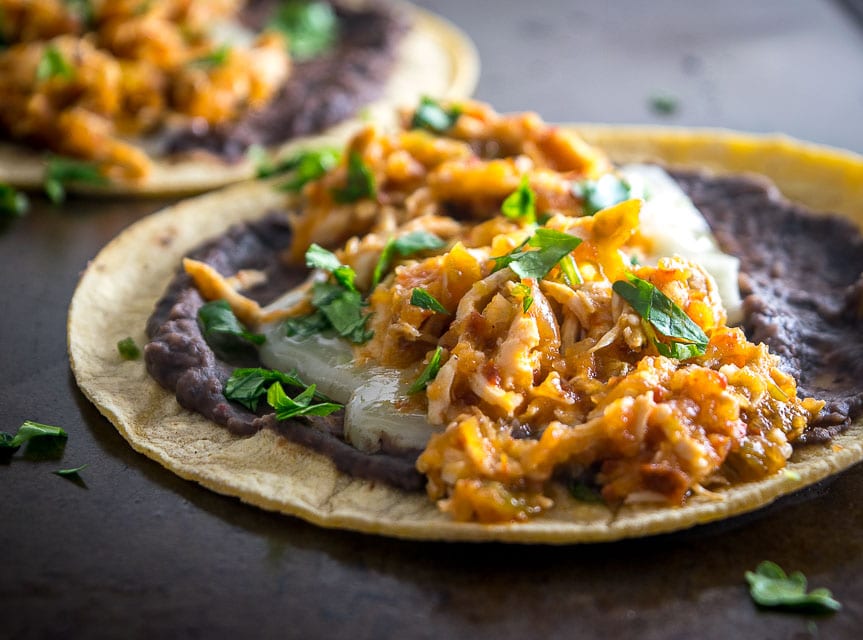
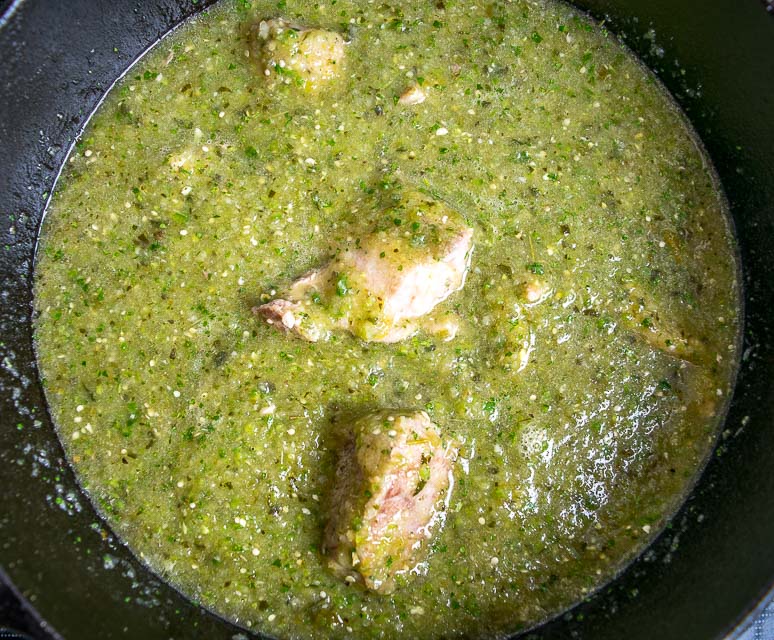
- Mid-Level Complexity (Simmered Sauces): Once the salsa base is established, it can be used to braise proteins. The classic Chile Verde utilizes this base to tenderize pork shoulder, while Chicken Tinga variations utilize a blend of tomatoes and tomatillos to provide a sharp, bright contrast to smoky chipotle peppers.
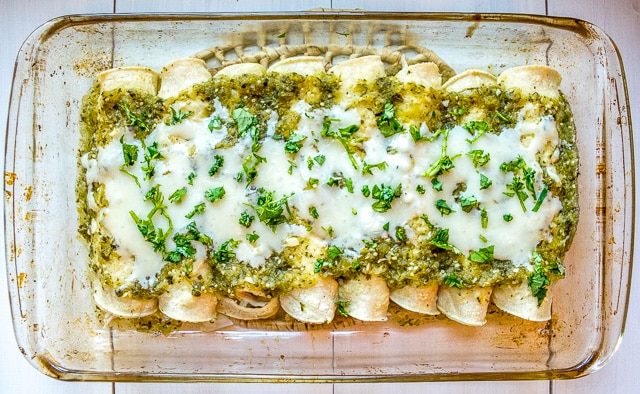
- Advanced Applications (Enchiladas and Casseroles): As the final stage, the sauce is incorporated into baked dishes such as Enchiladas Suizas or Pozole Verde, where the sauce is further enriched with fats—such as Mexican crema or broth—to create a creamy, cohesive finish.
Supporting Data and Recipe Applications
For those looking to maximize the utility of their seasonal tomatillo haul, a variety of recipes serve as primary benchmarks for flavor and technique.
- Salsa Variations: Beyond the standard verde, practitioners often experiment with Roasted Tomato and Tomatillo Salsa, which balances the acidity of the tomatillo with the sweetness of vine-ripened tomatoes. The Tomatillo Chipotle Salsa offers a stark, high-contrast profile that highlights the synergy between the fruit’s tartness and the deep, earthy smoke of canned chipotles in adobo.
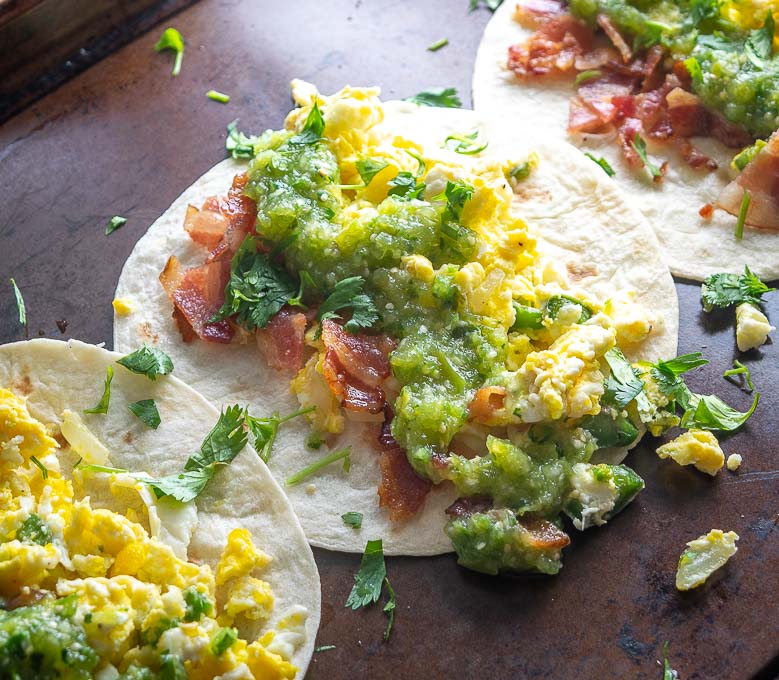
- Breakfast and Egg Dishes: The pairing of tomatillos with eggs is a cornerstone of Mexican morning fare. Migas (crispy corn tortilla strips scrambled with eggs) and Huevos Divorciados (a dish featuring two eggs, one topped with green sauce and the other with red) rely on the acidity of the tomatillo to cut through the richness of the yolk and any accompanying meats like chorizo.
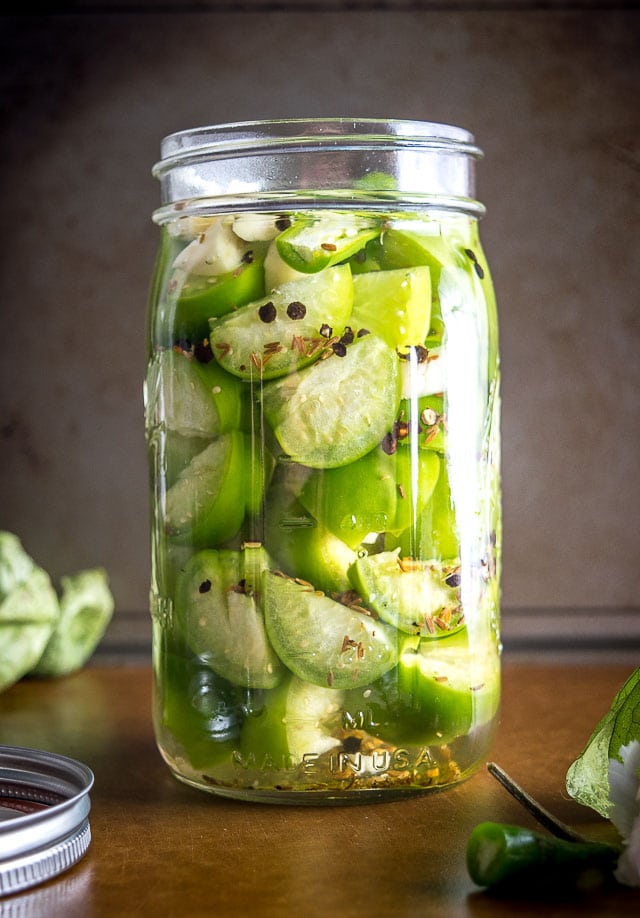
- Preservation Techniques: For long-term storage beyond the harvest window, Pickled Tomatillos provide a shelf-stable method of preservation. This process retains the fruit’s crunch while introducing brine-based complexity, making them a versatile topping for everything from tacos to artisanal pizzas.
Professional Perspectives on Culinary Trends
The culinary industry has observed a steady rise in the popularity of tomatillo-based dishes, driven largely by a broader consumer interest in authentic regional Mexican cooking. Industry experts note that the tomatillo’s versatility is its greatest asset; it functions equally well as a primary ingredient, a flavor-balancing agent, or a structural component in sauces.
The shift toward "clean label" cooking has also favored the tomatillo. Because a quality salsa verde requires so few ingredients—often just the fruit, salt, and a pepper variety—it aligns with current consumer trends favoring minimal, whole-food ingredient lists. The ability to produce high-quality sauces at home for a fraction of the cost of premium retail brands has further solidified the tomatillo’s status as a staple for the modern home cook.
Broader Impact and Nutritional Implications
From a nutritional standpoint, the tomatillo is a low-calorie ingredient that provides significant amounts of dietary fiber, vitamin C, and potassium. Its role in the diet is primarily that of a flavor enhancer, allowing cooks to reduce their reliance on high-fat or high-sodium flavorings. By leveraging the natural acidity of the tomatillo, home cooks can achieve a depth of flavor that is both satisfying and health-conscious.
The economic impact of the tomatillo harvest is also noteworthy. As the demand for authentic international ingredients continues to grow, small-scale farmers and commercial growers alike are finding increased market stability. For the consumer, this translates to better availability and quality in local markets.

Summary of Recommended Culinary Applications
To effectively utilize a bulk purchase of tomatillos, the following list represents a strategic approach to menu planning:
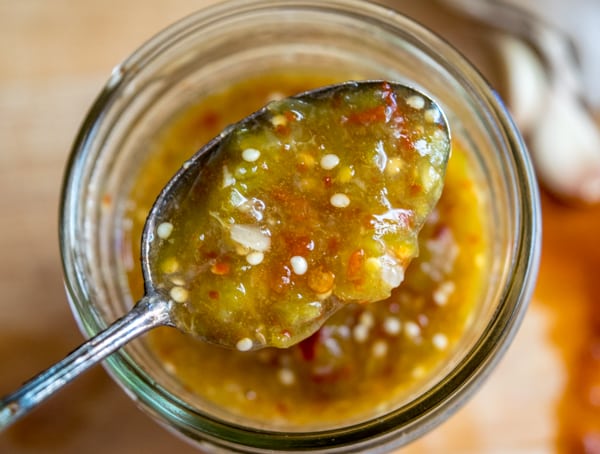
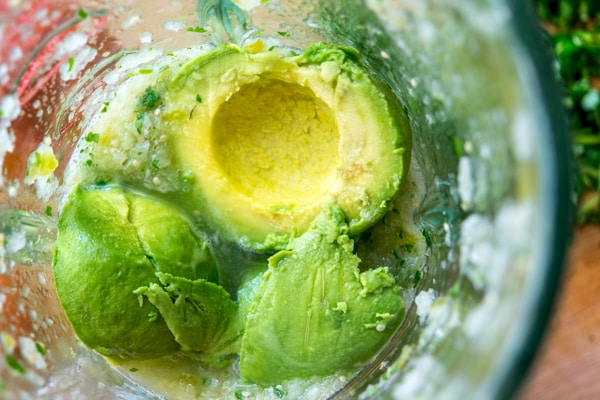
- For Beginners: Start with Authentic Salsa Verde and Avocado Salsa Verde, which provide an introduction to blending and heat-balancing.
- For Intermediate Cooks: Transition to Chile Verde, Enchiladas Verdes, and Spicy Chicken Tinga, which involve longer simmering times and more complex flavor development.
- For Advanced Preparation: Focus on Pozole Verde and Pickled Tomatillos, which allow for greater control over the final texture and storage capabilities of the ingredients.
By following these guidelines and respecting the botanical and chemical properties of the fruit, the home cook can ensure that the seasonal tomatillo harvest is not only consumed efficiently but is elevated through proven culinary techniques. As market supplies continue to fluctuate with the change of seasons, the ability to store, roast, and preserve these green gems remains a vital skill for anyone dedicated to the craft of traditional and contemporary Mexican-inspired cooking.