Inside Chez Wong: The Legendary Culinary Sanctuary of Lima’s Ceviche Master Javier Wong

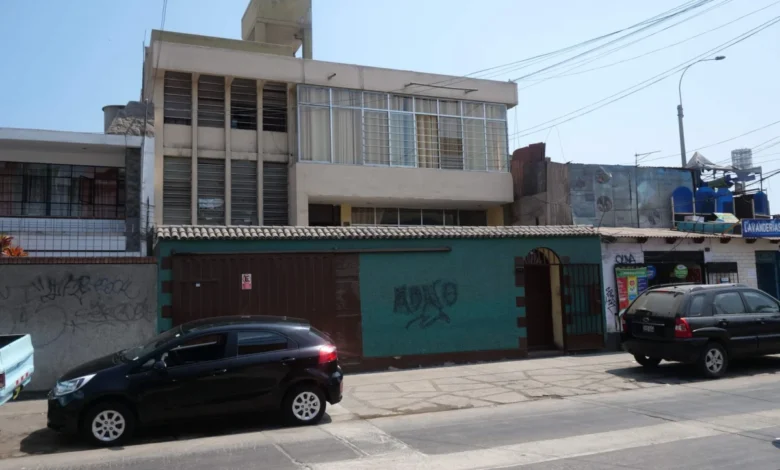
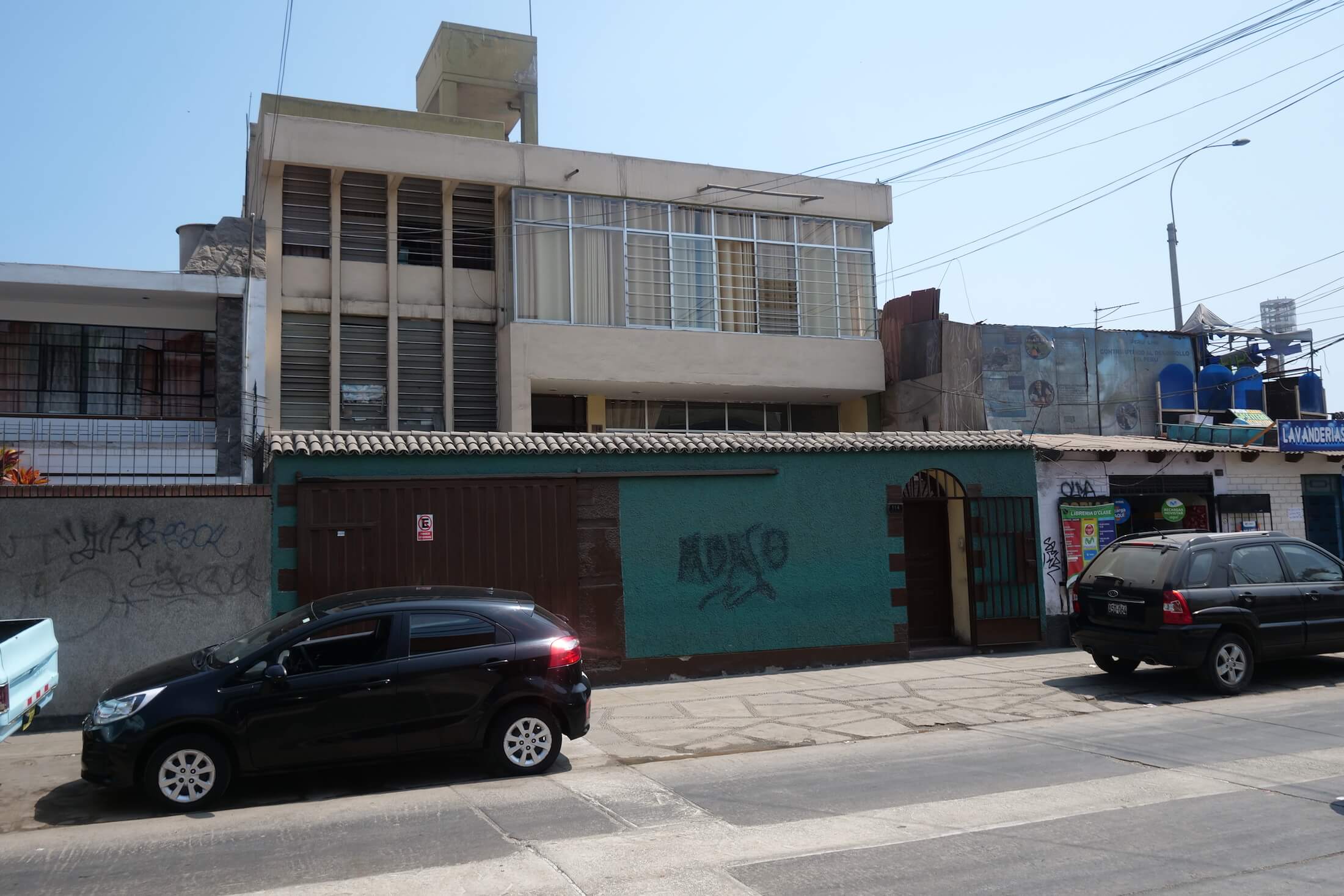
LIMA, Peru — Tucked away behind unassuming residential gates in a quiet neighborhood of Peru’s capital, Chez Wong operates with a level of exclusivity and culinary precision that has earned it international renown. Far from the polished glass facades and corporate backing of contemporary fine-dining establishments, this modest, reservation-only venue is the lifelong workspace of master chef Javier Wong. Renowned globally for his mastery of Peru’s national dish, ceviche, Wong has transformed his private dining room into an essential pilgrimage site for international gastronomes, demonstrating that supreme culinary excellence requires nothing more than pristine ingredients, absolute focus, and decades of honed technique.
The Establishment and Operational Model
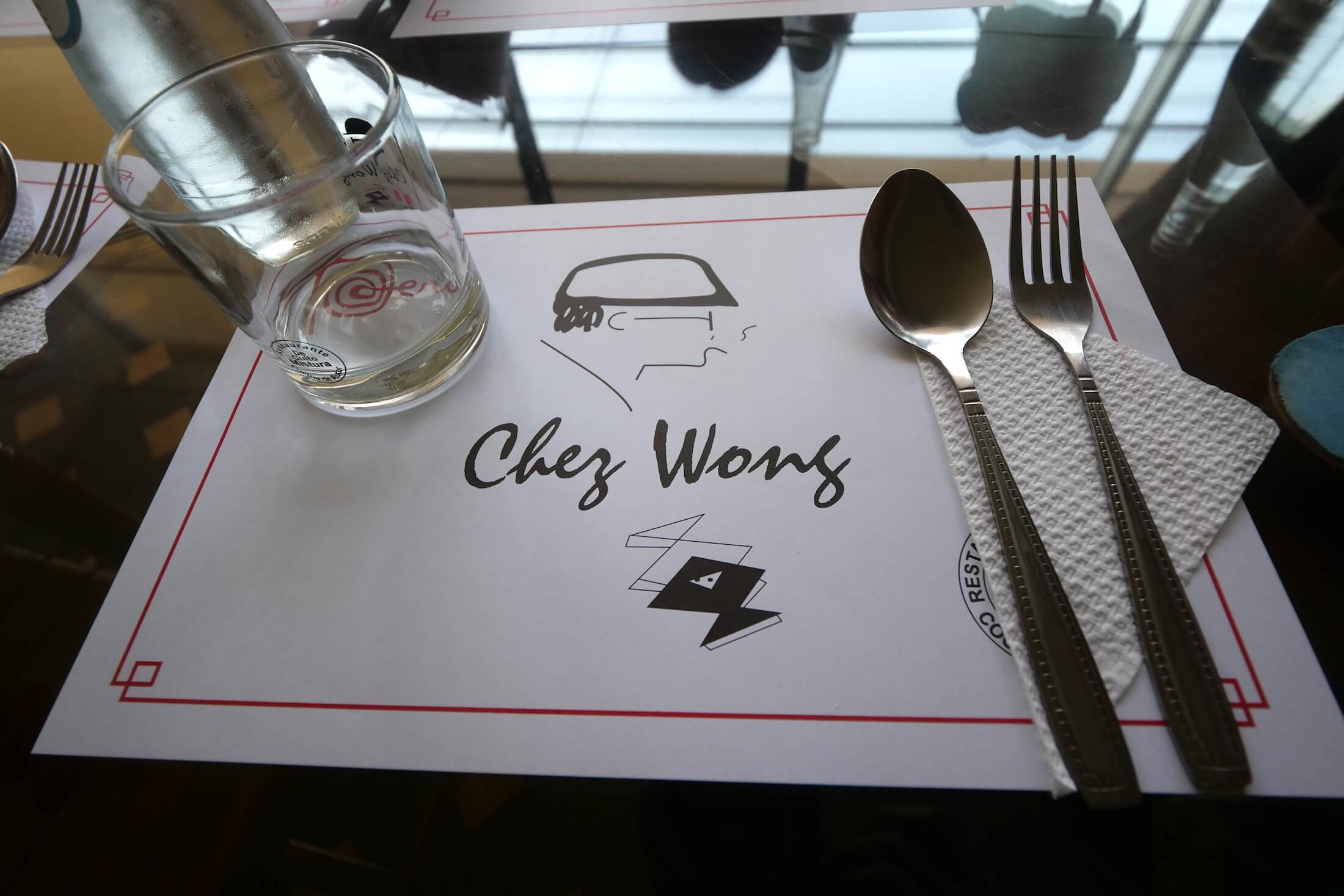
Operating five days a week from Tuesday through Saturday, Chez Wong maintains a rigid operational schedule, serving lunch between 1:00 PM and 3:30 PM. The restaurant features no walk-in seating, no printed menus, and no traditional ordering process. Prospective diners must secure reservations weeks—and frequently months—in advance.
This strict protocol is anchored in Wong’s uncompromising approach to ingredient sourcing. Every morning, the chef personally visits local fish markets to procure exact quantities based strictly on the confirmed headcount for the day. Consequently, the restaurant holds zero surplus inventory, ensuring that every piece of seafood served is impeccably fresh. Guests who arrive without prior reservations are routinely and politely turned away, a policy that underscores Wong’s commitment to quality control over commercial expansion. The intimate dining room comprises only eight tables, creating an atmosphere that prioritizes the integrity of the food over high-volume turnover.
Chronology of a Service: The Art of Precision
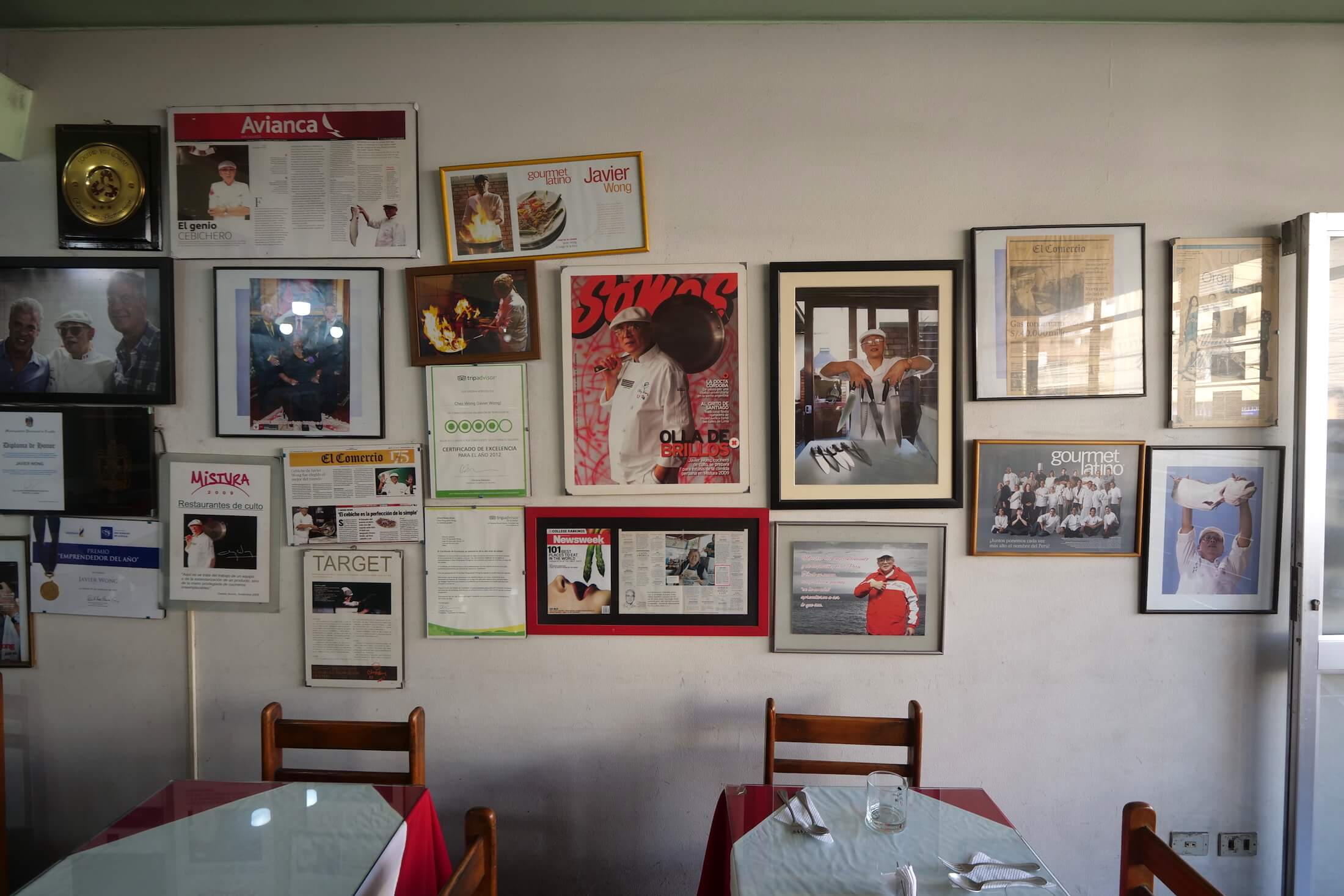
A standard afternoon at Chez Wong unfolds as an unhurried, highly choreographed culinary performance. The dining room itself is spare, decorated primarily with a single wall of framed photographs, magazine covers, and television features documenting Wong’s decades-long career.
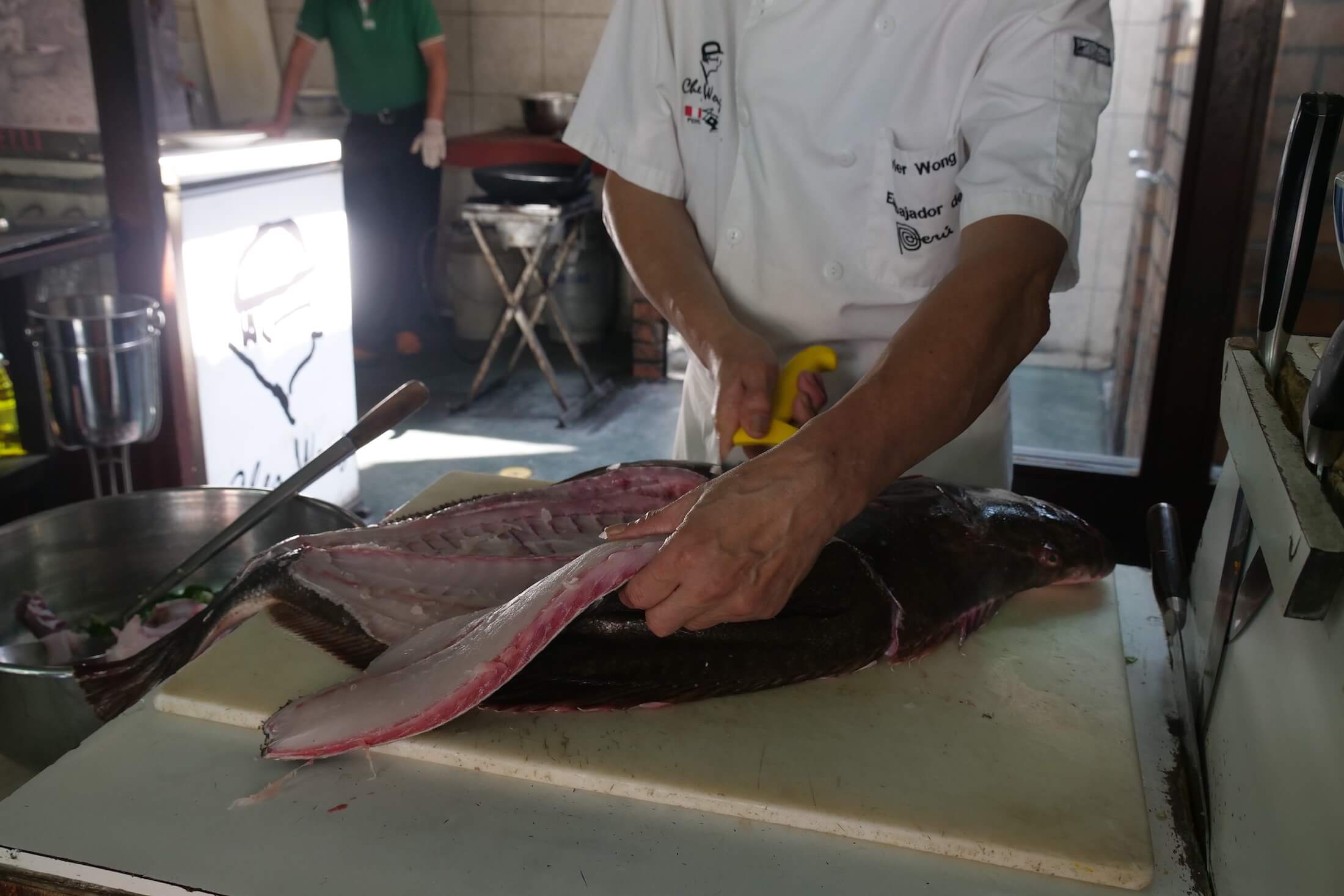
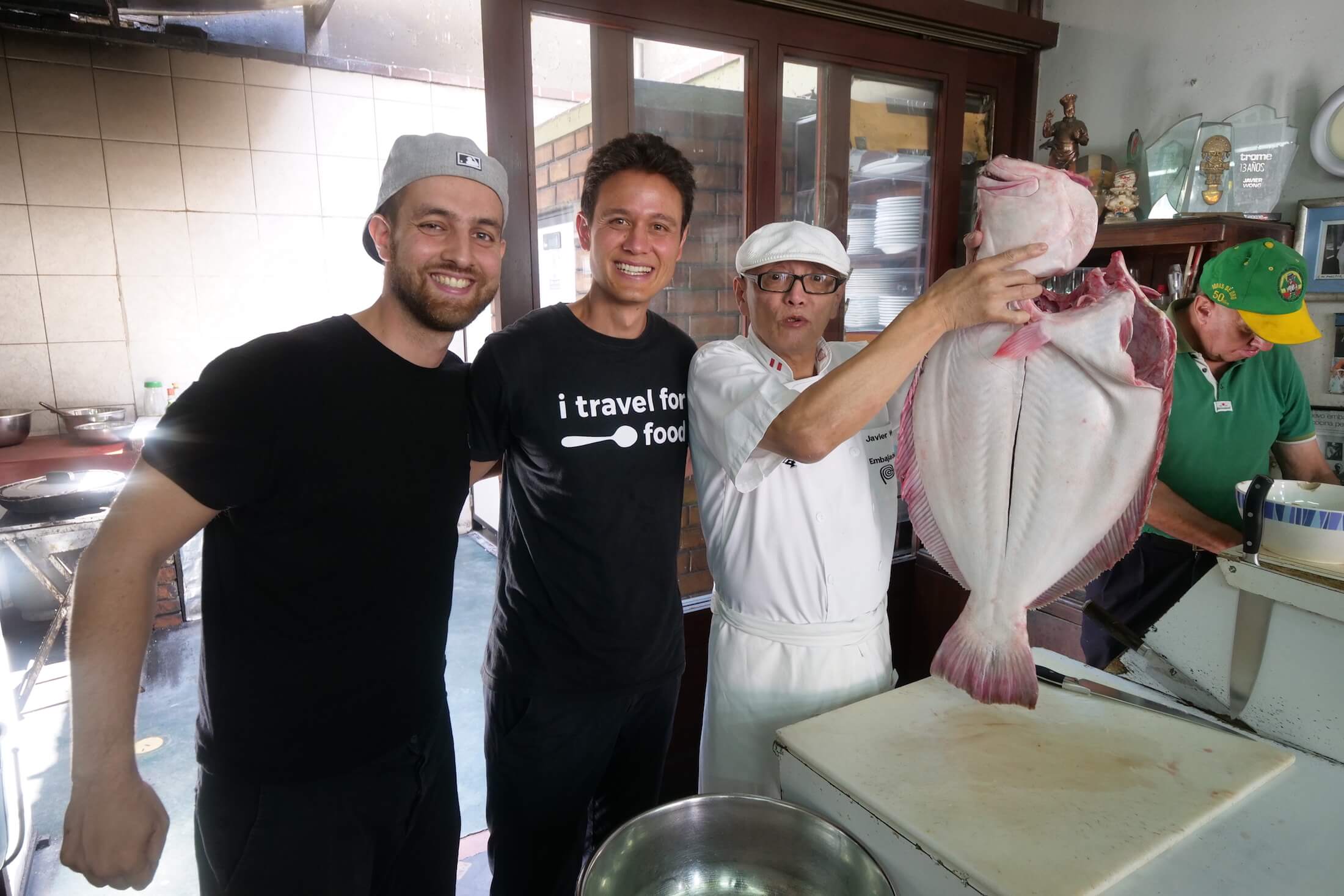
As service commences at 1:00 PM, Wong emerges from his preparations to greet the room before stepping up to his central cutting board. Operating with minimal verbal communication, the chef commands the room through pure kinetic efficiency. Service is executed in deliberate sections, with Wong selecting whole, massive specimens—often weighing up to 10 kilograms—directly from ice trays.
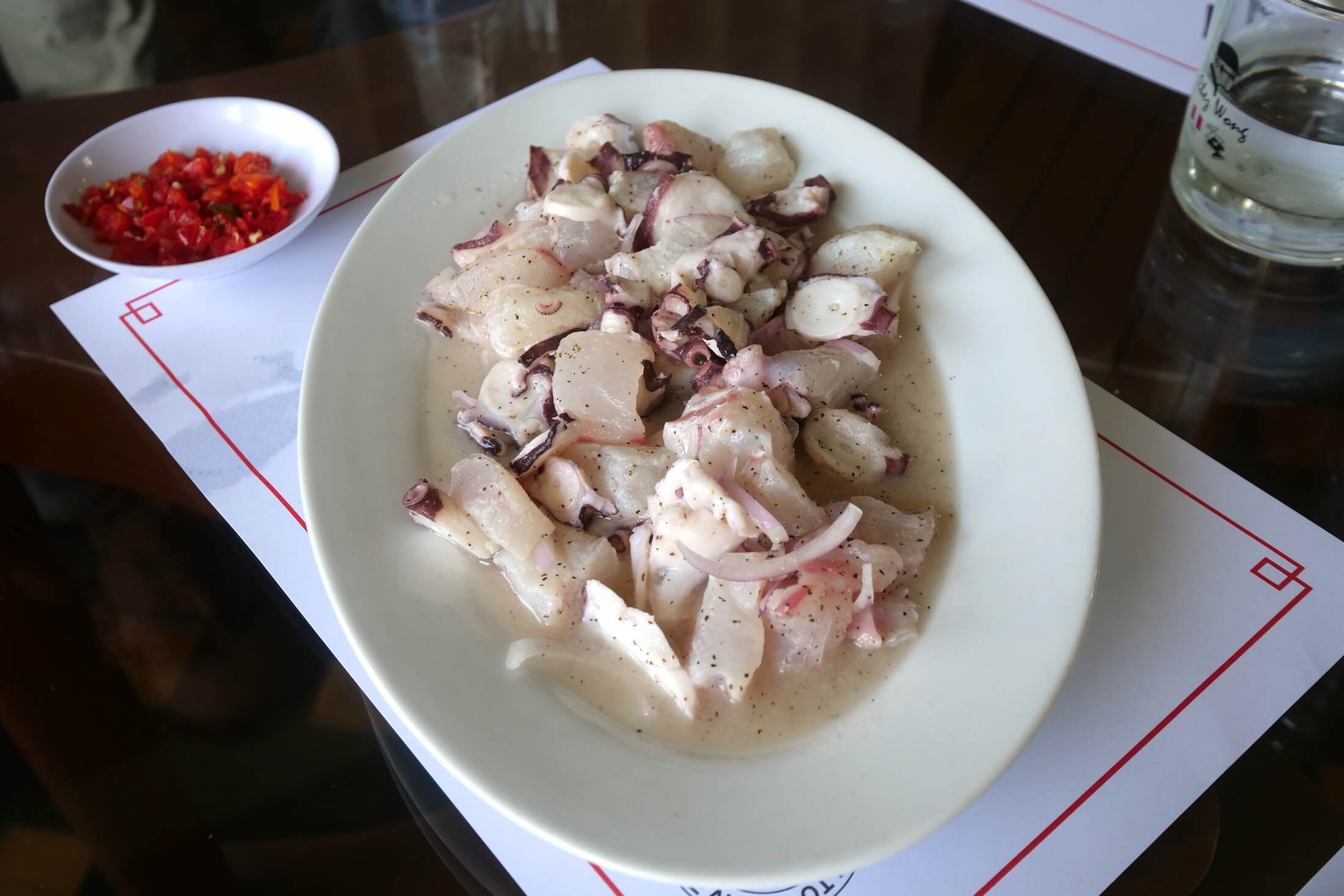
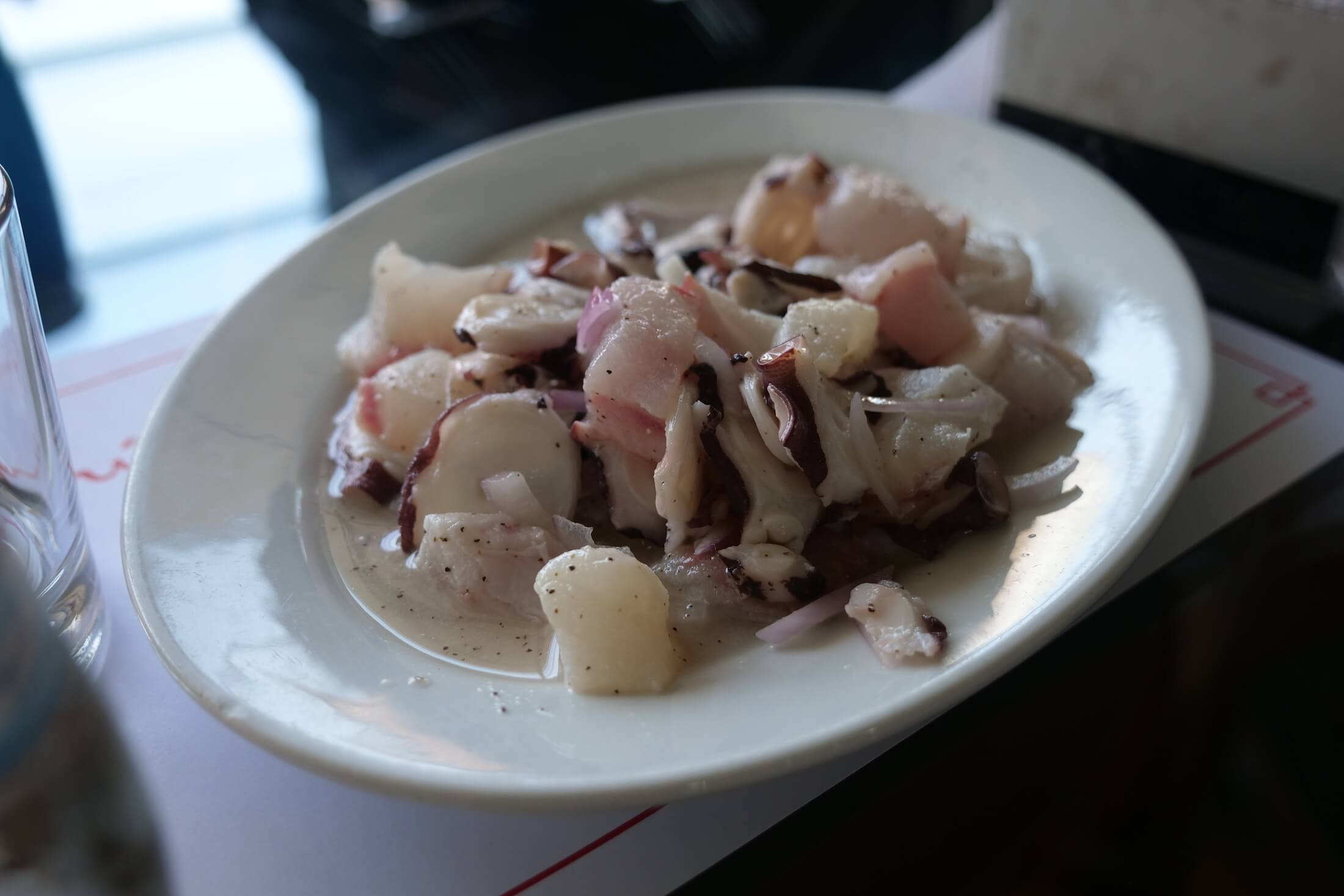
For the first course, Wong utilizes exclusively Dover sole, a variety of flounder, alongside fresh octopus. With rapid, authoritative knife strokes informed by a deep anatomical understanding of the fish, he reduces massive filets into generous, thick cubes rather than the thinner slices commonly found in street-side ceviche stalls.
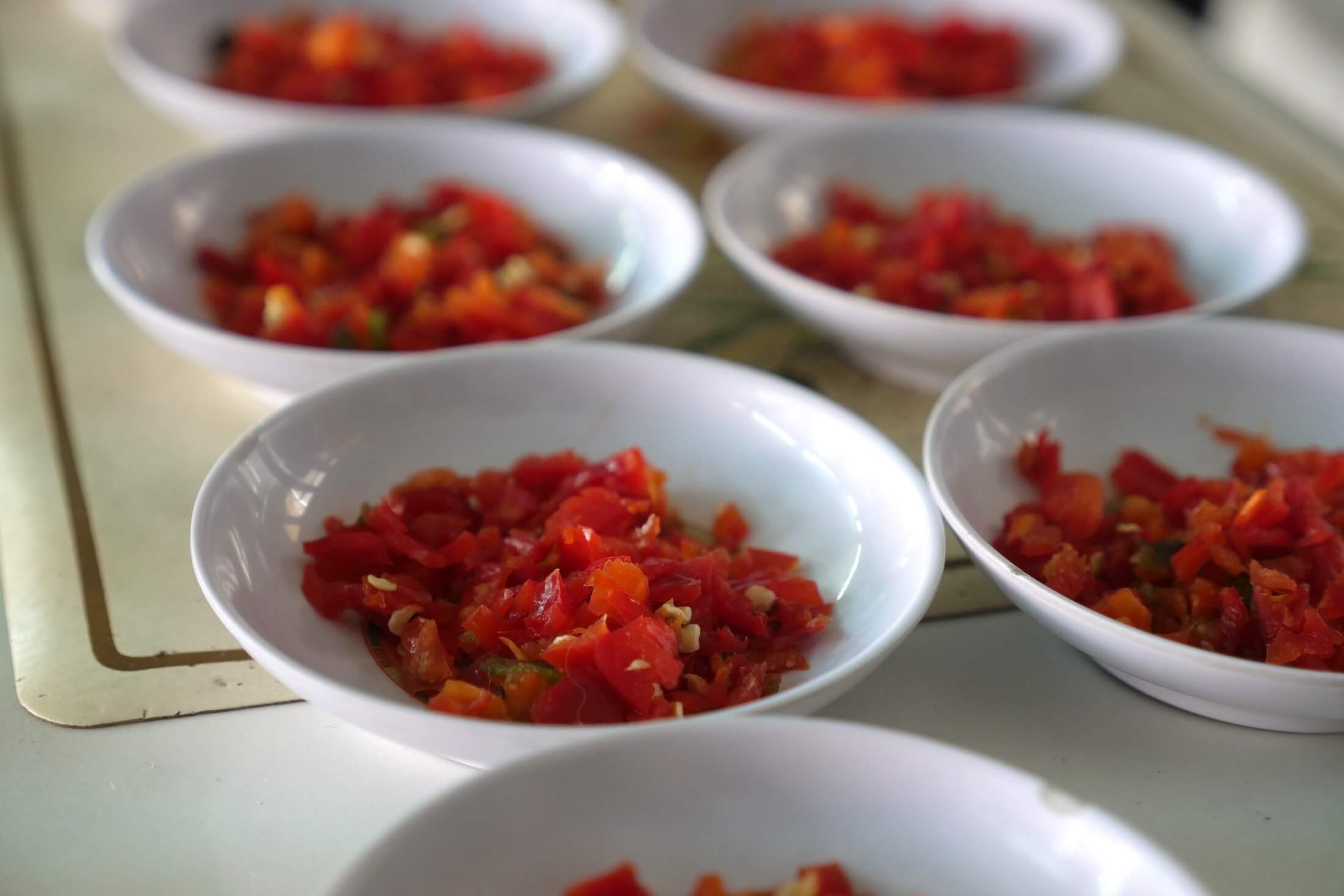
The preparation of the ceviche relies on striking simplicity, incorporating only five foundational ingredients: fresh Dover sole, octopus, an abundance of freshly squeezed lime juice, salt, and a minimal touch of black pepper. The marinating process is governed entirely by empirical intuition. Drawing on a lifetime of experience, Wong balances the acidity of the citrus with the thickness of the fish cuts to achieve a precise cure before plating. The dish is finalized with a scattering of freshly sliced Peruvian aji peppers, tailored individually for each serving.
The Phenomenon of Leche de Tigre
The conclusion of the ceviche course leaves behind a concentrated pool of citrus, fish juices, and aromatics known as leche de tigre, or "tiger’s milk." Rather than discarding the liquid, diners are encouraged to consume it directly or request that it be served in a dedicated glass.
At Chez Wong, this byproduct achieves an extraordinary density. Characterized by a milky consistency, intense acidity, and a lingering peppery warmth, the tiger’s milk encapsulates the bold flavor profile of the meal. Culinary analysts note that this concentrated liquid serves as a testament to the efficient extraction of natural gelatin and proteins from the fresh Dover sole during the brief marinating window.
The Second Course: High-Heat Wok Mastery
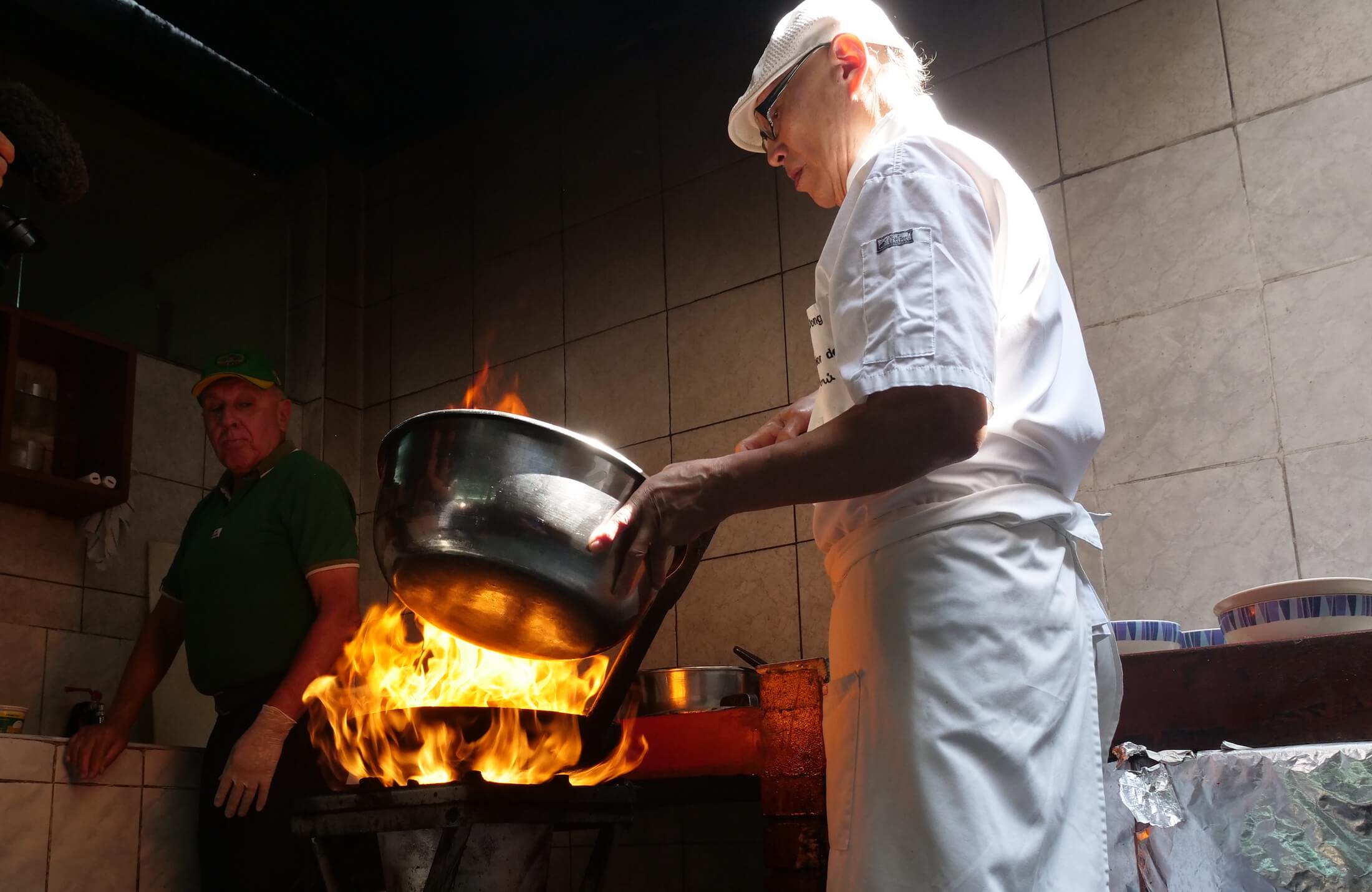
Transitioning from raw preparations to cooked dishes, the second course highlights Wong’s mastery of high-heat wok cookery, heavily influenced by Peru’s distinct Chifa (Chinese-Peruvian fusion) culinary heritage. Operating a high-pressure gas burner, Wong subjects his ingredients to intense, roaring flames that frequently reach the ceiling.
Despite the violence of the heat, Wong exercises precise physical restraint. While he wields a large metal spoon, he refrains from agitating the fish cubes while the burner is active, allowing the intense thermal energy to work without breaking down the delicate structure of the meat. The spoon is used exclusively after the flame is extinguished to ladle the steaming stir-fry onto waiting plates.
Unlike conventional culinary methods that introduce ingredients sequentially based on cooking times, Wong combines all components into a single stainless steel bowl prior to cooking. The stir-fry incorporates the same Dover sole alongside snow peas, chard, bok choy, thick-stemmed mushrooms, and an unconventional signature ingredient: fresh tangerine. The inclusion of citrus segments introduces a subtle sweetness and structural complexity that balances the savory notes of soy sauce and the heavy char imparted by the wok.
Economic and Cultural Implications
The dining experience at Chez Wong reflects a broader trend within Peruvian gastronomy, where traditional techniques are elevated to the level of high art, drawing significant culinary tourism to Lima. While contemporary avant-garde restaurants often employ complex laboratory techniques and extensive tasting menus, Chez Wong demonstrates the enduring viability of reductionist cooking—relying on absolute ingredient quality and artisanal skill.
The financial model of the establishment further illustrates its unique position in the market. A typical meal for a party of four averages approximately 545 Nuevo Soles (roughly $165 USD), placing high-end Peruvian seafood within accessible parameters relative to global fine-dining standards, despite the immense exclusivity of securing a table.
Culinary Legacy and Broader Impact
Javier Wong’s enduring presence in Lima’s food scene has solidified his status as a cultural ambassador for Peruvian cuisine. By maintaining his independent, single-operator model amidst the rapid commercialization and internationalization of Lima’s culinary landscape, Wong has preserved a distinct bridge between traditional street-level seafood culture and refined execution.
For food historians and international travelers alike, Chez Wong remains a definitive case study in dedication. The restaurant stands as proof that culinary greatness does not necessitate elaborate presentation or expansive menus; rather, it can be achieved through a lifelong devotion to a singular craft, executed with unwavering precision, honesty, and respect for the bounty of the Pacific.