Beyond the Single Grain: A Comprehensive Global Guide to the 11 Essential Varieties of Millet and Their Culinary Evolution

Millet is not a singular agricultural commodity, but rather a remarkably diverse assemblage of small-seeded cereal grasses that have anchored human nutrition across Africa and Asia for millennia. Long before wheat and rice came to dominate global caloric intake, ancient agricultural communities relied on these resilient, drought-tolerant crops to survive arid climates and unpredictable monsoons. Today, as climate volatility threatens conventional staple crops and modern gastronomy rediscovers heritage ingredients, millets are experiencing a profound global renaissance. Culinary authorities, pastry chefs, and international agricultural bodies are increasingly championing these grains not merely as sustainable alternatives, but as complex, nutrient-dense culinary staples in their own right.
The historical trajectory of millet cultivation dates back roughly 10,000 years, with archaeological evidence pointing to early domestication in both the semi-arid regions of sub-Saharan Africa and the dry river valleys of northern China. For centuries, these crops formed the literal foundation of civilization across the Sahel, the Horn of Africa, the Indian subcontinent, and parts of East Asia. Unlike water-intensive crops such as paddy rice, millets possess C4 photosynthetic pathways, making them exceptionally efficient at converting sunlight and limited moisture into abundant caloric output.
Despite this rich history, the mid-to-late 20th century witnessed a significant decline in millet consumption across the developing world. As government subsidies and international trade heavily favored imported wheat and polished white rice, traditional millets were frequently stigmatized as "poor man’s food." This nutritional transition contributed to a loss of agricultural agrobiodiversity and a shift away from nutrient-dense local diets toward refined, high-glycemic carbohydrates.
However, the tide began to turn at the dawn of the 21st century. Nutritional scientists and international organizations, including the Food and Agriculture Organization (FAO), began recognizing the vital role these crops play in climate resilience and food security. The momentum culminated when the United Nations General Assembly officially declared 2023 the International Year of Millets, a global initiative spearheaded by the Indian government to raise awareness of the health benefits of millets and their suitability for cultivation under changing climatic conditions.
Professional kitchens have increasingly embraced this agricultural pivot. In a 2020 interview with culinary publication Chef’s Pencil, pastry chef Ruchit Harneja—then working at the acclaimed Houston restaurant Musaafer—singled out millet as a transformative medium for modern gastronomy. Harneja noted that millet had become a treasured component in his creative process, drawing renewed attention to ancient varieties such as bajra (pearl millet), jowar (sorghum), ragi (finger millet), and kangni (foxtail millet). His approach underscored a broader culinary shift: elite chefs are no longer treating millets as rustic substitutes, but as premium ingredients capable of driving high-end pastry, savory plating, and fermented beverages.
Understanding the vast family of millets requires looking beyond broad botanical classifications to examine the distinct flavor profiles, textures, and structural forms available in the marketplace. While the FAO broadly categorizes several cereal species under the millet umbrella—including sorghum, teff, and Job’s tears—this analysis focuses on eleven distinct types that range from ubiquitous pan-Asian staples to delicate West African heritage grains.
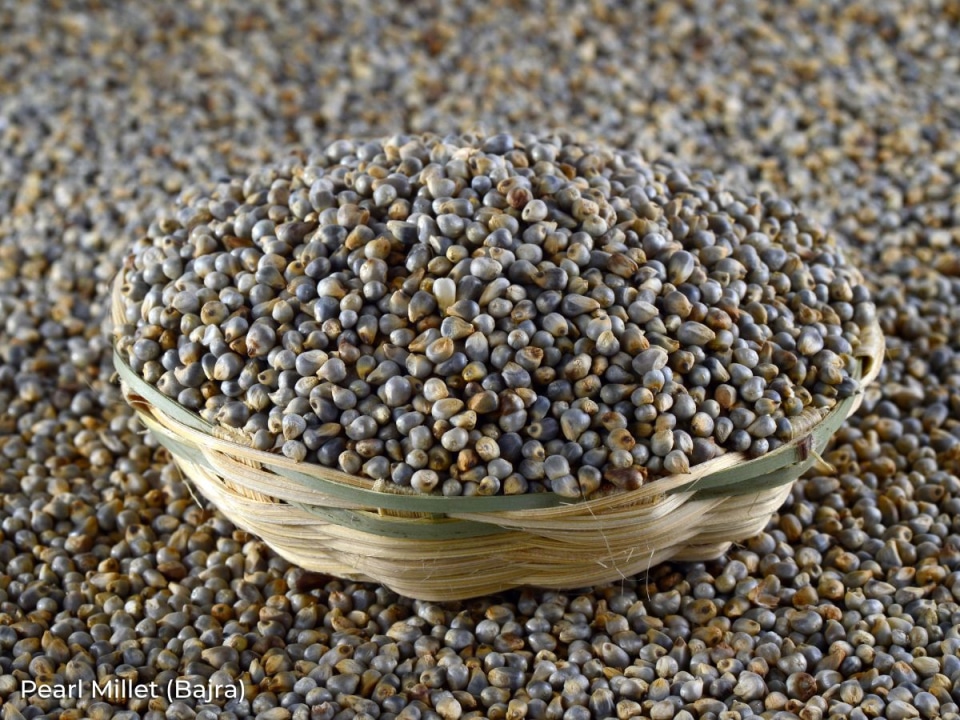
Pearl Millet (Bajra): The Backbone of Arid Agriculture
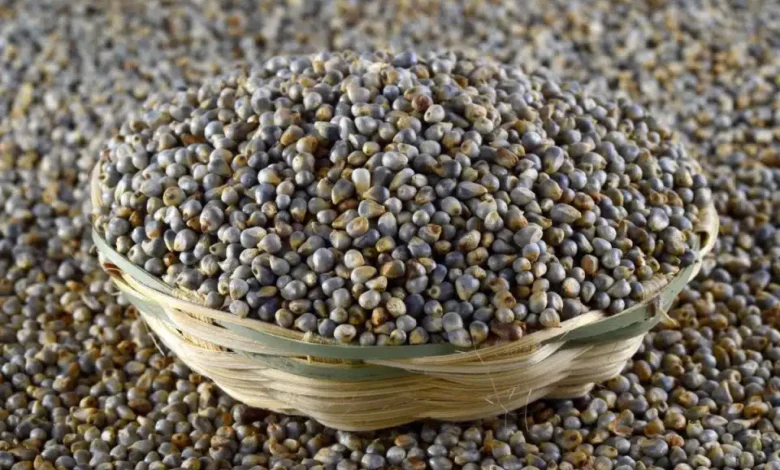
Representing one of the most widely cultivated varieties globally, pearl millet is an indispensable staple throughout the Indian subcontinent, West Africa, and the Sahelian belt. Characterized by small, rounded grains ranging from pale ivory to slate gray, bajra offers a robustly nutty and gently sweet flavor profile. In the arid landscapes of Rajasthan and Gujarat, the grain is traditionally milled into a nutrient-dense flour used to prepare thick flatbreads known as bajra roti. Conversely, when prepared whole, it serves as the base for bajra khichdi, a comforting, savory porridge simmered with moong dal and warm spices. Culinary experts emphasize that freshness is paramount when handling pearl millet flour; due to its high lipid content, the flour is prone to oxidative rancidity and bitterness if improperly stored or left unconsumed over extended periods.
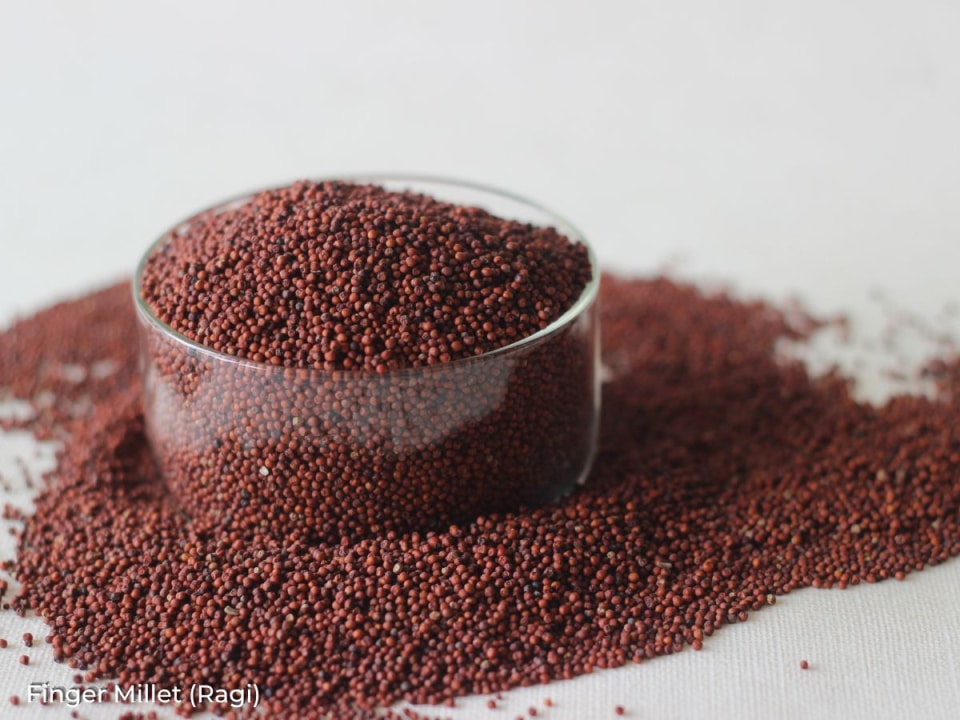
Finger Millet (Ragi): Malty, Earthy, and Nutrient-Dense
Known widely as ragi in India and cultivated extensively across eastern and southern Africa, finger millet derives its English common name from the distinctive, finger-like arrangement of its seed spikes. Ragi possesses a pronounced earthy, almost malty flavor that sets it apart from more neutral grains. It is predominantly purchased in flour form and serves as the primary ingredient in traditional porridges, rotis, and crisp dosas. One of its most popular preparations is ragi malt, a warm or chilled beverage created by boiling the flour with water and enriching it with milk, jaggery, and cardamom, or tempering it with savory buttermilk. Its high calcium and dietary fiber content have made it a focal point of nutritional rehabilitation programs in developing regions.
Proso Millet: The Versatile Pantry Staple
Also frequently referred to as common millet or broomcorn millet, proso millet features smooth, rounded grains with a mild, subtly sweet flavor profile. Because of its neutral baseline, proso adapts exceptionally well to diverse culinary applications, seamlessly absorbing the aromatics of broths, sautéd vegetables, and complex sauces. Depending on the cooking technique and liquid-to-grain ratio, proso can be steamed into fluffy, distinct grains ideal for grain bowls and pilafs, or simmered with excess liquid to yield a smooth, comforting breakfast porridge. Although commercial birdseed mixes frequently incorporate proso, consumers must source food-grade varieties explicitly processed for human consumption.
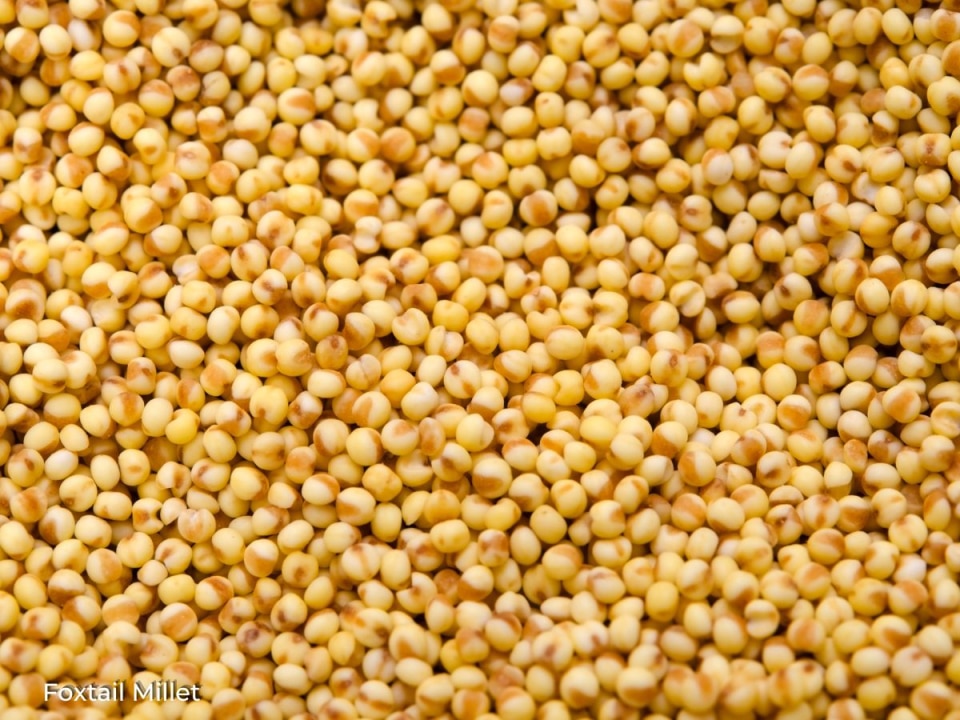
Foxtail Millet: Fine-Textured and Adaptable
Distinguished by its brush-like, bristled seed heads that resemble a fox’s tail, foxtail millet yields tiny, pale-yellow grains with a delicate sweetness and a fine-grained texture upon cooking. In South Indian domestic cooking, it is a preferred ingredient for preparing savory breakfast dishes such as upma and fermented batters for idli. Its quick cooking time and light mouthfeel make it an accessible entry point for home cooks transitioning away from refined semolina or white rice.
Barnyard Millet: The Traditional Fasting Grain
Encompassing related domesticated grass species within the genus Echinochloa, barnyard millet features small, mild grains that retain a pleasant firmness when cooked. In various regional culinary traditions across India, barnyard millet holds a revered status during religious fasting periods, where specific dietary restrictions prohibit the consumption of conventional cereal grains. Beyond savory pilafs and khichdi, barnyard millet is frequently utilized in dessert preparation, notably in the formulation of barnyard millet kheer—a creamy, cardamom-infused milk pudding.
Little Millet: Delicate and Highly Absorbent
True to its descriptor, little millet consists of minute, pale grains that carry a mild, nutty aroma. Its fine structural integrity makes it exceptionally well-suited for delicate preparations such as light upmas, savory pulaos, and idlis. A particularly innovative application is its use in millet-based curd rice, where cooked and cooled little millet is folded into fresh yogurt and finished with a traditional tempering of mustard seeds, curry leaves, and green chilies. Culinary innovators have further expanded its profile by integrating fresh herbs, ginger, and fruit into curd-millet salads.
Kodo Millet: Firm Texture and Culinary Rigor
Kodo millet provides a distinct textural departure from softer varieties. Once the tough, indigestible outer husk is removed, the remaining grain yields a firm, chewy bite closely resembling brown rice. This robust texture makes kodo millet ideal for hearty pilafs and fermented dosa batters. However, professional food safety authorities emphasize strict procurement guidelines for kodo millet: the grain is susceptible to fungal contamination under humid storage conditions, which can lead to mycotoxin accumulation. Consumers are advised to purchase exclusively from reputable commercial suppliers, maintain optimal moisture control during storage, and discard any discolored or compromised batches.
Browntop Millet: Dry-Land Resilience
Rooted deeply in the agricultural heritage of southern Indian states such as Karnataka and Andhra Pradesh, browntop millet is celebrated both for its ecological hardiness in poor, dry soils and its culinary utility. The small grains possess a mild flavor and a characteristically chewy texture, lending themselves effectively to regional upmas, porridges, and flour-based flatbreads.
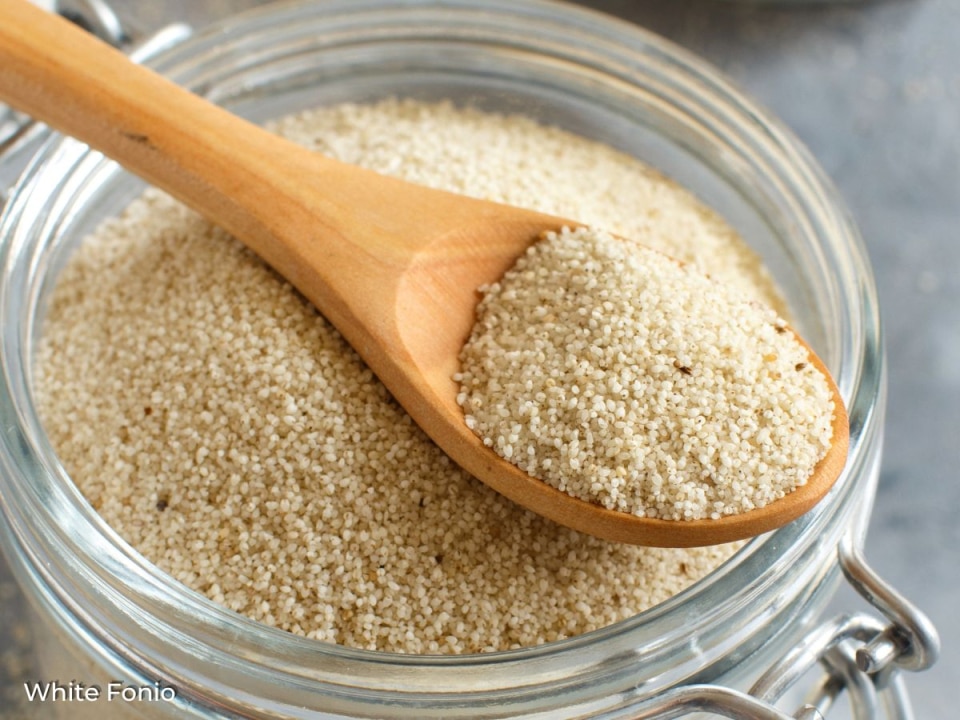
White Fonio: The Ancient West African Delicacy
Endemic to the Sahelian and savanna zones of West Africa—including Guinea, Mali, Nigeria, and Senegal—white fonio (Digitaria exilis) is among the continent’s oldest cultivated cereals. Its exceptionally minute grains cook into a delicate, lightly nutty product with a fine, granular texture frequently compared to couscous, though it remains a distinct, gluten-free cereal grain. Fonio is traditionally steamed and served alongside rich stews or incorporated into fresh grain salads featuring local produce, citrus, and herbs. Because dehulling the microscopic grains is historically labor-intensive, modern urban markets rely heavily on cleaned, ready-to-cook packaged fonio.
Black Fonio: A Rare Heritage Species
Representing a distinct botanical species (Digitaria iburua) rather than a simple color variant of white fonio, black fonio is cultivated primarily in Nigeria, Niger, and parts of Togo and Benin. Its flavor profile is deeper, more earthy, and noticeably nuttier than its white counterpart. While it shares similar culinary applications—ranging from traditional porridges to flour blends—its commercial availability remains severely limited outside of hyper-local West African markets, making white fonio the more practical choice for international home cooks.
Global Culinary Integration: Recipes and Preparations
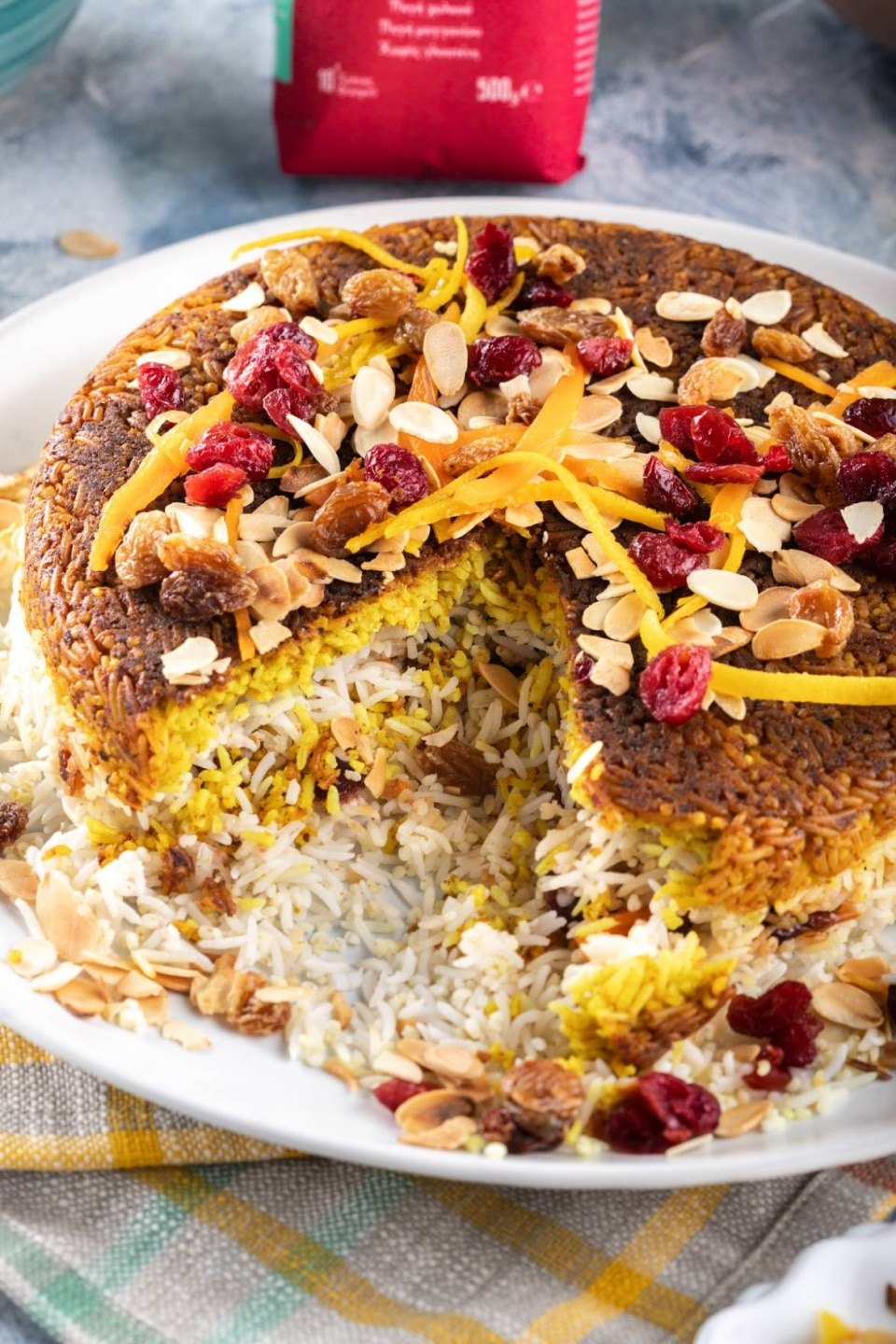
The culinary footprint of millet extends far beyond basic porridges, influencing complex international gastronomy. In contemporary interpretations of Persian cuisine, chefs combine basmati rice with proso or foxtail millet, layering the grains with toasted nuts, dried cranberries, sultanas, caramelized citrus peels, and warm spices atop a crisp, golden yogurt tahdig.
In West Africa, specifically Togo, millet flour is transformed into akoumé, a dense, comforting staple stirred over heat until it reaches a dough-like consistency, served alongside robust meat and fish sauces. Meanwhile, in Turkish culinary tradition, millet serves as the primary starch base for boza—a traditional, mildly alcoholic or fermented beverage known for its thick consistency, gentle tang, and sweet profile, typically served chilled and garnished with cinnamon and roasted yellow chickpeas.
Senegalese cuisine further illustrates millet’s profound cultural versatility. Thiere represents the local iteration of millet couscous, served with rich vegetable and meat sauces, while ngalakh pairs millet semolina with a rich emulsion of peanut butter and baobab fruit juice. In Ghana, millet forms the base of brukina, a popular cold milk-based beverage, while northern Beninese households serve traditional millet porridges alongside crispy bean-flour cakes known as ata.
Analytical Implications for Future Food Systems
The structural shift toward re-evaluating millets carries significant implications for global agricultural economics, public health, and environmental sustainability. As agrarian economies grapple with declining groundwater tables and increasingly erratic rainfall patterns induced by climate change, the incorporation of climate-resilient C4 crops like millet offers a vital strategy for stabilizing rural livelihoods. Furthermore, the low glycemic index, high micronutrient density, and absence of gluten in most millets position them as powerful dietary tools in combating the global rise of metabolic disorders and type-2 diabetes.

Ultimately, the ongoing global revival of millets transcends a passing gastronomic trend. It represents a necessary recalibration of modern food systems—one that honors ancient indigenous knowledge, restores agricultural biodiversity, and secures a resilient nutritional future for generations to come.
Related posts: