The 5-Minute Mediterranean Cottage Cheese Bowl Reshapes Modern High-Protein Diet Trends

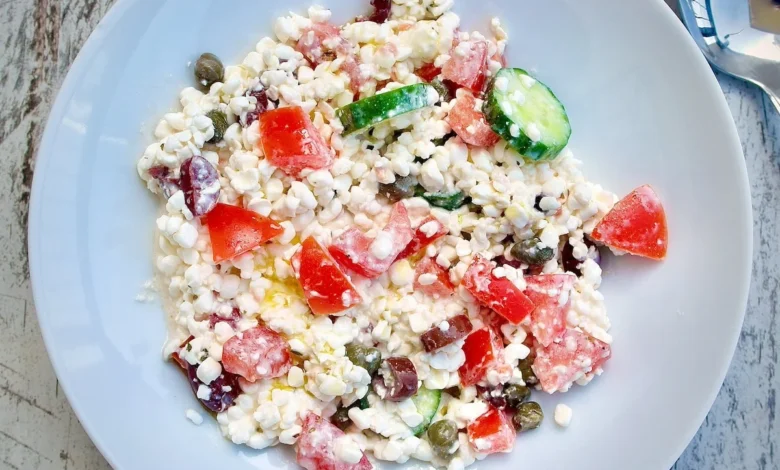
The modern landscape of nutritional health has witnessed a remarkable resurgence of a mid-century staple: cottage cheese. Once relegated to the restrictive diet culture of the 1970s and 1980s in the United States—frequently associated with bland, cyclical weight-loss regimes—cottage cheese has successfully reinvented itself. Driven by contemporary consumer demand for high-protein, minimally processed convenience foods, this dairy product is capturing the attention of both fitness enthusiasts and culinary professionals. At the forefront of this gastronomic revival is the newly introduced Mediterranean cottage cheese bowl, a rapid, no-cook recipe developed by registered dietitian and nutrition expert Elena Paravantes.
Combining the rich, creamy texture of modern curd products with the vibrant, nutrient-dense profile of the Mediterranean diet, this five-minute dish offers a strategic intersection of convenience, culinary heritage, and physiological satiety. As dietary preferences shift away from synthetic protein bars and heavily formulated supplements toward whole-food solutions, preparations like the Mediterranean cottage cheese bowl provide a practical blueprint for everyday nutrition.
The Evolution and Nutritional Profile of Cottage Cheese
To understand the current popularity of cottage cheese, nutritionists point to its fundamental composition and method of production. Cottage cheese is an unripened curd cheese created by introducing a food-grade acid, such as vinegar or lemon juice, or specific bacterial cultures to pasteurized milk. This process separates the milk into solid curds and liquid whey. The resulting curds are gently cooked, drained, and often rinsed, producing a mild-flavored cheese characterized by its distinct lumpy texture and high moisture content.
From a biochemical standpoint, the dairy product is an exceptional source of complete protein. A standard serving of approximately 200 grams delivers roughly 25 grams of high-quality protein, which supplies all essential amino acids required for human physiological function. Furthermore, cottage cheese serves as a valuable vehicle for micronutrients, offering substantial amounts of calcium, phosphorus, selenium, and vitamin B12. These elements play vital roles in maintaining skeletal integrity, supporting neurological function, and facilitating optimal energy metabolism.
Despite its historical categorization as a mundane diet food, contemporary nutritional science views cottage cheese as a versatile foundation for balanced meals. When paired with the hallmark components of the Mediterranean diet—such as extra-virgin olive oil, fresh vegetables, briny olives, and aged cheeses—the product transcends its retro origins.
Anatomy of the Mediterranean Cottage Cheese Bowl
The Mediterranean cottage cheese bowl is designed to address modern lifestyle constraints while adhering to established nutritional guidelines. Requiring no thermal cooking and taking approximately five minutes to prepare, the dish is specifically engineered for individuals seeking efficient meal solutions without compromising dietary quality.
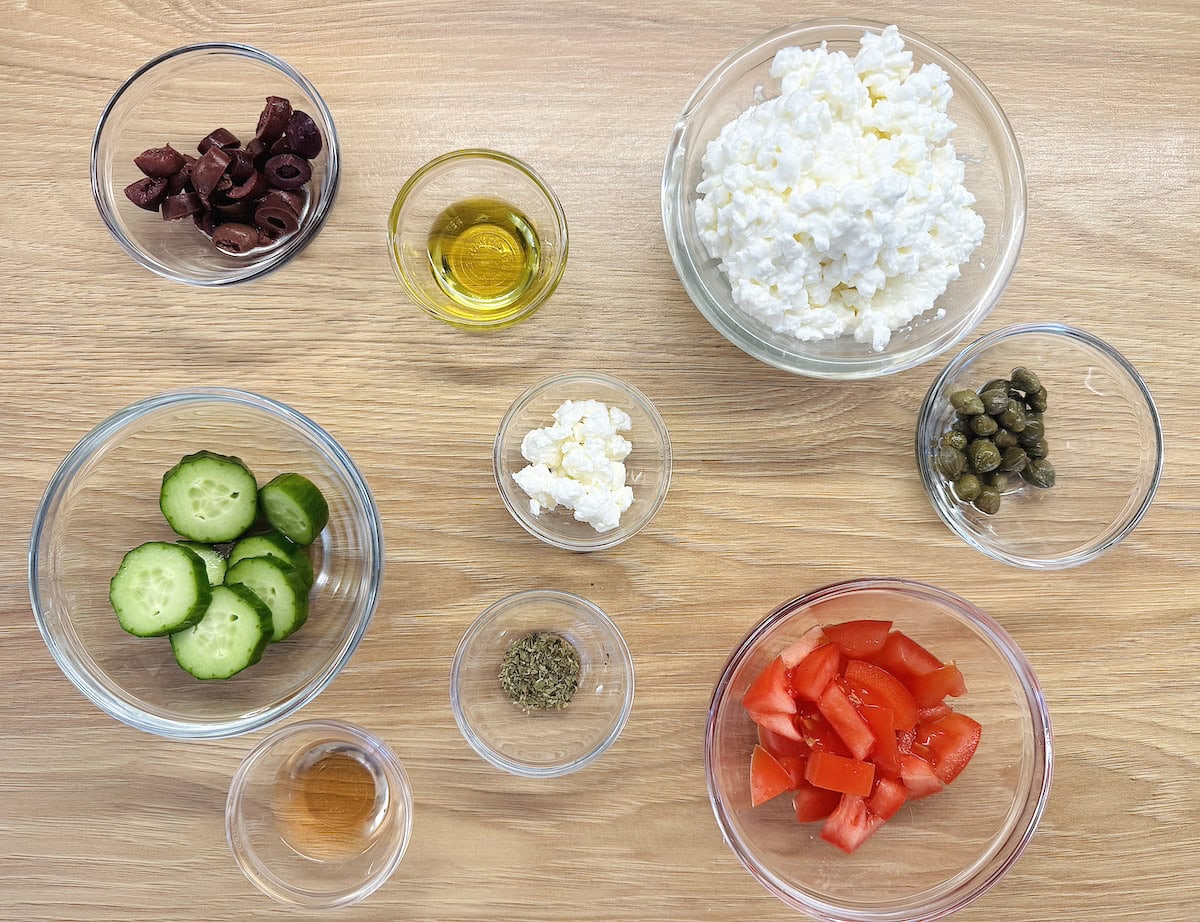
The ingredient matrix is deliberate, balancing macronutrients and micronutrients to maximize satiety. The base consists of high-protein cottage cheese, which provides a neutral, creamy platform. This is juxtaposed with the crisp, hydrating qualities of diced cucumbers and juicy tomatoes, both of which introduce dietary fiber, vitamin C, and potent antioxidants like lycopene.

To elevate the flavor profile without relying on refined sodium or artificial additives, the recipe incorporates briny Kalamata olives and capers. These elements contribute complex savory notes, while a finishing crumble of authentic feta cheese introduces a tangy, salty contrast. Finally, a generous drizzle of extra-virgin olive oil unifies the dish, imparting heart-healthy monounsaturated fatty acids and enhancing the bioavailability of fat-soluble vitamins present in the vegetables.
With a total energy value of approximately 300 to 310 calories per serving, the bowl functions effectively as a standalone light lunch, a post-workout recovery snack, or a balanced component of a larger meal.
Dietary Integration and Professional Analysis
The inclusion of cottage cheese within a traditional Mediterranean dietary framework has occasionally sparked debate among purists. Authentic Mediterranean dietary patterns—historically documented in regions such as Crete and Southern Italy during the mid-20th century—rely primarily on localized staples such as sheep and goat milk cheeses, including feta, mizithra, and halloumi, rather than commercial, industrially produced curd cheeses.
However, nutrition experts emphasize that the core philosophy of the Mediterranean diet emphasizes dietary patterns rather than rigid geographic exclusivity. According to Elena Paravantes, cottage cheese easily integrates into a Mediterranean-style regimen provided consumers select minimally processed varieties containing only milk and live active cultures. When combined with authentic Mediterranean fats, fresh produce, and aromatic herbs, the resulting meal aligns seamlessly with the cardiovascular and metabolic benefits associated with the Mediterranean lifestyle.
"The success of this dish lies in its ability to deliver four essential pillars of modern nutrition: convenience, complex flavor, sustained satiety, and dense micronutrient value," Paravantes noted in recent culinary analyses. By anchoring the meal with 25 grams of protein and healthy fats, consumers experience prolonged gastric emptying, which helps stabilize blood glucose levels and curb intermittent snacking throughout the day.
Broader Market Implications and Consumer Trends
The rapid adoption of high-protein, whole-food recipes reflects a broader shift in consumer behavior within the global food and beverage sector. Market data consistently demonstrates a growing consumer preference for foods perceived as both functional and transparently sourced. As public health initiatives increasingly target ultra-processed foods, culinary innovations that utilize simple, recognizable ingredients are gaining market share.
The resurgence of cottage cheese specifically highlights the agility of legacy dairy products in adapting to contemporary wellness marketing. Social media platforms have played a significant role in this transformation, where short-form video content showcasing creative, savory cottage cheese preparations has generated billions of views. By reframing a traditional grocery item through a modern, international lens—such as the Mediterranean bowl—home cooks and culinary developers continue to expand the boundaries of everyday eating.
Ultimately, the Mediterranean cottage cheese bowl bridges the gap between historical dietary wisdom and fast-paced contemporary living. By prioritizing nutrient density, preparation speed, and robust flavor profiles, the recipe exemplifies how traditional nutritional concepts can be successfully adapted to meet the demands of modern health-conscious consumers.