The Ultimate Guide to Baking Vegan Chocolate Cinnamon Rolls with Vanilla and Orange Glaze

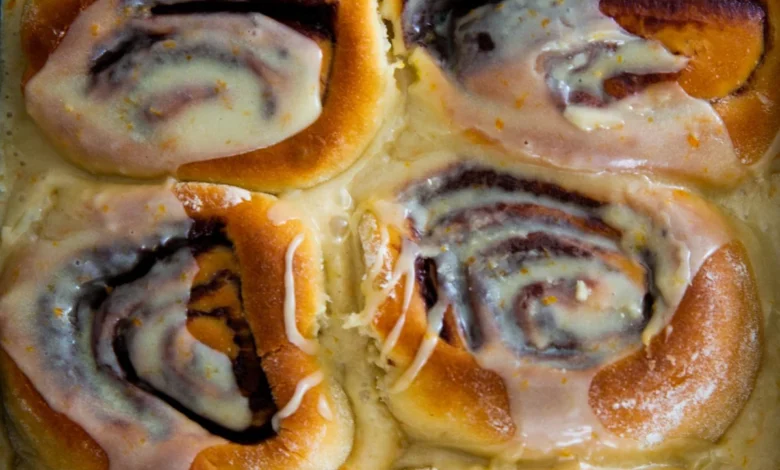
The culinary landscape of plant-based baking continues to expand rapidly as home cooks increasingly seek sophisticated alternatives to traditional comfort foods. Among the most recent developments in home-baking trends is the elevation of the classic cinnamon roll through the integration of rich cocoa fillings and citrus-infused icings. Developed by culinary educator Alejandra Graf, a new recipe demonstrates that high-end bakery results—specifically, dairy-free and egg-free chocolate cinnamon rolls finished with a vanilla and orange glaze—can be successfully achieved in a domestic kitchen without sacrificing texture or flavor profile.

This culinary report examines the methodology, nutritional profile, scientific principles of yeast-based dough manipulation, and the broader socioeconomic shift toward home-based baking that has characterized contemporary food culture.
The Evolution of Plant-Based Baking and Consumer Demand
In recent years, the market for plant-based baked goods has transitioned from niche specialty items to mainstream household staples. Industry data from culinary market researchers indicate a steady 14% year-over-year increase in consumer interest regarding vegan substitutions for traditional pastry items. Historically, laminated and enriched doughs—such as those used for brioche, croissants, and cinnamon rolls—depended heavily on dairy butter, whole milk, and eggs to achieve structural integrity, tenderness, and rich flavor profiles.
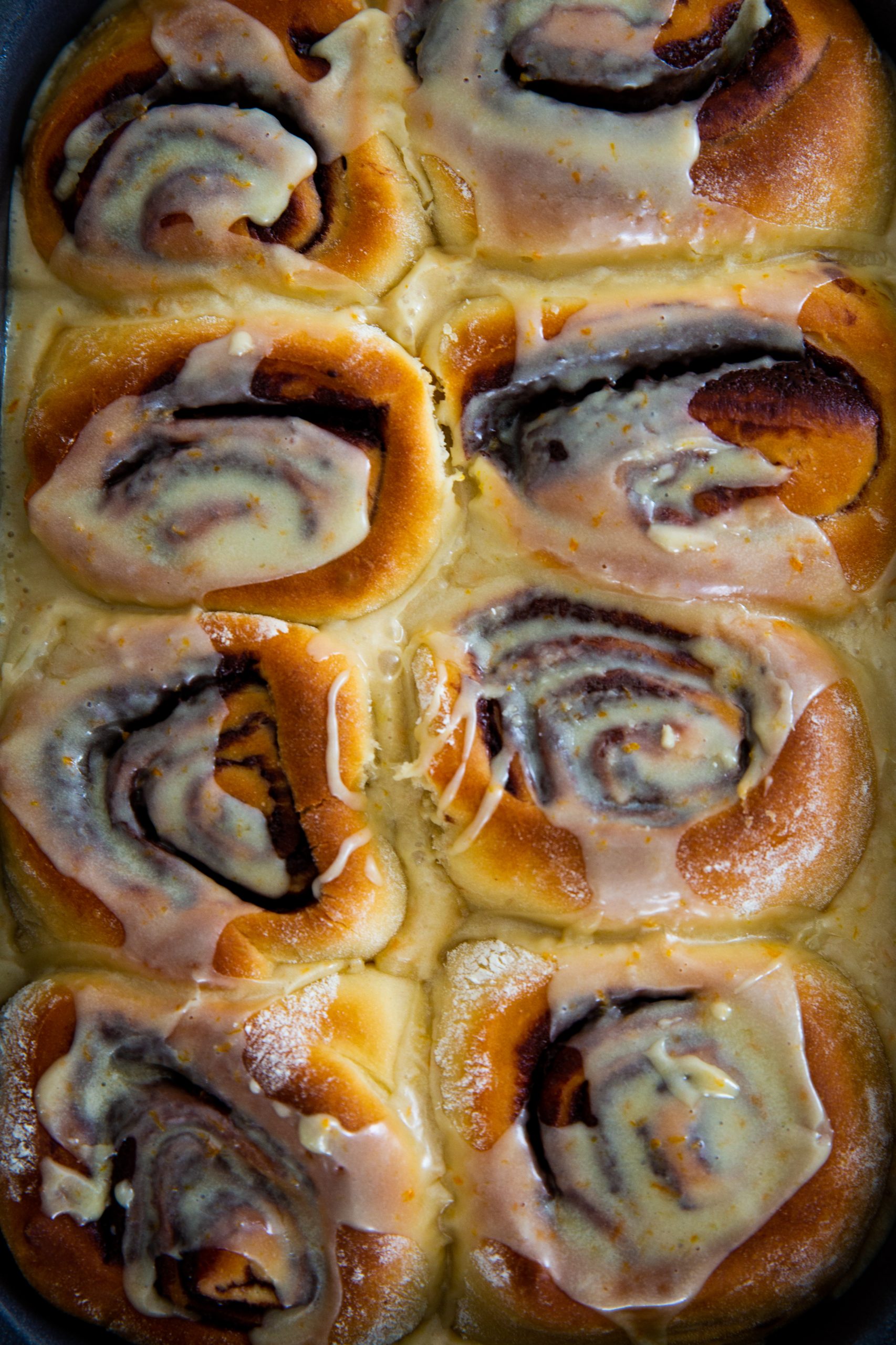
The introduction of specialized techniques utilizing high-protein unbleached flours, plant-based milks, and neutral vegetable oils or vegan butter substitutes has eliminated the structural compromises once associated with dairy-free baking. Graf’s recipe specifically addresses the intersection of traditional baking methodology and modern dietary preferences, ensuring that consumers avoiding animal products do not experience a reduction in mouthfeel, moisture retention, or crumb structure.
Scientific Principles of Yeast Activation and Dough Development
Successful execution of enriched yeast doughs requires strict adherence to thermodynamic and biochemical principles. According to professional bakers and food scientists, the primary failure point in domestic bread-making is improper yeast management.

Temperature Control and Yeast Viability
Active dry or instant yeast requires precise thermal ranges to proliferate effectively. Liquids introduced to the dry ingredients must remain strictly between 40°C and 43°C (105°F to 110°F). Temperatures exceeding 49°C (120°F) instantly deactivate the living microorganisms, resulting in dense, unrisen dough. Conversely, temperatures below 32°C (90°F) significantly delay fermentation, extending proofing times beyond practical limits.
Professional kitchens frequently utilize controlled proofing environments. In a domestic setting without a dedicated proofing drawer, bakers are advised to employ a thermal induction method: preheating an oven to its lowest setting for precisely two minutes, powering it off, and placing the covered mixing bowl inside. This creates a stable microclimate characterized by gentle ambient warmth and high humidity, which accelerates cell division in the yeast and cuts secondary proofing intervals down to approximately 15 to 30 minutes.

Gluten Matrix Formation
Unlike quick-breads or chemically leavened pastries, yeast rolls rely entirely on the development of a robust gluten matrix. Kneading—whether executed via a heavy-duty stand mixer equipped with a dough hook or manually for 8 to 10 minutes—forces the storage proteins gliadin and glutenin to align and bond, forming elastic strands capable of trapping the carbon dioxide gas produced during fermentation.
Without this structural network, the dough cannot withstand the expansion forces generated by the melting chocolate filling and expanding gases during baking, leading to structural collapse or deflation.
Step-by-Step Chronology of the Baking Process
Executing this recipe demands a structured timeline to manage fermentation, assembly, baking, and finishing.
Phase 1: Dough Preparation and Primary Fermentation (Approx. 90 Minutes)
- Activation: Combine warm plant-based milk, a pinch of sugar, and yeast to verify viability through foaming.
- Mixing: Incorporate flour, sugar, salt, and the fat source. Mix until a cohesive mass forms.
- Kneading: Develop the gluten network until the dough is smooth, elastic, and slightly tacky.
- Primary Rise: Transfer the dough to an oiled bowl, cover, and place in a warm environment until the volume has doubled (approximately 60 minutes).
Phase 2: Rolling and Filling Integration (Approx. 20 Minutes)
- Punch Down: Deflate the dough gently to release excess accumulated carbon dioxide.
- Lamination: Roll the dough out on a well-floured work surface into a precise rectangle measuring approximately one-half centimeter in thickness. Uniformity is critical to ensure even baking times.
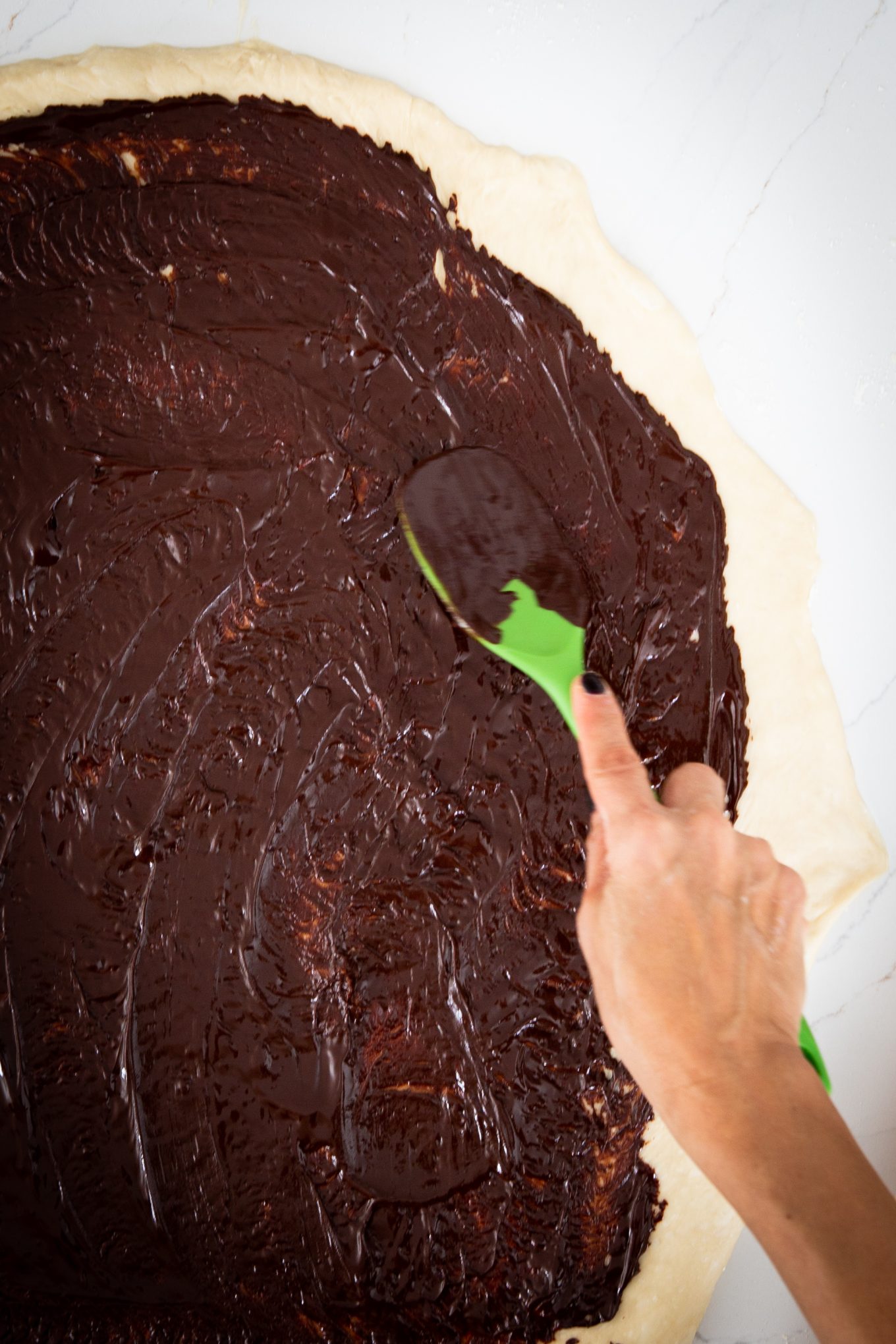
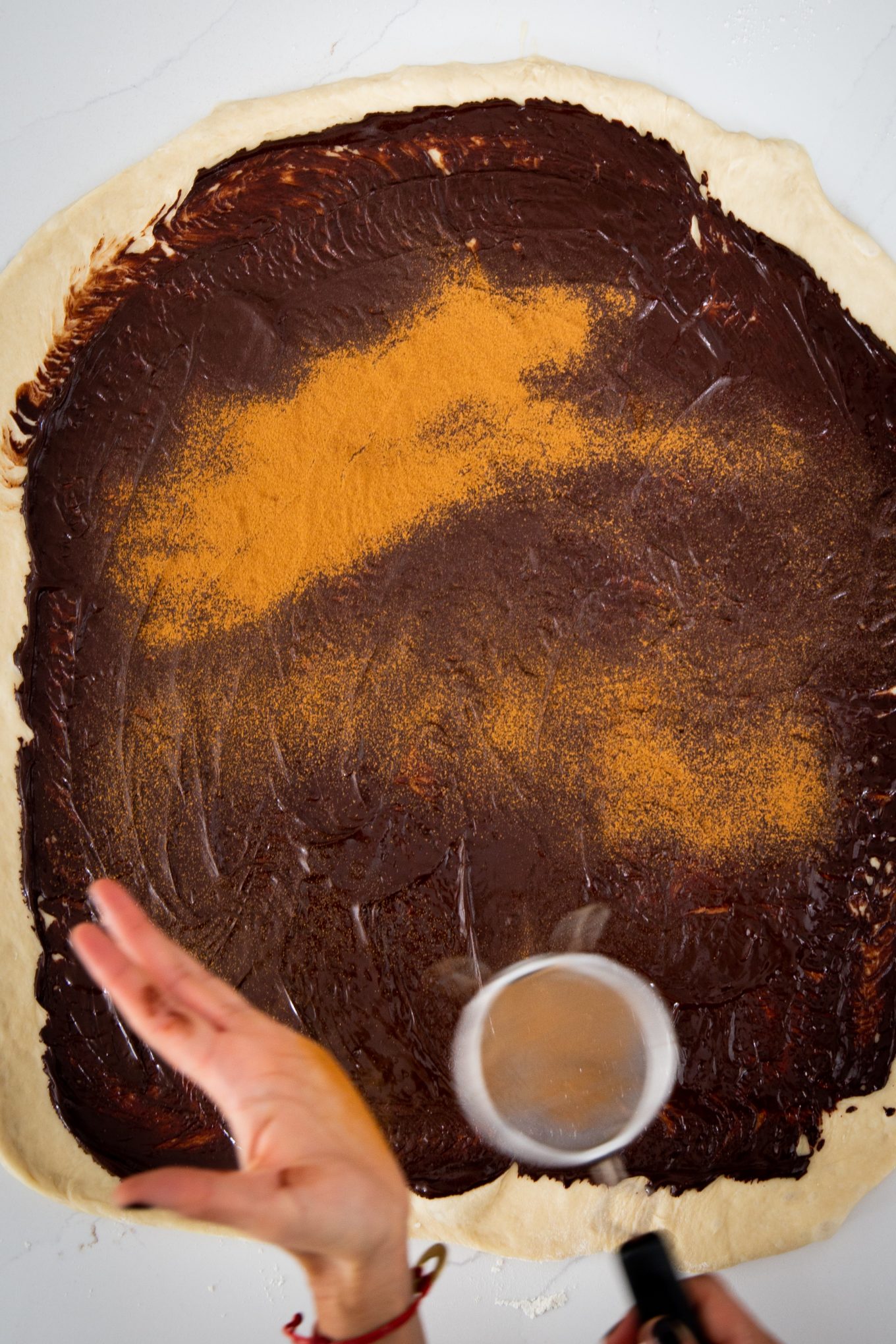
- Application: Evenly distribute the softened or melted semi-sweet vegan chocolate and ground cinnamon across the surface, leaving a small perimeter border to ensure a clean seal upon rolling.
Phase 3: Shaping, Cutting, and Secondary Proofing (Approx. 45 Minutes)
- Cylindrical Formation: Roll the rectangular sheet tightly from the long edge into a uniform log.
- Portioning: Utilize a sharp chef’s knife, a serrated blade, or unflavored dental floss to slice the log into 12 equal portions. Precision cutting prevents distortion of the internal spiral layers.
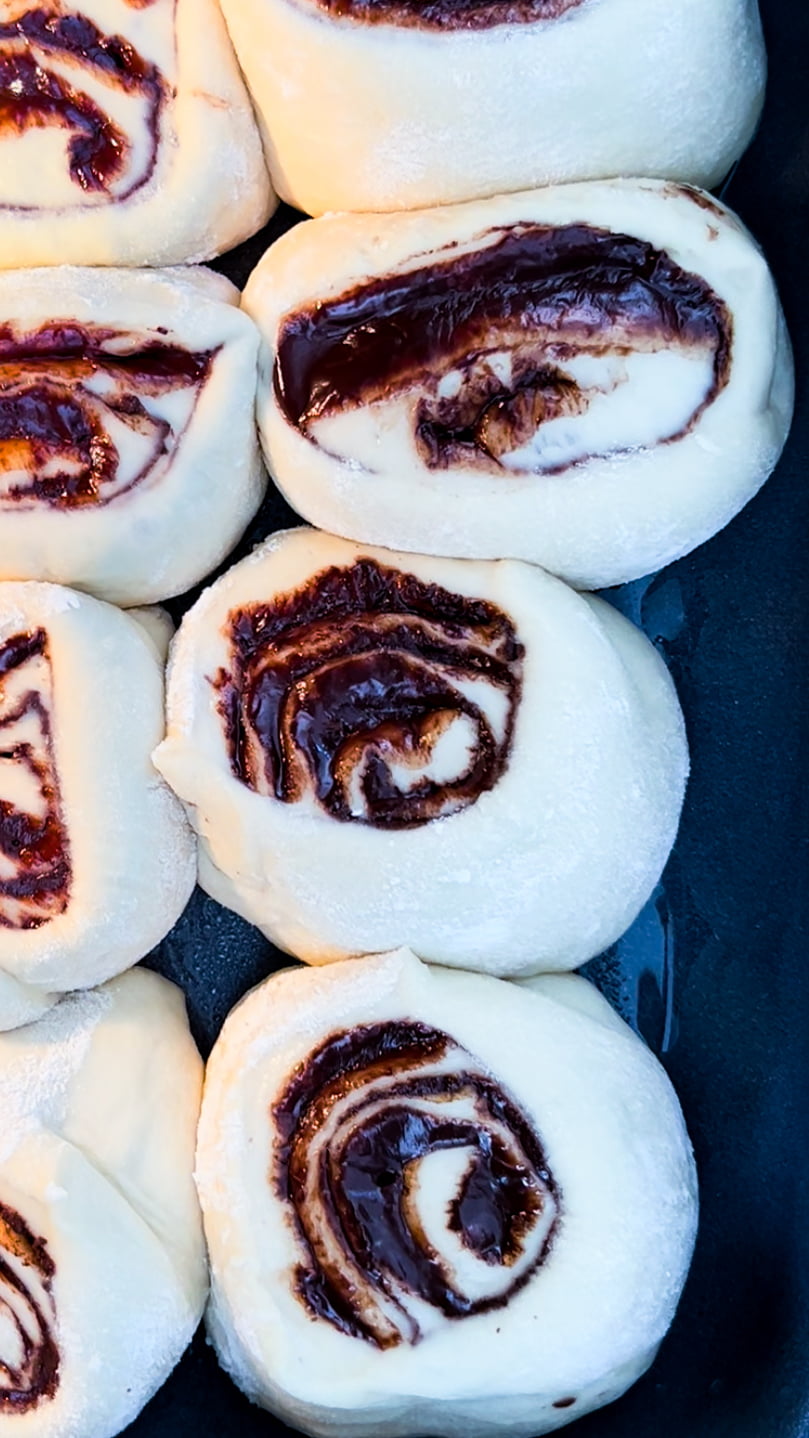
- Secondary Rise: Place the portions into a greased baking dish, allowing space for expansion. Cover and let rise until puffed and airy.
Phase 4: Baking and Temperature Verification (23 to 25 Minutes)
- Preheating: Ensure the oven is fully stabilized at 175°C (350°F).
- Browning Management: Because enriched doughs containing sugars and plant proteins brown rapidly, bakers must monitor surface coloration closely. If the tops darken prematurely after 15 minutes, tenting the baking dish loosely with aluminum foil prevents burning while allowing the interior to finish baking.
- Internal Temperature Check: To guarantee complete gelatinization of starches and full cooking of the central crumb, insert an instant-read digital thermometer into the center-most roll. A reading between 88°C and 90°C (190°F to 195°F) indicates structural completion.
Phase 5: Glazing and Finishing
- Glaze Preparation: Whisk powdered sugar, plant-based milk, vanilla extract, and freshly zested orange peel. The inclusion of fresh citrus zest introduces essential aromatic oils that cut through the density of the chocolate and sugar.
- Application Timing: Pour the glaze over the rolls while they remain warm. The residual thermal energy causes the glaze to partially melt and capillary-action its way between the interior pastry layers.
Nutritional Profile and Dietary Implications
Analysis of the nutritional composition reveals a balanced profile for an enriched pastry item. Each individual serving (calculated on the basis of a 12-portion yield) provides approximately:
- Calories: 291 kcal
- Total Carbohydrates: 63 g
- Dietary Fiber: 2 g
- Sugars: 25 g
- Protein: 5 g
- Total Fat: 3 g
- Saturated Fat: 1 g
- Sodium: 214 mg
The deliberate omission of dairy products reduces overall saturated fat content compared to traditional butter-based equivalents, while the use of semi-sweet dark or plant-based chocolate chips introduces trace antioxidants. Nutritionists note that while pastries remain high in glycemic carbohydrates, providing options free of animal-derived fats broadens accessibility for consumers managing lactose intolerance, dairy allergies, or ethical dietary restrictions.
Industry Analysis: The Rise of Overnight Prep Methods
A significant consumer trend highlighted in modern baking literature is the commercial and domestic adoption of deferred refrigeration techniques. For home bakers operating under strict time constraints, executing a multi-hour yeast recipe on a weekday morning is frequently impractical.
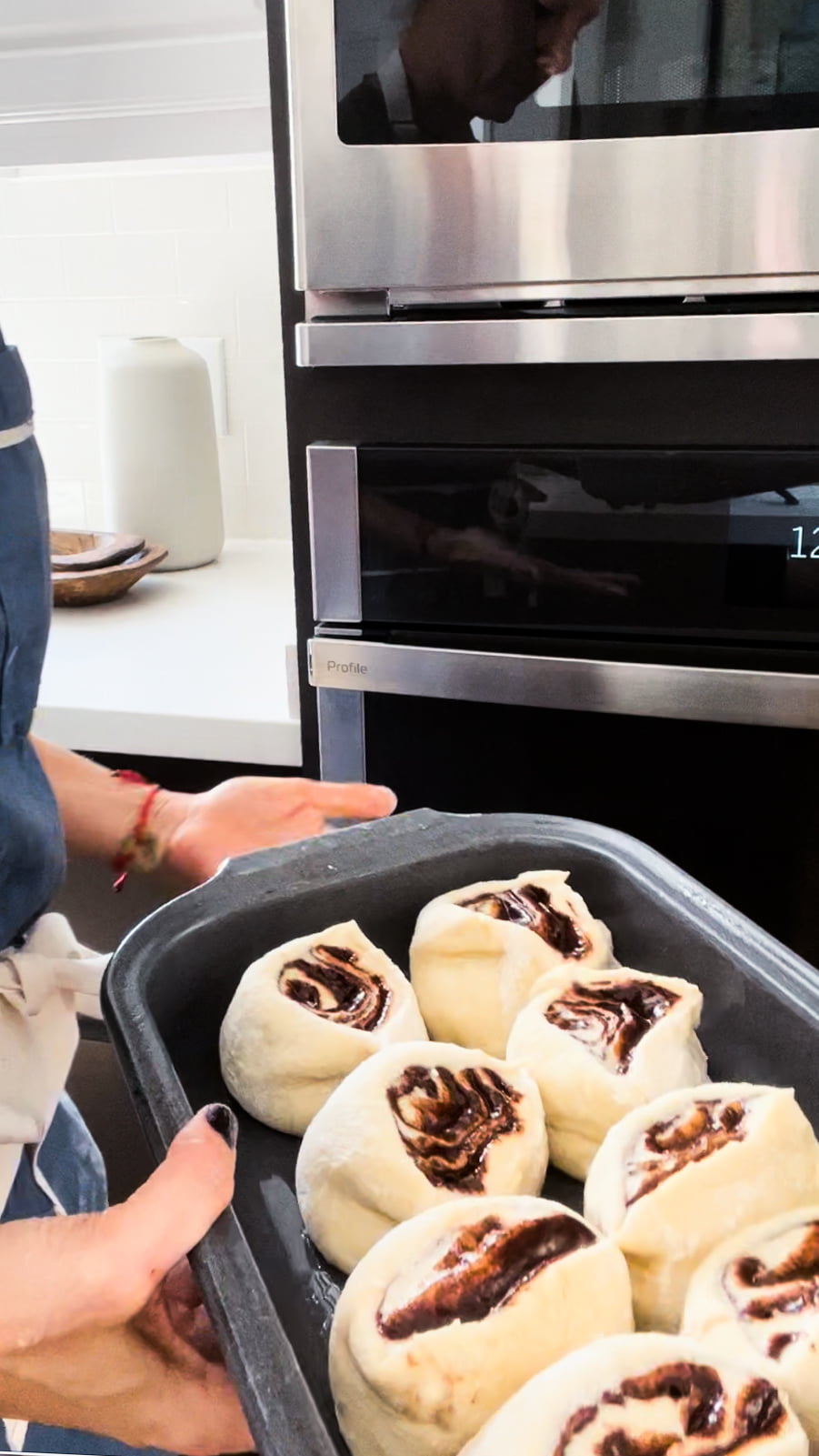
Graf’s protocol accounts for this by integrating an overnight retarding step. By assembling the unbaked, cut rolls in their baking pan and transferring them immediately to a refrigerator (maintaining a temperature of 2°C to 4°C) for 8 to 12 hours, the cold environment stalls yeast activity while allowing the complex starches to break down slowly. This cold fermentation period actually enhances the flavor profile of the bread, yielding a more complex, artisanal taste reminiscent of long-fermentation sourdoughs.
Upon retrieval in the morning, a standard 45-to-60-minute bench rest at ambient room temperature allows the yeast to reactivate safely, permitting home cooks to serve freshly baked, oven-hot pastries without early-morning preparation stress.
Preservation, Storage, and Food Safety Standards
Proper post-bake handling ensures both food safety and texture retention:
- Short-Term Storage: Glazed rolls maintained in an airtight container at room temperature remain palatable for up to 48 hours. Refrigeration extends this window to five days, though retrogradation of the starch molecules will cause the crumb to firm up. Reheating individual portions in a microwave for 15 to 20 seconds restores internal moisture and softness.
- Long-Term Freezing: Unglazed, fully baked rolls can be tightly wrapped in plastic film and heavy-duty aluminum foil, then frozen for up to two months. Thawing should occur gradually at room temperature, followed by a brief warm-through in a conventional oven prior to the application of fresh vanilla-orange glaze.
Conclusion
The widespread interest in sophisticated vegan baking recipes highlights a broader culinary movement toward inclusivity without compromise. By combining meticulous temperature control, sound biochemical principles of yeast fermentation, and elevated flavor pairings like dark chocolate and citrus zest, modern home bakers can replicate and occasionally surpass commercial bakery standards within a domestic environment.