The modern cocktail landscape is currently dominated by a resurgence of interest in classic gin-based libations. While the Martini has undergone a comprehensive renaissance, and the Negroni has been deconstructed into a thousand variations—ranging from seasonal fruit infusions to complex, dessert-inspired flavor profiles—the broader canon of historical cocktails remains a vast, largely untapped reservoir. Beyond the well-trodden path of the standard bar menu lie "minor classics" and long-lost aperitivi that offer a deeper understanding of cocktail history. Exploring these hidden gems provides a window into the evolution of mixology, from the post-war bars of Rome to the refined speakeasies of the 1990s London scene.
The Evolution of the Italian Aperitivo: The Cardinale
The Cardinale serves as a poignant example of how a cocktail can evolve to reflect changing tastes and regional preferences. Originally conceived in Rome in 1950 to honor a visiting cardinal, the drink’s foundational profile was centered on the interplay between gin, Campari, and white wine. As the decades progressed, the drink underwent a subtle transformation, with dry vermouth frequently replacing white wine. This shift toward vermouth resulted in a more austere, bone-dry profile that aligns with modern preferences for sharper, less saccharine aperitivi.

Bartender Naren Young has been a vocal proponent of this evolution, often substituting standard ingredients with alternatives like Contratto Bitter to achieve a more nuanced balance. The historical significance of the Cardinale lies in its status as a direct sibling to the Negroni. While the Negroni is universally recognized, the Cardinale represents a more precise, sophisticated iteration of the bitter-gin-vermouth triad. Recent trends in the RTD (ready-to-drink) market have also seen a surge in interest regarding the "Campari Soda" variation, which utilizes the iconic Italian bottled cocktail as a base to create a taller, sparkling, and lower-ABV version of the classic recipe.
Transatlantic Influences and the Star Daisy
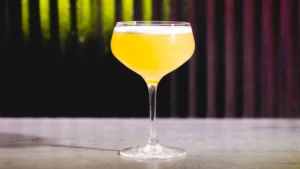
The Star Daisy highlights the intersection of disparate spirits—specifically London dry gin, apple brandy, and dry Curaçao. This cocktail, popularized by the late Sasha Petraske at the seminal Milk & Honey bar in New York, demonstrates the power of unlikely ingredient pairings. The drink is an exemplar of balance; the bright, citrus-forward nature of the gin and Curaçao is grounded by the deep, orchard-fruit notes of the apple brandy.
For many professionals, the Star Daisy is viewed as a "year-round" cocktail, capable of bridging the gap between the refreshing requirements of summer and the warming, spiced profiles preferred in autumn. Joaquím Simó, a noted figure in the New York bar scene, has refined the preparation by incorporating a touch of simple syrup. This addition serves a functional purpose, providing a richer, silkier texture that carries the aromatic profile of the spirits more effectively across the palate. The enduring appeal of the Star Daisy lies in its structural simplicity, which belies a complex interplay of flavors that remain relevant nearly a century after the broader "Daisy" family of cocktails was first categorized.

Technical Precision in the Gin Fizz Tropical
The Gin Fizz Tropical, as documented in Charles H. Baker’s 1939 anthology, The Gentleman’s Companion, is a testament to the mid-century fascination with exoticism and technical prowess. Unlike the standard Gin Fizz, which relies on citrus and soda for its effervescence, the tropical variation leans into richer, more aromatic components. Chef and restaurateur Charles Phan has been instrumental in the modern revival of this drink, notably swapping fresh pineapple juice for a more concentrated pineapple gum syrup.
The substitution of orgeat for traditional heavy cream is a significant technical shift, adding a nutty, floral dimension that complements the gin without overwhelming it. The preparation of the Gin Fizz Tropical is particularly noteworthy for its emphasis on technique. Phan emphasizes that the key to achieving the signature "silver" froth is not merely the ingredients, but the kinetic energy of the shake. Using three or four large ice cubes allows for longer shaking times, which is essential for creating the tight, stable foam that defines a successful fizz. This focus on the "shaking ritual" reflects a broader trend in high-end hospitality: prioritizing the physical craft of drink-making as much as the sourcing of ingredients.
The Minor Classics: The Wibble and the Modernist Era
The Wibble, a product of the 1990s London bar scene, occupies a curious space in the cocktail canon. Created by the legendary Dick Bradsell—the mind behind the Espresso Martini—the Wibble is composed of gin, sloe gin, grapefruit, lemon, and crème de mûre. Drinks expert Robert Simonson has characterized the Wibble as a "minor classic," a term that suggests a drink of high quality and historical integrity that has yet to achieve global ubiquity.

While the Wibble has remained a staple in London, its migration to other European hubs—including Amsterdam, Copenhagen, and Gothenburg—suggests that its status may be shifting. The drink represents the bridge between the classic era and the modern craft cocktail movement, which emphasizes the use of liqueurs and fresh fruit to create balanced, albeit complex, profiles. The Wibble’s popularity in northern European cities underscores a growing appetite for drinks that offer a distinct departure from the hyper-dry, spirit-forward cocktails that dominated the late 2000s and 2010s.
Semantic Power: The Obituary and the New Orleans Legacy
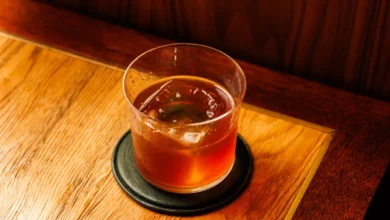
The Obituary cocktail serves as a compelling case study in the power of nomenclature in the hospitality industry. A Martini riff elevated by a few dashes of absinthe, the drink finds its spiritual home in New Orleans, a city with an unrivaled pedigree in cocktail culture. The inclusion of absinthe provides an aromatic, anise-heavy finish that transforms the standard dry Martini into something more evocative and mysterious.
William Elliott of Maison Premiere has noted that the cocktail’s revival is partially due to the shifting perception of absinthe, which has moved from a forbidden substance to a standard bar tool. However, Elliott also attributes the drink’s success to its provocative name. In the world of high-volume, high-concept cocktail bars, the ability to create a memorable customer interaction is paramount. The Obituary forces the patron to engage with the menu, to articulate the name, and to acknowledge the weight of the order. This psychological element of the service experience is an often-overlooked factor in why certain "forgotten" cocktails manage to break through to modern audiences.

Broader Implications for the Industry
The collective revival of these five drinks—the Cardinale, Star Daisy, Gin Fizz Tropical, Wibble, and the Obituary—signals a maturation in the global cocktail market. As consumers become more educated, the demand for depth and historical context increases. Modern bars are moving away from the "re-invention" model, where every drink must be an original creation, and toward a "curation" model, where the bartender acts as a bridge to the past.
Data from the hospitality sector indicates that establishments featuring "forgotten classics" on their menus often report higher guest retention rates. This is likely due to the "discovery" element of the experience, where a guest feels a sense of reward for ordering a drink that is not listed on every competing menu. Furthermore, the sustainability of these drinks is high; they generally rely on traditional techniques and accessible, high-quality spirits, making them easier to replicate across different markets without the need for proprietary ingredients or complex, lab-based preparations.
As the industry looks forward, the focus is likely to remain on these niche classics. The ability to tell the story of a drink—the Roman cardinal, the London speakeasy, or the New Orleans tradition—adds value that a mere ingredient list cannot replicate. Whether these drinks will ever reach the saturation levels of the Negroni remains to be seen, but their presence on the world’s best bar menus is a clear indicator that the future of the cocktail is, in many ways, rooted firmly in the past.