The culinary intersection of red wine and steak represents one of the most enduring and analytically studied traditions in gastronomy. As consumer interest in artisanal food and beverage pairings continues to expand globally, understanding the chemical and textural interactions between specific cuts of beef and varietal wines has transitioned from an informal preference to a distinct culinary science. Across the culinary and agricultural sectors, industry analysts note that the global market for premium beef and fine wine pairings has experienced sustained growth, driven by an increasingly discerning consumer base interested in the mechanics of flavor profiles, tannin structures, and fat distribution.
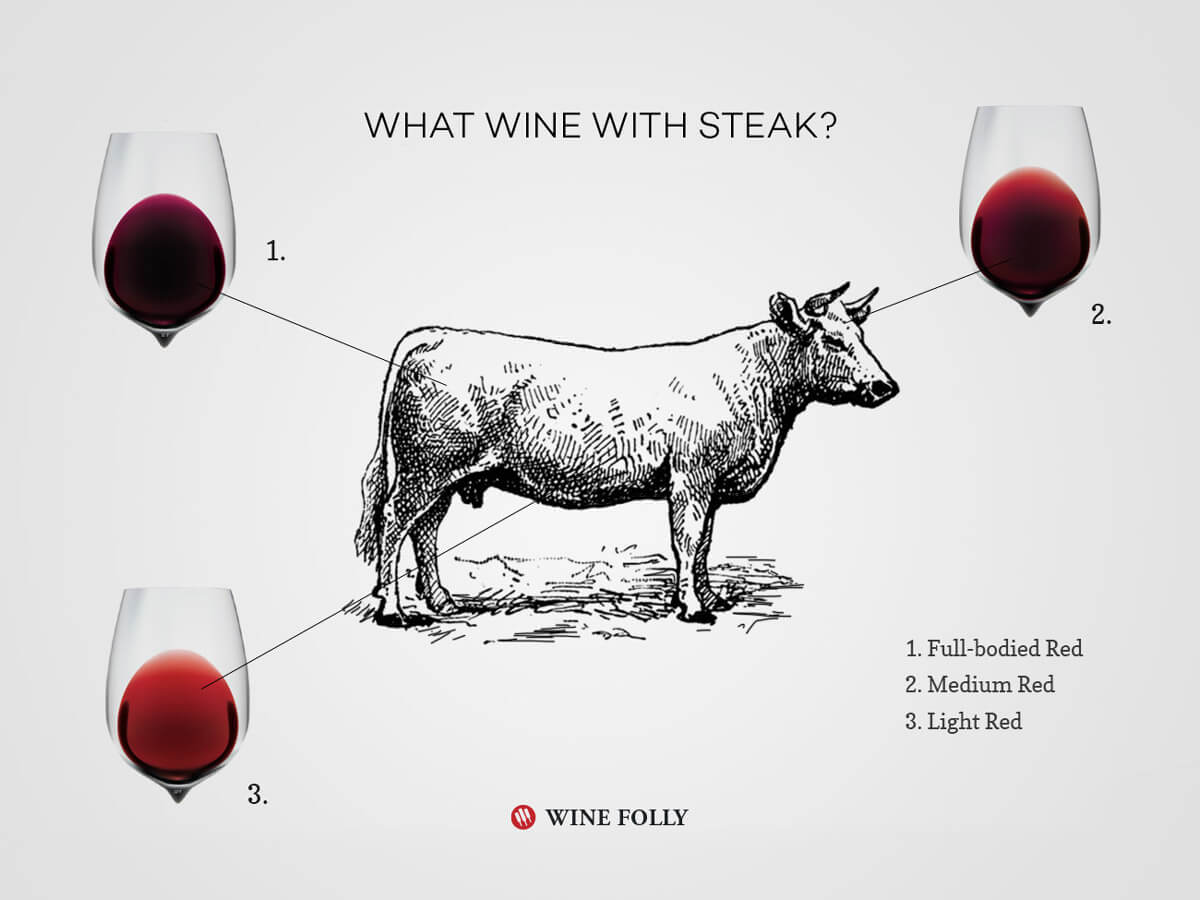
To understand why certain wines elevate specific cuts of beef, one must examine the fundamental science of food pairing. Red wines contain compounds known as tannins—polyphenols derived from grape skins, seeds, and stems, as well as oak barrels during aging. When consumed, tannins interact with proteins in human saliva, creating a drying, puckering sensation. When paired with a rich, fatty cut of steak, the lipids in the beef coat the palate, softening the astringency of the tannins while the wine simultaneously cleanses the palate of heavy fats. Conversely, leaner cuts of meat lack sufficient fat content to balance heavy, high-tannin wines, requiring lighter-bodied reds with higher acidity to prevent the protein from tasting dry or metallic.

This foundational rule—matching lean meats with lighter wines and rich, fatty cuts with high-tannin alternatives—serves as the baseline for culinary professionals. However, modern gastronomy demands a more granular approach, taking into account preparation methods, seasoning, marbling, and cooking temperatures. Culinary experts and sommeliers emphasize that variables such as pan-searing versus wood-smoked barbecuing fundamentally alter the chemical composition of the final dish, necessitating tailored wine selections for each distinct cut of beef.
The Anatomy of Sirloin: Versatility and Preparation Dynamics
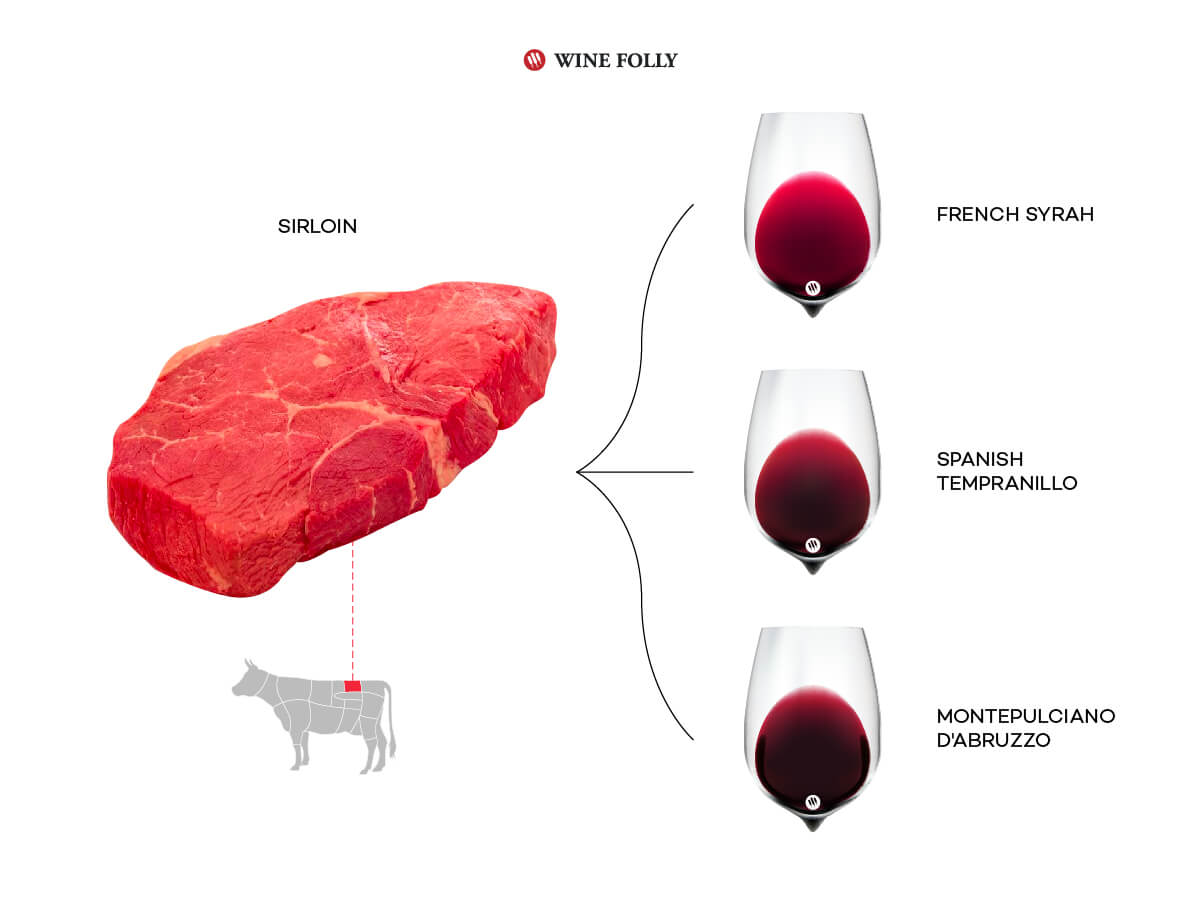
The sirloin remains one of the most commercially prevalent cuts in the retail and restaurant sectors, prized for its accessibility and balanced flavor profile. Characterized by a relatively lean structure with light fat marbling and a distinct strip of fat along the edge, the sirloin acts as a culinary workhorse. It adapts readily to various cooking methods, including grilling, oven roasting, and pan-searing, though high-heat grilling tends to render the external fat cap most effectively.
Because the sirloin can be subjected to a wide array of spice rubs, marinades, and pan sauces, selecting a wine requires flexibility. Sommeliers typically recommend medium- to full-bodied red wines that possess enough structural integrity to handle savory seasonings without overwhelming the natural beef flavor. The primary objective when pairing with sirloin is to account for the versatility of the cut; therefore, wines featuring bright red fruit characteristics combined with moderate acidity and supple tannins provide a reliable bridge across various culinary preparations.
Ribeye and Bone-In Cuts: Navigating Richness and Marbling
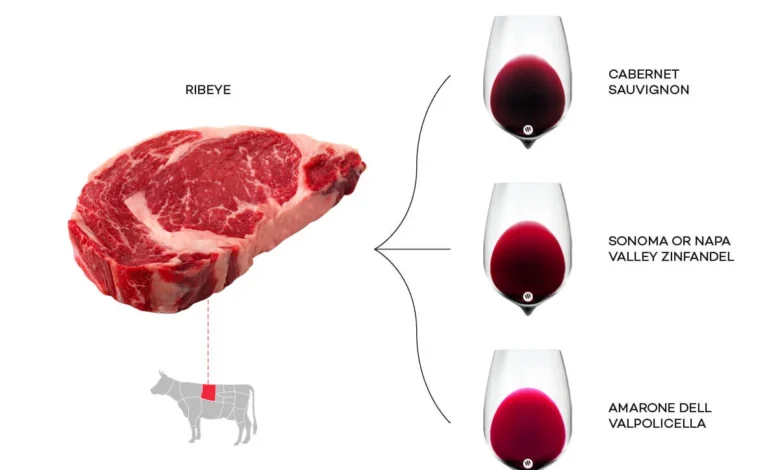
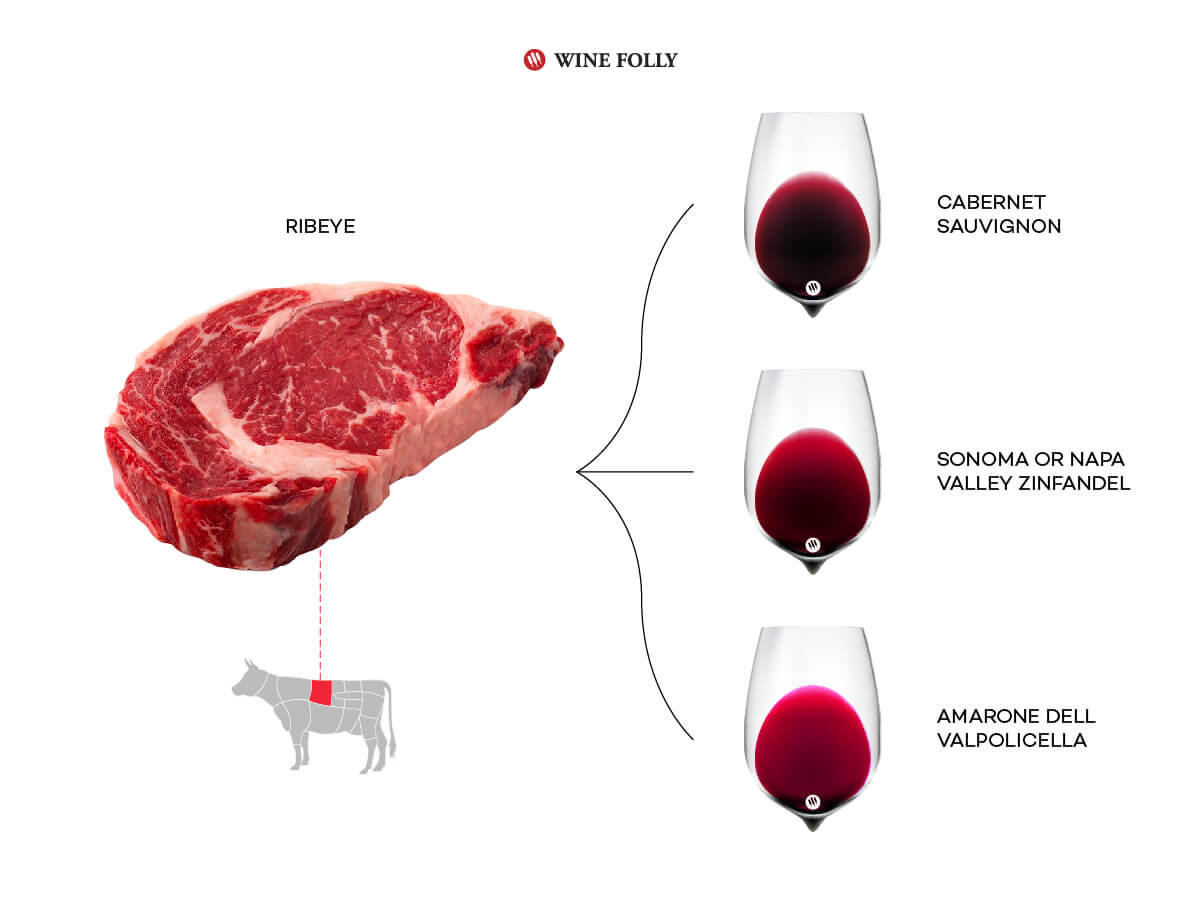
At the opposite end of the textural spectrum lies the ribeye, widely recognized by culinary professionals as one of the richest and most flavorful cuts available. Sourced from the upper rib section of the steer, the ribeye is defined by extensive intramuscular fat marbling. This high fat content melts during the cooking process, infusing the muscle fibers with a buttery texture and intense savory characteristics. Bone-in variations follow identical compositional rules, though the presence of the rib bone can alter heat conduction during the cooking process, requiring careful temperature management.
From an analytical perspective, the rich fat profile of a ribeye demands a wine capable of standing up to heavy lipids. High-tannin red wines are traditionally deployed in these scenarios, as the proteins and fats in the meat bind to the tannins, neutralizing the astringency and leaving a harmonious balance on the palate. Alternatively, bold, fruit-forward red wines with robust flavor profiles offer a stark, complementary contrast to the richness of the beef, ensuring that neither the food nor the beverage dominates the dining experience.
Porterhouse and T-Bone: Balancing Dual Textures
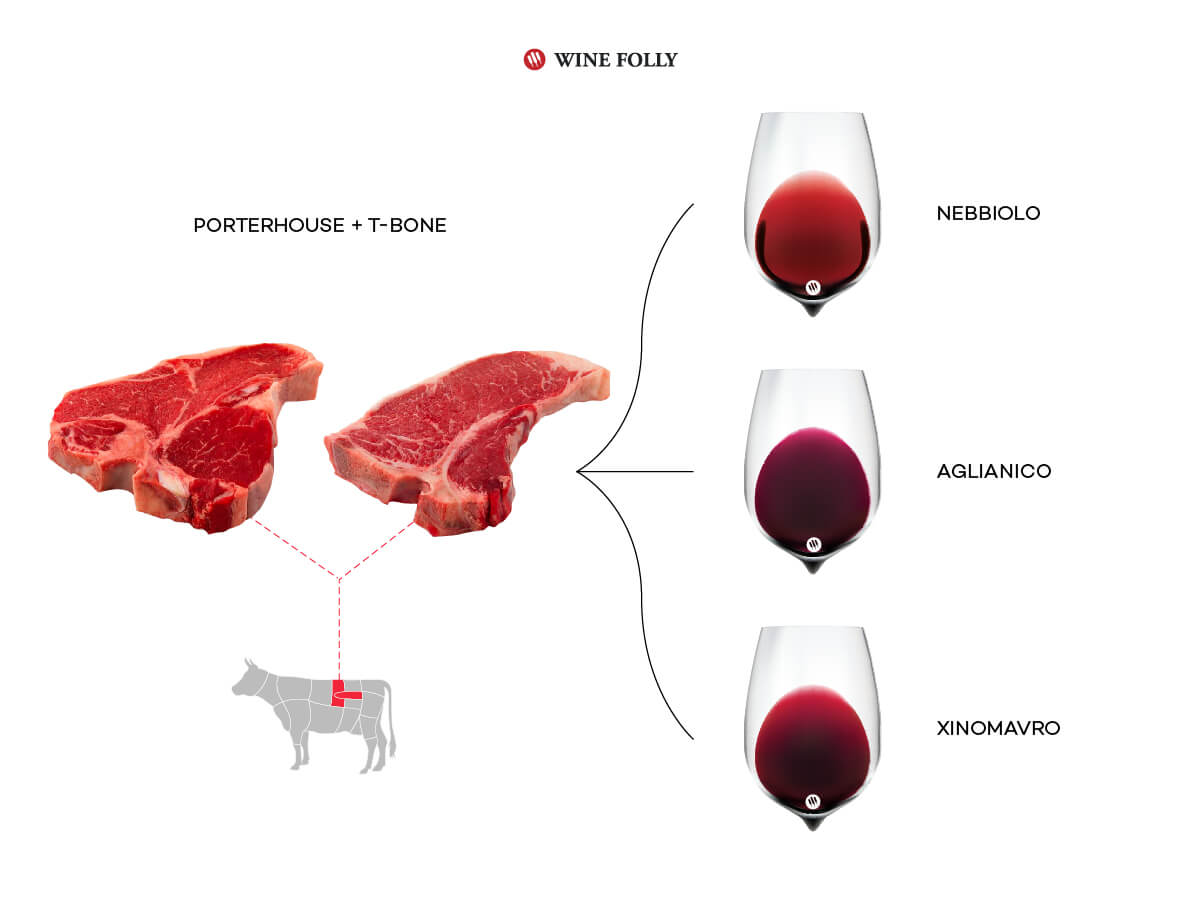
The porterhouse and the T-bone represent a unique structural combination within a single plate, featuring a T-shaped lumbar vertebra that separates two distinct muscles: the larger strip loin on one side and the tender tenderloin on the other. While chemically and texturally similar—often leading to overlapping culinary classifications—the dual nature of these cuts requires careful consideration. The strip side offers a firmer texture and robust flavor, while the tenderloin side provides exceptional tenderness with a milder profile.
Cooking these cuts requires precision, as the disparate thicknesses of the two muscles can lead to uneven cooking if not properly managed on the grill or in a heavy skillet. When selecting a wine for a porterhouse or T-bone, the objective is to complement the combined characteristics of both distinct sections. Aromatic, structured red wines with complex flavor profiles bridge the gap between the lean tenderness of the filet and the bolder, grain-rich flavor of the strip, creating a unified sensory experience.
Filet Mignon: Precision Pairing for Delicate Textures
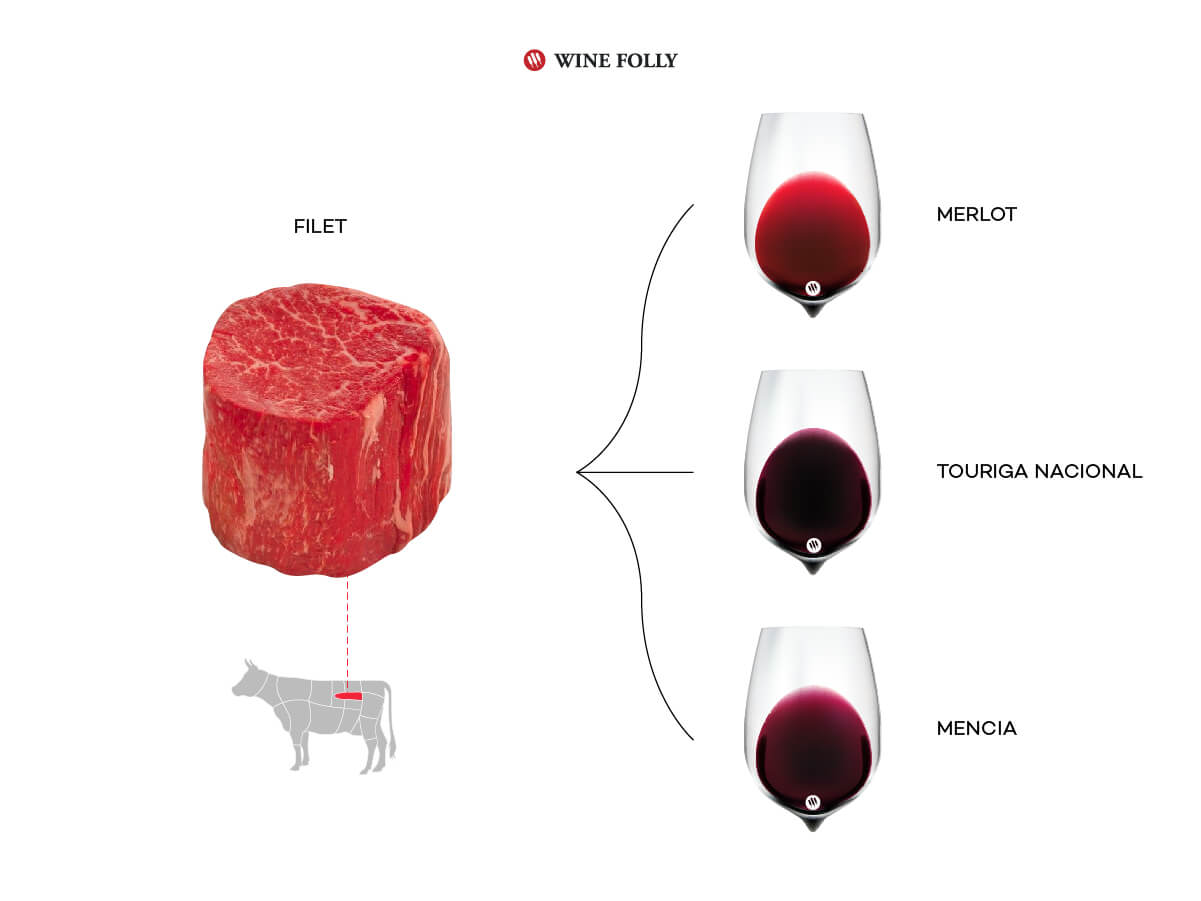
Frequently described as the premier cut of beef, the filet mignon is harvested from the tenderloin—a muscle that does little heavy lifting, resulting in a remarkably tender texture with very little connective tissue. However, this lack of exercise also means the cut possesses a more subtle, delicate beef flavor compared to heavily marbled cuts like the ribeye. Filet mignon is frequently prepared via high-heat pan-searing followed by butter-basting, and it is often accompanied by rich reduction sauces, mushroom duxelles, or classic bearnaise.
Because of its delicate flavor profile, pairing wine with filet mignon requires restraint. Overly aggressive, high-tannin wines can easily overpower the subtle nuances of the meat. Sommeliers advise selecting refined, elegant red wines that maintain a lower tannin profile while offering complex secondary aromas. These wines complement the luxurious texture of the beef without stepping on its toes, allowing the subtle umami notes of the meat to remain central to the culinary experience.
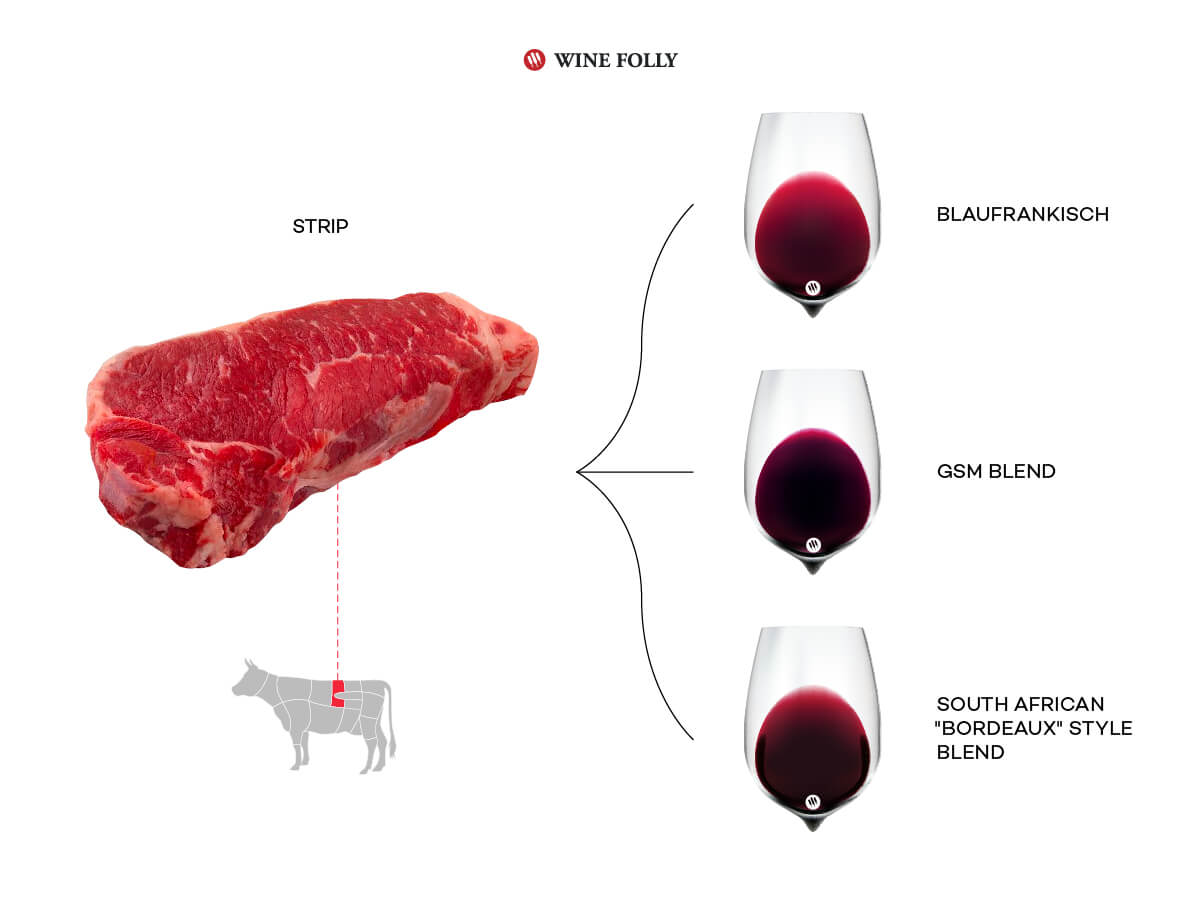
Strip Loin: Texture, Grain, and Heat Management
Known regionally as the New York strip, shell steak, or Kansas City strip, the strip loin is sourced from the animal’s short loin. It is characterized by a pronounced grain, a notable strip of external fat, and a higher concentration of connective tissue compared to the tenderloin. When properly prepared—ideally in a seasoned cast-iron skillet with butter-basting and adequate resting time—the strip yields a deeply savory, beef-forward flavor profile.
The culinary challenge of the strip loin lies in its combination of robust flavor and substantial fat content. To successfully pair with a strip steak, a wine must possess both the acidity to cut through the fat and the fruit concentration to match the intense beef flavor. Full-bodied reds with prominent structural tannins and bright acidity perform exceptionally well here, effectively cleaning the palate between bites while enhancing the savory notes developed through the searing process.
Rump Cuts: Managing Firm Muscle Fibers
Sourced from the rear quarters of the animal, the rump cut originates from a heavily exercised muscle group, resulting in a firmer texture and a deep, intense beef flavor. While less tender than loin cuts, the rump is valued for its economy and robust taste profile. It often benefits from specialized preparation techniques, including marinades, slow roasting, or braising, though it can be successfully prepared as a traditional steak if sliced thinly against the grain.
The integration of marinades and sauces in rump steak preparations introduces complex variables into the wine-pairing equation. When selecting a red wine for rump cuts, diners must evaluate not only the inherent firmness and robust flavor of the beef but also the dominant flavors of any accompanying reductions or spice rubs. Medium- to full-bodied reds with supportive tannin structures assist in balancing the firm texture of the meat while harmonizing with savory preparation methods.
Flank and Skirt: The Science of Chewy Textures
Flank and skirt steaks are harvested from the abdominal muscles and the diaphragm, respectively. Both cuts feature long, visible muscle fibers and significant connective tissue, making them inherently tougher than loin cuts. If overcooked, these steaks can quickly become unpalatable, earning them a reputation among novice cooks that requires careful attention to cooking time and slicing technique. They are frequently subjected to acidic marinades—which help break down muscle fibers—and are ideally cooked rapidly over high heat to a medium-rare or rare finish.
When pairing wine with flank or skirt steak, the primary objective is to soften the perception of chewiness while complementing the rich, mineral-heavy flavor of the beef. Wines selected for these cuts typically feature robust fruit characteristics and balanced acidity, which work in tandem with the natural fats and proteins to transform a potentially chewy dining experience into a savory, cohesive meal.
Brisket: Low, Slow, and the Chemistry of Smoke
While brisket is not traditionally classified as a standard steak cut, its prominent role in barbecue culture warrants inclusion in comprehensive pairing guides. Sourced from the breast or lower chest of the animal, brisket consists of heavily exercised muscles supported by substantial connective tissue and fat deposits. It requires specialized cooking methodologies—specifically, prolonged exposure to low, indirect heat over the course of many hours, frequently utilizing wood smoke from sources such as hickory, oak, or mescal wood.
The introduction of smoke fundamentally alters the chemical profile of the meat, infusing it with volatile aromatic compounds, phenols, and guaiacols. Consequently, wine selection for brisket is heavily influenced by the type of wood fuel utilized in the smoking process. Robust red wines with spicy undertones, dark fruit notes, and integrated tannins are uniquely positioned to complement and enhance the smoky, charred exterior and tender, rendered interior of a properly prepared brisket.
Broader Implications and Industry Trends
As culinary education becomes more accessible through digital platforms, consumer interest in the mechanics of food and wine pairing continues to yield measurable shifts in retail and restaurant purchasing patterns. Wine merchants and beef producers increasingly collaborate on cross-promotional campaigns, educating consumers on how regional wine styles—such as bold Napa Valley Cabernets, structured Bordeaux blends, or spicy Argentine Malbecs—interact with specific grading categories of beef, including USDA Prime, Choice, and grass-fed alternatives.
Ultimately, while established guidelines provide a reliable framework for pairing wine and steak, culinary professionals emphasize that individual preference remains the ultimate arbiter. Regional variations, personal thresholds for tannin sensitivity, and unique seasoning choices ensure that the exploration of wine and steak pairing remains an evolving, highly personal culinary journey.