The culinary intersection of red wine and steak represents one of the foundational cornerstones of gastronomy, blending the robust protein structures of beef with the complex acidity, tannins, and fruit profiles of viticultural production. As consumer interest in artisanal dining and home-cooked gourmet meals continues to expand, culinary scientists and sommeliers have increasingly emphasized that the success of this pairing relies not merely on a blanket rule of red wine with red meat, but on a precise chemical interaction between the fat, protein, and cooking methods of the steak and the chemical compounds of the wine.

Historically, the pairing of beef and wine traces its roots back to traditional European winemaking regions, particularly Bordeaux and the Rhône Valley, where local agricultural practices naturally aligned cattle farming with regional viticulture. Over the centuries, culinary traditions evolved from basic sustenance into a sophisticated science. Modern food science has since validated these traditional pairings, demonstrating how tannins—astringent polyphenols found in grape skins, seeds, and stems—bind to proteins and lipids in the mouth. This binding action cleanses the palate after a rich bite of beef, while the fat of the meat simultaneously softens the perception of high tannins in the wine, creating a harmonious balance.
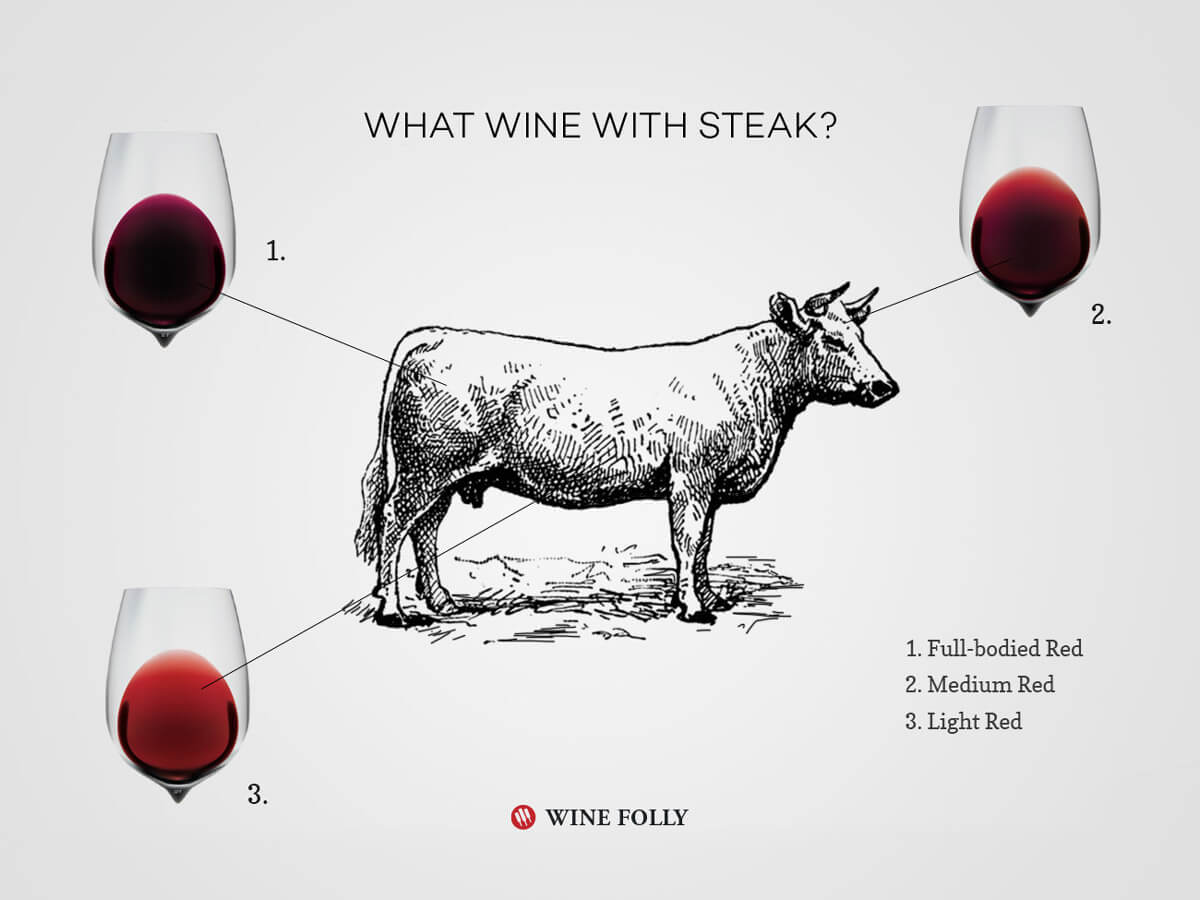
To achieve this equilibrium, modern gastronomy categorizes steak cuts by their fat content, muscle density, and preparation methods. Leaner cuts require lighter-bodied red wines with lower tannin levels to avoid overpowering the delicate flavor profile of the meat. Conversely, heavily marbled cuts demand bold, high-tannin wines capable of cutting through the rich lipid content. Culinary experts note that preparation—whether pan-seared in butter, dry-aged, or slow-smoked over hickory—further dictates the necessary wine selection by altering the surface chemistry of the meat.
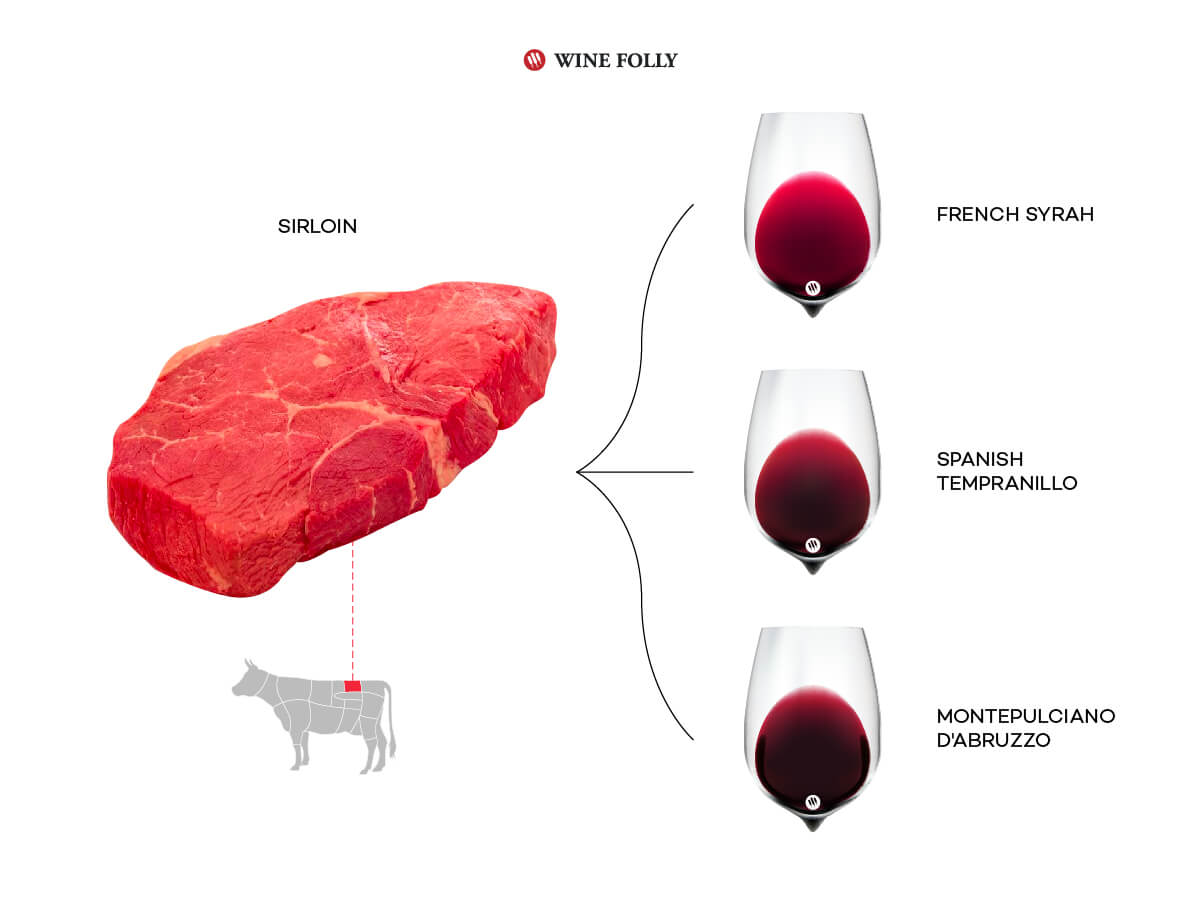
Understanding the Sirloin: Versatility and Preparation
The sirloin remains one of the most widely consumed cuts globally, prized for its balance of beefy flavor and moderate leanness. Featuring light fat marbling typically accompanied by a distinct strip of fat along the edge, the sirloin adapts to a wide variety of cooking techniques, including oven roasting, pan-searing, and grilling. Because this cut serves as a culinary workhorse, it frequently accommodates diverse spice rubs, marinades, and reductions. Consequently, wine selections for sirloin must offer structural flexibility. Sommeliers generally recommend versatile medium- to full-bodied dry red wines that can bridge the gap between the lean muscle tissue and any accompanying sauces or seasonings. Diners are encouraged to evaluate their specific seasoning profiles—shifting toward fruit-forward options for sweet or acidic sauces, or earthier profiles for herb-crusted preparations.
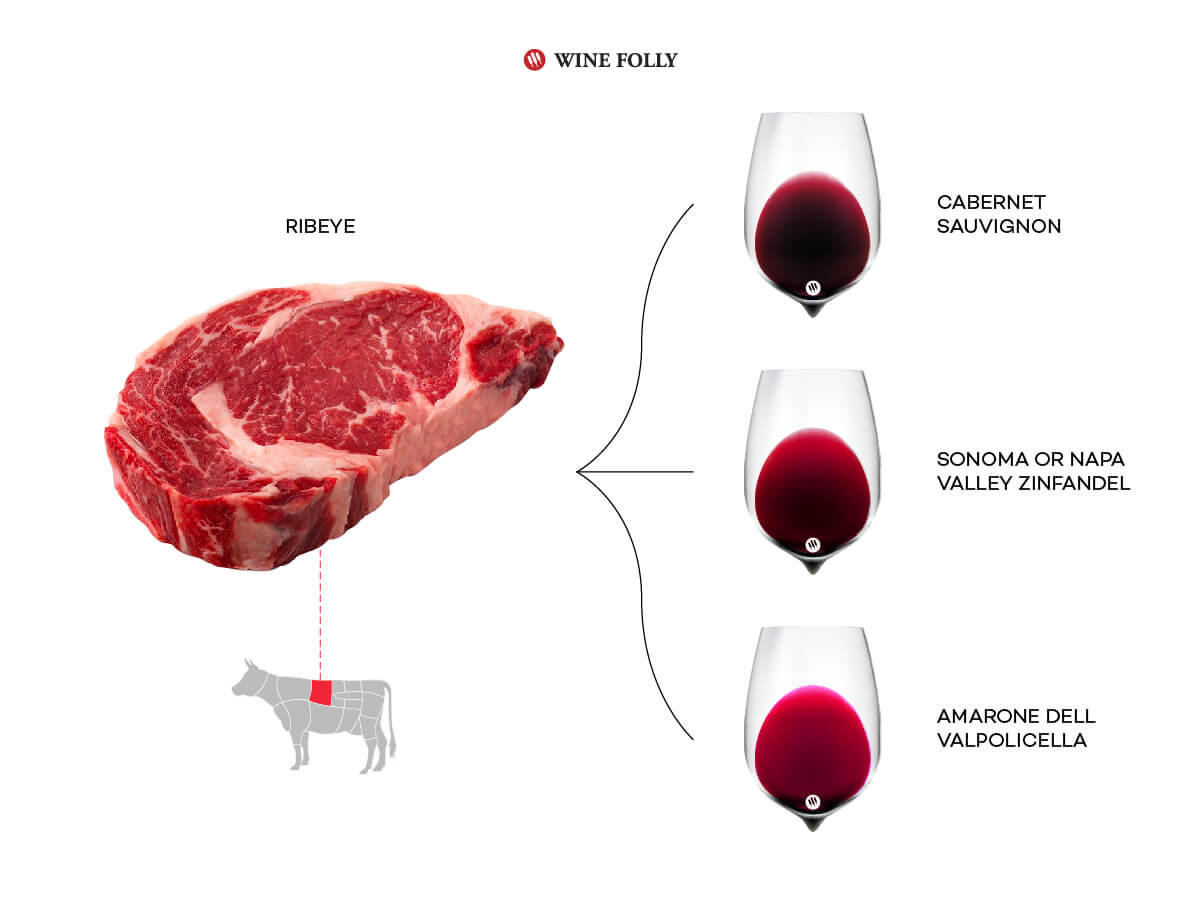
Ribeye and Bone-In Cuts: Managing High Fat Content
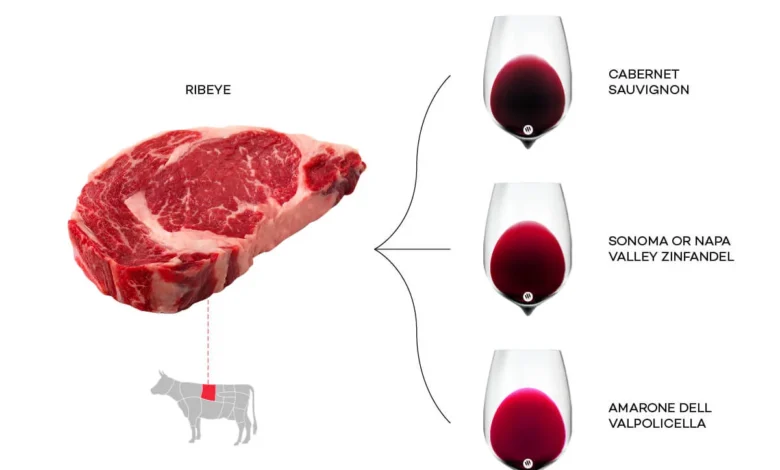
For diners prioritizing richness and texture, the ribeye and its bone-in counterpart represent the pinnacle of steakhouse offerings. Characterized by extensive intramuscular fat marbling—often referred to as "rib eyes"—this cut is naturally tender and excels under the aggressive, dry heat of an open grill. The high fat content renders the meat exceptionally buttery and flavorful, but it also creates a distinct pairing challenge. To prevent the palate from becoming overwhelmed by grease, the accompanying wine must feature either high levels of astringent tannins to scrub the palate clean or intense fruit concentration to provide a vibrant contrast. Traditional pairings for ribeye focus on robust, full-bodied reds with pronounced structure, allowing the wine’s acidity and tannins to slice through the rich mouthfeel of the beef.
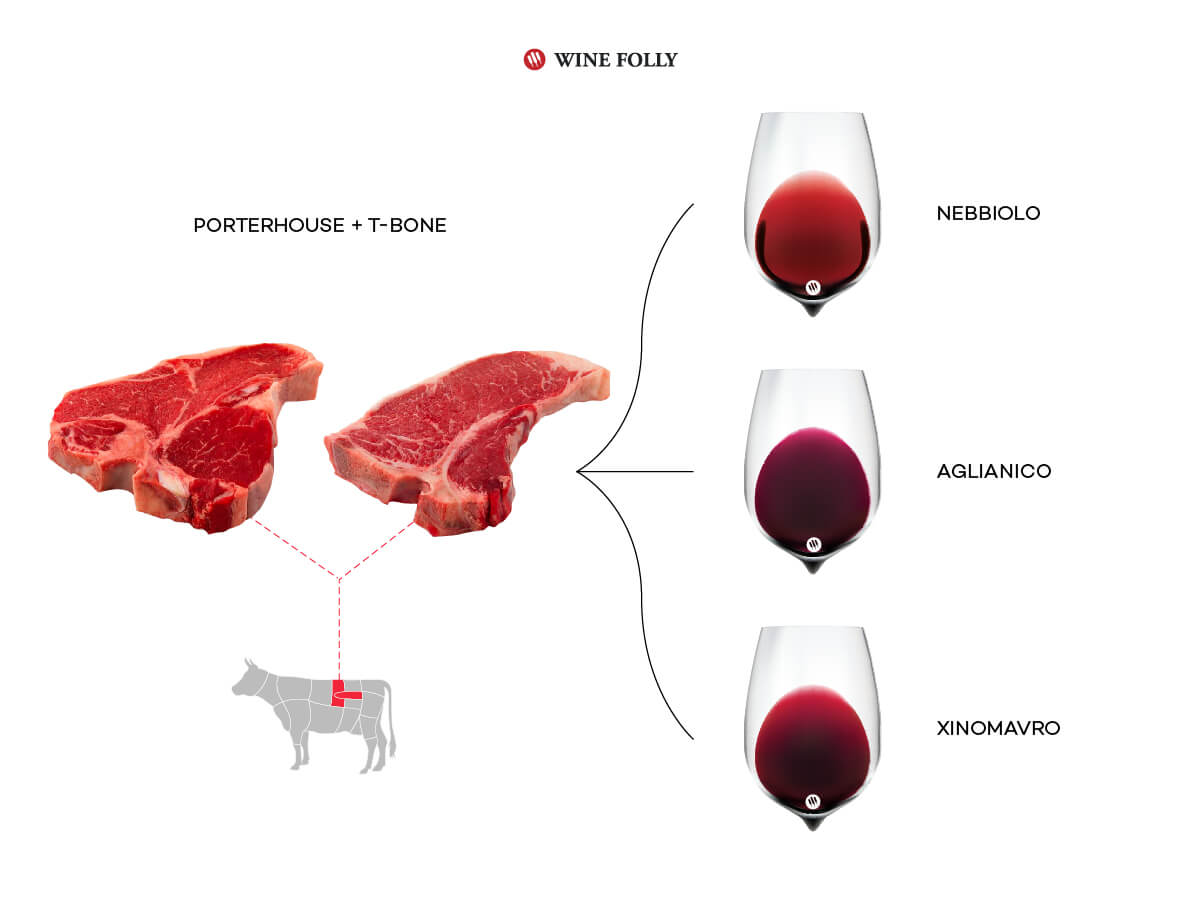
Porterhouse and T-Bone: The Dual-Profile Cut
The Porterhouse and the T-Bone offer a unique culinary dichotomy, separated by a T-shaped lumbar vertebra that divides the plate into two distinct sections: a tender, delicate filet side and a firmer, deeply flavorful strip side. While these cuts can be prepared in heavy-bottomed skillets, grilling remains the preferred method for maintaining an even, controlled cook across both disparate muscle groups. Because the meat combines tender leanness with robust strip-side flavor, wine selections must complement this duality without dominating the plate. Aromatic and flavorful red wines with moderate-to-high acidity serve to unify the contrasting textures and flavors of the filet and strip, ensuring a cohesive tasting experience from the first bite to the last.
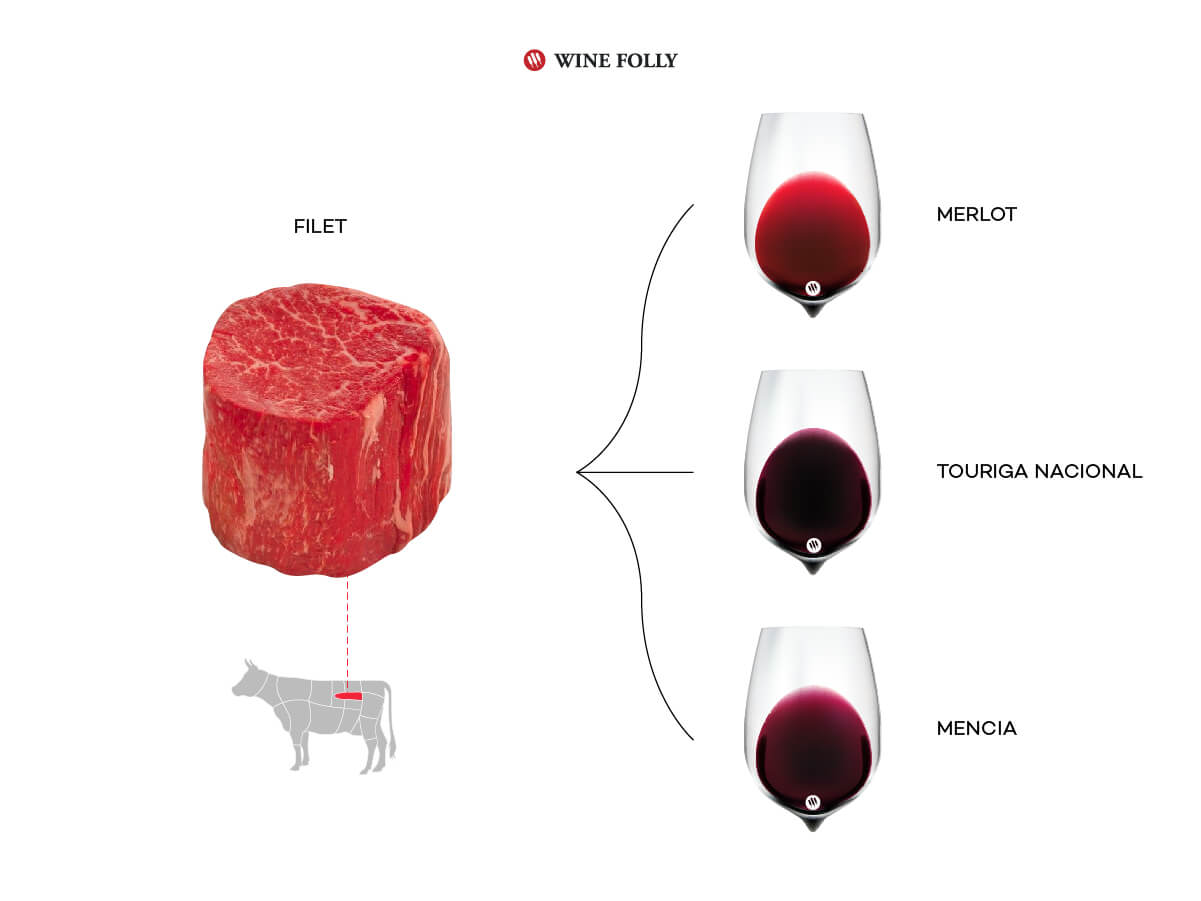
Filet Mignon: The Benchmark of Tenderness
Widely regarded as the premier cut of beef due to its exceptional tenderness, the filet mignon comes from the tenderloin, a muscle that does little heavy lifting during the animal’s life. While exceptionally lean and possessing a subtle, refined beef flavor, the filet lacks the heavy fat marbling found in ribeyes or strips. It is frequently pan-seared and basted in butter, or served alongside rich reductions and sauces. Because the natural flavor of the meat is delicate, aggressive high-tannin wines can easily overwhelm the dish. Culinary professionals advise selecting structured yet restrained red wines that stay in their lane, offering complementary secondary notes of red fruit, earth, and subtle spice that enhance the natural flavors of the beef rather than masking them.
The Strip Cut: Texture, Grain, and Flavor
Known variously as the New York strip, shell steak, or Kansas City strip, this cut originates from the short loin and is celebrated for offering an optimal ratio of cost, flavor, and texture. Featuring a more pronounced muscle grain and a moderate amount of connective tissue and edge fat, the strip requires precise cooking—often executed in a cast-iron skillet with generous amounts of salt, butter basting, and a prolonged resting period. The robust flavor profile and thicker grain structure demand a wine capable of handling both the savory depth of the beef and its surrounding fat. Ideal wine pairings feature strong fruit characteristics balanced by firm acidity and moderate tannins, ensuring the beverage can cut through the lipid layers while matching the intensity of the seared crust.
Rump Cuts: Managing Firmness and Flavor
Sourced from the rear quarters of the cattle, the rump represents a harder-working muscle group characterized by a firmer texture and a deeply concentrated, savory beef flavor. Because of its structural density, the rump is frequently subjected to marinades, slow roasting, or precise slicing against the grain to maximize tenderness. When pairing wine with rump steak, culinary experts must account for any acidic or sweet components introduced during the marinating process. Selecting a resilient red wine that can support the firm texture and adapt to various preparation methods is essential. Diners are advised to consider the broader context of the meal, factoring in side dishes and gravies when finalizing their bottle selection.
Flank and Skirt: Lean, Chewy, and Robust
Flank and skirt steaks, derived from the abdominal muscles of the steer, are structurally similar cuts known for their long, prominent muscle fibers and intense beef flavor. While traditionally utilized in Latin American cuisine and fajita preparations due to their ability to absorb complex marinades, they are equally suited to high-heat grilling with simple salt and pepper seasoning. A primary challenge in preparing flank and skirt steak is avoiding overcooking, which can render the chewy muscle fibers unpleasantly tough. When prepared to a proper medium-rare and sliced thinly against the grain, these cuts pair exceptionally well with structured red wines that feature vibrant acidity. The wine acts as a softening agent, transforming a potentially chewy dining experience into a savory, highly satisfying culinary event.
Brisket: The Art of Low and Slow Smoking
While brisket is conventionally categorized as a barbecue staple rather than a traditional steakhouse cut, its integration into modern meat-and-wine pairings has gained significant traction among culinary enthusiasts. Requiring low-temperature, prolonged cooking techniques—typically executed in an offset smoker utilizing hardwoods like hickory, oak, or mesquite—brisket develops a complex bark and a deeply tender interior. The wine selection for brisket is heavily influenced by the specific type of wood fuel and dry rubs utilized during the smoking process. Sommeliers recommend robust, smoky-leaning red wines that can harmonize with the heavy char and caramelization of the bark, elevating the rustic qualities of the barbecue into a refined dining experience.
Broader Economic and Culinary Implications
The global market for premium beef and fine wine pairings continues to drive significant economic activity within the hospitality and agricultural sectors. According to recent market analysis reports from culinary trade associations, consumer spending on at-home gourmet cooking, specialized butcher cuts, and boutique wine pairings has risen steadily over the past decade. This trend has been further accelerated by digital media platforms, online culinary education, and direct-to-consumer winery shipments, allowing everyday consumers to replicate upscale steakhouse experiences in domestic kitchens.
Industry analysts note that restaurants and retailers alike have capitalized on this consumer enthusiasm through curated pairing menus, virtual tasting events, and educational outreach programs designed to demystify wine selection. By understanding the underlying chemical interactions between tannins, fats, and proteins, consumers are increasingly empowered to experiment beyond traditional regional recommendations. Culinary institutions emphasize that while established pairing guidelines provide a reliable foundation, individual palate preference remains the ultimate arbiter of a successful dining experience. As the global palate becomes more adventurous, the intersection of viticulture and butchery will undoubtedly continue to evolve, offering endless opportunities for culinary discovery.