Historical Context and the Evolution of Katsu
To understand the significance of this pairing, one must look at the history of katsu itself. Derived from the Western-influenced tonkatsu (pork cutlet) introduced to Japan during the Meiji period, the dish is essentially a Japanese adaptation of the Austrian schnitzel. By the mid-20th century, katsu had solidified its place as a quintessential "yoshoku" (Western-style Japanese) dish, typically served with a thick, savory-sweet Worcestershire-based sauce and shredded cabbage.

The transition of katsu into a "luxury" vessel represents a broader movement in global gastronomy. In the late 2010s and early 2020s, chefs in metropolitan hubs like Tokyo, New York, and Paris began experimenting with "elevation" techniques. By replacing the heavy, traditional tonkatsu sauce with more delicate, acidic, or fatty counterparts—such as crème fraîche, truffle oil, or, in this instance, sturgeon caviar—the dish is transformed from a utilitarian meal into a high-end appetizer.

The Mechanics of the Flavor Profile
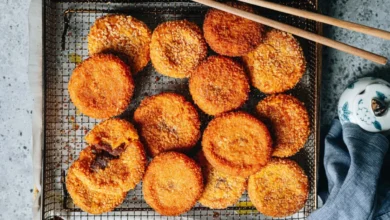
The success of this dish hinges on a fundamental principle of sensory science: the contrast of textures and temperatures. Chicken katsu is defined by its panko breading, which, when fried correctly at the optimal temperature of 170–180°C, creates a jagged, ultra-crispy exterior that protects the moist, tender chicken within.

When a dollop of cold, rich crème fraîche is applied to the hot, crispy surface, it acts as a thermal and textural bridge. The caviar, typically served chilled, provides a "pop" of salinity that cuts through the fat of the fried coating. This mimics the classic culinary pairing of blinis and caviar, but with the added structural integrity and heartiness of the fried chicken. Nutritionists and food historians note that this combination addresses the "umami" requirement of the palate, as both the chicken (if high quality) and the roe are naturally rich in glutamates.

A Chronological Breakdown of Preparation
The assembly of this dish requires precision, a hallmark of its Japanese origins.

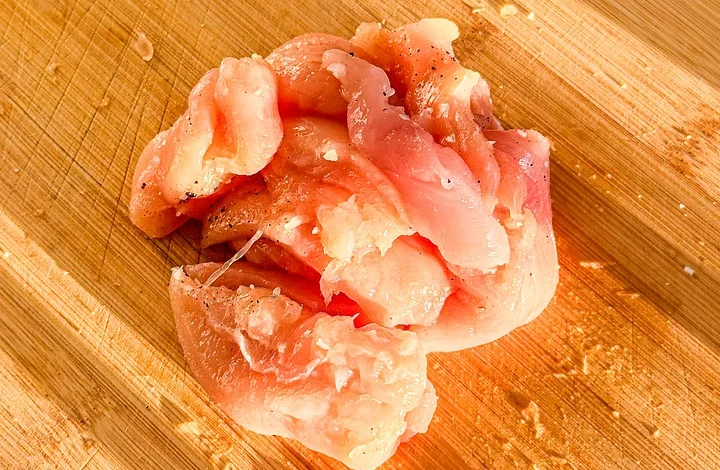
- Preparation Phase (T-minus 30 minutes): The chicken, typically breast or tenderloin, is cleaned and portioned. Seasoning is intentionally kept minimal—often just salt and white pepper—to ensure the integrity of the protein is not obscured.
- The Breading Sequence (T-minus 15 minutes): The standard flour-egg-panko dredge is utilized, but with a technical deviation. Many modern recipes now incorporate a small amount of water into the panko mixture. This technique, while seemingly counterintuitive, creates a lighter, airier crust that resists becoming sodden under the weight of the dairy topping.
- Thermal Processing (T-minus 6 minutes): Frying is conducted in batches. Maintaining the oil temperature between 170°C and 180°C is critical; if the temperature drops, the panko absorbs too much oil, resulting in a greasy finish that would clash with the delicacy of the caviar.
- Finishing (Immediate Service): The application of the crème fraîche and chive mixture must happen seconds before serving. The caviar, sensitive to heat, must be the final element added to prevent the roe from warming or losing its characteristic pop.
Supporting Data and Market Trends
According to recent industry reports on culinary trends, "accessible luxury" is the fastest-growing segment in home cooking. Market data indicates a 15% year-over-year increase in the home consumption of specialty ingredients like Osetra and Siberian sturgeon caviar. Consumers are increasingly seeking ways to replicate the "tasting menu" experience within their own kitchens, a shift accelerated by the global pandemic, which forced a migration of high-end culinary interest into the home environment.

The shift toward dishes like chicken katsu with caviar also reflects a move away from formal, multi-course dining. The "small plate" culture, influenced by Mediterranean tapas and Japanese izakaya styles, encourages the sharing of high-quality, high-impact bites rather than large, singular portions.

Industry and Critic Perspectives
While traditionalists may view the placement of caviar on a fried cutlet as "gimmicky," industry analysts suggest that such dishes are essential for the evolution of modern cuisine. "The juxtaposition of the elite and the everyday is not merely a marketing ploy," notes one culinary consultant. "It is a reflection of how the modern palate has evolved. We no longer categorize food strictly by the cost of its components; we categorize it by the experience it provides."

Furthermore, the rise of "fusion-by-context" allows home cooks to participate in a culinary dialogue that was once reserved for Michelin-starred establishments. By utilizing accessible base ingredients like chicken, the cook can afford to invest in a higher grade of caviar, effectively maximizing the value of the final product.

Broader Implications for Global Gastronomy
The democratization of luxury ingredients is a significant trend in contemporary food journalism. When high-end products are introduced to accessible dishes, it creates a "halo effect" for both ingredients. The caviar is introduced to a broader demographic, while the humble chicken katsu is reassessed by a more affluent audience.

This dish also highlights the importance of the "supporting actor" in cooking. The crème fraîche serves a functional purpose—it prevents the caviar from sliding off the chicken while tempering the saltiness of the roe with its cool, lactic acidity. Without this intermediary, the dish would fail; with it, it achieves a harmonious balance that defies its simple component list.

Future Outlook
As we look toward the future of home dining, it is likely that we will see more recipes that prioritize this "high-low" philosophy. The ease of preparation for chicken katsu with caviar—requiring only basic frying skills and the procurement of quality toppings—suggests that this dish will remain a staple for dinner parties and celebratory home meals.

Ultimately, the dish serves as a reminder that culinary innovation does not always require complex chemistry or avant-garde technology. Often, the most memorable dining experiences are born from the simple, daring, and well-executed combination of the familiar and the extraordinary. Whether served as a standalone appetizer or a playful main, the chicken katsu with caviar stands as a testament to the fact that, in the kitchen, boundaries are meant to be broken.