The Evolution of American Viticulture
The American wine industry has undergone a profound transformation over the past four decades, moving from a regional pursuit to a globally recognized powerhouse of quality and innovation. Historically, the 1976 Judgment of Paris served as the catalyst that shattered the myth of European hegemony in fine winemaking, proving that Napa Valley Cabernets and Chardonnays could compete with—and often outperform—their French counterparts.
Since that pivotal moment, the industry has expanded its geographical footprint significantly. While California remains the epicenter of production, accounting for approximately 80% of total US wine output, regions such as Oregon’s Willamette Valley and Washington’s Columbia Valley have established themselves as world-class terroirs. This diversification is not merely geographical; it represents a deepening of viticultural knowledge. Producers are now focusing heavily on site-specific expressions, soil composition, and climate adaptation, moving away from the "bigger is better" philosophy that dominated the late 20th century toward a more nuanced, site-driven approach.
Chronology of Modern American Wine Excellence
The trajectory of American fine wine can be observed through several distinct eras of growth and refinement:
- 1970s–1980s: The Recognition Era: The establishment of the American Viticultural Area (AVA) system in 1978 provided the structural framework for regional identity. This era saw the rise of the iconic Napa Valley Cabernet Sauvignon, setting the global gold standard for the varietal.
- 1990s–2000s: Diversification and Refinement: As international interest grew, growers began identifying specific sub-AVAs within larger regions. Oregon’s Willamette Valley gained international acclaim for its cool-climate Pinot Noir, mirroring the complexity of Burgundy, while Washington began to harness its unique high-desert climate for robust red varietals.
- 2010s–Present: The Sustainability and Terroir Focus: Contemporary winemaking is increasingly defined by sustainable farming practices, minimal intervention in the cellar, and a shift toward elegance over sheer concentration. The current market shows a high demand for wines that reflect their specific provenance, with critics and consumers alike shifting their attention toward organic and biodynamic production methods.
Data-Driven Insights: Regional Specializations
The United States boasts a multifaceted wine map, with each major region offering a unique contribution to the global market.
California: The Titan of Terroir
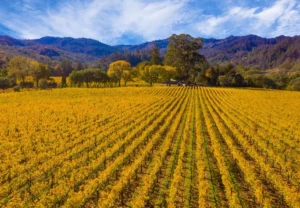
California’s diverse topography, ranging from the fog-cooled coastal valleys of Sonoma to the heat-soaked soils of the Napa Valley, allows for an incredible range of varietal success. Napa Valley remains the global benchmark for Cabernet Sauvignon, with its volcanic soils providing the structure and longevity synonymous with the world’s most expensive wines. Conversely, Sonoma County has become the vanguard for cool-climate Chardonnay and Pinot Noir, particularly within the Russian River Valley and the Petaluma Gap, where maritime influence preserves acidity and aromatic complexity.
Oregon: The Pinot Noir Benchmark
The Willamette Valley has cemented its status as one of the few places outside of France capable of producing world-class Pinot Noir. The region’s reliance on volcanic Jory soils and its distinct, rain-influenced climate create wines of exceptional tension, elegance, and earth-driven complexity. Recent vintages have shown a remarkable consistency in quality, as producers have refined their understanding of clonal selection and canopy management.
Washington: The Rising Star of Diversity
Washington state offers a contrast to its neighbors. Its vast, inland vineyards in the Columbia Valley experience high diurnal shifts—hot days and cold nights—which are ideal for producing grapes with high natural acidity and deep, dark fruit profiles. While Cabernet Sauvignon remains the king of Washington red, the region has gained significant traction for its Syrah and Merlot, which often exhibit a savory, mineral-heavy character that is increasingly prized by sommeliers and collectors.
Professional Perspectives on Quality Control
The evaluation process utilized by experts involves a blind tasting methodology to ensure that brand prestige does not influence sensory analysis. Factors such as primary fruit intensity, tannin integration, structural acidity, and length of finish are weighted to determine a final score.
"The standard of US winemaking is at an all-time high," notes one lead reviewer. "What we are seeing is a move away from the heavy-handed oak and over-extraction that characterized some of the previous decades. There is a newfound respect for the fruit and the specific plot of land from which it originates."
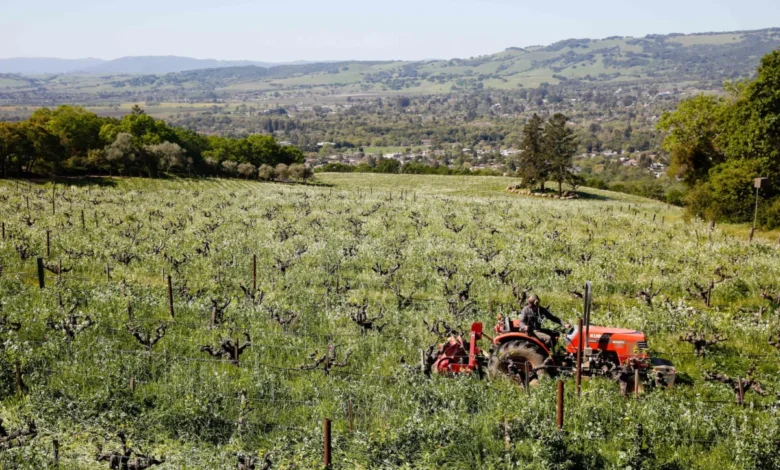
This sentiment is echoed across the industry. Producers are investing heavily in precision viticulture, utilizing satellite imaging and soil moisture sensors to ensure that irrigation is optimized. The result is a more consistent product that can withstand the challenges posed by climate volatility, such as heat spikes and drought conditions.
Implications for the Global Market
The current state of American fine wine has significant implications for global trade and consumption. As domestic producers continue to refine their craft, the export market for US wines—particularly from premium sub-regions—is expanding. Despite geopolitical trade tensions and fluctuating tariffs, the prestige of labels from Napa, Sonoma, and the Willamette Valley remains high in major markets including the United Kingdom, Japan, and parts of the European Union.
Furthermore, the domestic market has become increasingly sophisticated. American consumers are no longer just looking for household names; they are seeking out "hidden gems" from smaller, boutique producers. This shift has empowered a new generation of winemakers to experiment with alternative varietals, such as Gamay, Grenache, and various Italian cultivars, which are beginning to thrive in California’s lesser-known interior valleys.
Looking Ahead: The Future of the Industry
The future of American viticulture is inexorably linked to climate adaptation. As temperatures rise, growers are moving to higher elevations and coastal regions that were previously considered too cool for quality viticulture. The development of drought-resistant rootstocks and the integration of water-recycling technology in the cellar are no longer optional—they are essential to the long-term viability of the industry.
Moreover, the increasing influence of the "fine wine" category in the United States suggests that there will be continued growth in the luxury segment. As investment in vineyard technology and winemaking expertise continues to rise, the gap between top-tier producers and the rest of the market will likely narrow, leading to a broader array of high-quality wines available to the consumer.
This selection of wines, derived from thousands of reviews, serves as a testament to the dedication of the men and women who tend these vineyards. Whether it is the bold Cabernet Sauvignons of Napa Valley, the nuanced Pinot Noirs of the Willamette, or the structurally complex blends of Washington, the American wine industry remains a dynamic, evolving entity that continues to surprise and delight the global palate. These wines represent not just a score on a page, but a history of place, a commitment to craft, and the relentless pursuit of excellence in the glass.