The Essence of Nourishment: A Deep Dive into Chinese Watercress Soup

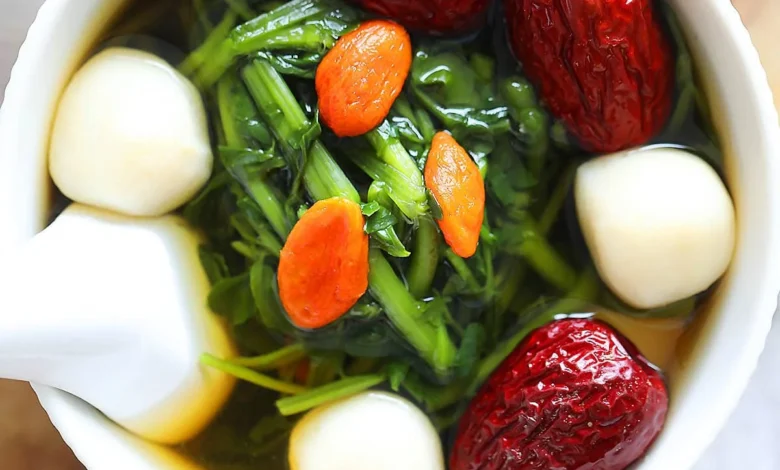
A healthy and comforting Chinese watercress soup recipe, a culinary tradition steeped in both flavor and well-being, offers a quick yet profoundly nourishing experience. This dish, a staple in many Cantonese households, leverages the fresh, peppery notes of watercress, harmoniously balanced with the natural sweetness of red dates (jujubes) and the subtle, earthy undertones of goji berries. Requiring a mere 25 minutes from start to finish, this easy-to-prepare soup yields a crystal-clear, delicately sweet, and invigorating broth, making it an ideal accompaniment to a variety of main courses.
A Culinary Legacy of Simplicity and Health
The preparation of this watercress soup, known in Cantonese as Sai Yeung Choy Tong, is a testament to the power of uncomplicated, wholesome ingredients. Unlike more elaborate broths that demand hours of simmering pork bones, this recipe champions a swift extraction of flavor, proving that depth and deliciousness do not necessitate prolonged cooking times. The traditional approach often involves lengthy simmering to achieve a rich, opaque broth, but this contemporary interpretation highlights a method that preserves the vibrant essence of the ingredients, resulting in a clean, light, and remarkably revitalizing liquid.
The philosophy behind this expedited preparation lies in its ability to capture the "clean essences" of the watercress and dried fruits without allowing the greens to overcook and develop an unpleasant bitterness. This technique ensures that the water itself becomes a vehicle for pure, unadulterated flavor. The resulting clear broth is not only visually appealing but also embodies a sense of delicate nourishment, making it a perfect counterpoint to richer dishes.
Pairing Perfection: Complementing the Chinese Watercress Soup
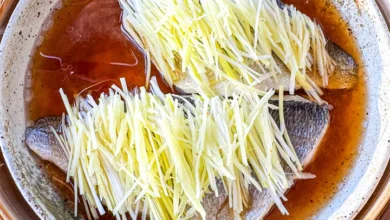
This versatile soup serves as an excellent side dish, seamlessly integrating into a traditional Chinese weeknight meal. Its clean flavor profile makes it a natural partner for steamed fish, allowing the delicate nuances of the seafood to shine. Similarly, it complements classic stir-fries such as the robust Kung Pao Chicken or the aromatic Sesame Oil Chicken. Served alongside a steaming bowl of jasmine rice, it completes a balanced and satisfying dining experience.
A Guide to Ingredient Selection: The Foundation of Flavor
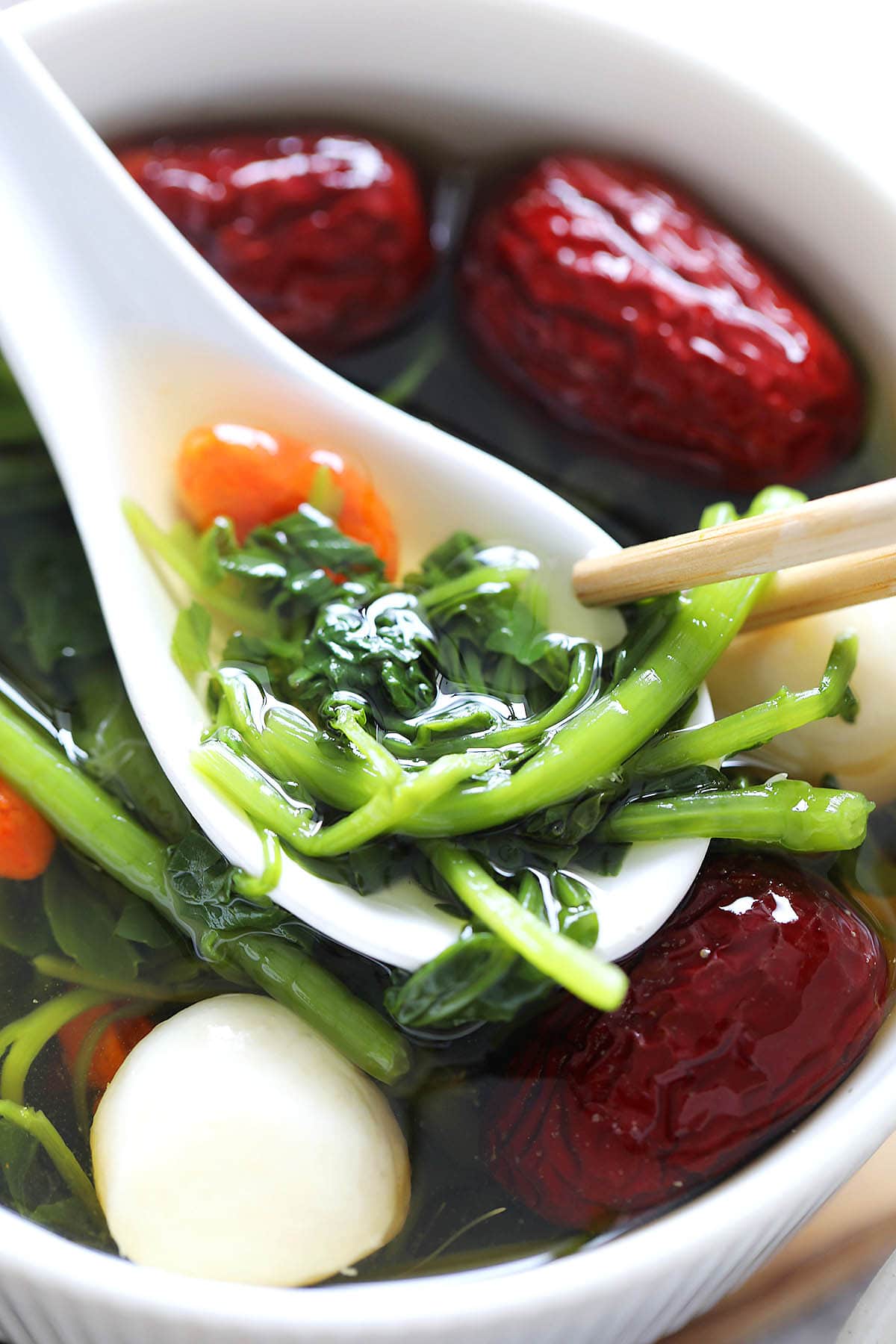
The quality and selection of ingredients are paramount to achieving the desired clarity, sweetness, and nutritional value of this watercress soup. Each component plays a crucial role in the final outcome.
How to Choose Fresh Watercress
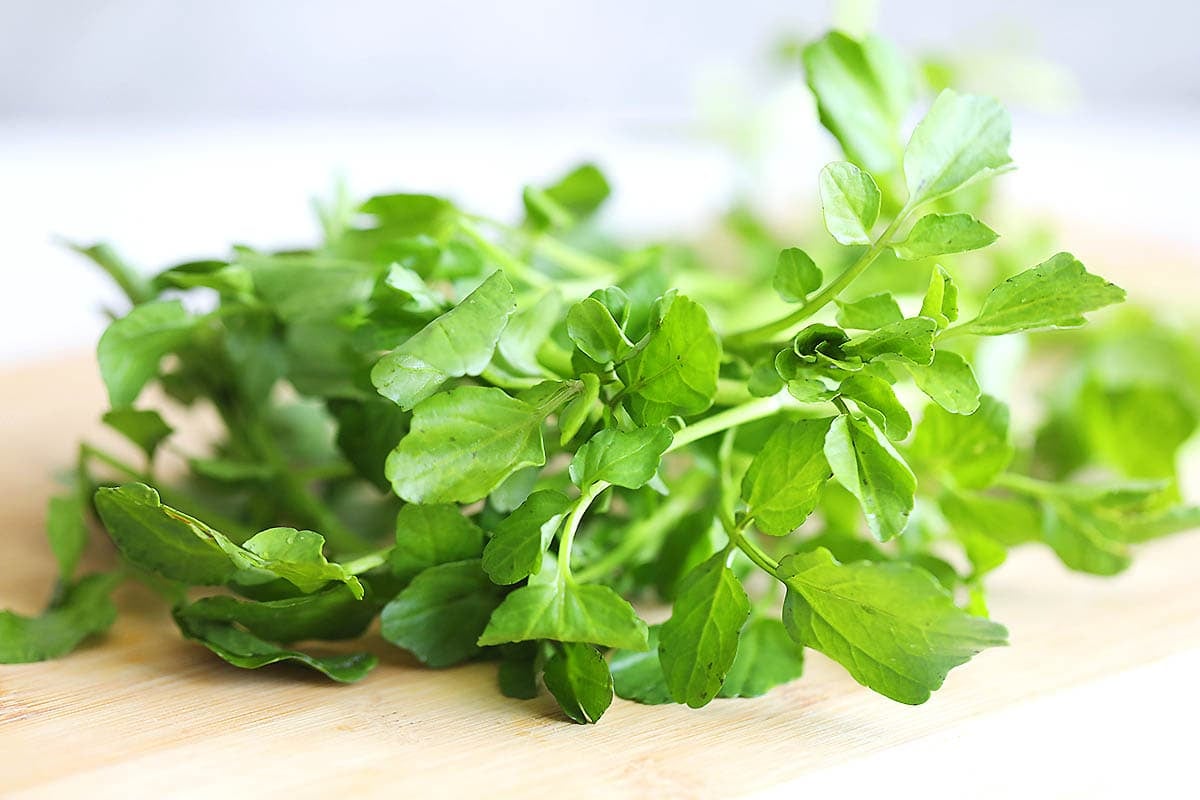
Fresh watercress is the star of this dish, and its quality directly impacts the soup’s flavor and appearance. When selecting watercress, look for:
- Vibrant Green Leaves: The leaves should be a deep, rich green, free from any yellowing or wilting. This indicates freshness and vitality.
- Tender Stems: While the stems are edible, they should not be overly woody or tough. Slightly tender stems will soften nicely during the cooking process.
- Crisp Texture: The overall texture of the watercress should be crisp and perky, not limp or slimy. This suggests it has been recently harvested and handled with care.
- Absence of Blemishes: Inspect the leaves and stems for any signs of decay, mold, or insect damage.
In traditional Chinese medicine, watercress is highly regarded for its cooling properties, believed to help clear internal heat and soothe the lungs. It is also a rich source of Vitamin C and Vitamin K, contributing significantly to immune system strength and overall health.
Buying the Best Red Dates
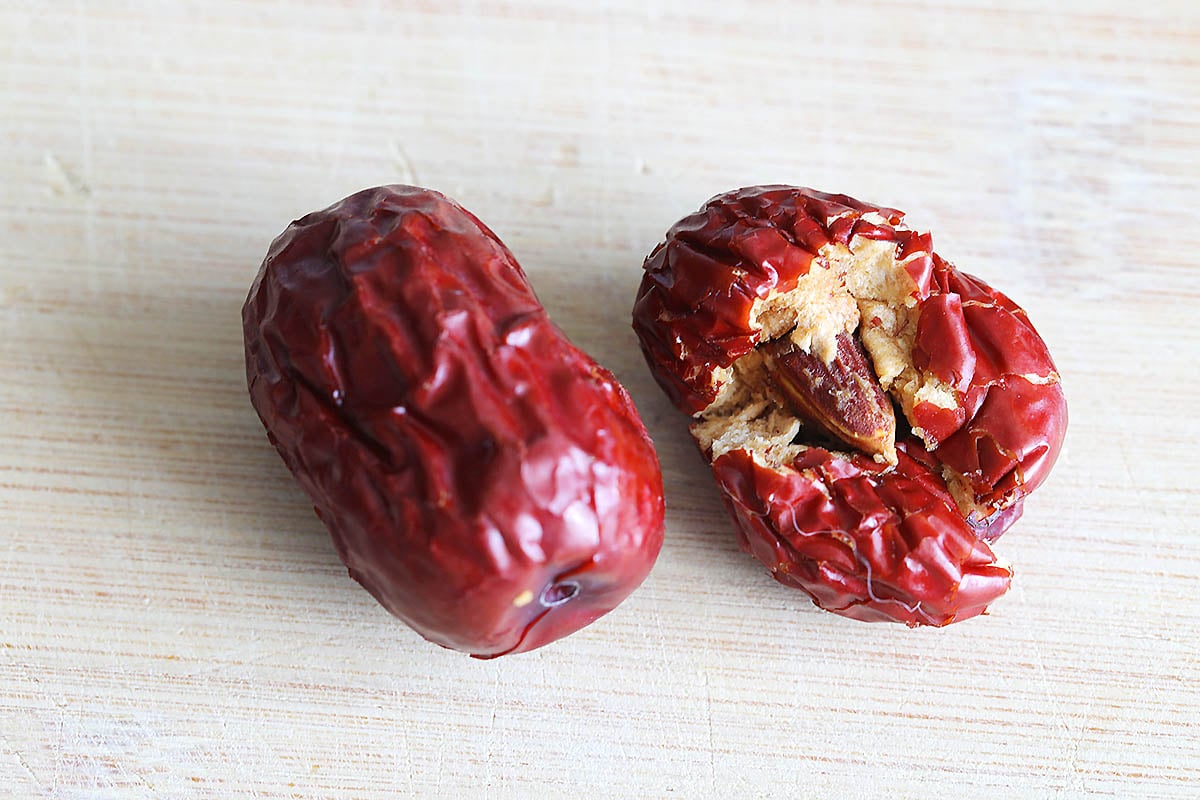
Red dates, also known as jujubes or Chinese dates, impart a natural sweetness and a subtle, date-like aroma to the soup. When purchasing red dates, consider:
- Deep Red Color: High-quality red dates typically possess a deep, reddish-brown hue. A lighter color might indicate immaturity or less intense sweetness.
- Plumpness and Smooth Skin: Look for dates that are plump and have smooth, unwrinkled skin. This suggests they are fresh and have retained their moisture.
- Slight Chewiness: Dried red dates should have a pleasant chewiness without being overly hard or brittle.
- Aromatic Quality: A faint, sweet aroma is desirable, indicating their natural sugars are intact.
From a nutritional standpoint, Chinese red dates are revered for their ability to nourish the blood, boost energy levels, and enhance circulation. Their inherent sweetness contributes to the soup’s delicate flavor profile without the need for added sugars.
Spotting High-Quality Goji Berries
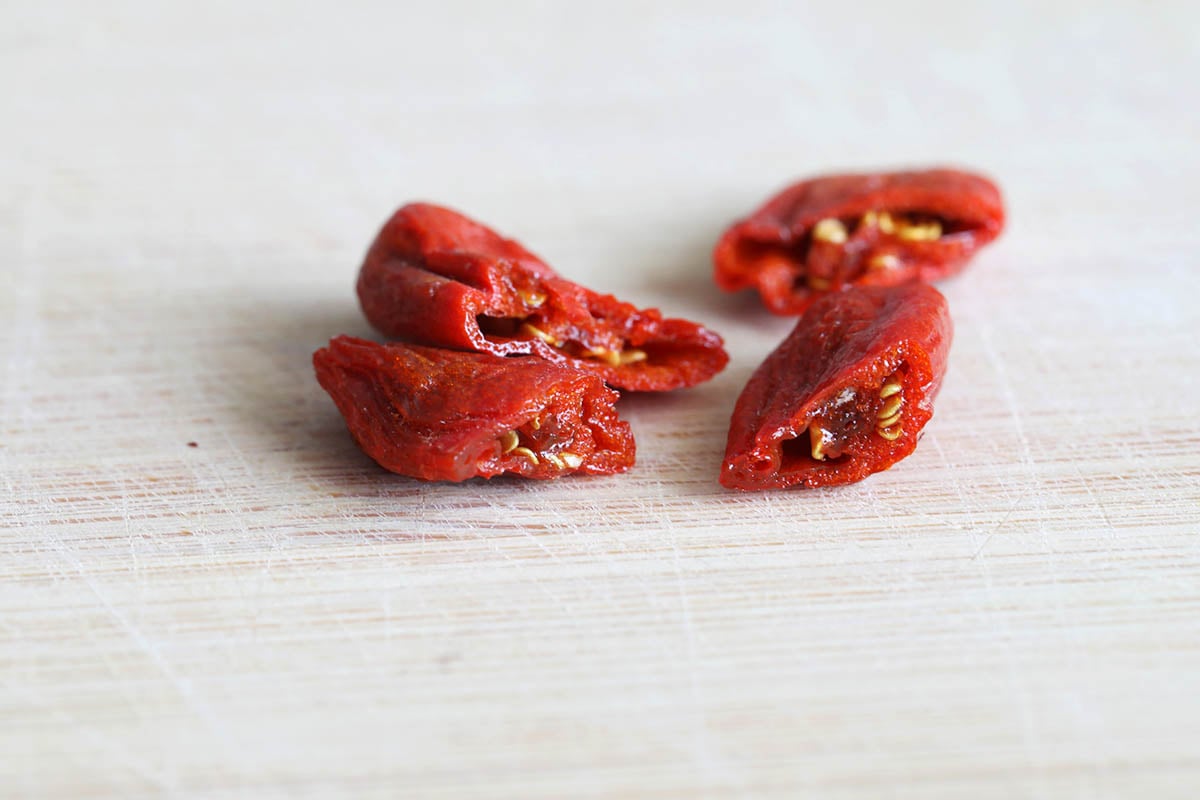
Goji berries, or wolfberries, add a touch of vibrant color, a mild sweetness, and a subtle chewiness to the soup. To ensure you are getting the best quality:
- Bright Red-Orange Hue: Opt for goji berries that have a bright, consistent red-orange color. Dull or brownish berries may be older or have been improperly stored.
- Uniform Size and Shape: While some variation is natural, overly inconsistent sizes or misshapen berries could indicate lower quality.
- Slightly Chewy Texture: Good quality goji berries should be slightly chewy and pliable, not dry and brittle.
- Absence of Sulfites: Look for unsulfured goji berries. Sulfite treatment can preserve color but may affect taste and is undesirable for those with sensitivities.
Goji berries are a powerhouse of antioxidants, particularly beneficial for vision health. They are also recognized for their anti-inflammatory properties and their ability to support the body’s natural defenses.
Storage Tip: To maintain the freshness and natural sweetness of red dates and goji berries, it is crucial to store them in an airtight container in the refrigerator once opened. Exposure to air can lead to oxidation, causing them to darken and lose their desirable flavor characteristics.
Essential Ingredients for a Nourishing Broth
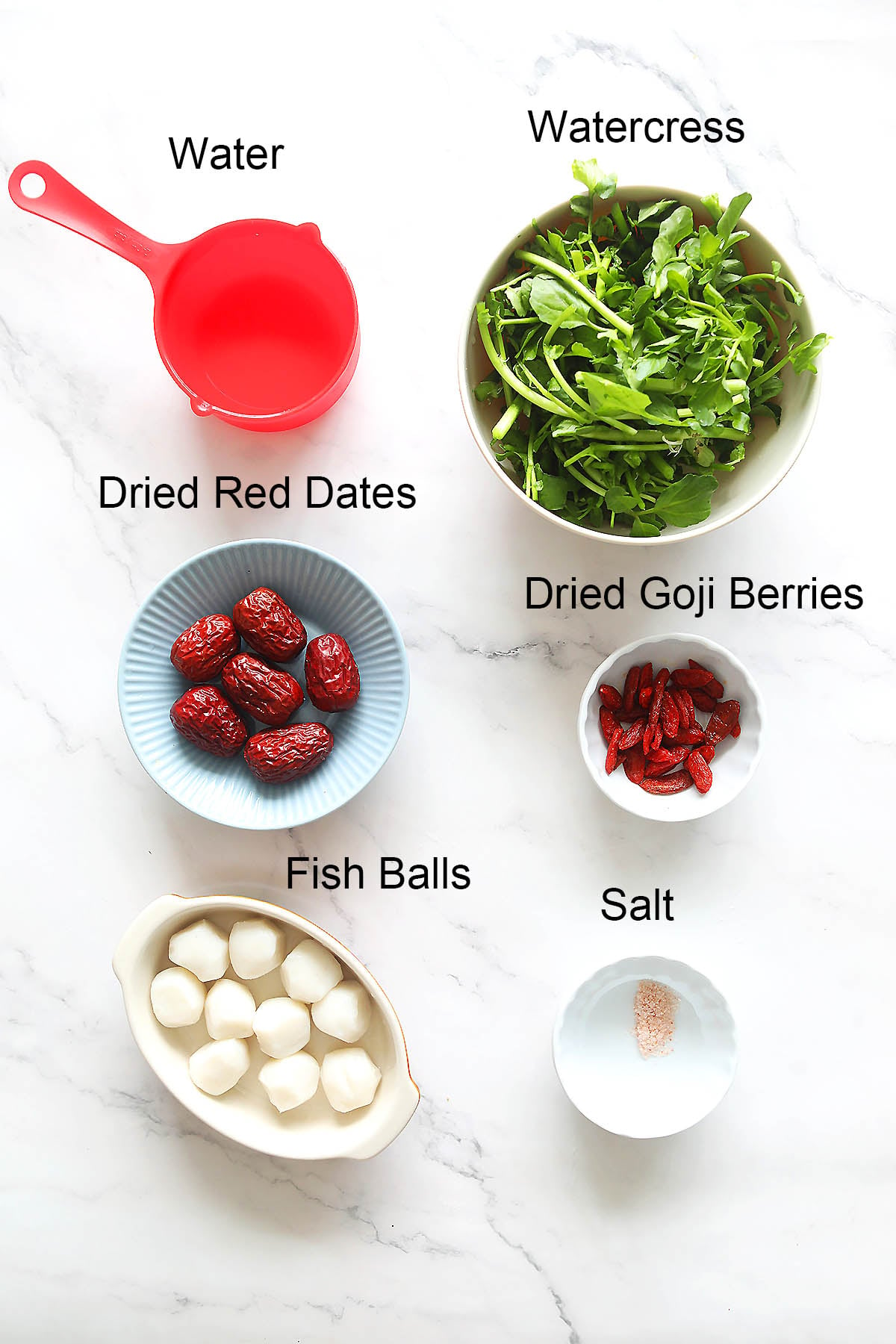
The beauty of this soup lies in its minimalist yet impactful ingredient list. The core components work in synergy to create a balanced and healthful dish.
- Fresh Watercress: The leafy green that defines the soup’s character.
- Dried Red Dates (Jujubes): Provide natural sweetness and a foundational layer of flavor.
- Dried Goji Berries: Add a touch of sweetness, color, and nutritional benefits.
- Water: The essential base for the broth.
- Salt: To taste, enhancing the natural flavors.
- Optional: Fresh Fish Balls: For added texture and a hint of oceanic flavor.
Pro Tips for Culinary Success
To elevate the preparation of this watercress soup, several key tips can ensure optimal results:
Pro Tip #1: Wash The Dried Fruits First
It is imperative to rinse the dried red dates and goji berries under cold water before adding them to the pot. This step effectively removes any residual dust or packaging residue, ensuring a clean and pure broth.
Pro Tip #2: Go for Fresh Fish Balls
If incorporating fish balls, prioritize fresh, vacuum-sealed packs found in the refrigerated section over frozen alternatives. A gentle squeeze of the bag should reveal firm, springy balls that will maintain their desirable texture when cooked. If only frozen fish balls are available, ensure they are fully thawed before adding them to the soup to prevent uneven cooking and a mushy consistency.
Pro Tip #3: Make It Plant-Based
This recipe is easily adaptable for vegetarian and vegan diets. Simply omit the fish balls. The natural sweetness and essence of the watercress, red dates, and goji berries are sufficient to create a flavorful and satisfying broth on their own.
The Art of Crafting Chinese Watercress Soup: A Step-by-Step Guide
The preparation of this nourishing soup is remarkably straightforward, making it accessible for cooks of all skill levels.
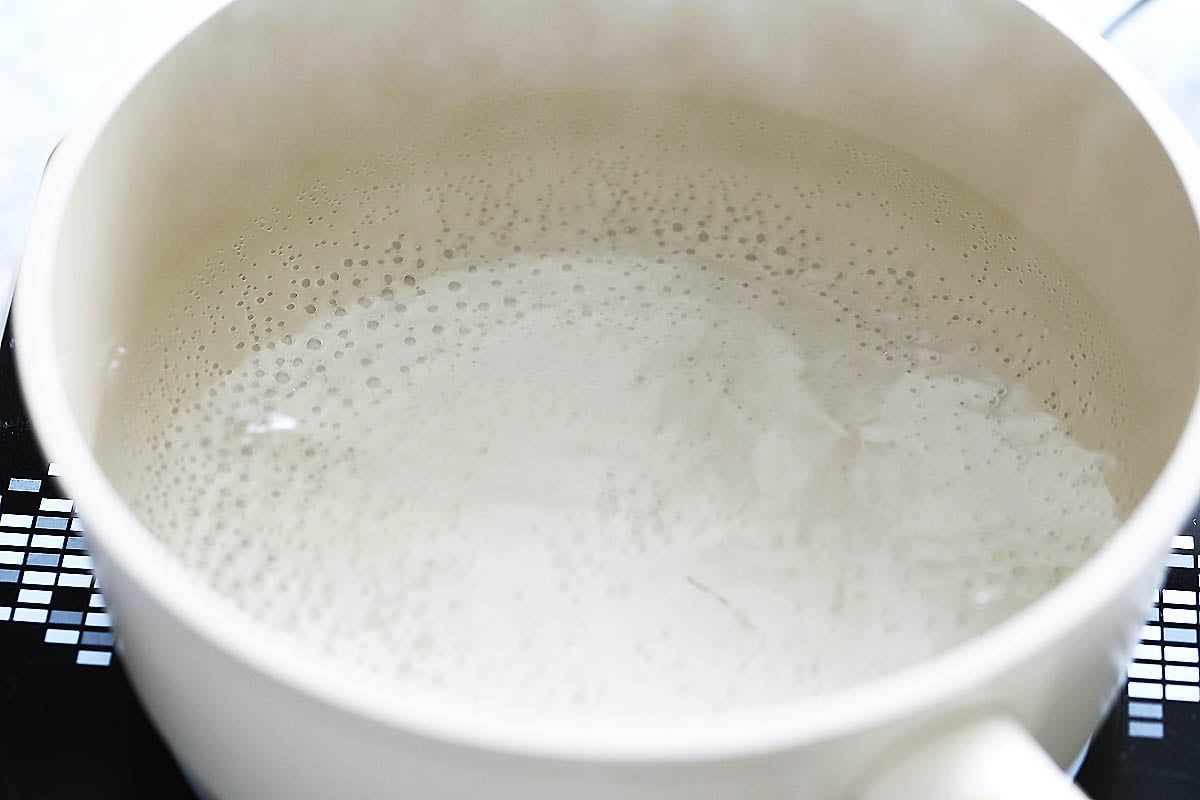
Step 1: Initiate the Boil
Begin by bringing a large pot of water to a vigorous, rolling boil over high heat. This initial high heat ensures that the ingredients are quickly introduced to a hot environment, facilitating rapid flavor extraction.
Step 2: Introduce the Core Ingredients
Carefully add the washed watercress to the boiling water. Use a ladle or tongs to gently press the greens down, ensuring they are fully submerged. Immediately follow by adding the rinsed red dates and goji berries.
- Pro Tip: Crucially, do not cover the pot during this stage. Leaving the lid off allows any potentially harsh or bitter compounds released from the watercress to evaporate into the air, contributing to a sweeter and cleaner final broth.
Step 3: Simmer and Refine
Allow the water to return to a boil, which will cause the watercress to wilt and submerge completely. Reduce the heat to a gentle simmer. Employ a ladle to meticulously skim off any foam or impurities that rise to the surface. Continue to simmer, periodically skimming as needed, until the watercress reaches your desired tenderness. For a slightly crisp texture, simmer for approximately 10 minutes. For a softer, more yielding consistency, extend the simmering time to 15 minutes.
- Pro Tip: If opting for a softer texture, monitor the water level closely as it simmers. Ensure the greens remain fully submerged to promote even cooking and prevent them from becoming tough.
Step 4: Final Touches and Serving
If using fish balls, add them to the simmering soup and cook for approximately 3 minutes, or until they are heated through and buoyant. Season the broth with salt to your preference, adjusting to enhance the natural flavors. Serve the soup hot, allowing its comforting warmth and delicate aromas to be fully appreciated.
Frequently Asked Questions: Clarifying Common Queries
Addressing common questions can further demystify the preparation and enjoyment of this traditional soup.
-
Can I eat the watercress stems?
Yes, the entire watercress plant is edible. To ensure ease of consumption, it is recommended to slice the stems into shorter, approximately two-inch pieces, which will soften considerably during cooking. -
Do I need to remove the seeds from the red dates?
While not strictly necessary, removing the pits from red dates significantly enhances the eating experience, making the soup easier to enjoy without interruption. If your dates contain pits, a simple slice down the middle will allow for their easy removal prior to cooking.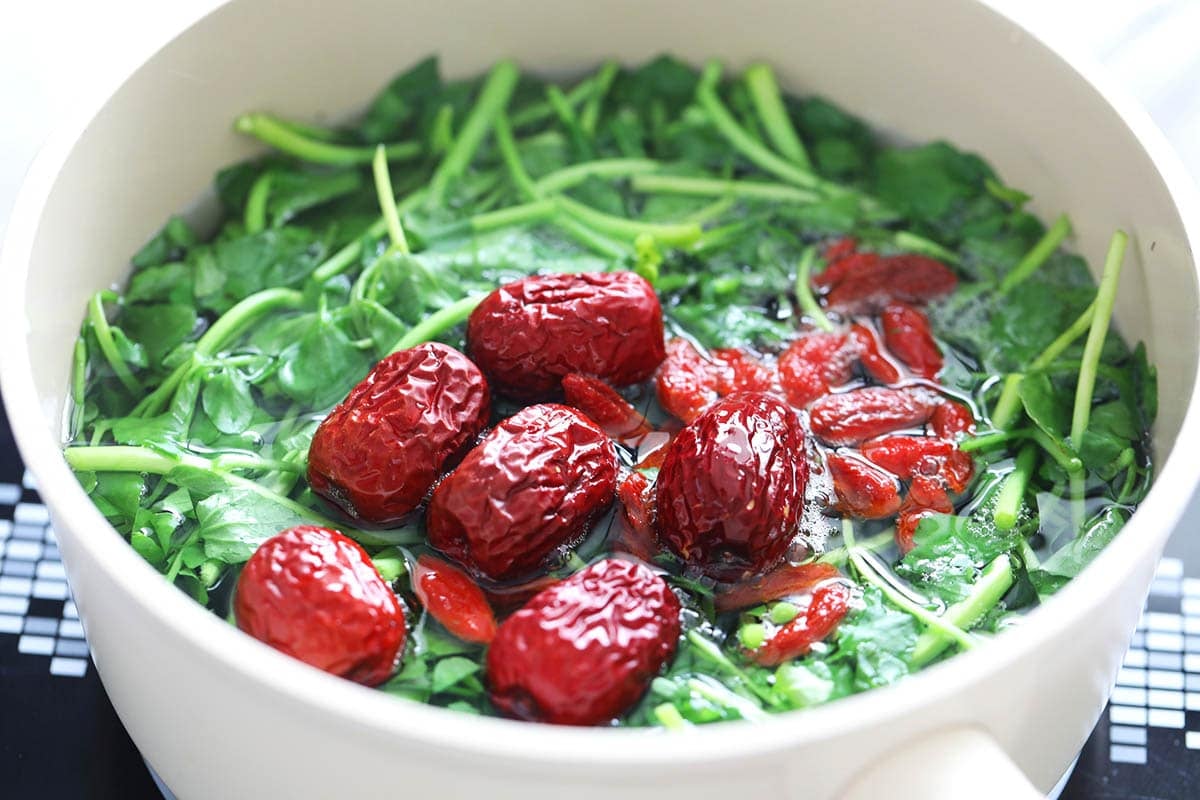
-
Can I add protein besides fish balls?
Certainly. Thinly sliced pork loin, chicken, or ribs are popular and traditional additions. If using raw meat, it is advisable to boil it separately first, skimming off any scum before adding it to the main soup with the watercress and dried fruits. -
Can I make this soup in a slow cooker?
Yes, a slow cooker can be utilized for this recipe. Begin by placing the water, red dates, and goji berries in the slow cooker and cook on high for two hours. Introduce the watercress during the final 30 minutes of cooking, and add the fish balls in the last 5 minutes. -
How do I store and reheat leftovers?
Leftover soup can be stored in an airtight container in the refrigerator for up to two days. Reheat gently on the stovetop over medium heat until thoroughly hot. Be mindful not to overcook the soup during reheating, as this can lead to the watercress becoming excessively mushy. -
How many calories per serving?
This recipe yields approximately 132 calories per serving, offering a light yet satisfying nutritional profile.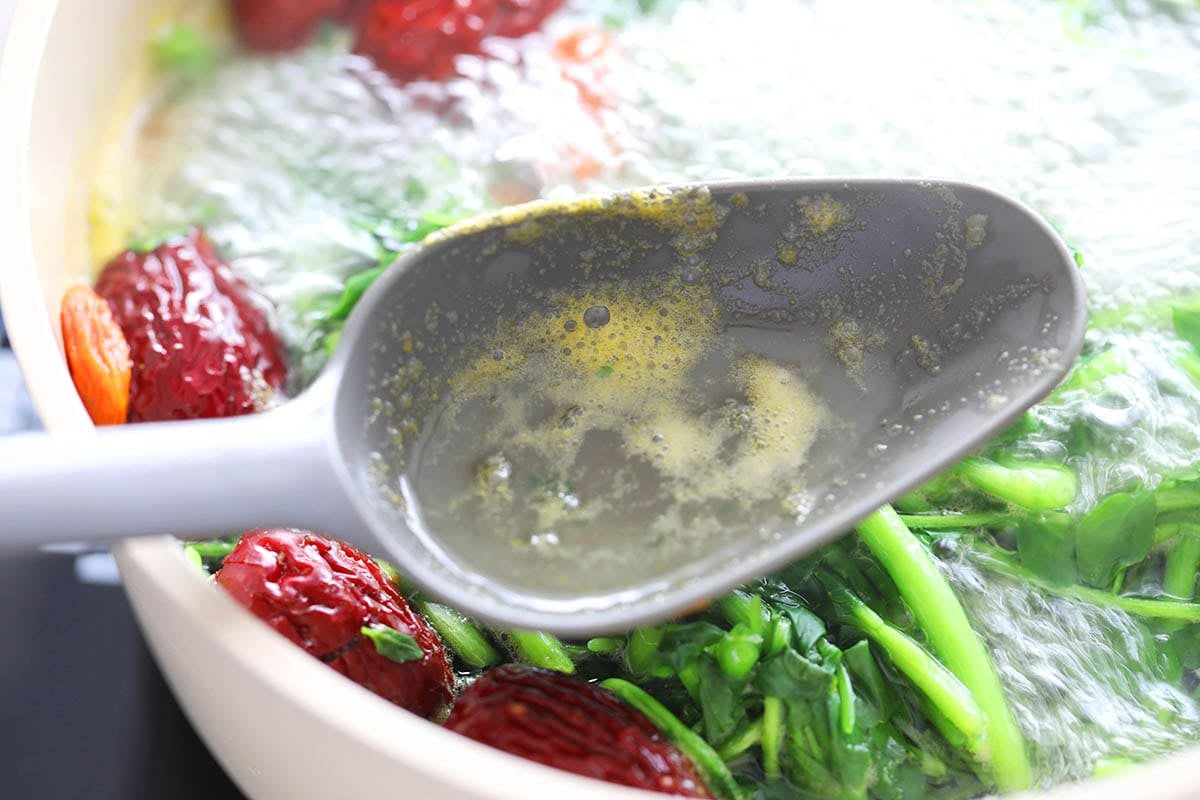
Complementary Dishes for a Complete Culinary Experience
To craft an authentic and satisfying Chinese weeknight dinner, consider pairing this watercress soup with a selection of complementary dishes. These might include:
- Steamed Fish: A delicate and healthy main course that allows the clean flavors of the soup to shine.
- Stir-fried Vegetables: A vibrant array of seasonal vegetables prepared with classic Chinese seasonings.
- Braised Meats: Rich and flavorful braised dishes that provide a hearty contrast to the light soup.
- Rice or Noodles: Staple carbohydrates that anchor the meal and absorb the delicious broths.
The creation and enjoyment of Chinese watercress soup are more than just a culinary act; it is an engagement with a tradition that values health, simplicity, and the profound nourishment that can be derived from nature’s bounty. This quick, revitalizing dish stands as a testament to the enduring appeal of wholesome, flavor-rich home cooking.