Silent Killers on the Asphalt: How a Car Tire Chemical is Decimating Pacific Northwest Salmon and How Scientists are Fighting Back

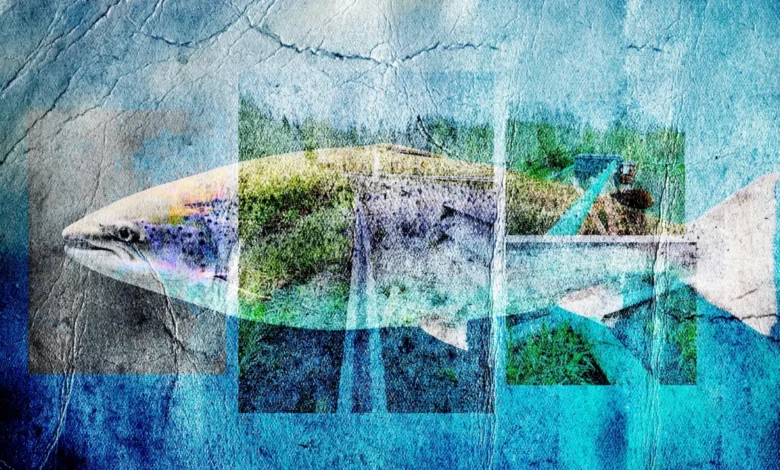
Every autumn, the rivers of the Pacific Northwest bear witness to one of nature’s most enduring and grueling spectacles: the migration of the coho salmon. Millions of these silver-scaled fish push inland from the open ocean, navigating swift currents and complex freshwater networks to reach their natal spawning grounds. For generations, this migration has sustained the cultural identity, traditional diets, and economies of Indigenous communities like the Nisqually Tribe, while also supporting a massive commercial and recreational harvest that yielded 27 million pounds of coho for consumption in the United States in 2019 alone.
However, a modern, invisible threat has upended this ancient cycle. As these fish complete the final, most critical leg of their journey through urbanized and semi-rural watersheds, they encounter a silent, highly lethal pollutant. Rainwater washing over asphalt highways carries with it a cocktail of heavy metals, petroleum byproducts, and lawn fertilizers. Chief among these toxins is a microscopic chemical compound known as 6PPD-quinone, a derivative of an additive used universally to weatherize and protect car tires from degradation.
For decades, the mass die-offs of pre-spawn coho salmon in urban waterways near Seattle and Tacoma baffled marine biologists, toxicologists, and local tribes. Today, a coalition of Indigenous leaders, environmental nonprofits, and academic researchers are engaged in a race against time to intercept this chemical, protect fragile ecosystems, and compel industry-wide reform before a cornerstone species of the Pacific Northwest is pushed past the brink of recovery.
The Discovery of a Toxic Culprit: A Chronology of Investigation
The mystery of urban runoff mortality—historically referred to by researchers as "urban runoff mortality syndrome"—spanned more than two decades before scientists finally isolated the exact chemical agent responsible. For years, environmental agencies observed a grim pattern: whenever heavy autumn rains hit urban centers, up to 90 percent of adult coho salmon returning to urban creeks would perish before they could spawn. Fish would suddenly become disoriented, swimming in erratic, dizzying circles, gasping for air near the water’s surface, and dying within a few hours of exposure.
The turning point in this environmental mystery arrived in December 2020, when a team of researchers led by Zhenyu Tian, then a research scientist at the University of Washington Tacoma’s Center for Urban Waters, published a breakthrough study in the journal Science. Utilizing cutting-edge high-resolution mass spectrometry—a sophisticated analytical technique capable of identifying individual chemicals in complex water samples based on molecular weight—Tian and his colleagues pinpointed 6PPD-quinone.
The compound is born from a chemical reaction. 6PPD is a vital antiozonant added to rubber during tire manufacturing to prevent cracking and structural failure caused by atmospheric ozone. However, as tires wear down on roadways, microscopic rubber particles containing 6PPD are shed onto the pavement. When these particles come into contact with ozone in the air and are subsequently washed by rain into storm drains, the chemical transforms into 6PPD-quinone.
For the Nisqually Tribe, whose 5,000-acre reservation is situated near Washington’s Highway 7, the discovery was both alarming and clarifying. David Troutt, the natural resources director for the Nisqually Tribe, first learned of the findings at a late 2020 meeting of the Puget Sound Salmon Recovery Council.
"It was terrifying, because we’re all driving cars with tires," Troutt reflected. "But it was exciting, in that we finally had a smoking gun that we could deal with."
The Intersection of Infrastructure and Ecosystems
The geography of the Pacific Northwest exacerbates the lethality of 6PPD-quinone. The region’s damp, rainy climate, combined with extensive impermeable surfaces like concrete and asphalt, creates an efficient delivery system for toxins. Polluted stormwater runoff sweeps across roadways, picking up tire debris and channeling it directly into adjacent creeks and streams, such as Ohop Creek, which flows beneath Highway 7 and serves as vital rearing habitat for juvenile coho.
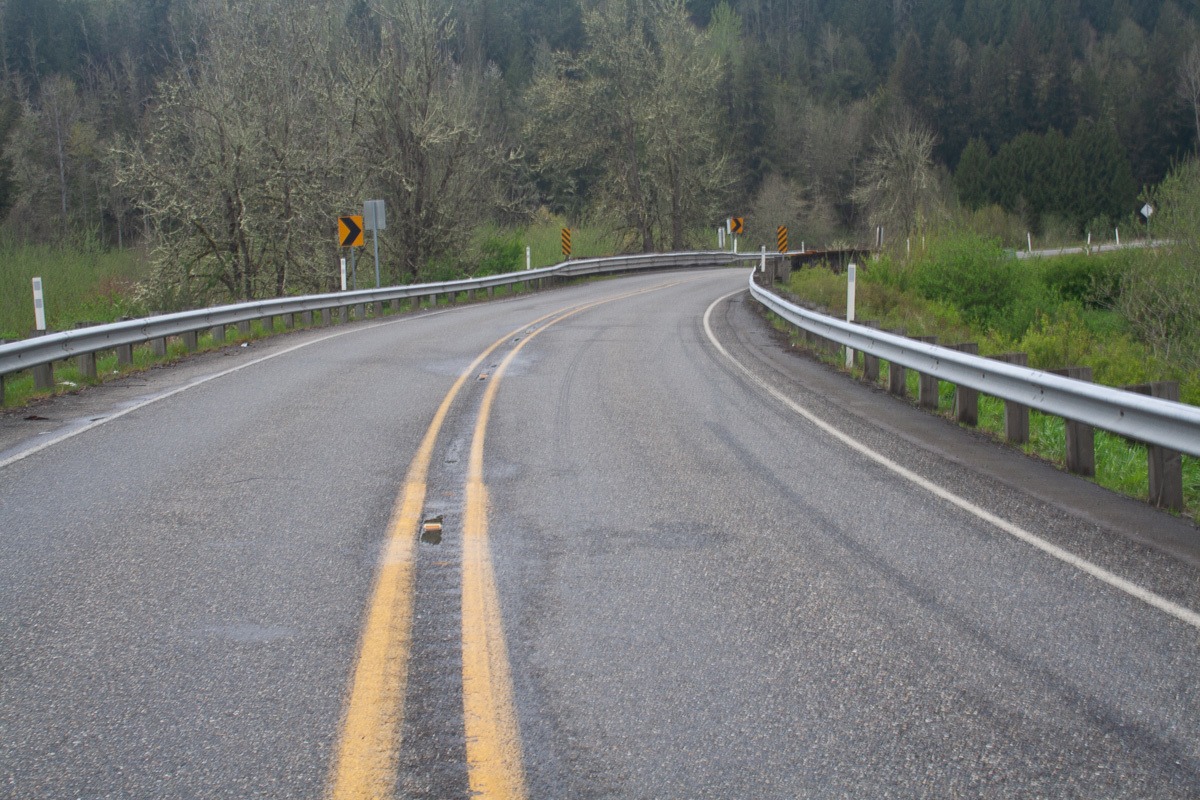
Recognizing that source elimination—removing 6PPD entirely from tire production—would require years of regulatory deliberation and manufacturing overhauls, local stakeholders realized immediate intervention was necessary. Even if an ideal, salmon-safe alternative to 6PPD were discovered immediately, legacy particles embedded in roadways and soils would continue to leach toxins into watersheds for up to two decades.
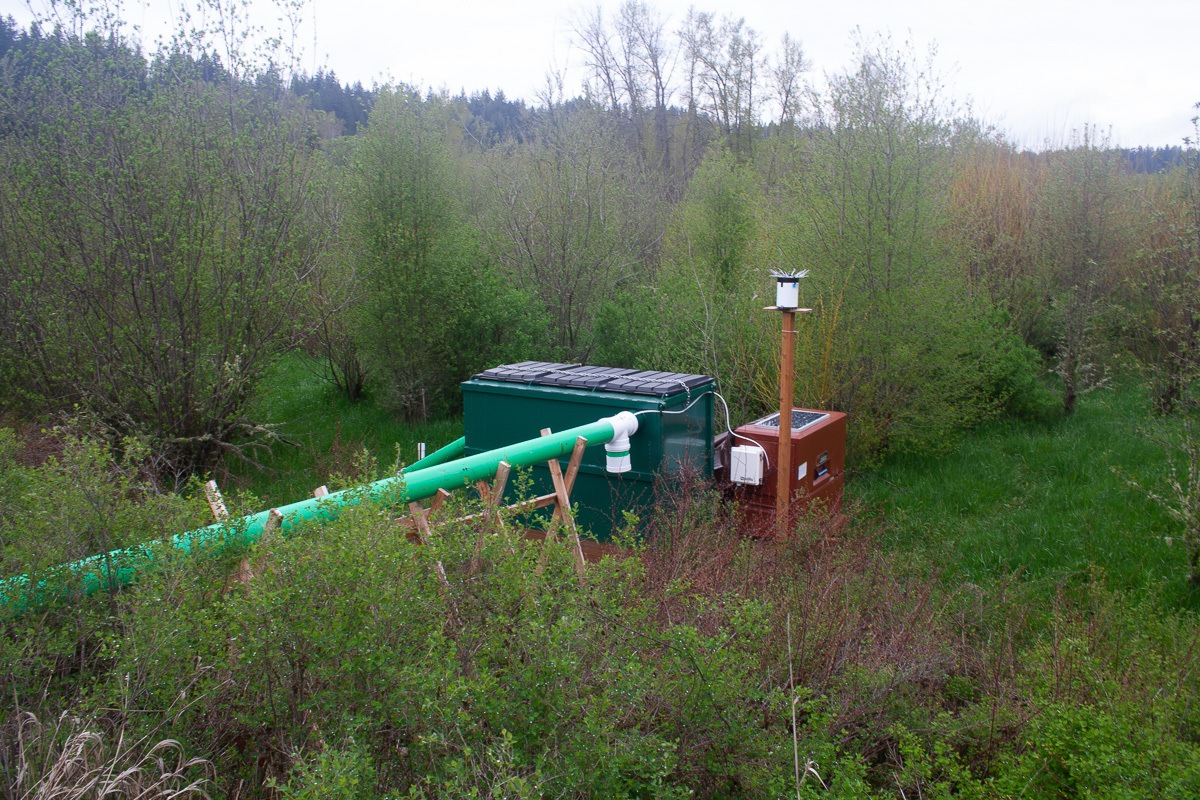
To bridge this critical gap, the Nisqually Tribe partnered with Long Live the Kings, a Seattle-based nonprofit dedicated to salmon preservation, to design and deploy a localized mitigation strategy. Along Highway 7 at Ohop Creek, the partners installed an innovative mobile biofiltration system. This dumpster-sized containment unit intercepts stormwater runoff from the highway, channeling the polluted water through a specialized medium composed of sand and organic matter before releasing the treated water back into the surface ecosystem.
The engineering of this system drew heavily from prior research conducted by Jenifer McIntyre, an assistant professor at Washington State University and a leading voice in urban stormwater toxicology. McIntyre previously collaborated with Cedar Grove Composting and the city of Bellevue, Washington, to test Bioretention Urban Retrofits—affectionately dubbed "BURitos"—designed to enhance stormwater treatment ponds. These pilot tests demonstrated that organic filtration media could successfully strip out complex chemical mixtures, significantly reducing the overall toxicity of urban runoff.
Regulatory Pressure and Industry Accountability
The identification of 6PPD-quinone has catalyzed a multifaceted response involving state regulators, federal policymakers, and industrial manufacturers. In July 2021, Dr. McIntyre testified before the U.S. House of Representatives regarding the existential threat the chemical poses to aquatic biodiversity.
Concurrently, the Washington State Department of Ecology has taken a proactive regulatory stance. Utilizing authority under the federal Clean Water Act’s National Pollutant Discharge Elimination System (NPDES), state regulators have begun collaborating with municipal entities, industrial facilities, and transportation departments to evaluate how stormwater discharges are managed and to draft future compliance frameworks. Furthermore, researchers and state officials have engaged in dialogue with the U.S. Tire Manufacturers Association to encourage research into safer chemical alternatives.
Despite these regulatory steps, significant knowledge gaps remain. While scientists understand that 6PPD-quinone is acutely toxic to coho salmon, the precise physiological mechanism of action—whether the toxin disrupts the central nervous system, damages cardiovascular function, or impairs osmoregulation—remains an active area of toxicological research. Furthermore, scientists are working to determine the full scope of species affected by the chemical, as well as potential downstream or bioaccumulative implications for other aquatic life and broader ecosystems.
Looking Ahead: Scalability and the Path to Salmon Recovery
As researchers race to answer these complex toxicological questions over the coming years, on-the-ground conservationists are focusing on immediate scalability. The pilot biofiltration installation along Highway 7 is viewed by the Nisqually Tribe not as a standalone fix, but as a proof-of-concept for regional infrastructure adaptation.
David Troutt and the Nisqually Department of Natural Resources are actively advocating for state and local transportation departments to integrate similar biofiltration technologies wherever major roadways intersect vulnerable salmon-bearing streams. While high-volume waterways may occasionally overwhelm the capacity of localized filtration units, expanding these systems represents a vital line of defense.
For the Nisqually people and the broader Pacific Northwest, the fight against 6PPD-quinone is more than an exercise in environmental remediation; it is a defense of cultural heritage and ecological balance. As scientists push for chemical reform in manufacturing boardrooms and engineers refine stormwater filtration on the asphalt’s edge, the future of the coho salmon hangs in the balance, tethered to humanity’s willingness to re-engineer the modern highway.
Related posts: