Unlocking the Secrets of Napa Valley: A New Immersive Learning By Drinking Course Offers Deep Dive into California’s Premier Wine Region

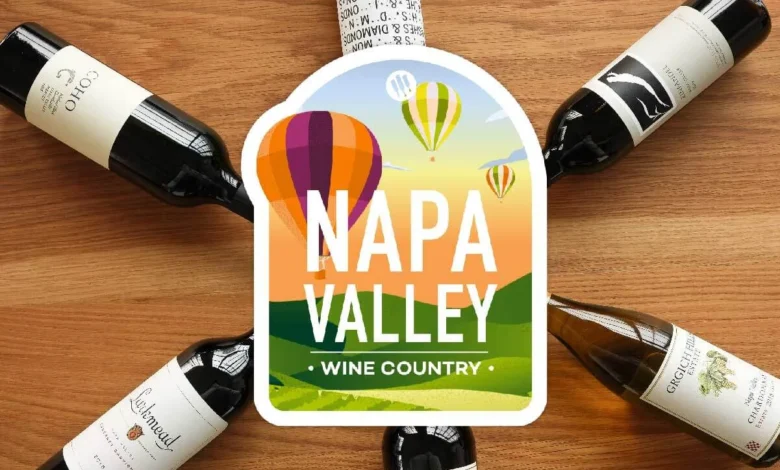
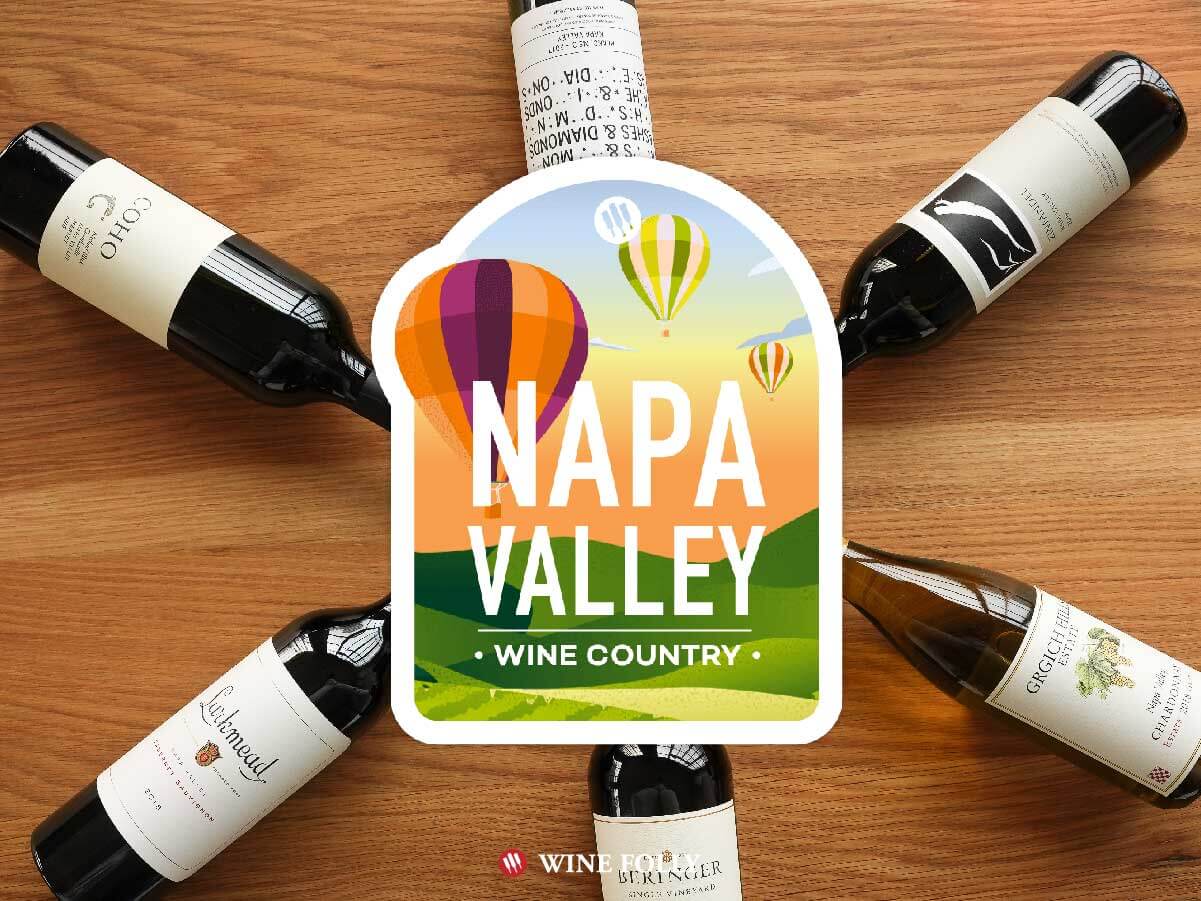
Napa Valley stands globally as an epicenter of viticultural excellence, where a unique confluence of Mediterranean climate, diverse topography, and meticulous rural Californian farming produces wines that have reshaped the international culinary landscape. For decades, revered vintages and globally recognized estates have defined this breathtaking Northern California corridor. Now, wine enthusiasts and connoisseurs are provided with an innovative educational opportunity to understand the region through sensory immersion with the official launch of the Learn By Drinking: Napa Valley course, developed by the industry-leading educational platform Wine Folly.
Designed to move away from traditional, text-heavy study methods, the program champions a "palate-first" pedagogical philosophy. By pairing structured expert instruction with actual bottle tastings, the curriculum seeks to bridge the gap between theoretical geography and sensory appreciation. Led by renowned sommelier and wine communicator Madeline Puckette, the curriculum offers a comprehensive exploration of the weather patterns, soil variations, and sun exposure that characterize the Napa Valley American Viticultural Area (AVA).
Main Facts and Curriculum Structure
The Learn By Drinking: Napa Valley course is structured around approximately two hours of high-definition instructional video content, guided by Puckette, a James Beard Award-winning author and winner of the International Wine and Spirit Competition’s "Wine Communicator of the Year" award. With over a decade of hands-on experience in the professional wine trade, Puckette brings both academic rigor and accessible storytelling to the virtual classroom.
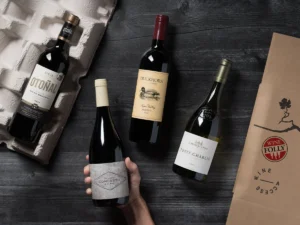
While the course purchase price does not include the physical bottles—allowing students the flexibility to source their own selections locally or online—the curriculum is specifically built around six representative styles of wine from the region. The structured tasting flight encompasses Napa Valley’s definitive benchmark varieties: Cabernet Sauvignon, Chardonnay, Merlot, Zinfandel, and a sophisticated Sauvignon Blanc blend.
Throughout the video series, students are trained in advanced tasting strategies, evaluation techniques, and the critical analytical skills required to identify exceptional quality and value within the marketplace. The educational journey connects the macro-climate and micro-climates of Northern California directly to the glass, teaching participants how diurnal temperature shifts—driven by Pacific Ocean fog rolling up the San Pablo Bay—preserve acidity in white grapes while allowing red varieties to achieve optimal phenolic ripeness.
Historical Context and Chronology of Napa Valley
To fully appreciate the scope of the new educational program, one must examine the historical trajectory of Napa Valley, which transformed from a modest agricultural settlement into a world-class wine destination over the span of a century and a half.
The modern era of Napa Valley winemaking traces its roots back to the 19th century. In 1838, George Yount became the first permanent American settler in the valley, recognizing the agricultural potential of the region’s alluvial soils. By 1861, Charles Krug had established Napa Valley’s first commercial winery, setting off a wave of entrepreneurial viticulture. Pioneers like Jacob Schram (Schramsberg Vineyards, 1862) and Gustav Niebaum (Inglenook, 1879) soon followed, laying the foundation for architectural and agricultural landmarks that endure to this day.
However, the region’s growth faced catastrophic interruptions. The outbreak of the vine-destroying phylloxera louse in the late 1880s decimated countless vineyards, followed immediately by the onset of Prohibition in 1920. During the thirteen years of federal alcohol prohibition, the vast majority of Napa’s wineries closed their doors, with only a handful surviving by producing sacramental or medicinal wines.
The modern renaissance of Napa Valley began in the post-Repeal era and accelerated dramatically in the mid-20th century. Visionaries such as John Daniel Jr. at Inglenook, André Tchelistcheff—who revolutionized winemaking techniques at Beaulieu Vineyard starting in the late 1930s—and Robert Mondavi, who founded his eponymous winery in Oakville in 1966, modernized production and elevated the global profile of Californian wine.
The watershed moment for Napa Valley occurred in 1976 at the historic "Judgment of Paris" blind tasting. Organized by wine merchant Steven Spurrier, a panel of eminent French wine experts shockingly ranked a 1973 Napa Valley Chardonnay from Chateau Montelena and a 1973 Cabernet Sauvignon from Stag’s Leap Wine Cellars above elite Burgundies and Bordeaux growths. This seismic event shattered the monopoly of Old World prestige and firmly established Napa Valley on the international stage as a producer of world-class, age-worthy wines.
Supporting Data and Economic Impact
Napa Valley’s contemporary standing is underpinned by staggering economic and agricultural statistics. Despite accounting for a minuscule fraction of global wine production—producing roughly four percent of California’s total wine harvest—Napa County wields an outsized influence on the global wine economy.
According to economic impact studies commissioned by trade organizations such as Wine Institute and Visit Napa Valley, the region generates billions of dollars annually for the California economy. The county supports hundreds of bonded wineries, ranging from small, family-owned boutique operations to expansive, globally recognized corporate estates. Tourism serves as a major economic driver, attracting millions of visitors each year to experience the region’s hospitality, culinary arts, and viticultural offerings.
Agronomically, Napa Valley’s success is dictated by its remarkable geographical diversity. Despite being approximately 30 miles long and a few miles wide at its widest point, the valley encompasses 16 distinct sub-appellations, or AVAs, including Rutherford, Stags Leap District, Oakville, Howell Mountain, and Carneros. Each AVA features distinct soil compositions—ranging from volcanic ash and basalt in the mountains to alluvial gravel, loam, and clay on the valley floor—coupled with varying degrees of marine influence and solar radiation. Understanding these micro-climates is a core component of advanced wine education, making structured courses like Learn By Drinking increasingly valuable for consumers seeking to navigate the complex taxonomy of regional labeling.
Expert Analysis and Educational Implications
Industry analysts and wine educators have noted a significant shift in consumer preferences over the past decade. Modern wine consumers are no longer satisfied with passive consumption; instead, they demand transparency, historical context, and tactile engagement with the products they purchase. The rise of digital education platforms, hybrid tasting kits, and interactive video courses represents a democratization of wine knowledge that was once confined to expensive sommelier certification programs or in-person academies.
By integrating digital video instruction with regional guides and targeted tasting flights, the Learn By Drinking model addresses a persistent challenge in wine education: bridging the gap between abstract geographical data and concrete sensory memory. When students taste a structured flight of Napa Valley Cabernet Sauvignon or Sauvignon Blanc while receiving real-time analytical instruction from an expert like Madeline Puckette, the cognitive retention of flavor profiles, structural components (such as tannin, acidity, and alcohol), and regional typicity increases exponentially.
Furthermore, educators emphasize that understanding regional typicity—what French winemakers refer to as terroir—equips consumers to make more informed purchasing decisions. In a global marketplace flooded with thousands of labels, distinguishing between mass-produced commercial wines and artisanally crafted regional expressions requires a trained palate. Courses that focus on comparative tastings of foundational varieties provide the essential baseline knowledge required to evaluate price-to-quality ratios accurately.
Broader Industry Impact and Future Outlook
The launch of Wine Folly’s Napa Valley course arrives at a time of transformation for the wine industry at large. Climate change, shifting consumer demographics, and evolving retail channels continue to challenge traditional wine regions. Napa Valley, in particular, has faced recent pressures from rising land values, labor shortages, and environmental concerns, including managing water resources and mitigating the impacts of wildfire seasons.
Despite these headwinds, the global appetite for high-end Californian wine remains robust. Educational initiatives that foster a deeper appreciation for the agricultural labor, scientific precision, and historical heritage behind every bottle help sustain consumer loyalty and protect the long-term viability of the region’s brand equity.
As digital learning continues to evolve, programs that prioritize experiential, sensory-driven education are expected to set the benchmark for consumer engagement in the beverage sector. By empowering everyday enthusiasts to become active evaluators of what is in their glasses, courses like Learn By Drinking: Napa Valley ensure that the rich traditions and innovative spirit of California’s most famous wine region continue to be understood, appreciated, and celebrated by new generations of wine lovers around the world.