A Modern Culinary Evolution: Recreating Hong Kong Street-Style Crispy Garlic Tofu at Home

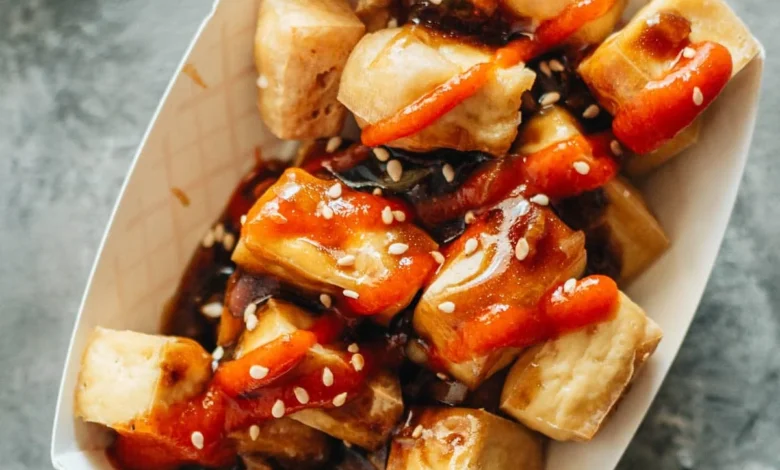
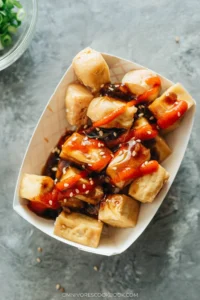
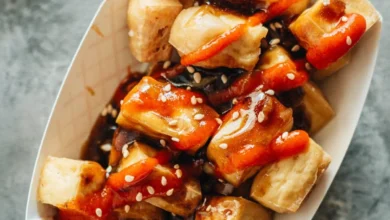
The global appetite for plant-based comfort food has driven a significant resurgence in traditional Asian street snacks, most notably the classic Hong Kong-style crispy tofu served with a savory garlic glaze. Traditionally prepared in commercial street stalls and bubble tea shops by deep-frying blocks of soy curd until golden brown, this popular street food is undergoing a domestic transformation. Home cooks and culinary historians note that contemporary adaptations—specifically oven-baked and air-fried methodologies—are successfully replacing deep-frying techniques without compromising the signature chewy interior and crisp exterior characteristic of the original dish.
Historical Context and Cultural Significance
Tofu, or bean curd, has served as a dietary staple throughout East Asia for more than two millennia. Originating in China during the Han Dynasty, the soy-based protein historically gained widespread prominence due to its high nutritional density, cost-effectiveness, and versatility in absorbing complex flavors. Unlike Western culinary traditions, where tofu has frequently been pigeonholed as a niche meat substitute for vegetarian and vegan diets, Asian culinary culture treats the ingredient as a foundational, everyday food item valued purely on its own gastronomic merits.
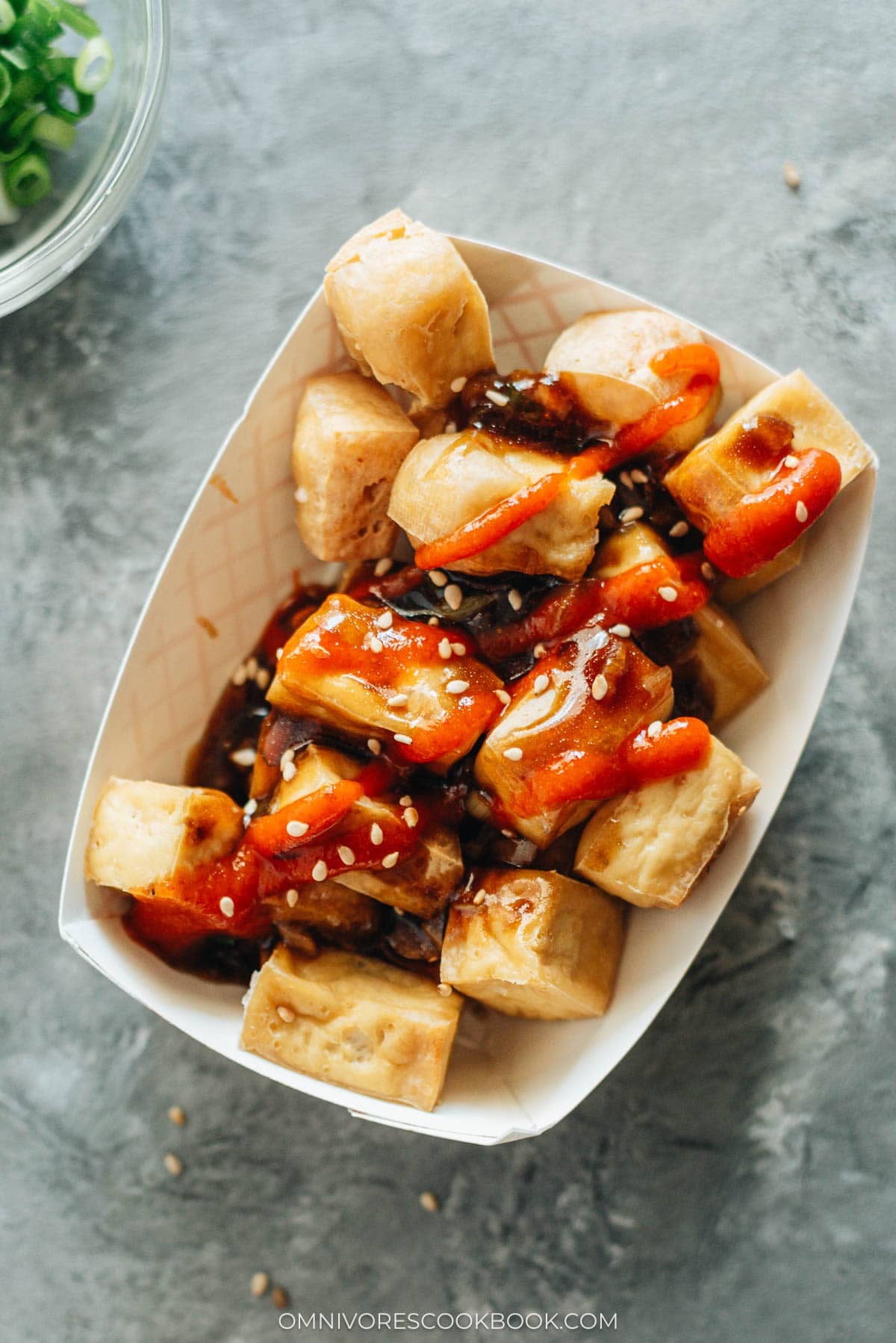
During the 1990s urban culinary boom in mainland China, the introduction of Hong Kong-style dessert and beverage chains—such as Beijing’s pioneering RBT establishments—popularized street-style snacks among younger demographics. These venues served as social hubs where patrons paired pearl milk tea with paper trays of deep-fried tofu drizzled in thick, garlic-heavy brown gravy. As international food culture continues to evolve in the digital era, home cooks are increasingly seeking ways to replicate these nostalgic street foods using streamlined, health-conscious kitchen appliances.
Culinary Mechanics: Achieving Texture Without Deep-Frying
The primary challenge in preparing street-style tofu at home lies in moisture management. Raw extra-firm tofu contains a high percentage of water, which generates steam during cooking and inhibits the formation of a crisp crust. Professional and home-cooking methodologies emphasize a rigorous pressing phase, utilizing weighted kitchen items—such as canned goods or specialized tofu presses—to extract excess liquid from slabs of extra-firm soy curd prior to thermal processing.
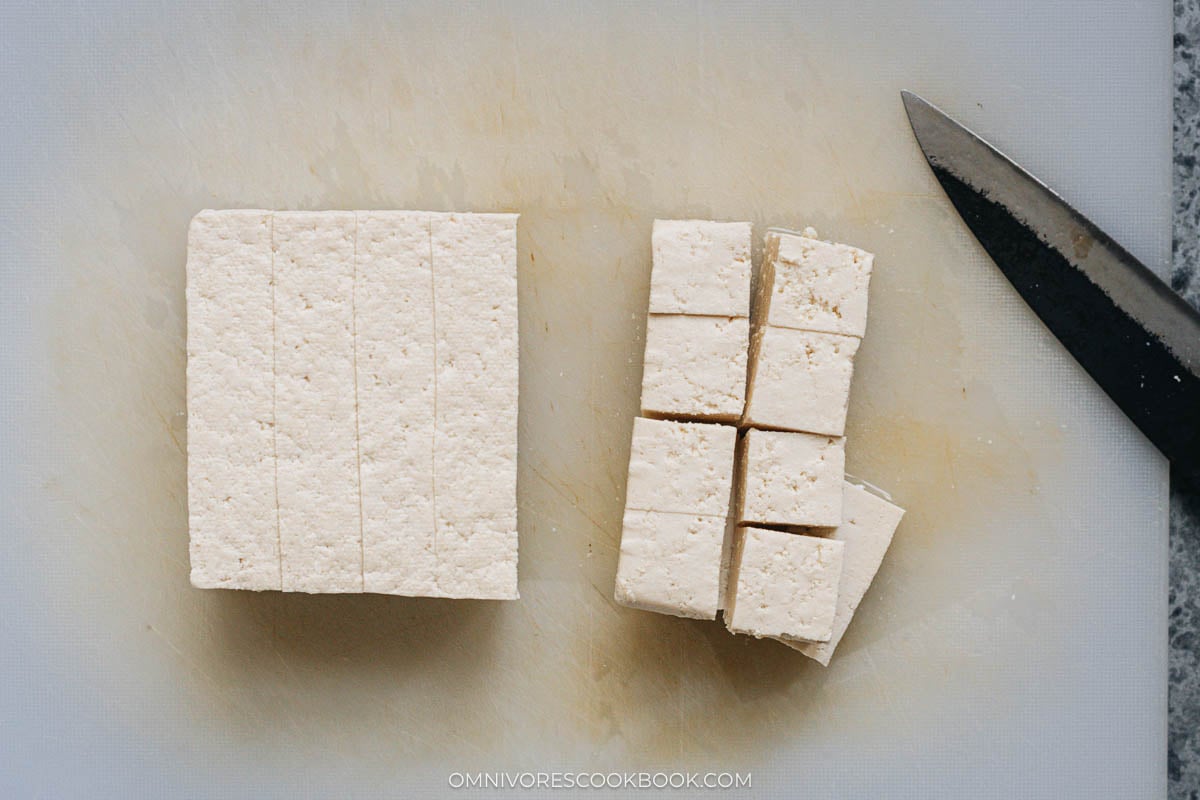
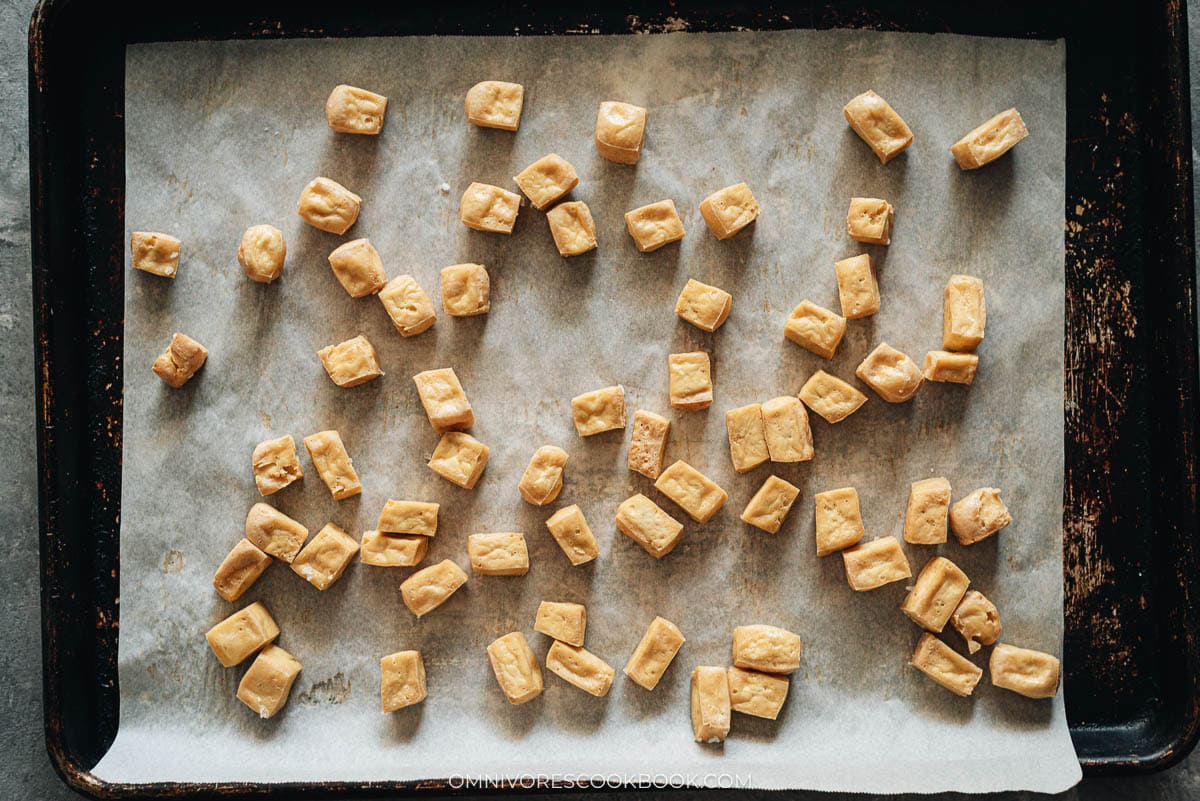
Once pressed, the tofu is uniformly cubed to ensure even heat distribution. While traditional street vendors submerge the cubes in vats of boiling oil, contemporary home recipes utilize conventional ovens preheated to 400°F (200°C) lined with parchment paper, or modern countertop air fryers. Thermal baking causes the moisture trapped within the micro-structure of the pressed tofu to evaporate, resulting in a puffed, golden-brown surface and a chewy interior texture that closely mimics the deep-fried original.
Concurrently, the accompanying garlic sauce is synthesized on the stovetop utilizing foundational pantry staples: soy sauce (or tamari for a gluten-free variant), water, sugar, and a cornstarch slurry. Aromatics, including minced garlic and the white portions of green onions, are lightly sautéed in vegetable oil before the liquid base is incorporated and rapidly thickened. Culinary experts emphasize precise timing during the sauce reduction phase; removing the pan from the heat source the moment the mixture coats the back of a spoon prevents the cornstarch from turning overly viscous or gluey due to residual thermal energy.
Nutritional Profile and Dietary Adaptability
From a nutritional standpoint, the baked garlic tofu preparation offers a macro-nutrient profile favorable for health-conscious consumers. Standard dietary analyses indicate that a typical single serving contains approximately 98 kilocalories, 7.7 grams of plant-based protein, 5.9 grams of total fat, and 5.4 grams of carbohydrates. Furthermore, the dish accommodates various dietary restrictions naturally; substituting standard soy sauce with tamari eliminates gluten, while the inherent absence of animal products renders the recipe entirely vegan.
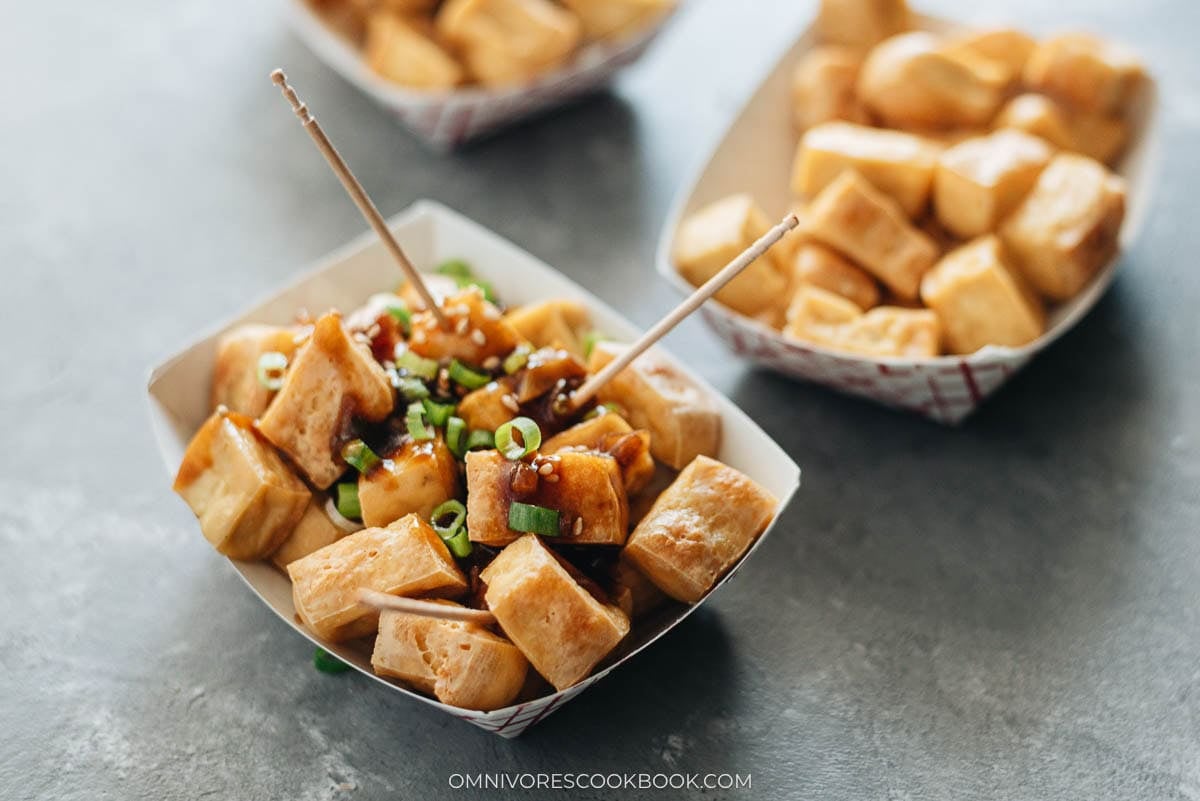
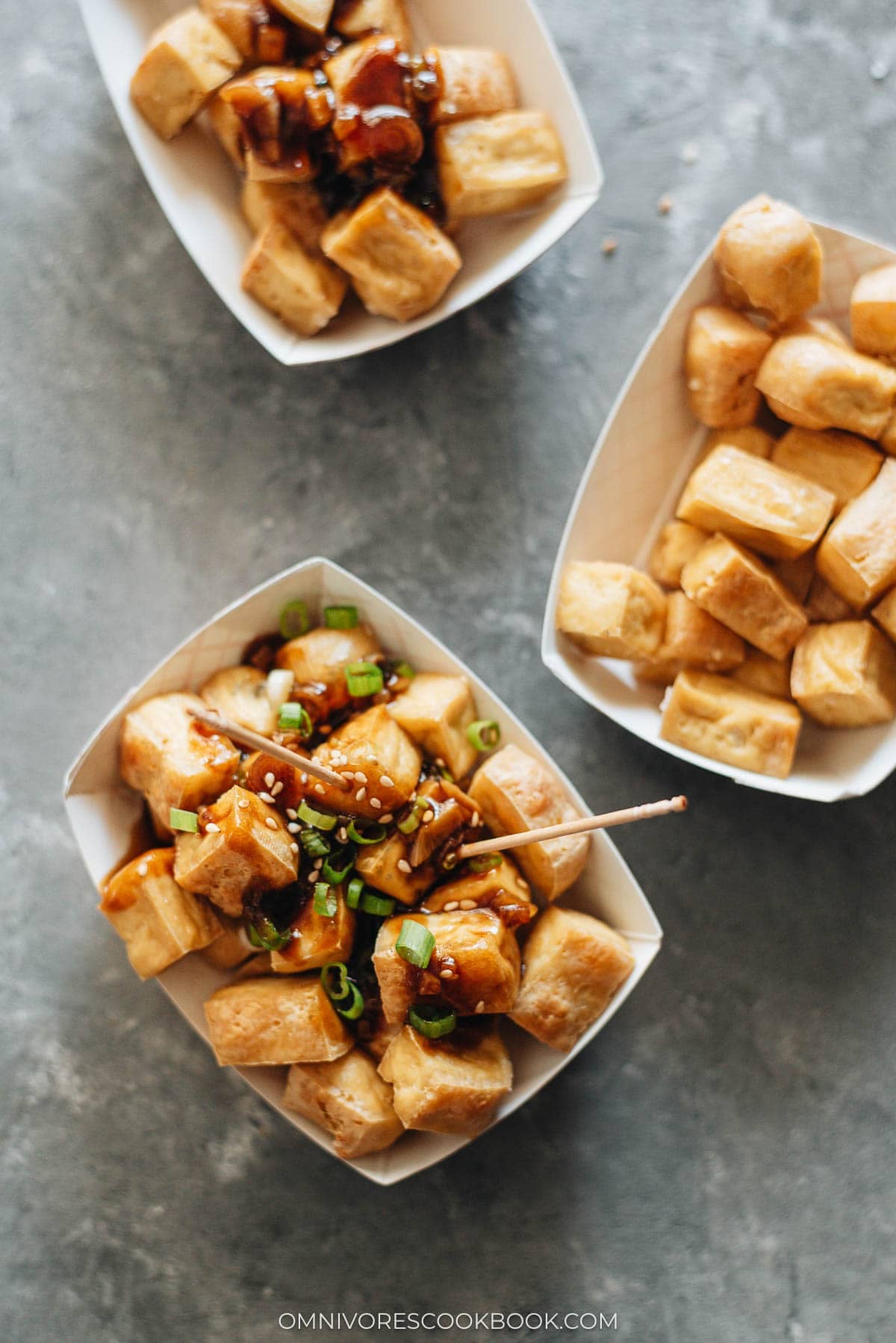
The adaptability of the dish extends to its integration into broader meal structures. While traditionally consumed as an afternoon finger food or appetizer accompanied by tea—often skewered directly from paper trays with toothpicks—modern culinary adaptations see the crispy cubes incorporated into cold soba noodle salads, stir-fries, or served alongside complex homestyle spreads featuring saucy Chinese eggplant and scallion pancakes.

Industry Implications and the Rise of Smart Kitchen Adaptation
The growing popularity of simplified, health-conscious Asian street food recipes reflects broader shifts in domestic consumer behavior. With the proliferation of air fryers and convection ovens in residential kitchens, home cooks are increasingly bridging the gap between labor-intensive restaurant techniques and accessible weeknight cooking. Food scientists and culinary analysts observe that this trend democratizes regional Asian street cuisine, encouraging cross-cultural culinary exploration while aligning with global demands for sustainable, plant-forward nutrition. As digital platforms continue to circulate these modernized methods, traditional ingredients like tofu are experiencing a sustained renaissance in Western and international domestic markets alike.