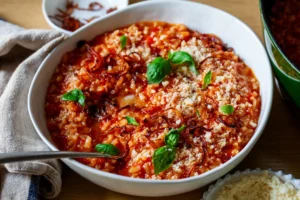
Tomato Risotto with Frizzled Red Onions Offers a Defiant Taste of Late Summer

The culinary landscape in September often undergoes an aggressive seasonal pivot, shifting prematurely from sun-drenched produce to autumnal root vegetables and spiced beverages. Despite ambient temperatures frequently exceeding 85 degrees Fahrenheit, retail displays and marketing campaigns routinely introduce heavy wool coats, squash varieties, and pumpkin spice iterations weeks before the astronomical transition to fall. In response to this seasonal impatience, home cooks and culinary traditionalists are increasingly advocating for the preservation of peak-season summer ingredients, utilizing September’s lingering warmth to celebrate agricultural yields that are otherwise unavailable during colder months.

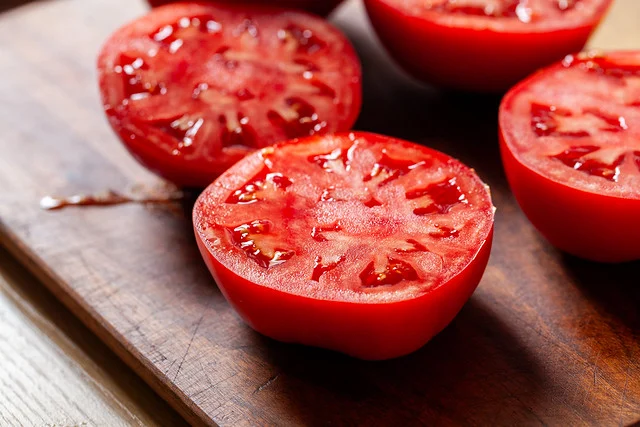
Among the most championed summer produce items is the tomato, a staple of warm-weather agriculture whose complex flavor profile relies heavily on solar radiation and sustained heat. Culinary experts and food historians note that forcing summer produce out of the kitchen prematurely diminishes the appreciation of seasonal eating cycles. By extending the window for fresh tomato consumption well into the early weeks of September, consumers maintain a connection to local agricultural schedules that prioritize ripeness over commercial retail timelines.
The Culinary Evolution of Tomato-Centric Rice Dishes
The conceptual framework for modern tomato-infused rice dishes has evolved significantly over the past decade, moving away from labor-intensive, multi-step preparations toward streamlined, flavor-focused methodologies. Traditional risotto preparation is widely associated with rigid culinary rules, including the mandatory use of pre-warmed broths, continuous stovetop stirring, and substantial quantities of butter and cheese. However, contemporary culinary analysis challenges these conventions, demonstrating that alternative techniques—such as oven-baking and omitting broth in favor of concentrated vegetable pulps—yield structurally sound and chemically balanced results.

The integration of grated tomato pulp directly into short-grain rice mimics the flavor concentration found in classic Mediterranean stuffed tomato preparations. By utilizing the natural moisture content of grated tomatoes rather than supplementary broths, dishes achieve a purer, more vibrant acidity. This technique reduces reliance on sodium-heavy stocks, allowing the natural glutamates within the ripe fruit to dictate the savory profile of the dish.
Chronology of Seasonal Adaptation in Modern Cooking
The tension between commercial retail calendars and natural agricultural availability has intensified over the past twenty years. The timeline of seasonal food marketing typically follows a structured trajectory:

- Late July to Mid-August: Peak agricultural harvest for nightshades, stone fruits, and summer squashes. Culinary media highlights raw preparations and rapid cooking methods designed to preserve heat-sensitive nutrients and flavors.
- Labor Day Weekend: A traditional retail turning point where autumnal marketing campaigns begin appearing alongside remaining summer inventory.
- Mid-September: The height of seasonal dissonance, characterized by high ambient temperatures paired with aggressive merchandising of heavy textiles and winter root vegetables.
- Late September to October: The official equinox, marking the gradual decline of locally sourced tender summer crops and the rise of brassicas, apples, and winter squashes.
Culinary professionals observing this shift emphasize that adapting traditional comfort foods—such as risotto—to feature late-season produce bridges the gap between psychological readiness for cooler weather and the physical reality of lingering summer heat.
Technical Breakdown: Oven-Baked Risotto Methodology
Modern recipe development has increasingly favored oven-baking techniques for grain-based dishes to reduce active labor time while maintaining precise textural integrity. The technical parameters for preparing a tomato risotto utilizing an oven-safe Dutch oven involve specific thermodynamic principles:

- Thermal Searing: Initial high-heat processing in a heavy-bottomed vessel allows alliums, such as thinly sliced red onions, to undergo the Maillard reaction, developing deep golden-brown exterior textures while retaining interior moisture.
- Toasting the Grain: Short-grain rice varieties are briefly toasted in residual oils and aromatics to seal the outer starch layer, preventing the grains from disintegrating during the absorption phase.
- Controlled Hydration: Substituting traditional simmering stock with a combination of wine, grated tomato pulp, and measured water creates an acidic environment that gelatinizes starches evenly without requiring manual agitation.
- Baking Phase: Enclosing the vessel at 350 degrees Fahrenheit ensures uniform heat distribution from all sides, facilitating steady liquid absorption over a 25- to 30-minute window.
- Emulsification: Post-bake resting and vigorous manual stirring for two minutes reintroduces air and encourages the release of remaining surface starches, achieving the characteristic creamy suspension of a classic risotto without excessive dairy additives.
Ingredient Composition and Flavor Balancing
The structural success of simplified tomato risotto relies on the precise balancing of acidity, fat, and texture. Utilizing grated tomato pulp provides both liquid for starch absorption and pectin for body. To counteract the natural acidity of fresh tomatoes, fat is introduced at two distinct stages: initially via olive oil used for crisping alliums, and optionally at the conclusion via butter or high-grade olive oil to impart a glossy finish.
The addition of frizzled red onions—cooked until deeply golden and crisp—serves as a textural contrast to the soft, creamy matrix of the rice. This technique mirrors culinary practices found in various global cuisines, where fried aromatics provide both a savory garnish and an infused cooking oil that anchors the broader flavor profile. Protein and dairy components, such as grated Parmesan cheese and torn basil leaves, remain optional enhancements rather than mandatory foundations, allowing the dish to accommodate dietary restrictions such as veganism without compromising its sensory appeal.

Broader Economic and Agricultural Implications
The deliberate extension of summer cooking into the autumn shoulder season carries notable implications for regional agriculture and consumer behavior. Agricultural economists point out that early-season demand suppression for summer crops can result in premature crop termination by local growers, who face pressure to clear fields for autumn planting. By sustaining consumer interest in tomatoes, peppers, and eggplants through September, retail demand aligns more closely with the natural biological lifecycle of these crops.
Furthermore, culinary education focusing on technique modification—such as demonstrating that broth and constant stirring are not strictly chemically necessary for successful risotto—democratizes complex cooking methods. By lowering technical barriers to entry and emphasizing pantry-friendly liquid substitutes like water and fresh vegetable pulp, home cooks gain greater flexibility in ingredient sourcing, reducing food waste and reliance on pre-packaged commercial broths.

As consumer habits continue to evolve in response to both commercial marketing pressures and a heightened awareness of seasonal sustainability, the practice of holding onto summer produce represents a minor yet meaningful act of culinary defiance. Through careful technique and an appreciation for agricultural timing, home kitchens can successfully navigate the awkward seasonal transition between warmth and winter.